REVIEW · URUBAMBA
From Cusco: Sacred Valley VIP Tour with Buffet Lunch
Book on GetYourGuide →Operated by PeruVibes · Bookable on GetYourGuide
Sacred Valley rush, in the best way. This full-day tour strings together the big hitters: Chinchero and its famous textiles, plus the engineering clues of the Incas at Moray and the salt ponds of Maras, all with a bilingual guide explaining what you’re seeing. I like how you get a guided story at each stop (not just photo time), and I like that the day ends with Inca towns and a sunset finish near Pisac. The only real drawback is the pace: it’s a full loop, so you won’t linger as long as you might on your own.
You start with pickup from your Cusco hotel and ride in a van between sites, with short drives that help you cover more in one day. The group is kept small, and the guide works in English and Spanish, which makes the explanations easy to follow even if your Spanish is rusty.
Budget-wise, the $32 price is just for the experience basics—transport, guide, and a buffet lunch—while entrance tickets are extra. Also, it’s not a great fit if you have back issues or need wheelchair access, and you’ll want solid walking shoes for uneven ground in the Sacred Valley.
In This Review
- Key Points You’ll Care About
- Why This Sacred Valley VIP Loop Works in One Day
- Pickup, Van Rides, and What Your Body Needs
- Chinchero: Textiles, Color, and How to Read What You See
- Moray’s Circular Terraces: Incas, Agriculture, and the Logic Behind the Design
- Maras Salt Mines: Working History on a Hillside Full of Ponds
- Urubamba Buffet Lunch: A Real Break (and a Chance to Eat Local)
- Ollantaytambo: Inca Town Energy and View-Driven Stops
- Pisac and Sunset: When the Day Ends with the Right Kind of Calm
- Price and Ticket Costs: What $32 Really Buys You
- Best Fit: Who Should Book This Tour
- Should You Book the Cusco Sacred Valley VIP Tour?
- FAQ
- How long is the Sacred Valley VIP Tour from Cusco?
- What is included in the $32 per person price?
- Are entrance tickets included?
- Does the tour include lunch or breakfast?
- Do I get picked up from my Cusco hotel?
- What languages does the guide speak?
- What should I bring for the day?
- Is the tour wheelchair accessible or suitable for back problems?
- Is smoking allowed during the tour?
Key Points You’ll Care About
- Chinchero textile tour with real local craft explanations so you know what you’re looking at
- Moray’s circular terraces explained as an agricultural experiment, not just a photo spot
- Maras salt ponds where you see the salt-making process in action over a wide hillside network
- Urubamba buffet lunch included, giving you a low-stress break and local food variety
- Ollantaytambo plus Pisac for Inca town vibes and big end-of-day views
Why This Sacred Valley VIP Loop Works in One Day
If you’re visiting Cusco for a short time, Sacred Valley can feel like a long checklist. This tour is built for people who want to see the highlights without doing separate day trips. You cover several of the region’s most recognizable places, and the guiding makes the stops click into place—especially at Chinchero, Moray, and Maras.
I also like the “big day, clear structure” approach. There are photo stops, short guided segments, and enough time afterward to look around. You’re not stuck only watching; you can step back, take photos, and get your bearings fast.
The other thing you should like: it’s designed around the Sacred Valley’s geography. The route keeps the drives fairly efficient, so you spend your energy on sightseeing rather than bouncing around for half the day.
You can also read our reviews of more tours and experiences in Urubamba.
Pickup, Van Rides, and What Your Body Needs
This is a full-day outing, and the van does a lot of the work. You’ll be picked up from your Cusco hotel (pickup is optional, but if you want it, you coordinate via WhatsApp). That matters because Cusco can be busy and confusing, especially early in the day.
Plan for a long stretch without breakfast included. Wear comfortable clothing and shoes for walking, and bring water, sunscreen, and a hat. The sun can be strong even when the air feels cool, and you’ll be outdoors during key parts of the day.
One more practical note: the tour involves walking and uneven ground at archaeological sites and viewpoints. It’s not suitable for people with back problems, and it’s not wheelchair-friendly.
Chinchero: Textiles, Color, and How to Read What You See
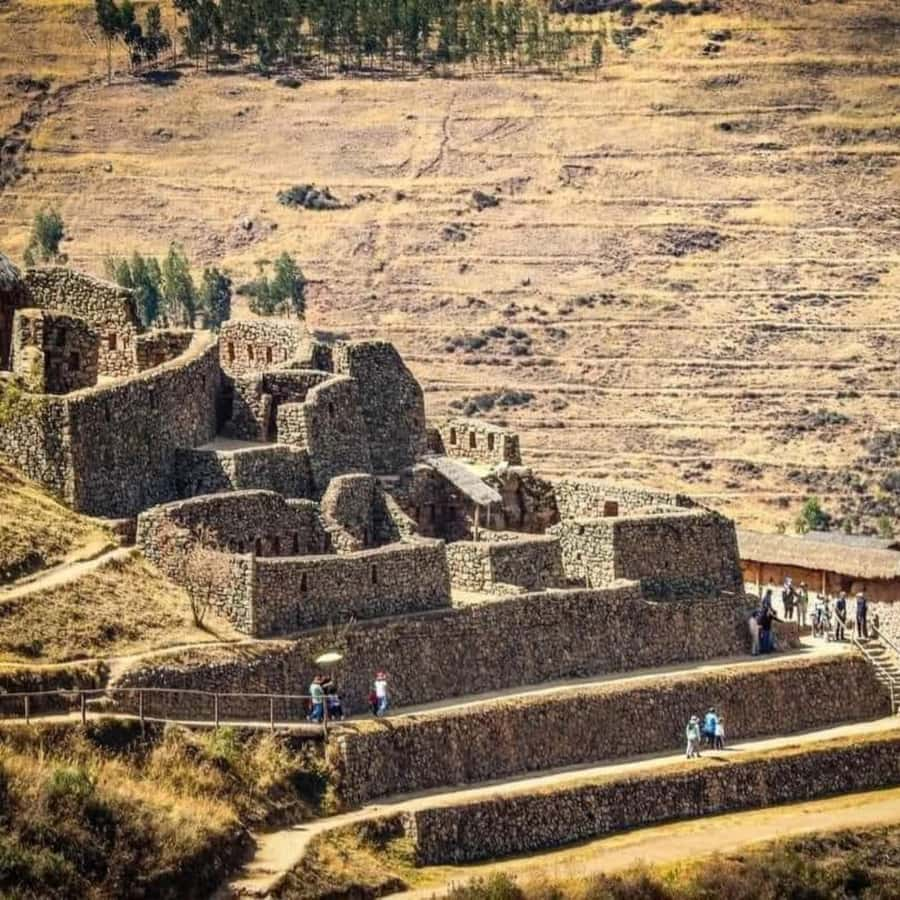
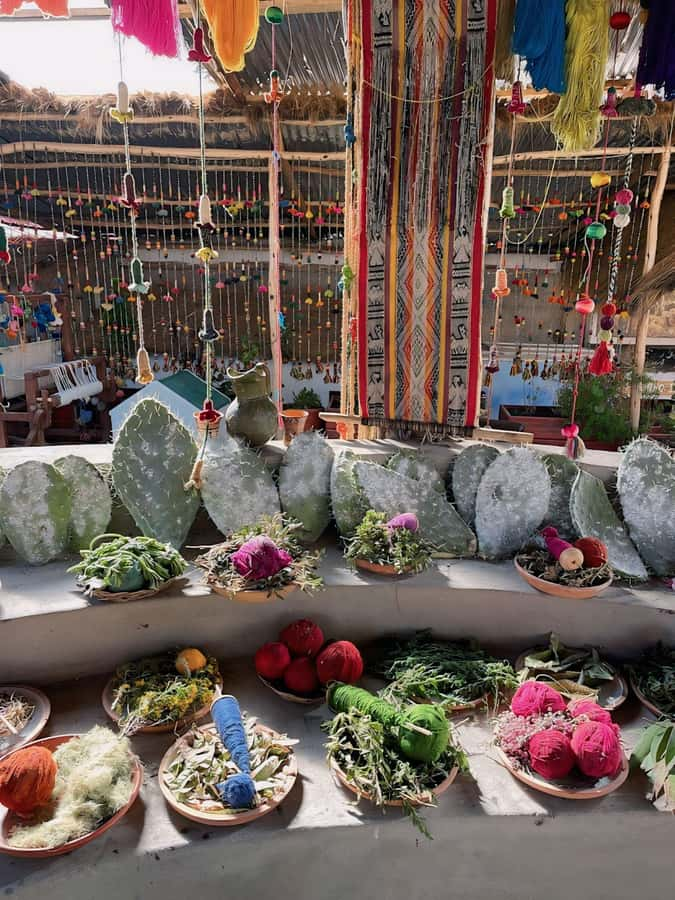
Chinchero is one of those places where a guided stop changes everything. Without context, it can look like a pretty town with a good view. With context, you start noticing the details: how local textiles are made, why certain colors and patterns matter, and how craft traditions connect to daily life.
You’ll go with a guide who focuses on what’s distinctive about Chinchero’s textile traditions. Expect a mix of sightseeing and a guided component, plus time to take photos. This is also where you can slow down for a moment and watch how people work and move—because it’s not just ruins; it’s living culture.
What I like most here: Chinchero gives you a human-scale Sacred Valley moment. Later, Moray and Maras are about ancient systems—agriculture and salt production. Chinchero is about people and skills that continue today.
A small consideration: the day can include quick stops that feel more like shopping opportunities. If your goal is pure archaeology and views, treat those moments as optional and keep your eye on the time you want to spend at the main sites.
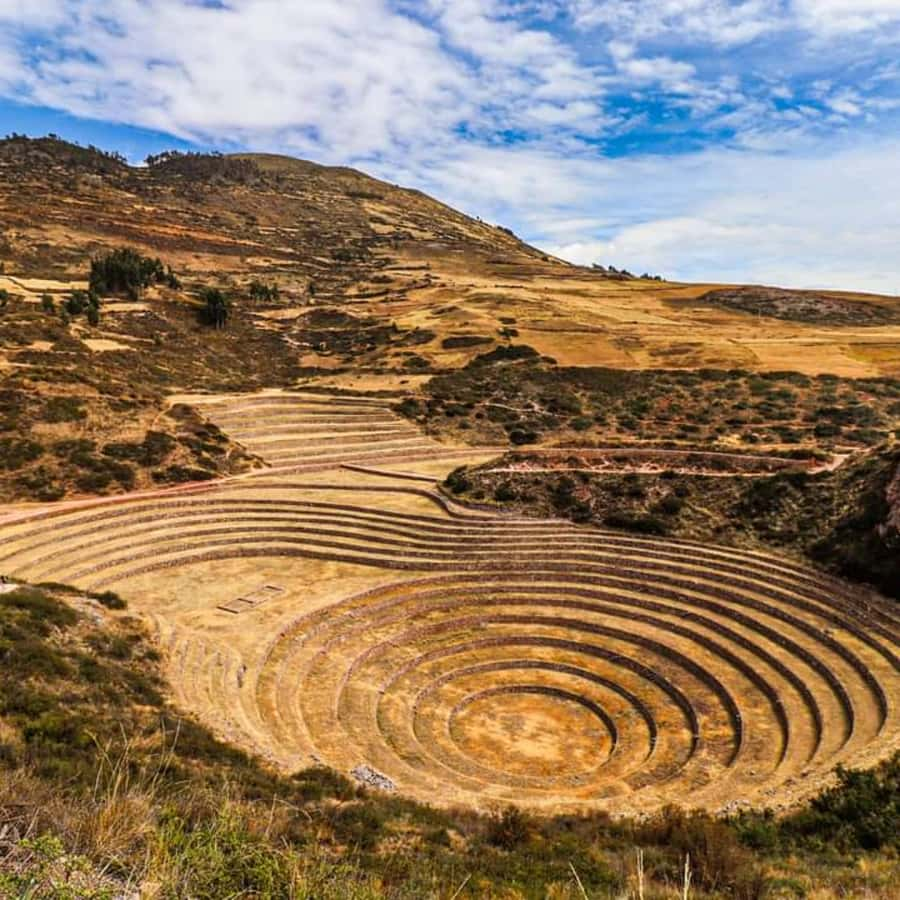
Moray’s Circular Terraces: Incas, Agriculture, and the Logic Behind the Design
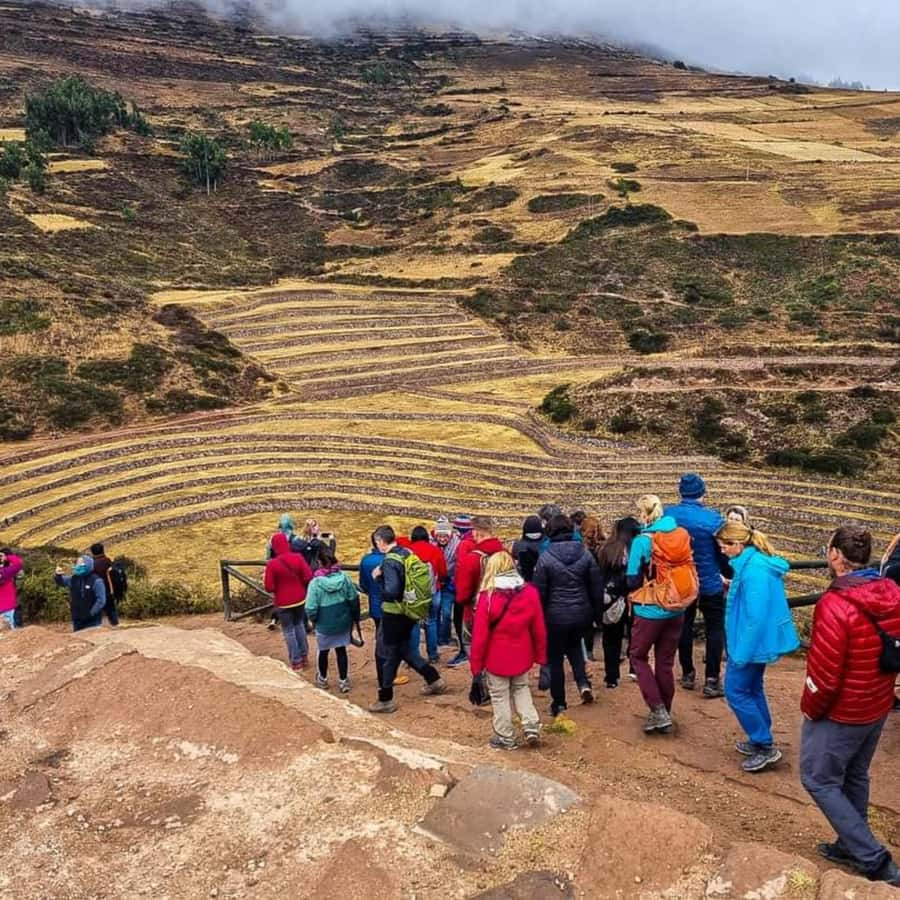
Moray is a different kind of wow. Instead of temples or towns, you’re looking at a carefully planned landscape of circular terraces. The guide’s job here is to help you understand why the Incas would build something that looks artistic and strange.
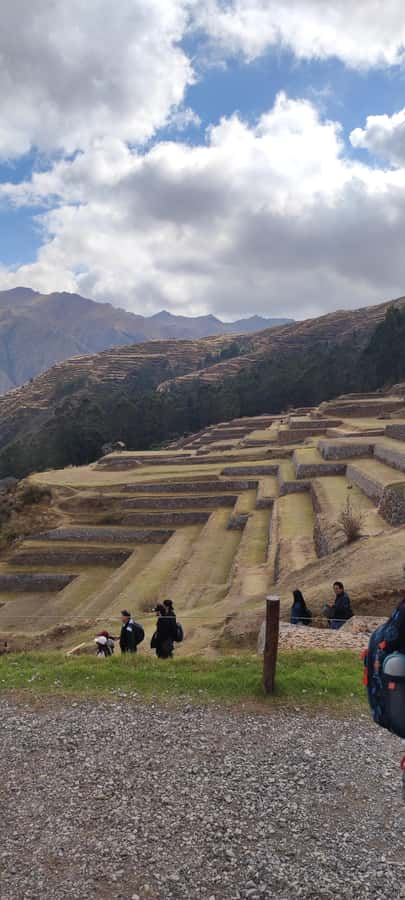
You’ll have a photo stop and guided exploration here, with time to walk around the terraces area and take in the pattern. What makes Moray special is that the terraces are not random. They hint at an experimental approach to agriculture—changing conditions with elevation-like effects inside the circular layout.
What to watch for: don’t just photograph the circles. Look at how the terraces step down and around. When you understand that the design creates different growing conditions, the place stops being a curiosity and becomes a clue.
How this stop fits the day: Moray is a great “thinking” moment in between Chinchero and Maras. After textiles and cultural context, you shift into ancient engineering.
Maras Salt Mines: Working History on a Hillside Full of Ponds
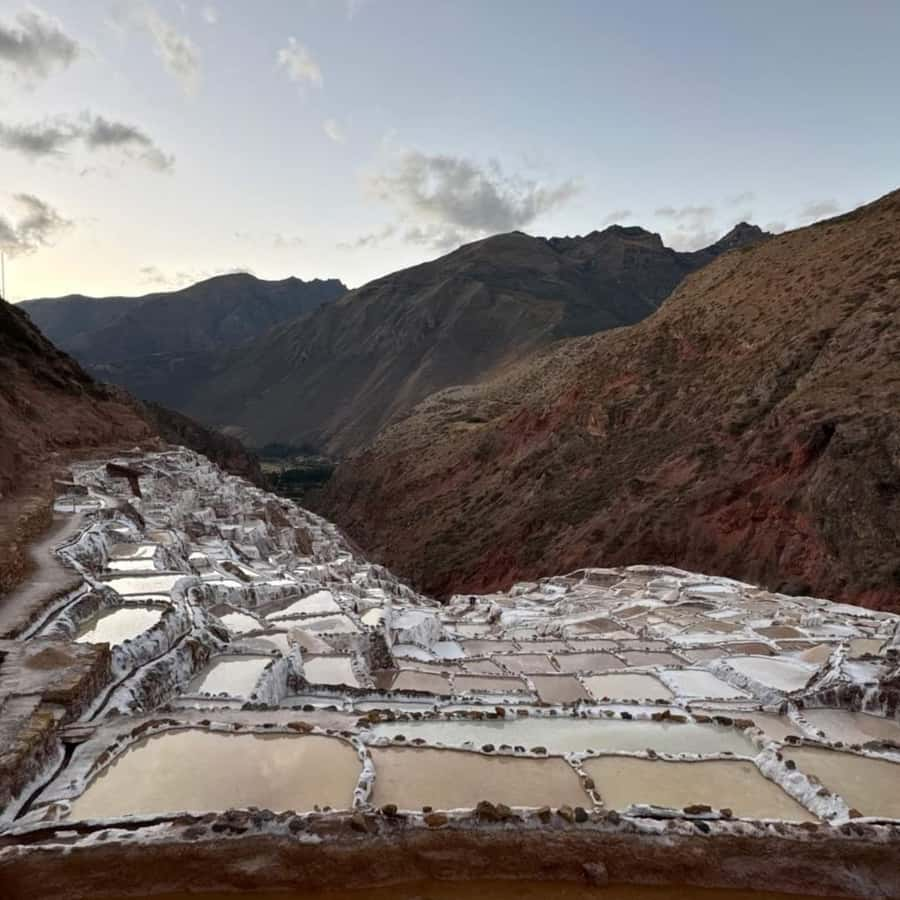
Maras Salt Mines are impressive because they’re active in the most literal way. You’re walking through or near a massive network of salt ponds, and the scale can hit you faster in person than it does in photos.
You’ll have a photo stop and guided sightseeing with time to explore. The salt ponds have been used since ancient times, and the guide will connect what you’re seeing to that long history.
This is one of the best places to slow down for a minute and just look at the details. The ponds create a geometric pattern across the hillside, and the light can change the colors as you move.
Tip for your comfort: bring a bit more water than you think you need. Even if you’re moving slowly, walking around a hillside area can add up in a long day.
Consideration: there are extra entrance costs for Maras salt. Budget for it so you’re not surprised at the ticket point.
Urubamba Buffet Lunch: A Real Break (and a Chance to Eat Local)
After several hours outdoors, lunch matters. The tour includes a buffet lunch in Urubamba, which gives you a chance to sit down, refuel, and keep the day moving without hunting for food on your own.
This is also where you can sample typical regional dishes. Buffet format is helpful when you’re tired or hungry fast, and it gives you options if you don’t want to commit to only one dish.
How to make lunch work for the rest of the day: don’t overdo it. You still need energy for the afternoon stops, plus the final viewpoints. If you’re heat-sensitive, aim for lighter portions and drink water.
Also, if you’ve been craving a break from altitude stress, eating a proper meal helps you steady your energy level, especially before you head to more walking and viewpoints later.
Ollantaytambo: Inca Town Energy and View-Driven Stops
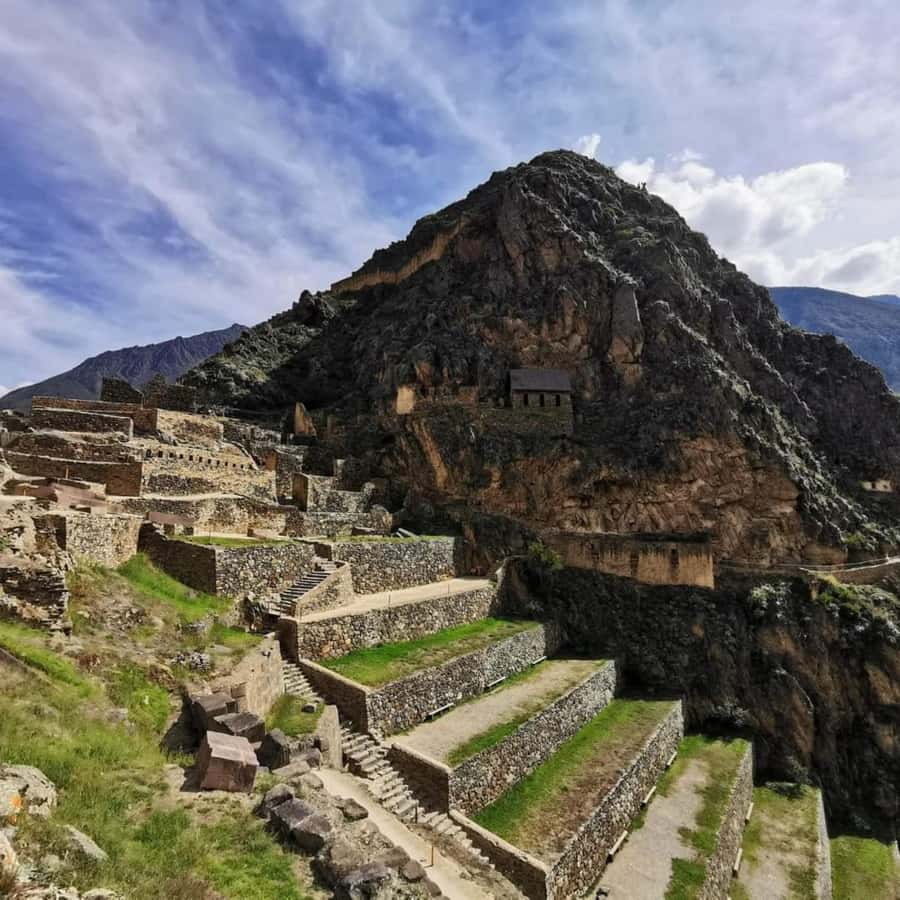
Ollantaytambo is one of those Sacred Valley places that feels like it has momentum. The guide-led visit plus sightseeing time helps you connect the town’s role and layout to the wider Inca story.
You’ll do a photo stop and a guided component, plus time to walk. The views from the area are a big part of why people get excited here, and the guide’s explanations help you see more than just stone walls.
What I like about Ollantaytambo on this kind of day: it’s a change of pace from ruins-only stops. It feels like an actual town with history layered on top, so you get both structure and atmosphere.
Watch your footing: you’ll be walking during this segment, so keep your shoes and pacing in mind.
Pisac and Sunset: When the Day Ends with the Right Kind of Calm
Pisac is a strong finish because it rewards patience. You’ll visit the upper part of the town with guided sightseeing and time to take in the scene. The timing is built for sunset, so you get that classic end-of-day light that makes the views feel more dramatic.
You’ll have photo time and guided context, then you can take in the sunset at a more relaxed pace than earlier in the day. This last segment is where the earlier facts start to feel connected: textiles, agricultural design, salt production, and Inca town planning all fall into the same regional picture.
Why this ending matters: after a jam-packed loop, a sunset finish turns “another stop” into a memory you’ll actually remember.
Price and Ticket Costs: What $32 Really Buys You
At $32 per person, this tour is priced for value—mainly because it includes transportation, a bilingual guide, and lunch. In a place like the Sacred Valley, those three things add up quickly if you plan everything independently.
That said, you need to budget for entrances:
- A tourist ticket is not included (about 70 soles / roughly $20)
- Maras salt entrance is not included (10 soles / roughly $5)
Breakfast isn’t included either.
So your day’s cost is really: tour price + entrance fees + anything you want to buy at stops. If you’re already planning to visit these places anyway, the bundled transport and guided context can be worth it.
My practical take: if you want maximum learning with minimal coordination, this price makes sense. If you already have tickets and you don’t care about guided explanations, you might prefer a more DIY approach. But for most people on a tight schedule, this one-day format is a smart trade.
Best Fit: Who Should Book This Tour
This tour is ideal if you:
- want to see multiple Sacred Valley highlights without planning separate logistics
- like guided explanations (especially for Chinchero textiles and Moray’s terrace purpose)
- appreciate a included lunch that keeps your afternoon from derailing
It’s not a great match if:
- you have back problems or need a low-walking, low-stairs day
- you use a wheelchair (the tour is not suitable for wheelchair users)
- you hate long days and prefer slow, deep exploration at fewer sites
Should You Book the Cusco Sacred Valley VIP Tour?
I think this is a good booking for anyone who wants the Sacred Valley greatest hits in one efficient day. The guide-led structure helps you understand what each stop is about, and the included buffet lunch prevents the day from turning into a “snack-only” slog. If you’re okay with a packed schedule and you budget for entrance tickets, you’ll likely come away feeling like the region made sense.
If you’re the type who needs lots of quiet time at one site, or you’re sensitive to walking on uneven ground, consider a slower, smaller-route alternative. But if you want breadth, context, and a sunset finish near Pisac, this route delivers.
FAQ
How long is the Sacred Valley VIP Tour from Cusco?
It’s a one-day tour, with a full-day schedule that includes several stops across the Sacred Valley.
What is included in the $32 per person price?
Transportation, a professional bilingual guide, and a buffet lunch are included.
Are entrance tickets included?
No. Entrance (tourist ticket) is not included (about 70 soles / around $20), and Maras salt entrance is also not included (10 soles / around $5).
Does the tour include lunch or breakfast?
Lunch is included as a buffet in Urubamba. Breakfast is not included.
Do I get picked up from my Cusco hotel?
Pickup is optional. If you want it, you coordinate pickup details via WhatsApp so the guide can find your hotel.
What languages does the guide speak?
The guide provides live interpretation in English and Spanish.
What should I bring for the day?
Bring comfortable shoes, a hat, a camera, sunscreen, and water.
Is the tour wheelchair accessible or suitable for back problems?
No. It’s not suitable for wheelchair users, and it’s also not suitable for people with back problems.
Is smoking allowed during the tour?
Smoking is not allowed.