REVIEW · JEJU PROVINCE
Jeju: Private VIP Day Tour with Tickets
Book on GetYourGuide →Operated by K ONE TOUR · Bookable on GetYourGuide
Jeju without the commuter stress. This private VIP day tour is built for comfort and control, with hotel transfers and a one-on-one licensed guide that keeps everything moving without the group-tour awkwardness. I like how you get a dedicated vehicle for your party, plus included tickets so you spend less time queueing and more time actually looking at what you came for.
The trade-off is simple: it’s a very full 9-hour day, and you’ll need to plan around what’s not included, especially meals and on-island transport once you’re on Udo.
In This Review
- Key things I’d bet on
- A Private VIP Jeju Day: Why It Feels Like You Have Control
- Price and Value: What $172 Covers (and Why It Adds Up)
- How the East, West, South, and North Courses Shape Your Day
- East Course: Seongsan Ilchubong, Black Sand, and Seopjiko’s Coastline Walk
- West Course: Hallim Park, Hyeopjae Beach, and the Osulloc Tea Feeling
- South Course: Columnar Joint, Jeongbang Waterfall, and Jungmun Shoreline
- North Course: Halla Mountain, Mysterious Road, and Dragon-Head Rocks
- Udo Island Ferry Day: One Included Step, One Choice You’ll Make
- Guides and Pace: What “Private” Really Changes
- Practical Tips for a Smooth 9 Hours on Jeju
- Should You Book This Jeju Private VIP Day Tour?
- FAQ
- How long is the Jeju private VIP day tour?
- What price should I expect to pay?
- Is the tour private, and how many people can join?
- What’s included in the tour price?
- What is not included?
- Do I get a guide, and what languages are available?
- Is Udo Island ferry service included?
- Is this tour wheelchair accessible, and can very young children join?
Key things I’d bet on
- Hotel pickup and drop-off so you don’t wrestle with buses and taxis all day
- Licensed English/Chinese/Korean guide for clear explanations and flexible pacing
- Private vehicle for 1–10 people which usually means fewer waiting games
- Four scenic course options (East, West, South, North) so you can match your interests
- Round-trip ferry to Udo Island included, plus you can choose your transport once there
- Admissions, parking, fuel, and tolls covered for easier value math
A Private VIP Jeju Day: Why It Feels Like You Have Control
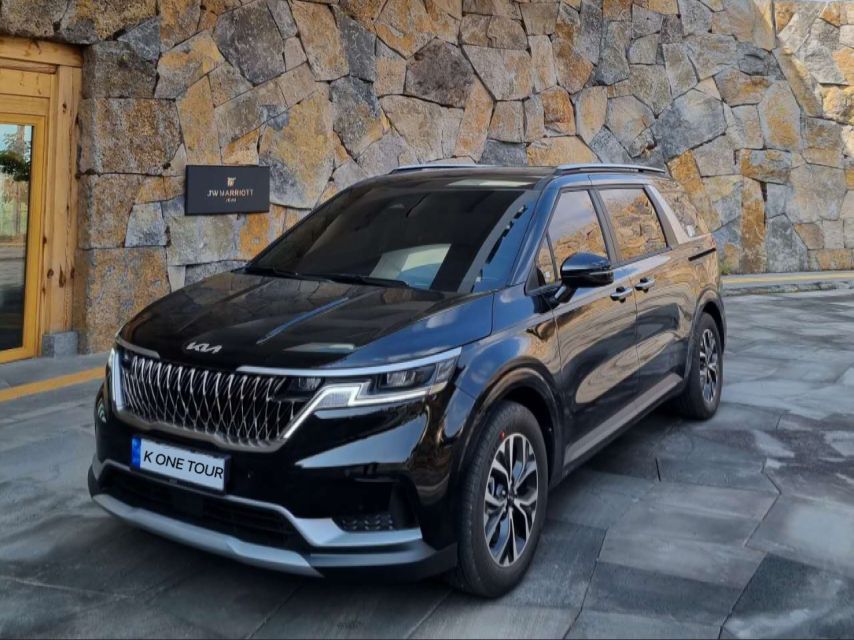
Jeju can chew up time. Long drives, frequent stops, and the kind of “see it, pose, move on” pace that feels less like sightseeing and more like inventory. This tour is designed to remove that friction. You’re not trying to coordinate a big group or solve route math in a car you don’t control.
The biggest win is the feeling of breathing room. With a private vehicle and a guide who talks you through what you’re seeing, the day becomes about the places, not the logistics. If you’re the type who wants to ask questions, pause for photos, or linger when something grabs your attention, the one-on-one service is exactly what you want.
Still, it’s not magic. You’re visiting multiple major sights in one day, so it stays fairly packed. Also, meals aren’t included, so you’ll want to think ahead about what kind of lunch experience you prefer.
Price and Value: What $172 Covers (and Why It Adds Up)
At $172 per person for a 9-hour private day, this is not a budget casual outing. But when you look at what’s folded in, the cost starts to make more sense.
Included items cover the stuff that usually piles up fast on Jeju: hotel pickup/drop-off, a private vehicle, admissions to the attractions on your route, plus practical costs like fuel, tolls, and parking. On top of that, you get round-trip ferry service to Udo Island. Those pieces are usually where “cheap” tours get expensive in a hurry.
The price makes most sense if you care about:
- reducing transit hassle (especially if you’re staying outside Jeju City)
- avoiding ticket lines at multiple stops
- keeping your day guided and efficient without feeling rushed
It may not be the best fit if you only want one or two stops and you prefer totally self-directed wandering. But if you’re aiming for a classic Jeju highlights day, this is built for that.
How the East, West, South, and North Courses Shape Your Day
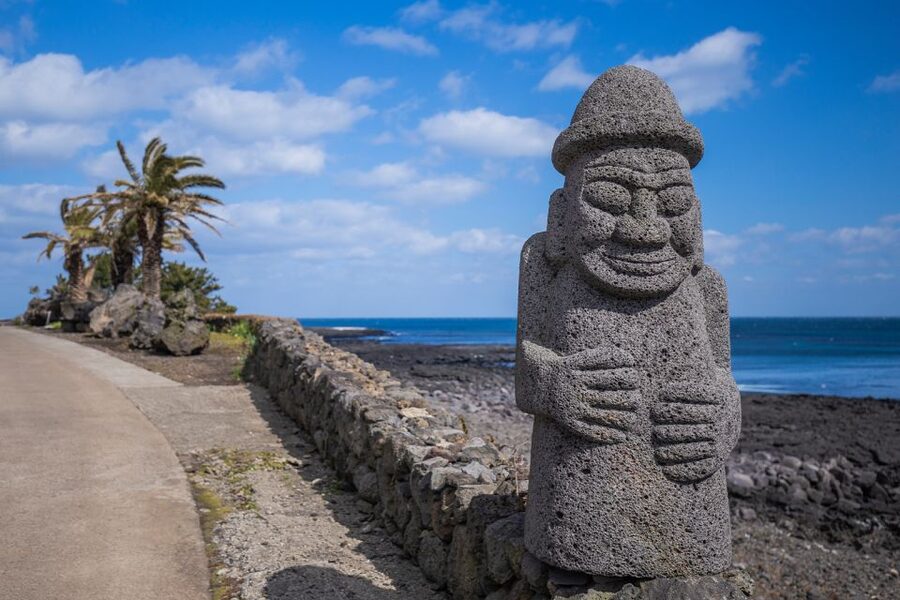
This tour runs as one private day, and your sightseeing path is organized into four course options: East, West, South, and North. Each course mixes UNESCO-level landmarks with Jeju-specific stops that feel more local than generic sightseeing.
What I like about the structure is that it helps you avoid the common mistake: trying to do too much of the island at once. With one course, you can focus your camera on a theme—volcanic geology, coastal drama, traditional village life, or mountain-and-rock landmarks—and your guide can pace the day around that.
Here’s the best way to decide:
- Pick East if you want UNESCO volcanic scenery and dramatic coastal walks.
- Pick West for gardens, tea country, and a slower-feeling island outing.
- Pick South for waterfalls, columnar formations, and classic Jeju shoreline views.
- Pick North if you want the biggest mountain vibe and optical-illusion oddities.
East Course: Seongsan Ilchubong, Black Sand, and Seopjiko’s Coastline Walk
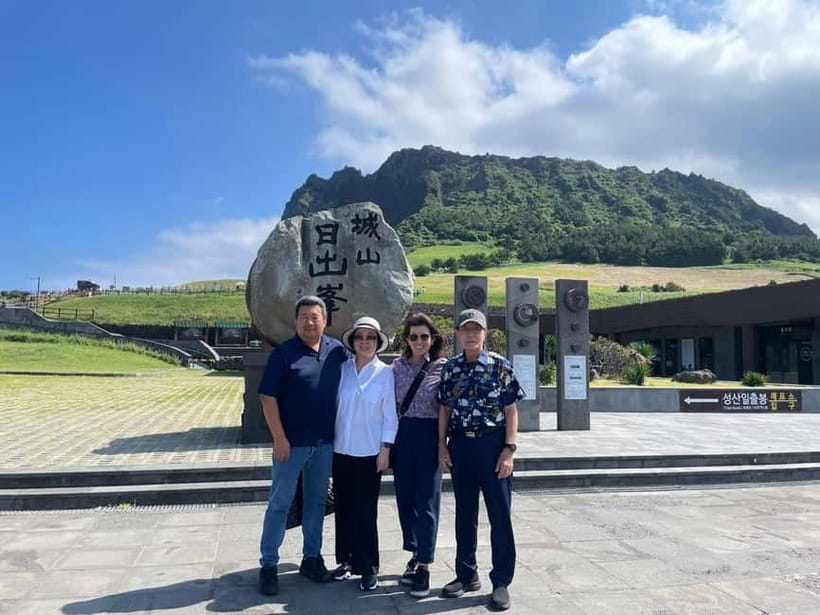
If your East course starts with Seongsan Ilchubong, you’re kicking off with a major Jeju icon and a World UNESCO site. This is one of those places where the scenery feels instantly “Jeju,” and it’s an easy anchor for the whole day. Your guide can help you time it so you’re not just standing there staring at a landmark—more like understanding what you’re looking at.
Next, Gwangchigi Beach is a sensory shift: a black sand beach. Black sand isn’t rare in the world, but Jeju’s version gives the shoreline a different mood than you’ll see on typical tourist beaches.
Then comes Cape Seopjiko, where the key draw is a coastal walkway with a “trench” feel and the extra bonus of being known as a k-drama filming location. Even if you’re not hunting filming spots, the coastline view tends to keep people interested because the cliffs and ocean shape the photos.
A more cultural stop follows at Seongeup Folk Village, known for its traditional tatched cottages and the way it reflects Jeju people’s old ways. The payoff here is contrast: you’ll go from volcanic and coastal scenery into daily-life history in a place that visually holds that story.
Finally, Iichul land adds a playful, thematic break. It includes attractions like the Micheon lava cave, stone-styled displays, and a cactus greenhouse, which is nice if you want variety instead of only nature viewpoints.
One practical consideration for East: it’s coastal and scenic, so weather changes can affect comfort. Bring a light layer and plan for wind.
West Course: Hallim Park, Hyeopjae Beach, and the Osulloc Tea Feeling
West Jeju leans scenic but also gives you a “slow down and wander” option. Hallim Park is often the center of gravity. It’s Jeju’s largest garden park with eight themes, including lava caves, stone features, and a bonsai area. If you like structured strolling with lots to look at, it’s a good base.
Then you head to Hyeopjae Beach, described as one of the top three beaches in Jeju. The main value isn’t just the water view—it’s that your day shifts from garden themes back to open shoreline.
Osulloc Tea Field and Museum turns the pace even more relaxed. The big reason people enjoy it is the photo-friendly backdrop: endless green tea fields that give you that classic Jeju horizon feel. The museum part adds context, so it’s not only pictures. Still, if you’re visiting in peak crowds, expect to share the viewpoint.
Finish with Yongmeori Coast, a UNESCO Geopark area named because the beach looks like a dragon jumping into the ocean. That “dragon” detail matters because it gives you a focal point for looking, not just general scenery. You’ll know what to aim for.
And if your West route includes Mt. Sanbangsan (395 m, a trachytic lava dome and part of the UNESCO Global Geopark), you get the “Jeju geology” payoff in a mountain form. It’s a good move for travelers who like natural features but want something more dramatic than a short scenic stop.
South Course: Columnar Joint, Jeongbang Waterfall, and Jungmun Shoreline
South Jeju is built for wow moments. Start with Columnar Joint, a UNESCO Geopark stop described as the largest columnar rock formation created by a lava explosion in Korea. This is one of those places where the shapes are what you came to see—order, repetition, and geology that looks human-made.
Next, Jeongbang Waterfall is a standout because it’s the only waterfall in Asia where the water goes directly into the ocean. That detail changes how you experience it. You’re not just watching a waterfall drop—you’re also tracking where it meets the sea, which makes the whole scene feel bigger and more dramatic.
A beach day follows at Jungmun Beach, noted for pristine sand, clear water, and striking cliffs. If you want classic Jeju shoreline scenery without complicated planning, this is a strong choice.
Then you shift into spirituality and history at Yakcheonsa Temple, described as the largest Buddhist temple built in the Joseon dynasty. The advantage of this stop is pacing: it gives your eyes a calmer visual rhythm after the high-impact geology and the waterfall.
The route can also include Oedolgae Rock, known as the rock of a grandmother waiting for her husband to return, with an Olle route connection (Olle route 7). Stories like this are helpful because they give meaning to what you’re seeing, especially if you like your travel with a little human context.
South has a practical reality: it’s a lot of major sights in a line. If you’re sensitive to walking distances, tell your guide what pace you prefer early.
North Course: Halla Mountain, Mysterious Road, and Dragon-Head Rocks
North Jeju feels different: more “big island” energy and more odd, memorable landmarks. Halla Mountain is the anchor here, labeled as the highest and most famous mountain in Korea and a World UNESCO site. Even if you don’t plan intense hiking, the mountain presence shapes the mood of the day.
Then there’s the fun weirdness of Mysterious Road, an optical illusion road in Jeju. It’s popular for a reason: it turns your brain into part of the attraction, and it’s a quick stop that can reset your energy.
Yongduam Rock is another standout for visual storytelling. It’s described as volcanic stone shaped over time by sun, water, and wind into a dragon-head rock. Again, the detail helps: you’re not just looking at a rock; you’re looking at a specific form with a reason behind it.
A coastal break can include Ihoo Beach, near Jeju City downtown, where you can see a red horse-shaped lighthouse. And yes, it has a pop-culture connection through a BTS Jimin visit, which is exactly the kind of note that helps certain travelers feel instantly oriented.
If your North course includes Dodu rainbow coastal road, you get a colorful, human-made visual contrast: rainbow-painted concrete blocks stretching 1.2 km with turquoise sea views. It’s a bright, easy photo stop that keeps the day from being only serious scenery.
North is ideal if you want a mix of UNESCO, optical illusion oddity, volcanic story rocks, and easy coastline views close to Jeju City.
Udo Island Ferry Day: One Included Step, One Choice You’ll Make
A key part of this tour is the round-trip ferry to Udo Island. That included ride can save you time and decision-making, especially if you’re trying to juggle ferry schedules on your own.
But there’s an important second half: transportation on Udo Island (electric bike or scooter) isn’t included. That means you’ll either rent and drive yourself around the island or rely on whatever local option makes sense that day.
Here’s how to make it easy for yourself:
- If you like independence, plan on renting an electric bike or scooter.
- If you’re not comfortable with that, talk to your guide about what options typically work best once you’re there.
Also, because Udo is an extra island segment inside a fixed 9-hour day, it helps to stay flexible. The ferry timing and the time you want to spend on Udo will shape how much you can slow down elsewhere.
Guides and Pace: What “Private” Really Changes
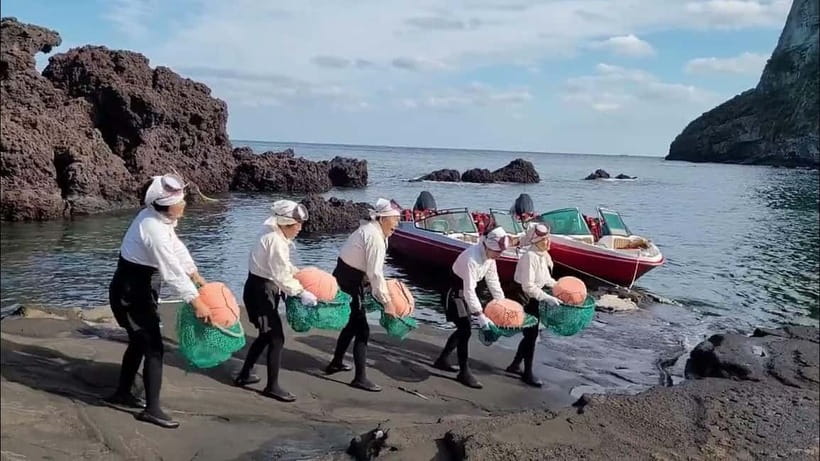
Private touring isn’t just about avoiding other people. It’s about time. With a licensed English/Chinese/Korean guide and a private vehicle, you get a rhythm that feels smoother: fewer waits, fewer misunderstandings, and more chances to ask why a place looks the way it does.
The guide quality shows up in how the day feels. In example cases, guides like David and Michelle have been praised for being professional, friendly, and able to answer questions clearly while still leaving you enough time to explore. Daicy has also been highlighted for making explanations easy and for sharing a real love for Jeju. When a guide can do that, you stop treating attractions like checkboxes and start experiencing them as places with meaning.
For you, that usually means two things:
- You spend less time asking the basics and more time using your eyes.
- You get better photos because you know where to stand and what angles people miss.
Practical Tips for a Smooth 9 Hours on Jeju
This kind of tour works best when you travel light and think about comfort. A few practical notes that matter on Jeju:
- Wear shoes you can trust on uneven ground. Beaches and coastal viewpoints can be a little slick or windy.
- Bring a light layer even if it feels warm. Coastal stops tend to change the temperature fast.
- If you bring luggage, inform the operator when you’re picked up, so your setup in the vehicle is handled smoothly.
- If you’re dealing with WhatsApp communication, keep your phone ready. The team contacts you via WhatsApp the day before, and if you do not receive a message until 8 pm, you’re expected to reach out.
Also, since meals are not included, decide whether you want a sit-down lunch, a quick bite, or a snack strategy. If you wait until you’re hungry, you lose time to stress.
And one more tip: you’re on a private day tour, but it’s still a route. Let your guide know your priorities early, like which stop you’d hate to miss versus the one you can treat as optional if timing gets tight.
Should You Book This Jeju Private VIP Day Tour?
Book it if you want a high-efficiency Jeju day that still feels personal. This is a strong fit for couples, small families (including kids on a private schedule), and anyone who wants UNESCO-level sights, volcanic scenery, and coastal highlights without the hassle of building transport and ticket plans.
Skip it if your dream Jeju day is slow and local, with lots of spontaneous wandering, because this tour is built around structured stops and a single 9-hour flow. Also, remember that meals aren’t included, so you’ll want a plan.
If your idea of a perfect day is: car comfort, a real guide, included admissions, and a ferry to Udo that removes one big logistics headache, then this is a smart choice.
FAQ
How long is the Jeju private VIP day tour?
The duration is 9 hours.
What price should I expect to pay?
The listed price is $172 per person.
Is the tour private, and how many people can join?
It’s a private group for 1 to 10 people.
What’s included in the tour price?
Included: admissions to attractions, a professional licensed Chinese/English guide, hotel pickup and drop-off, private vehicle, round-trip ferry to Udo Island, fuel fees, toll fees, and parking fees.
What is not included?
Meals are not included, and transportation on Udo Island (electric bike or scooter) is also not included. Personal expenses are not included.
Do I get a guide, and what languages are available?
Yes. A live guide is provided, with English, Chinese, and Korean available.
Is Udo Island ferry service included?
Yes, round-trip ferry to Udo Island is included.
Is this tour wheelchair accessible, and can very young children join?
It is wheelchair accessible. Children aged 0 to 2 can join for free as long as they do not occupy a separate seat.