REVIEW · ROME
Rome: Appian Way and Catacombs VIP Tour with Hotel Pickup
Book on GetYourGuide →Operated by Parisa in Rome · Bookable on GetYourGuide
Catacombs and cobblestones, all in one tour. I love the private guide who turns scattered details into one clear story, and you’ll love the Via Appia Antica walk with the kind of context that makes those stones feel like more than just scenery. It’s a tight 3-hour mix of early Christian sites and one of Rome’s most famous roads, with hotel pickup to keep your day from getting tangled in traffic.
One thing to think about: the Appian Way time is limited. If you want a long, slow, photographer’s-only stroll, you might find this schedule a bit brief and plan an extra self-guided walk later.
In This Review
- Key Highlights Worth Booking
- Why Catacombs of St. Callixtus and the Appian Way Fit Together
- Hotel Pickup and Private Transport Without Rome Confusion
- Catacombs of St. Callixtus: Frescoes, Sculptures, and Gold-Glass Medallions
- Via Appia Antica Walk: The Road Toward Brindisi
- Maxentius Villa, Domine Quo Vadis, and Porta San Sebastiano
- Villa di Massenzio
- Church of Domine Quo Vadis
- Porta San Sebastiano
- A Private English Guide Makes It Stick
- Price and Value: What $68 Buys in 3 Hours
- Practical Tips for This Underground and Cobblestone Mix
- Who This VIP Tour Is For (and who should skip)
- Should You Book This VIP Catacombs and Appian Way Tour?
- FAQ
- How long is the Rome Appian Way and Catacombs VIP Tour?
- Does the tour include hotel pickup, and what vehicles are used?
- Is entry to the catacombs included?
- What language is the live tour guide?
- Is this tour accessible for wheelchair users?
- Is there a private group option?
- Is cancellation allowed if my plans change?
Key Highlights Worth Booking
- Hotel pickup by Mercedes E-class or mini van so you start relaxed instead of wrestling for transit
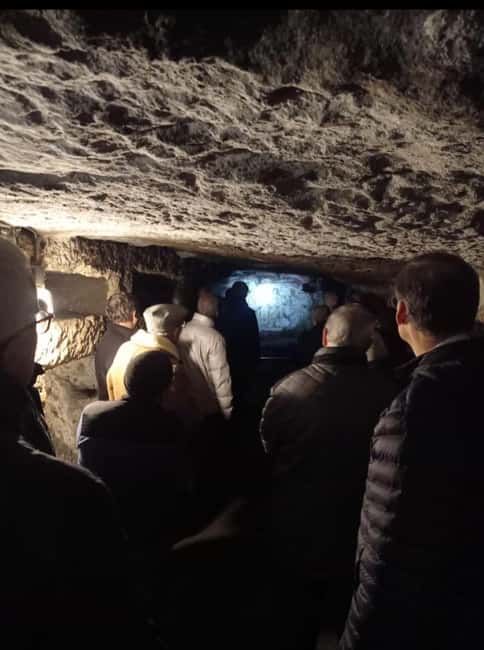
- Catacombs of St. Callixtus entry included plus a guided visit focused on what you’re seeing
- Early Christian art details such as frescoes, sculptures, and gold-glass medallions dating to 400 AD
- Walking on the Via Appia Antica—a road tied to Rome’s expansion and travel toward Brindisi
- Extra stops that add variety (Villa di Massenzio, Domine Quo Vadis, and Porta San Sebastiano)
- Private group tour in English with a guide who can adapt to your pace
Why Catacombs of St. Callixtus and the Appian Way Fit Together
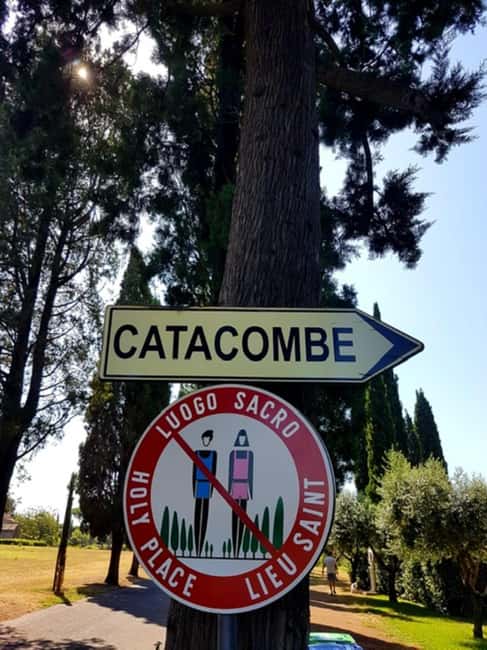
This tour works because it connects two very different sides of Rome. Underground, you get an early Christian world shaped by art and ritual. Above ground, you walk a road that helped Rome move people, goods, and power across long distances.
And the pairing makes practical sense: both areas are outside the usual “postcard core,” so having pickup and a guide saves you time. In just 3 hours, you see how Rome’s story runs from belief and burial customs to infrastructure and empire.
You can also read our reviews of more tours and experiences in Rome.


Hotel Pickup and Private Transport Without Rome Confusion
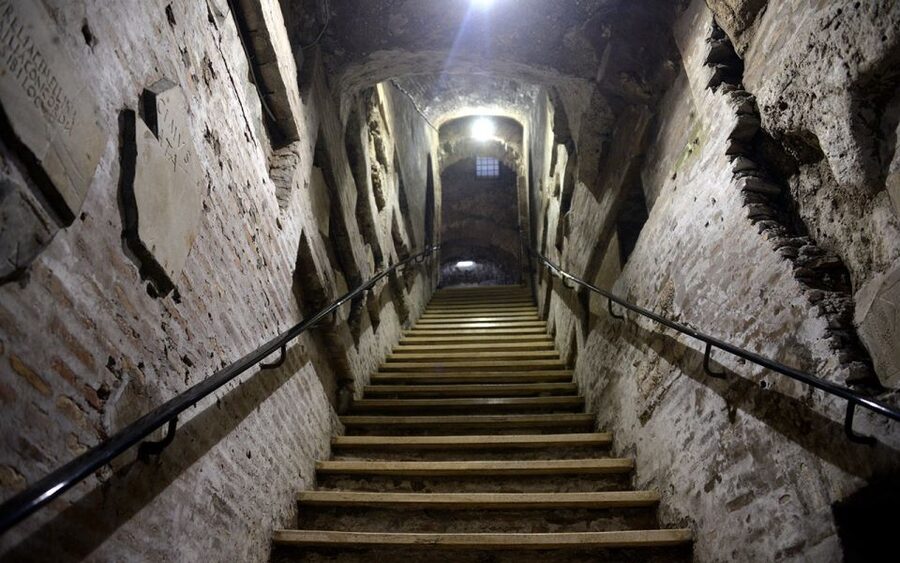
Rome can be easy until it isn’t. Getting to the Appian Way and catacombs on your own often means juggling buses, schedules, and the classic Rome question: where exactly do we meet?
Here, you get pickup, carried out in a Mercedes E-class or mini van, which is a big quality-of-life win. The tour also has the feel of a private outing, not a crowded cattle-line experience, so your guide can keep the day moving without losing the plot.
Duration matters too. At 3 hours, this tour is designed to fit into a busy itinerary, but it still includes entry into the catacombs (not just a drive-by). That’s the kind of time-saving you can actually feel.
Catacombs of St. Callixtus: Frescoes, Sculptures, and Gold-Glass Medallions
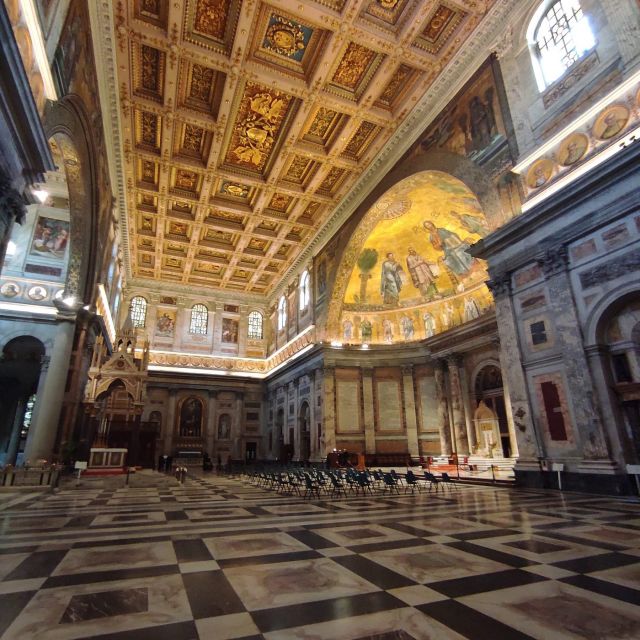
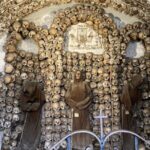
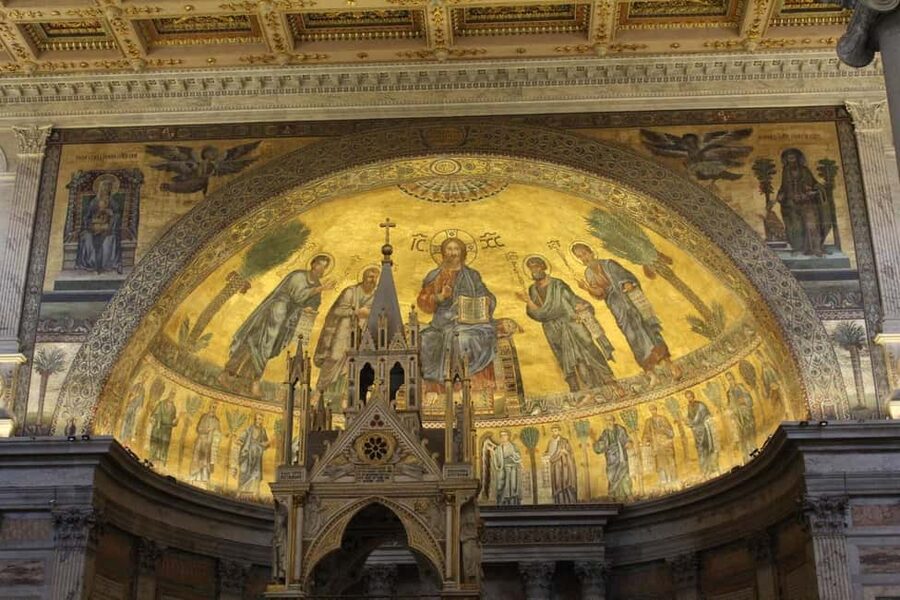
The standout here is the Catacombs of St. Callixtus and the focused way you’re guided through them. You’re not only “walking in dark tunnels.” You’re learning what early Christian art looked like underground—frescoes, sculptures, and the remnants of gold glass medallions from around 400 AD.
That 400 AD detail is the kind that makes the visit click. You can see how belief expressed itself through images and objects, even in a place built for burial. A guide helps you connect the visuals to the bigger story, so you don’t just see artwork—you understand why it matters.
There’s also a useful mix of photo stops and guided viewing. The route keeps you from rushing, which matters in spaces where you want to look closely. One review note does suggest the catacomb narration could be a bit more polished, so if you’re picky about commentary length and depth, keep your expectations realistic for a short, timed tour.
Via Appia Antica Walk: The Road Toward Brindisi
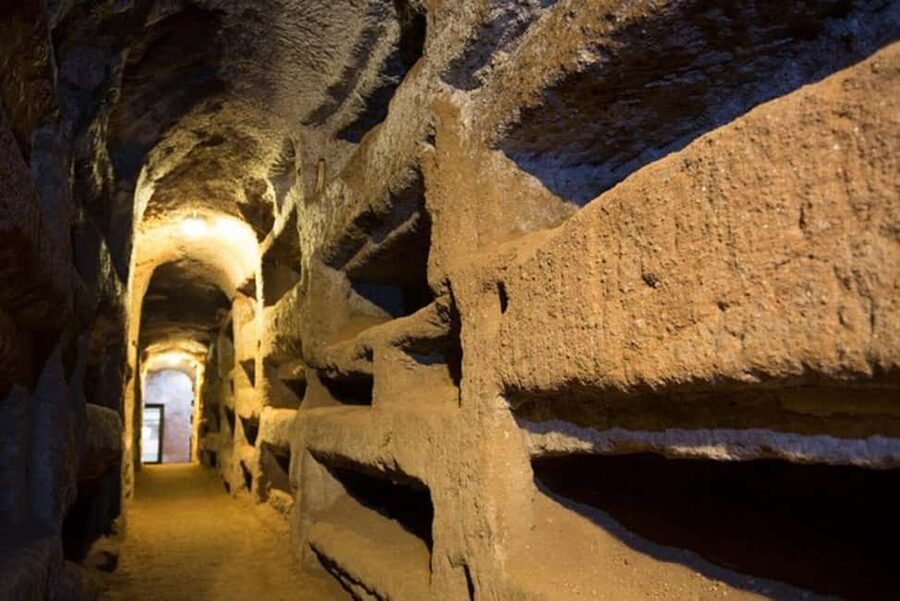
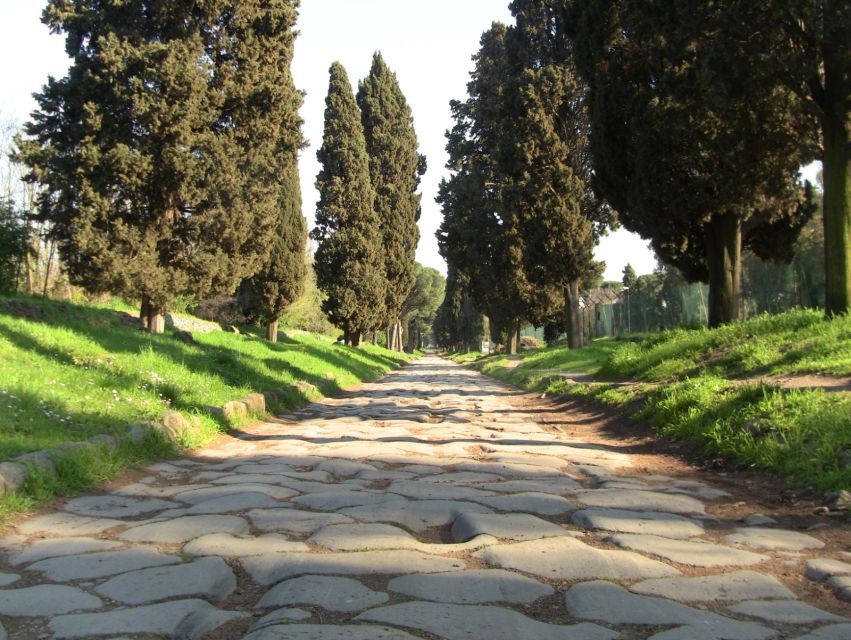
Then you move onto the Via Appia Antica, and the mood changes fast—in a good way. This is one of Rome’s earliest major roads, built for serious travel and strategy. It connected Rome to Brindisi, and the road’s importance shows up in how it’s remembered and described.
With a guide, the Appian Way becomes more than old cobblestones. You learn how ancient travelers would have experienced the route, and you get literary context too—like the poet Statius mentioning the road. That kind of detail turns “walk the road” into “walk a chapter.”
The schedule includes a photo stop and a walk along the Appian Way, plus scenic views while you’re moving between points. Just remember the timing: one review specifically wished for more time on the Appian Way itself. So if your priority is maximum time on the road, this is more of a best-of introduction than a full-day pilgrimage.
Maxentius Villa, Domine Quo Vadis, and Porta San Sebastiano
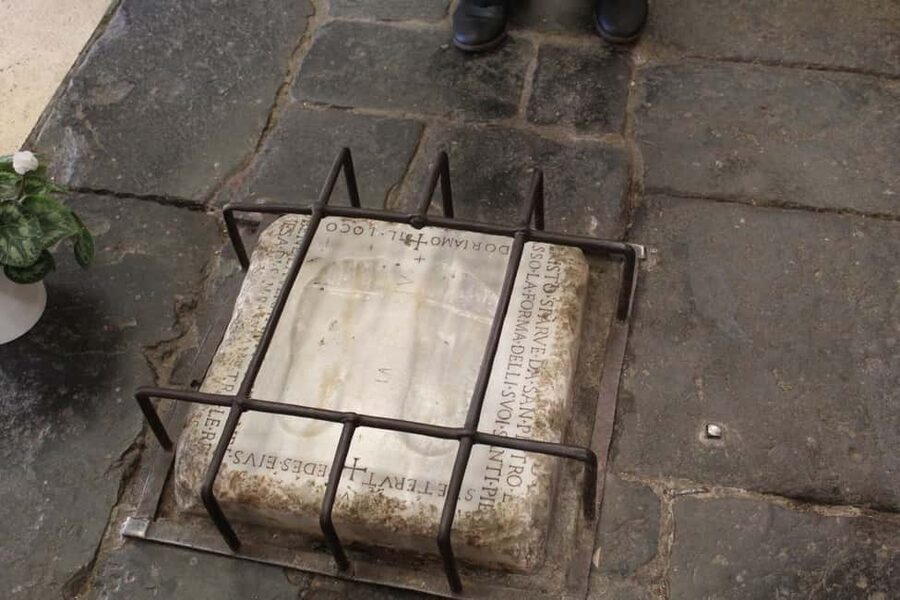
One reason I like this tour style is that it doesn’t spend all your time in only two places. Along the way, you get several famous stops that round out the Roman picture.



Villa di Massenzio
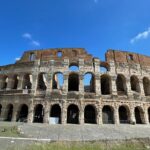
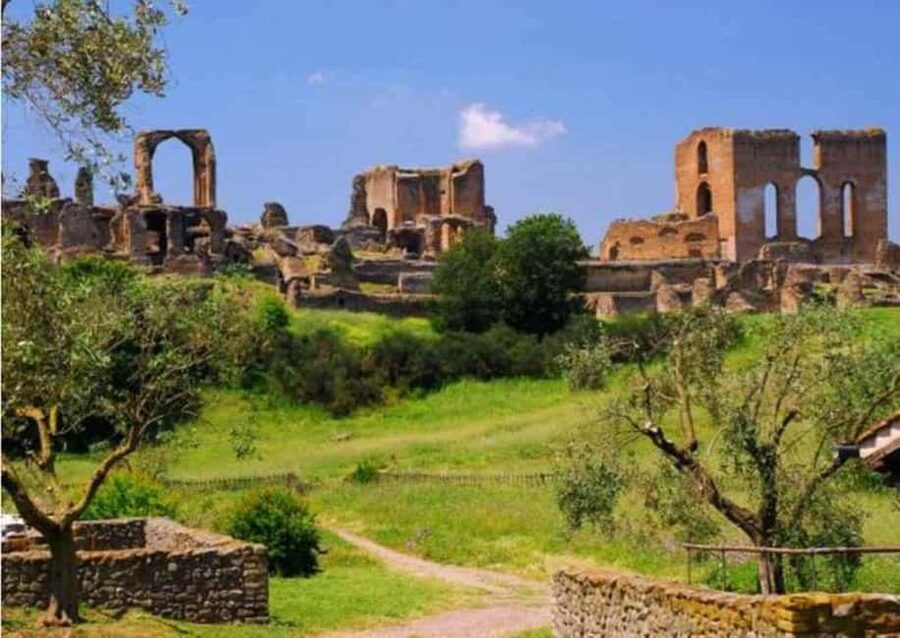
You’ll make a photo stop and do a short walk around Villa di Massenzio (the Villa of Maxentius). Even when the visit is brief, it gives you a sense of how grand Roman power structures were built, and it adds contrast right after the spiritual setting of the catacombs.
Church of Domine Quo Vadis
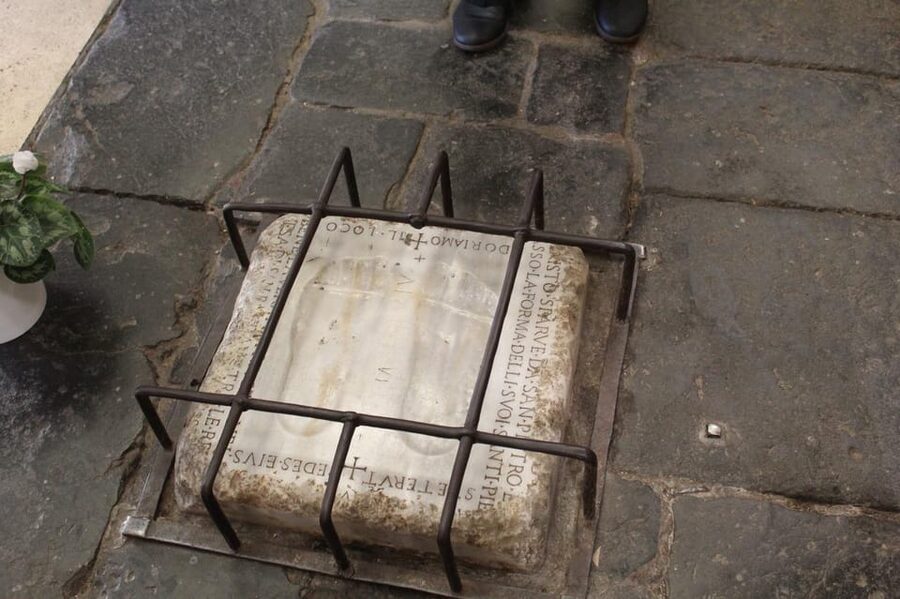
Next is the Church of Domine Quo Vadis, with a visit and sightseeing time. It’s a reminder that Rome’s religious storytelling didn’t only happen underground. The tour uses this stop as a bridge between “places of faith” across time.
Porta San Sebastiano
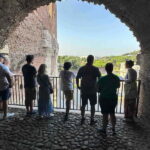
Finally, you reach Porta San Sebastiano, again with sightseeing and photo time. City gates are one of my favorite Rome features because they’re functional architecture with a dramatic backstory. Seeing one of the older gates on an efficient route helps you understand the city’s shape without spending hours searching for it.
A Private English Guide Makes It Stick
The private part isn’t just about avoiding crowds. It’s about attention—what the guide emphasizes and how they connect details.
English is included, which matters in Rome. A guide who can explain what you’re seeing as you see it prevents that “I took pictures but missed the meaning” feeling.
From the bookings, guide quality comes up again and again. One guide named Constantin was specifically praised for taking people to the announced stops and also pointing out another church that might otherwise be missed. That’s the kind of small, practical knowledge that you can’t easily replicate on your own with an audio app.
There’s also praise for a guide who keeps things organized and on schedule—helpful when you only have 3 hours and several stops. And in one note, the guide was described as confident and capable, with everyone visiting the planned sights within the allotted time.
Price and Value: What $68 Buys in 3 Hours
At $68 per person, this isn’t a budget “walk and hope” experience. But you’re also paying for several value pieces that add up quickly in Rome: hotel pickup, private transportation, entry to the catacombs, and a guided experience in English.
If you were doing parts of this alone, you’d spend time figuring out transport and then still pay for entry. Here, the structure is set, and the tour is designed to be efficient without turning into a drive-through.
Also, the transport quality is a plus. The pickup vehicle is noted as highly rated, with 100% perfect transport scores in the feedback provided. That matters because comfort and timing can make a big difference on a day that includes underground walking.
Practical Tips for This Underground and Cobblestone Mix
This tour includes underground spaces and historic walking surfaces, so a few basics help you enjoy it more.
Wear comfortable walking shoes. The Appian Way is famous for cobbles, and catacombs are not the place for flimsy soles. Bring a camera if you like photos, but also give your eyes a chance—some details in early Christian art are easier to absorb when you slow down for a minute.
Plan your expectations for time. With multiple stops—catacombs, Appian Way walk, and then Villa di Massenzio, Domine Quo Vadis, and Porta San Sebastiano—you’re not going to linger forever. If you want extra time at just one location, use the guided moment for the key story, then add time on your own later.
Finally, since it’s a private English guide, come with one or two questions. For example: What makes St. Callixtus important compared to other catacombs? How did the Via Appia shape travel toward Brindisi? Those questions usually get better answers with a live guide than with a phone screen.
Who This VIP Tour Is For (and who should skip)
This is a strong fit if you want a guided “two-in-one” Rome experience that covers both early Christian art and the Appian Way in a short window.
You’ll likely enjoy it if:
- You want a private group experience instead of a large crowd tour
- You care about explanations, not just sightseeing
- You have limited time and want hotel pickup to handle the heavy lifting
You might skip it if:
- You want a long, extended walk on the Appian Way (the scheduled time is fairly tight)
- You rely on wheelchair access, since the tour is not suitable for wheelchair users
If your goal is pure time on-site with minimal structure, you may feel constrained. But if your goal is “best of the key sights with a guide,” this format works.
Should You Book This VIP Catacombs and Appian Way Tour?
I’d book this if you want a smooth, guided introduction to two of Rome’s most meaningful settings: the Catacombs of St. Callixtus and a walk along the Via Appia Antica. The combination of entry included, hotel pickup, and a live English guide makes the day feel efficient without losing the story.
Before you hit confirm, decide how you feel about time. If your top priority is maximum wandering on the Appian Way, look for a longer option. If you want a well-paced sampler with multiple landmark stops and a guide who can add real context, this 3-hour VIP package is a solid value.
FAQ
How long is the Rome Appian Way and Catacombs VIP Tour?
The tour lasts 3 hours.
Does the tour include hotel pickup, and what vehicles are used?
Yes. Pickup is included, using a Mercedes E-class or a mini van.
Is entry to the catacombs included?
Yes. Entry ticket to the Catacombs of Saint Callixtus is included.
What language is the live tour guide?
The live tour guide is in English.
Is this tour accessible for wheelchair users?
No. The tour is not suitable for wheelchair users.
Is there a private group option?
Yes. The tour is listed as a private group.
Is cancellation allowed if my plans change?
Free cancellation is available up to 24 hours in advance for a full refund.