REVIEW · ROME
Rome: Castel Sant’Angelo and Hadrian’s Tomb Guided VIP Tour
Book on GetYourGuide →Operated by Tour in the City - Travel Agency Rome - · Bookable on GetYourGuide
Castel Sant’Angelo has a way of pulling you in. One part ancient tomb, one part fortress, one part Roman drama. This VIP small-group tour is built to get you inside fast and keep you oriented with an expert guide focused on the big stories and the clever details.
I love how much you see in just 1.5 hours, from Emperor Hadrian’s original tomb to later papal and military chapters. I also like the photo-friendly stops, especially when the guide helps you position yourselves around the best view points and courtyard angles.
One drawback to plan for: this isn’t wheelchair accessible, and there’s a moderate amount of walking on uneven castle surfaces.
In This Review
- Key points worth knowing
- Castel Sant’Angelo: Hadrian’s Tomb, Then a Fortress for Power
- Getting In Fast: VIP Entry and a Small Group That Actually Works
- Inside the Castle: Adrian’s Tomb and the Papal Storyline
- Michelangelo’s Courtyard and the Castle’s Practical Theater
- Panoramas From the Terrace: Rome, the Tiber, and the Photo Angles
- What This Tour Really Gives You for $94
- What’s Not Part of This Stop: Passetto di Borgo
- Practical Tips Before You Go (So the Castle Feels Fun)
- Should You Book This Castel Sant’Angelo VIP Tour?
- FAQ
- How long is the Castel Sant’Angelo guided VIP tour?
- What’s the group size for this experience?
- Where is the meeting point?
- Is there an option for headsets?
- What is included in the price?
- What isn’t included?
- Is the tour wheelchair accessible?
- What items are not allowed during the tour?
- Can I cancel for a refund?
Key points worth knowing
- Swift access helps you avoid the slow shuffle and get to the good rooms faster
- A professional art historian guide keeps the story clear and visual, not just dates and names
- Headsets are provided for groups over 8, so you hear every key explanation
- You’ll see standout moments like Adrian’s tomb and the papal areas, plus courtyards and terraces
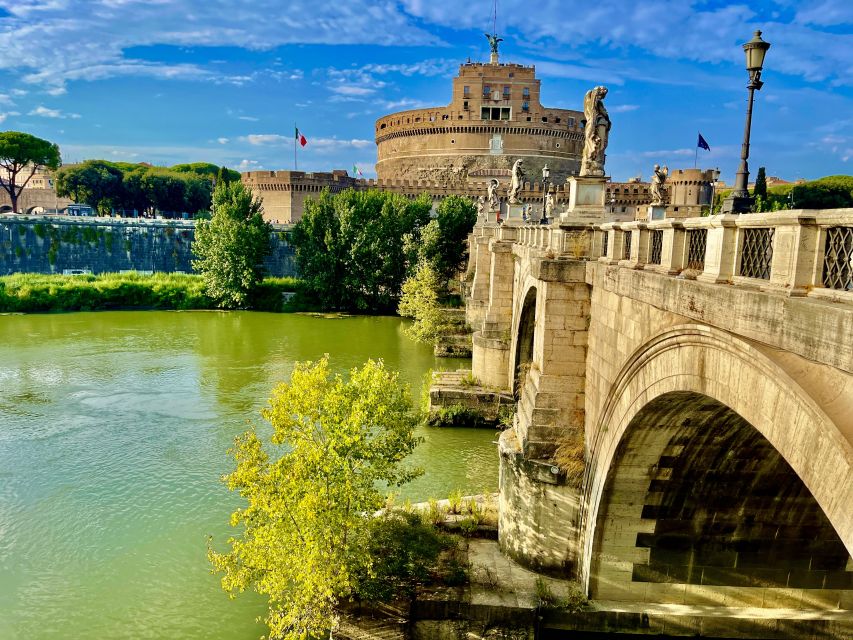
- The castle’s setting by the Tiber River adds extra value to the panoramic stops
Castel Sant’Angelo: Hadrian’s Tomb, Then a Fortress for Power
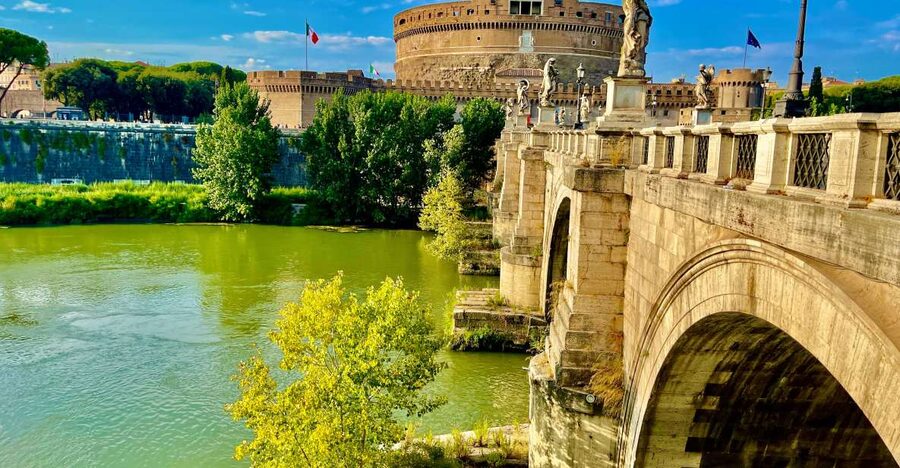
Castel Sant’Angelo starts life with a simple idea: Emperor Hadrian wanted a monumental burial place. Over time, that purpose changed, and the building became a fortress tool for whoever held Rome’s levers—later including popes and state institutions. That role-shift is what makes this place feel alive, even when you’re standing in stone that old.
On this tour, you’re not just looking at walls. You’re learning how the structure supported very different jobs: private residence, treasury space, prison space, and even an execution site. When you understand that, the castle’s layout makes more sense, and the rooms feel less random.
You can also read our reviews of more tours and experiences in Rome.

Getting In Fast: VIP Entry and a Small Group That Actually Works
This is built for people who hate wasting time. With swift access tickets, you move through entry in a more efficient way than the typical walk-up crowd experience.
You’ll meet your guide just outside the entrance, holding a sign that reads Tour in the City, and you should arrive about 15 minutes early. It’s smart to do this—castles run on schedules and short waiting times.
The tour runs with a maximum of 10 people, which is a big deal in a place where hallways and stairways can get tight. When the group is over 8, you’ll get headsets so you can hear the guide clearly without craning your neck or competing with other languages.
Inside the Castle: Adrian’s Tomb and the Papal Storyline
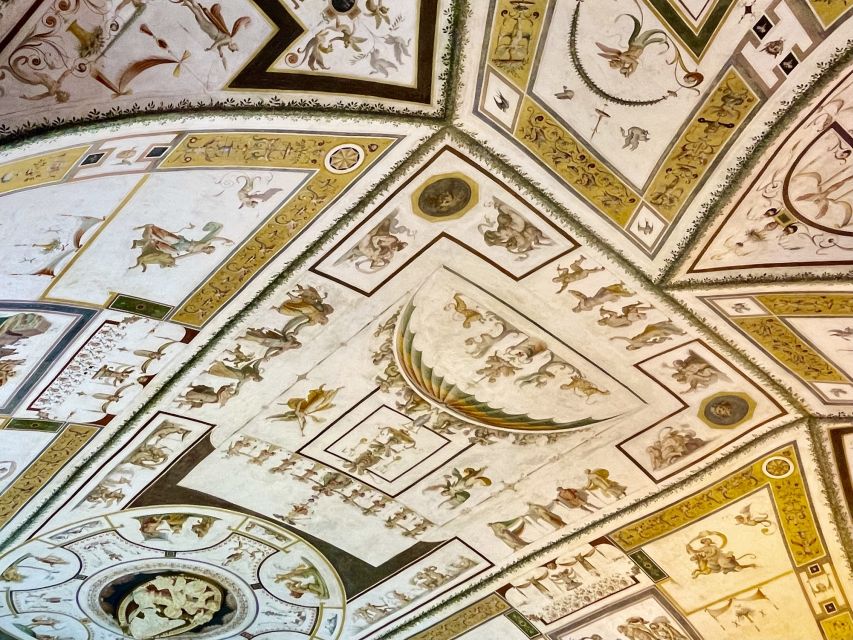
The best way to experience Castel Sant’Angelo is in the sequence of its changing identities. You start by following your guide from the entrance areas into the parts that connect to Emperor Adrian’s original tomb concept, then move into later uses that transformed the vibe.
Emperor Adrian’s tomb is one of the headline sights for a reason. You’re not only seeing a famous chamber or location—you’re seeing how a ruler’s final statement became a platform for later authority. The art historian guide ties those changes to what you’re looking at, so the story stays concrete.
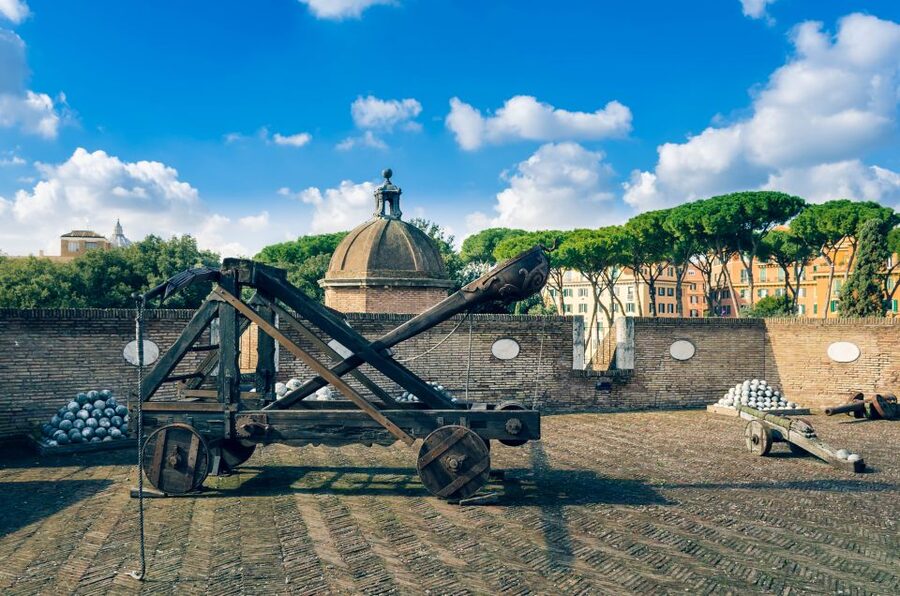
From there, you head into areas associated with the papal presence. The papal apartments and the bastion areas matter because they show how the building turned into a working fortress for people who weren’t trying to be merely ceremonial. You start noticing defensive thinking: vantage points, circulation, and how spaces link to movement and control.
This is also where the guide’s pacing helps. If you’re the type who gets restless in long museum routes, the structure of this tour keeps you moving while still giving meaning to each stop.
Michelangelo’s Courtyard and the Castle’s Practical Theater
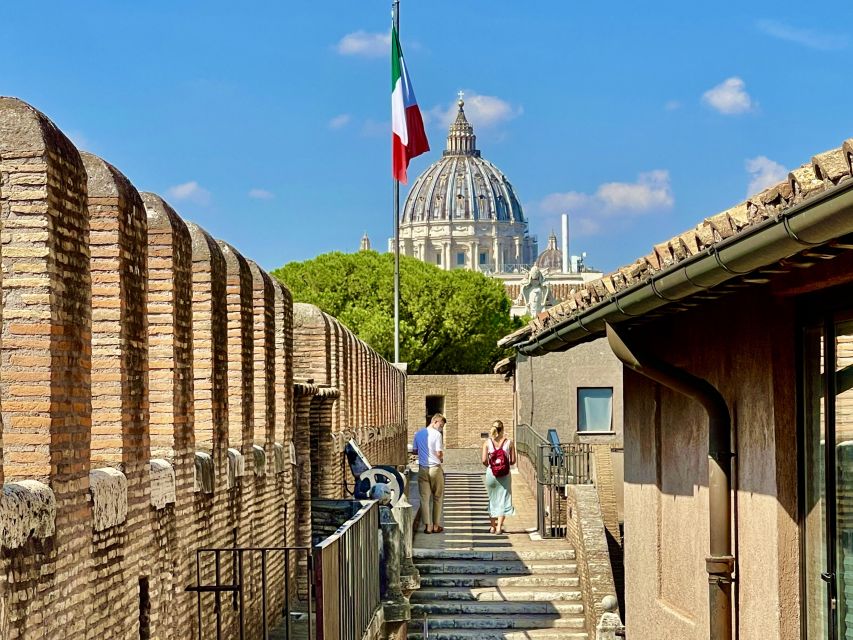
One highlight you can count on is Michelangelo’s courtyard. Courtyards often feel like “in-between spaces,” but here it’s more like the castle’s breathing room and stage set at the same time. Your guide points out how the setting affects sightlines and why this courtyard became part of the castle’s lived experience.
Courtyards also help you reset your eyes. You’ve been reading the castle in sections—tomb, fortress, residence—and then the open space gives you a reality check. Suddenly you’re seeing scale and proportions in a way indoor rooms sometimes hide.
If you’re into architecture, you’ll appreciate how the guide connects form to function. Even without getting technical, you start understanding how people moved and where they looked when Rome was a living city with threats, politics, and power shifts.
Panoramas From the Terrace: Rome, the Tiber, and the Photo Angles
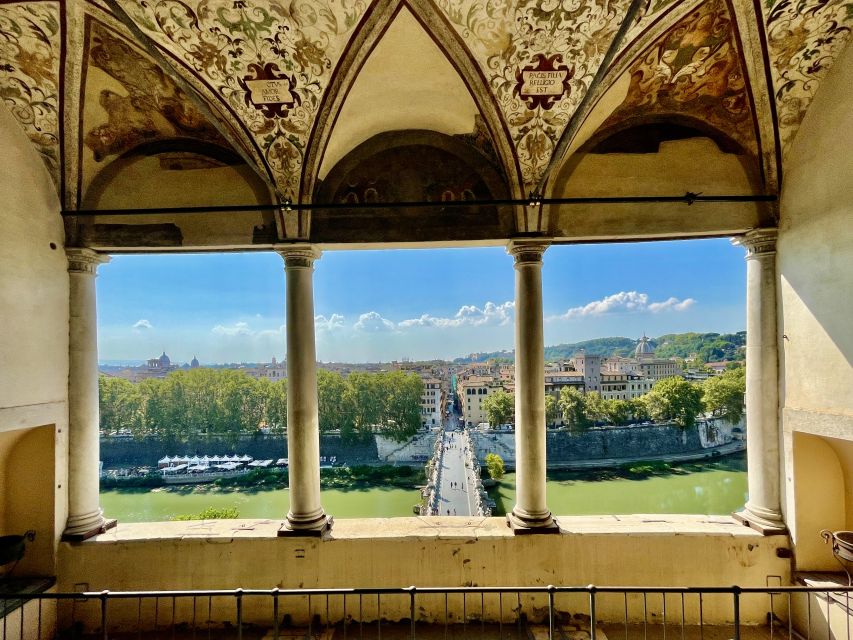
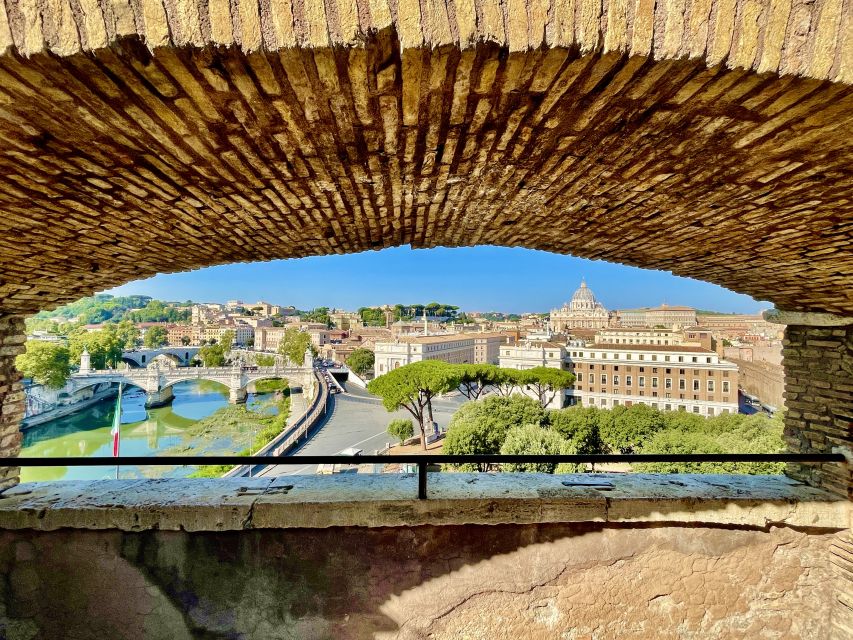
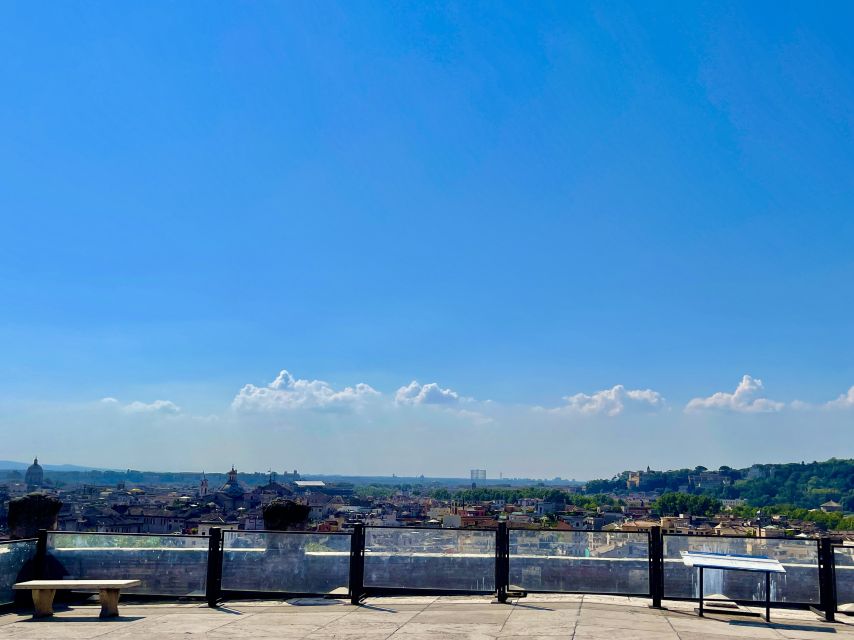
Castel Sant’Angelo doesn’t just have history. It has views. The terrace stop gives you a wide look over Rome with that Tiber River setting as the backdrop.
This is where your guide’s practical help becomes useful. In the best moments, they show you where to stand for stronger photo angles and how to frame the skyline so you’re not stuck with awkward lines or random obstructions. It’s the kind of guidance that makes your photos look like you planned them instead of hoping for the best.
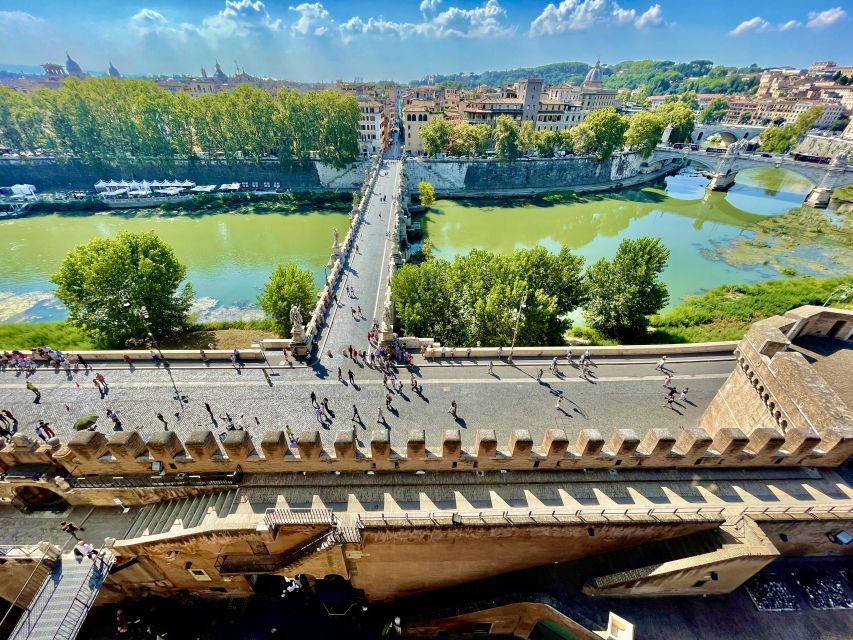
Take your time here, even if your phone camera wants speed. Spend a minute orienting yourself to the river and the wider city. Once you connect the view to the castle’s strategic placement, the panorama feels earned rather than decorative.
You’ll also get perspective connected to the Sant’Angelo Bridge area. Even when you’re not walking the bridge itself, understanding its relationship to the castle helps you see why this site mattered for movement and security.





What This Tour Really Gives You for $94
Let’s talk value, not just price. At $94 per person for about 1.5 hours, you’re paying for four things that add up in a city full of ticket lines.
First, entrance fees are included. Second, you get headsets if the group is larger than 8, which improves the experience for everyone. Third, the guide is an art historian, and that matters because this isn’t only a fortress tour—it’s about how art, architecture, and power intersect across centuries. Fourth, swift access is a real time saver in a high-demand site.
If you’re visiting with limited time in Rome, this structure can be the difference between wandering and learning. You won’t feel like you’re racing through rooms, because the guide is choosing what to emphasize and in what order.
This tour tends to fit well with people who want interpretation more than repetition. If you love history but hate long lectures, the “small group + clear guide” formula keeps it watchable. If you love photos, you also get help with timing and viewpoints.
What’s Not Part of This Stop: Passetto di Borgo
One important note: the Passetto di Borgo corridor linking Vatican City to Castel Sant’Angelo isn’t included in this tour.
That matters if your dream version of Castel Sant’Angelo is the full story of escape routes and secret movement. In that case, you might want to plan a separate add-on or a different visit that specifically covers that corridor.
Still, even without it, you’ll get the core experience: the tomb origins, fortress transformation, papal-era rooms, key courtyards, and the terrace views.
Practical Tips Before You Go (So the Castle Feels Fun)
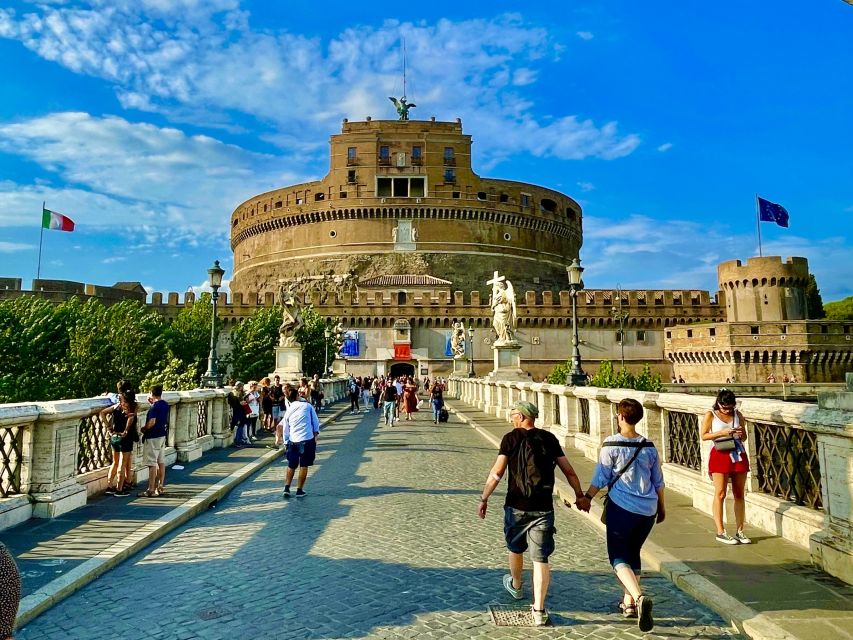
Castel Sant’Angelo rewards comfortable preparation. Wear comfortable shoes because you’ll be on floors and stairways that aren’t designed for flip-flops and wishful thinking.
The dress code is smart casual, so dress like you’re going to a nice evening out, not a theme park. Bring your passport or ID card as well.
If you’re traveling with a lot of stuff, lighten your load. Pets aren’t allowed, smoking is not allowed, and luggage or large bags aren’t allowed. Walking frames are also not permitted.
Should You Book This Castel Sant’Angelo VIP Tour?
Book it if you want a focused, guide-led visit that turns the castle into a story you can actually follow. The small group, headsets when needed, and art historian approach make this a strong choice if you care about context, not just landmarks.
Skip it or consider alternatives if you need wheelchair access or if you’re hoping for a route that includes the Passetto di Borgo corridor. Also think twice if you’re the type who likes long, self-paced wandering with no guidance—this tour is designed for an efficient, explanation-heavy visit.
If your plan is to see Castel Sant’Angelo once and do it well, this is one of the smarter ways to spend your time.
FAQ
How long is the Castel Sant’Angelo guided VIP tour?
The tour lasts 1.5 hours.
What’s the group size for this experience?
It’s a small group limited to a maximum of 10 people.
Where is the meeting point?
Meet your guide just outside the Castel Sant’Angelo entrance, with a signboard showing Tour in the City. Arrive 15 minutes before departure.
Is there an option for headsets?
Yes. Headsets are included to help you hear the guide clearly for groups over 8 people.
What is included in the price?
Entrance fees, headsets (if applicable), a professional art historian guide, swift access, and the small group format are included.
What isn’t included?
Food and drinks, hotel pick-up and drop off, and transportation to or from attractions are not included.
Is the tour wheelchair accessible?
No, it is not wheelchair accessible.
What items are not allowed during the tour?
Pets, smoking, luggage or large bags, walking frames, and weapons or sharp objects are not allowed.
Can I cancel for a refund?
You can cancel up to 24 hours in advance for a full refund.