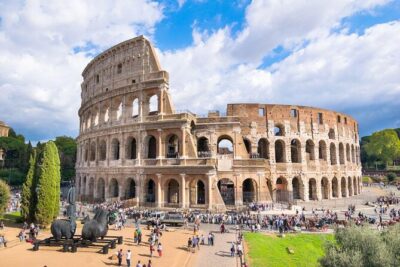
Two hours underground at the Colosseum is rare. With a small group (up to 6), you’ll skip the long lines and get arena-level and underground access that’s off-limits to regular tickets. Just be aware the 2:30pm start can squeeze your chance to add Roman Forum and Palatine Hill later.
I like tours that teach you how the site worked, not just what it looks like. Here, a licensed guide turns the gladiator show and animal hunts into something you can picture—right down to the spaces gladiators used before stepping into the arena. You’ll also get those big Rome photo moments from the ring levels above.
The experience is mostly guided at the Colosseum, but Roman Forum and Palatine Hill are self-guided, so timing matters more than you’d expect.
In This Review
- Quick hits before you go
- What makes this VIP Colosseum underground tour feel different
- Price and logistics: how $231.51 fits the experience
- Entering the Colosseum from the back side
- The arena floor and ring views you should budget time for
- Colosseum Underground: dungeons, secret corridors, and the ancient elevator
- Roman Forum and Palatine Hill: self-guided, but timing is everything
- Small group pacing: what up to 6 people actually buys you
- Views and storytelling: what you’ll learn beyond the obvious
- Weather and day-of reliability: plan with a little flexibility
- Should you book it? A practical decision guide
- FAQ
- How long is the Rome VIP Colosseum Underground guided tour?
- What group size is this tour limited to?
- What is included in the ticket price?
- Is the Roman Forum and Palatine Hill visit guided?
- Can I visit Roman Forum and Palatine Hill on the same day as the 2:30pm tour?
- What time does the tour start?
- Where do I meet for the tour?
- Where does the tour end?
- Do I receive tickets digitally?
- What happens if the weather is bad?
Quick hits before you go
- VIP, small group (max 6): less crowding, more guide time, calmer pace.
- Skip-the-line entry via a special entrance: you reach the Colosseum from the back side.
- Arena floor + ring levels: you’re not just looking; you’re standing where events happened.
- Colosseum Underground access: dungeons, secret corridors, and an ancient elevator mechanism.
- Views that connect the empire to the city: Colosseum and Circus Maximus from the upper rings.
- Roman Forum & Palatine Hill are self-guided: plan your day around the last entry time.
What makes this VIP Colosseum underground tour feel different
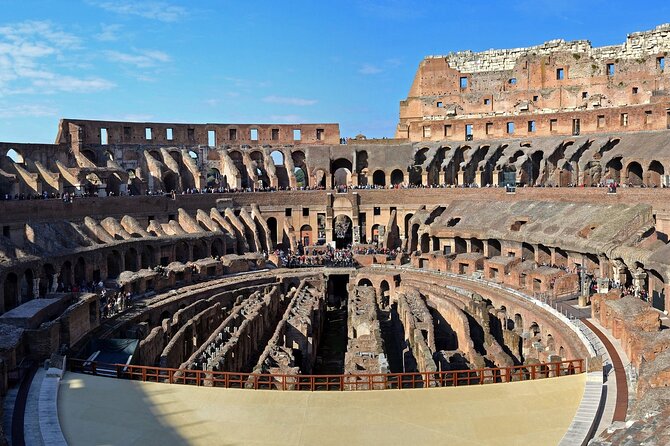
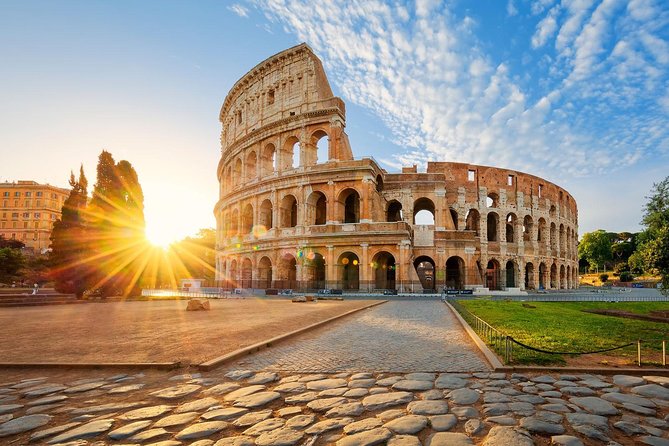
This is not a standard Colosseum walk-by. The value comes from two things: access and context. You enter with a special route, and instead of only seeing the public viewing areas, you go to the arena and then down into the Colosseum Underground.
The underground portion is where the “wow” factor gets practical. You’re shown the spaces behind the spectacle—where gladiators and animals were held before going out to face the crowd. It helps you understand the choreography of the day: performers weren’t just dropped into the arena. They were processed, moved, and staged.
On top of that, you get the kind of guide help that makes the ruins make sense. A licensed professional explains why the Colosseum was built, not just what it is. That political and social angle matters, because it’s one reason the Romans invested so much energy in massive, brutal public entertainment.
You can also read our reviews of more tours and experiences in Rome.


Price and logistics: how $231.51 fits the experience
At $231.51 per person, this tour is a splurge. But you’re not paying only for a name-brand tour. You’re paying for reduced waiting time (skip the lines), smaller group size (up to 6), and special on-site access that most ticket holders don’t get—especially the underground level and arena floor time.
Two logistics points can make or break value for you:
- The tour runs about 2 hours 30 minutes, starting at 2:30pm.
- Roman Forum and Palatine Hill are self-guided, and the visit window for those sites is limited later in the day.
If you’re the type who wants the Colosseum first and then wants an easy add-on later, this can still work—but you’ll need to plan smartly (details below).
Entering the Colosseum from the back side
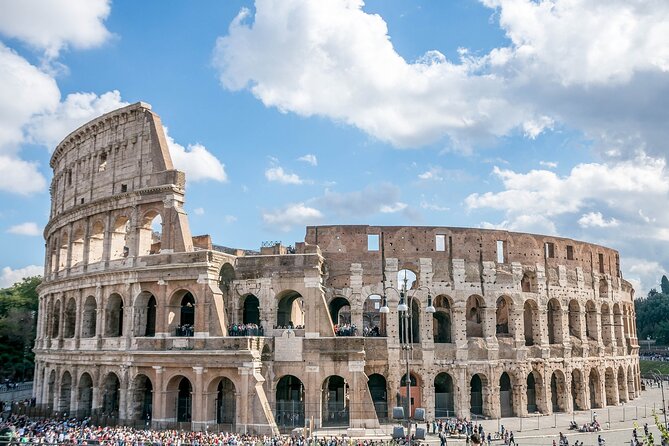
Right when you arrive, the tour focuses on getting you where the story starts. You access the Colosseum from a special entrance, on the back side, which changes the whole feel. It’s less about squeezing into a public queue and more about moving through the site in a controlled way.
From there, you see the arena—the battlefield where gladiators fought and where wild animal hunts and major spectacles took place. Even if you know the basics, seeing the arena space physically helps you grasp why Roman crowds loved the show: it was immediate, engineered for impact, and built to keep thousands watching.
Then you continue to the levels that give you that classic “I’m in Rome’s empire” viewpoint. You’ll have access to the ground level ring and then the first level ring, which is where your eyes start tracking the surrounding skyline.
The arena floor and ring views you should budget time for
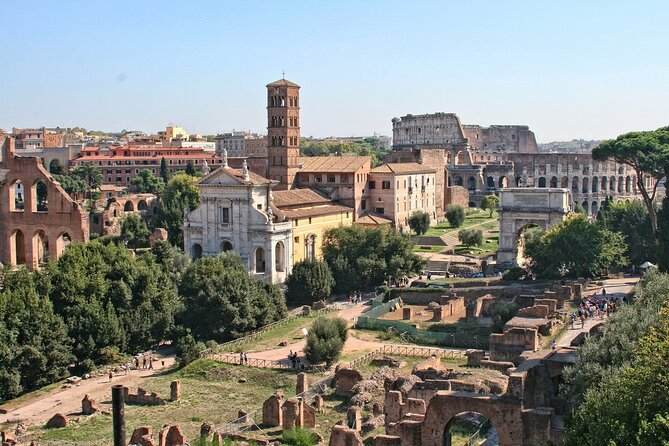
This portion is timed to give you enough presence in the Colosseum without turning it into a rush. You’re not just walking past stops; you’re standing in the arena area and then moving up for the wider perspectives.
Why this matters: the Colosseum isn’t only an outdoor ruin. It’s an architectural machine built for sightlines and crowd control. When you move from the arena up to the rings, you start to see how spectators would have experienced the action.
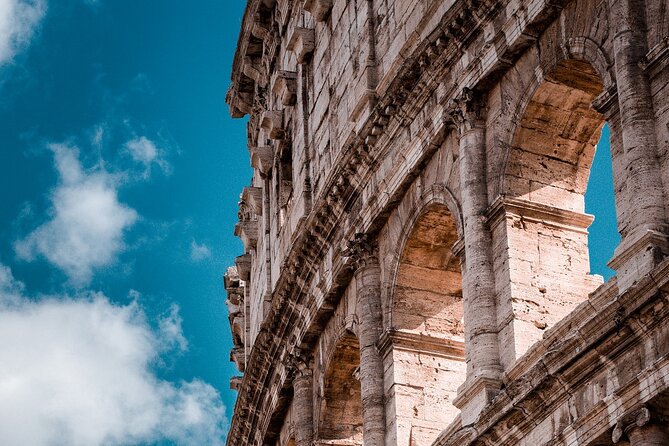
For your photos, this is also the money shot stretch. The upper ring views include the Colosseum area plus Circus Maximus in the wider scene. If you want the “Rome looks like Rome” shots, this is where you’ll get them.
Colosseum Underground: dungeons, secret corridors, and the ancient elevator
The underground level is the star attraction of this tour. It’s described as recently opened access, and that fits the vibe: you’re looking at the backstage spaces you’d normally never see.
Here’s what you can expect to encounter:
- Dungeons and holding areas used before gladiators and animals entered the arena
- Secret corridors that function like hidden routes for movement
- An old elevator mechanism dating to around 2,000 years ago
Even without a technical background, you can feel the difference between this and the public levels. Underground, you’re closer to the reality of preparation and control. The tour helps you connect that built structure to the show above it.
One practical note: underground access isn’t always guaranteed on every date. There have been days where the underground wasn’t available due to a guide illness, and the tour still ran with access to other levels. So if underground access is your single must-have, I’d treat good weather and on-time operations as part of your planning.




Roman Forum and Palatine Hill: self-guided, but timing is everything
This tour can pair nicely with the rest of the ancient core of Rome—but only if you respect the clock.
Roman Forum and Palatine Hill are self-guided. That means the guide’s role is mainly focused on the Colosseum, while you handle the Forum and Palatine Hill portion on your own. The sites cover legendary origins tied to Romulus and Remus, plus ruins of temples and the kind of urban planning Rome did to connect politics, religion, and power.
Here’s the catch with your specific tour start time:
- The last entry for Roman Forum and Palatine Hill is listed as 15:30.
- Since this Colosseum tour starts at 2:30pm and includes underground time, it typically runs long enough that you may not be able to enter those sites the same day.
In other words, if you’re hoping to do Colosseum Underground and then also stroll the Forum and Palatine Hill afterward, you’re playing timing roulette. The smarter plan is either:
- do Forum/Palatine first before your afternoon Colosseum time, or
- plan to visit the Forum/Palatine on a different day.
A good clue: you’ll want to know where the entrances are for self-guided time so you can move efficiently. When sites are partially self-guided, your biggest time sink is hesitation.
Small group pacing: what up to 6 people actually buys you
Up to 6 participants might sound like a marketing detail, but it changes how the tour feels.
With a smaller group, you:
- move with fewer bottlenecks around tight spaces
- get more direct interaction with the guide
- experience the underground route with less crowd pressure
It also helps with rhythm. The tour’s structure matters: you transition from arena to underground to rings, and each part needs a bit of mental switching. A large group can turn that into stress. A small group makes it more like a guided walk through different layers of the same story.
If you like learning while moving at a human pace, this format is a win.
Views and storytelling: what you’ll learn beyond the obvious
This tour works best if you enjoy understanding why Roman entertainment was built the way it was.
You’ll get explanations tied to:
- the political and social motives behind constructing the Colosseum
- the brutal games that entertained Roman citizens
- the idea that the Colosseum wasn’t random entertainment, but a public strategy
Then your guide ties the architecture to the lived experience. That’s where the underground access becomes more than a ticket feature. When you see the backstage spaces and then look out at the arena and rings, the story clicks into place: the spectacle depended on logistics, engineering, and controlled movement.
Weather and day-of reliability: plan with a little flexibility
This experience requires good weather. If it’s canceled for poor conditions, you’ll be offered another date or a full refund.
That’s worth planning around because the Colosseum area can feel very different depending on light, humidity, and crowd levels. If you’re visiting in a season with fast-changing skies, keep one flexible option on your itinerary so a reschedule doesn’t wreck your day.
Also, since underground access may not be available every single day, I recommend mentally allowing for a Plan B: you may still get an excellent Colosseum visit even if the underground portion isn’t operating.
Should you book it? A practical decision guide
Book this tour if:
- you want arena floor time and the chance to see Colosseum Underground
- you prefer a small group and a licensed guide over a large crowd tour
- you’re comfortable planning your day around a 2:30pm start
Skip or rethink it if:
- you absolutely want to see Roman Forum and Palatine Hill after your Colosseum visit the same day
- your schedule is so tight you can’t shift the Forum/Palatine portion to earlier or another day
- you need a guaranteed underground visit with zero variability
If you get the timing right, this is one of the more meaningful Colosseum experiences you can book in Rome because it lets you view the site from multiple levels—public spectacle and behind-the-scenes operations—without wasting hours in a line.
FAQ
How long is the Rome VIP Colosseum Underground guided tour?
The tour lasts about 2 hours 30 minutes.
What group size is this tour limited to?
The group size is maximum 6 travelers.
What is included in the ticket price?
Included are skip-the-line Colosseum entry with a licensed professional guide, access to Colosseum Underground, and access to the Colosseum Arena Floor.
Is the Roman Forum and Palatine Hill visit guided?
Roman Forum and Palatine Hill are self-guided.
Can I visit Roman Forum and Palatine Hill on the same day as the 2:30pm tour?
You may not be able to enter the Roman Forum and Palatine Hill on the same day because the last entry time is 15:30.
What time does the tour start?
The start time is 2:30pm.
Where do I meet for the tour?
You start at Largo Gaetana Agnesi, 00184 Roma RM, Italy.
Where does the tour end?
The tour ends at the exit of Colosseo, at Celio Vibenna, 00184 Rome.
Do I receive tickets digitally?
Yes. The tour uses a mobile ticket.
What happens if the weather is bad?
The experience requires good weather. If canceled due to poor weather, you’ll be offered a different date or a full refund.