REVIEW · ROME
Rome VIP Wine and Food Tasting in a 2,000 Year Old Roman Cistern
Book on Viator →Operated by Tour In Rome by Tour in the City · Bookable on Viator
A Roman cistern makes wine taste different. In Trastevere, this VIP tasting puts you underground in a recovered 1st-century cistern—an authentic cellar, not a made-for-tour “atmosphere room”—with Slow Food-recognized bites. I especially like the intimate feel created by the space and small table setup, and the fact that the staff can explain what you’re eating and why.
What I’d call the second big win is the pairing style: you get DOC, DOCG, and IGT wines with a brief presentation, and the food is substantial enough to feel like a real break from the usual Rome routine. In the reviews, people highlight cheeses, meats, fruit spreads, and olives, and say it can satisfy you without forcing an extra dinner stop.
One consideration: this isn’t casual “wander in when you want” wine time. You need to meet the group 5 minutes early, and late arrivals can’t join or reschedule without paying again—plus it’s not recommended for vegans or for children under 7.
In This Review
- Key Things to Know Before You Go
- Trastevere’s Underground Start: Catina Fabulous and the Roman Cistern Setting
- Fabullus Wine Cellar: How the Ancient Space Shapes the Tasting
- What You’ll Eat: Slow Food Presidia Plates That Feel Like More Than Snacks
- A note for dietary needs
- Wine Focus: DOC, DOCG, and IGT Without the Lecture Weight
- How pairing works here
- Timing, Group Size, and Why Arriving Early Matters
- Price Value: What $53.10 Buys in a Roman Cistern
- Who This Is Best For (and Who Might Want Another Plan)
- Practical Tips for a Smooth Trastevere Evening
- Should You Book This VIP Cistern Wine Tasting?
- FAQ
- How long is the Rome VIP Wine and Food Tasting in a Roman Cistern?
- What’s included in the tasting price?
- Is the experience offered in English?
- Is this suitable for children or teens?
- Do I need to arrive before the start time?
- Can I cancel for a refund?
Key Things to Know Before You Go
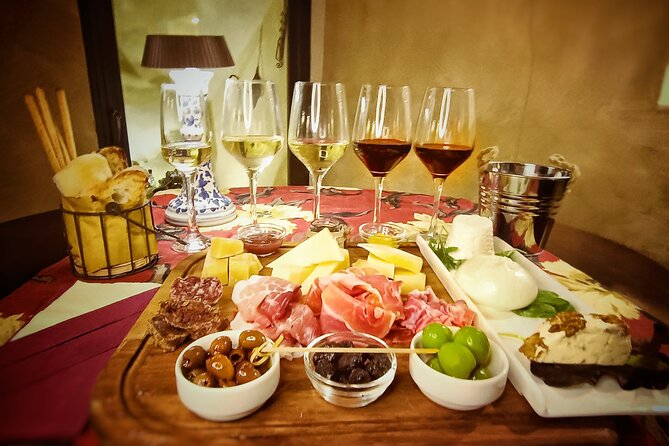
- A recovered 1st-century cistern cellar: Roman stone and artifacts, not a themed tasting room.
- Slow Food presidium products: small artisans and tradition, designed for pairing.
- DOC/DOCG/IGT wines with short guidance: you get context without a lecture marathon.
- Small group feel: capped at 20 travelers, and reviews describe a table setup that feels personal.
- Plan your timing: you must show up 5 minutes before the start time.
Trastevere’s Underground Start: Catina Fabulous and the Roman Cistern Setting
Trastevere is the part of Rome that still feels like you’re moving through a living neighborhood, not a photo set. Curving alleys, small piazzette, and that west-bank Tiber energy set the tone before you even reach the cellar.
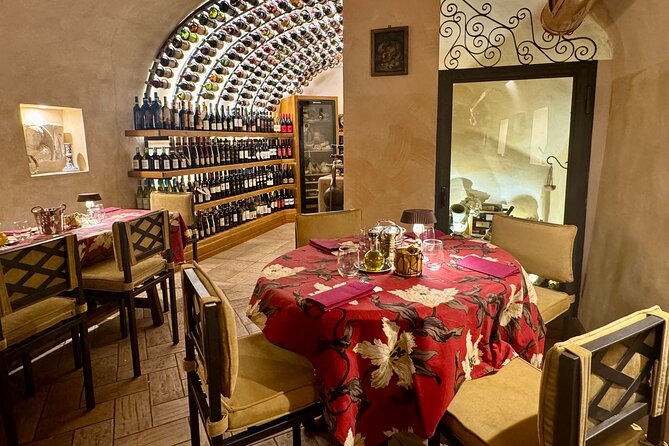
The experience starts in the basement of an 18th-century building at Residenza San Calisto (Via dell’Arco di S. Calisto, 19). From there, you go down into Catina Fabulous, an underground cellar created through the careful recovery of a Roman cistern from the 1st century. The key detail here is what they don’t do: they don’t use the cistern as a prop for fake ambiance. It’s functioning context—marble, ancient artifacts, and objects linked to wine production are part of the room itself.
I like this approach because it keeps your expectations realistic. You’re not paying just for “nice wine in a cool room.” You’re paying to connect wine and food with how Italy actually treats ingredients: history, craft, and the people who make things the slow, correct way.
Even better, the cellar is described as welcoming and pleasant, furnished with antique objects and furniture. That matters because a cramped, chilly basement would turn “VIP” into “good luck.” Instead, the vibe is meant to help you focus on tasting.
You can also read our reviews of more tours and experiences in Rome.



Fabullus Wine Cellar: How the Ancient Space Shapes the Tasting
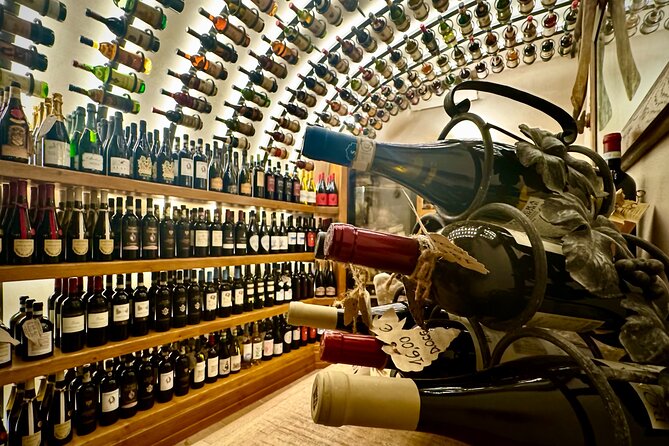
After the initial introduction in the cistern setting, the tasting centers on the Fabullus Wine Cellar. The way this space is presented in the tour description is consistent with the “real cellar” idea: it’s also a recovered cistern in a basement environment, with antique furniture and wine-making-related items around the room.
Here’s why I think this stop is worth your time: when a tasting happens in a genuine historic setting, the wine discussion feels more grounded. The staff’s job isn’t just to tell you what you’re drinking. It’s to explain how these products fit into traditional Italian food-and-wine culture.
You’ll get a presentation—short, friendly, and designed to keep you moving through the tasting. And the food is built to match that pacing. One review calls it a classic Roman wine tasting experience and says people didn’t feel rushed. That “not rushed” detail matters in Rome, where tour schedules can feel tight and “quick tastings” can turn into a conveyor belt.
One small point to keep in mind: the tour description mentions cistern recovery dating to the 1st century, but the exact century reference differs between the two cellar descriptions. Either way, you’re getting the same core value—an authentic Roman cistern setting that shapes the whole experience.
What You’ll Eat: Slow Food Presidia Plates That Feel Like More Than Snacks
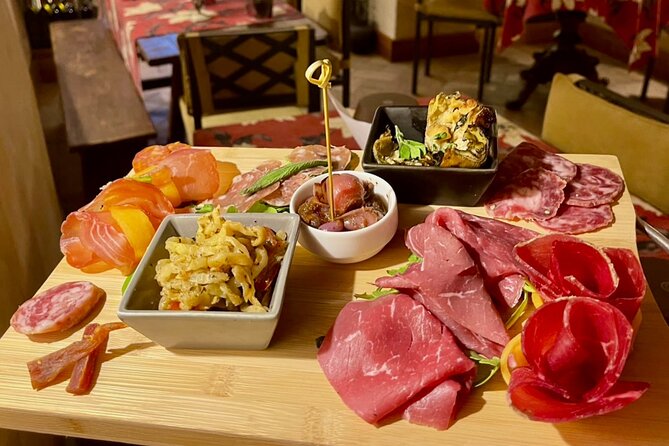
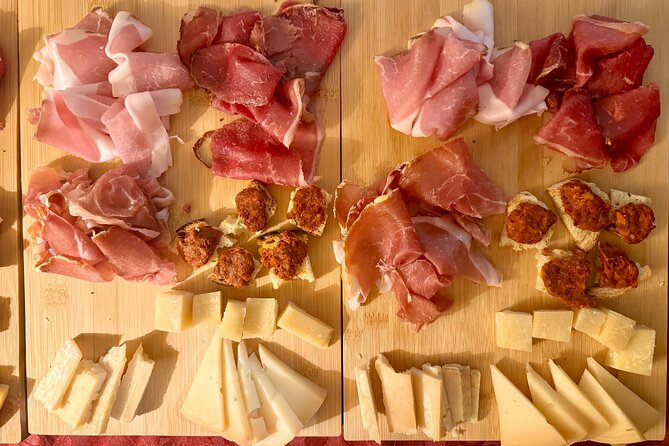
This is not tasting-room popcorn. The tasting includes a selection of products recognized by Slow Food as a presidium from small artisans. That’s a big deal because “Slow Food” presidium products are chosen to represent food traditions at risk of disappearing—and they’re meant to taste like something specific, not generic “tourist-friendly” bites.
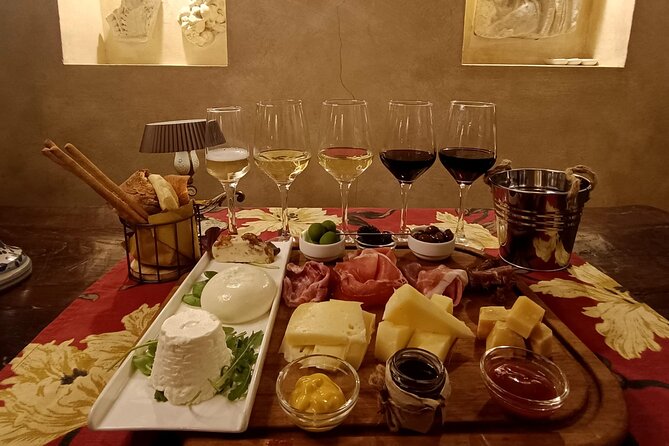
On your plate, you should expect a mix that supports pairing: cheeses, meats, olives, and items like fruit spreads are specifically called out in the reviews. There’s also mention of a fabulous postre (dessert), which is the kind of detail that helps this feel like a full mini-meal rather than a quick taste-and-go.
One review says there’s an option that does not include dinner, and another says there was enough food to skip dinner. I’d take that as practical guidance: if you’re planning your night around this tasting, it can likely replace a later heavy meal—especially if you keep the rest of your evening lighter (gelato snack counts, water counts, but skip the full sit-down meal right beforehand).
Also, you’ll have unlimited water. That’s not just a comfort thing; it helps you keep tasting accurately as the wines come through.
A note for dietary needs
The tour is not recommended for vegans and not recommended for diabetes. Allergies and intolerances must be communicated at booking time, and there’s no guarantee of service if they’re not shared in advance. The operator also states they aren’t responsible for reactions if allergies weren’t communicated before the service.
Wine Focus: DOC, DOCG, and IGT Without the Lecture Weight
Wine tastings often fall into two traps: either the host talks too much, or you feel like you’re guessing what you’re supposed to notice. This one aims for the middle ground.
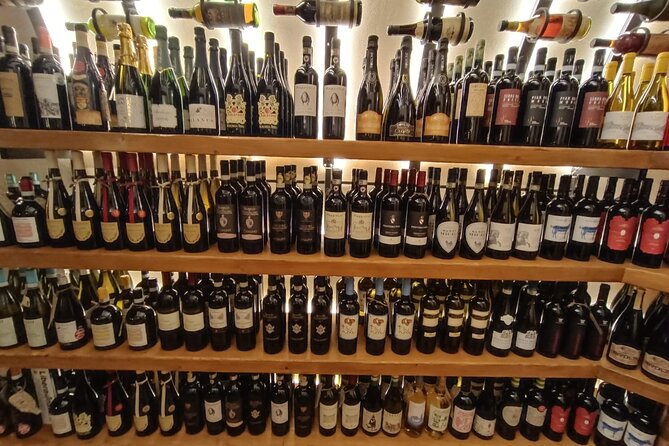
You’ll sample superior Italian wines selected by the sommelier, and you’ll also get a brief presentation of the wine labels you’re tasting. The tour description explicitly references DOC, DOCG, and IGT. Even if you don’t know the differences ahead of time, you’ll likely come away with a clearer sense of what those labels mean in terms of Italian quality frameworks.
In the reviews, hosts are praised for being knowledgeable and for explaining pairings in a way that makes sense. One reviewer highlights the sommelier experience as entertaining and educational. Another mentions the host Ginevra working hard to speak Spanish so everyone could understand the explanation.
That’s exactly the kind of service that makes “VIP” feel real: not fancy for its own sake, but helpful. You can enjoy the wine without being tested on wine vocabulary.





How pairing works here
The tasting is designed around balance—food and wine “go together” by intent. Since the food includes items like cheese/meats/olives and spreads, the wines have a good chance of showing different sides: fruit, structure, and acidity changes as you move through the bites.
If you’re the type who likes tasting notes, you’ll get some guidance. If you’re the type who prefers “tell me what to notice,” you’ll probably also be happy, because the pairing logic is the star.
Timing, Group Size, and Why Arriving Early Matters
This tasting runs about 45 minutes to 1 hour 15 minutes. That’s a comfortable length for an evening in Rome—long enough to feel like an experience, short enough that it won’t steal your whole night.
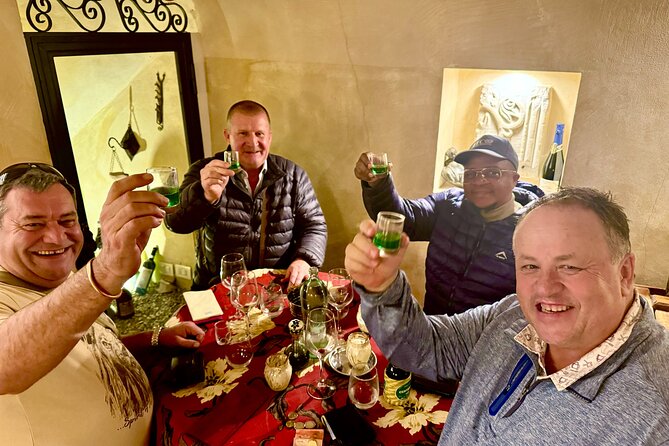
Group size is capped at 20 travelers. Reviews describe an even more intimate feel due to table setup, with some mentioning only a handful of tables. Translation: you should get real interaction, not just background patter.
And here’s the practical part: you must meet the group time 5 minutes before the scheduled start. Late arrivals can’t join and can’t reschedule without paying again. If you’re prone to running late in Rome (traffic, crowds, “one more street over”), build in buffer time so you don’t lose the experience.
Also, the tour can vary by up to 10 minutes due to organizational reasons. That gives you flexibility, but it doesn’t replace the “be there 5 minutes early” rule.
The experience is offered in English, and confirmation is received at booking.
Price Value: What $53.10 Buys in a Roman Cistern
At $53.10 per person, this isn’t the cheapest thing you’ll do in Rome—but it also isn’t priced like a luxury mansion tour. Here’s where the value comes from.
First, you’re paying for the setting: access to a recovered Roman cistern environment that’s described as authentic, decorated with original marble, artifacts, and wine-production objects. Second, you’re paying for guidance: a sommelier-led experience with explanation and pairing focus. Third, you’re paying for the ingredients: Slow Food presidium products from small artisans, paired with DOC/DOCG/IGT wines.
The “unlimited water” sounds small, but it supports comfort and makes the pacing smoother.
So I’d frame the price like this: you’re buying a focused, high-quality tasting session that combines food, wine, and a genuinely historic room. If you were going to do a tastings-and-cheese kind of evening anyway, this can feel like better organization and better pairing than assembling it yourself across multiple stops.
Who This Is Best For (and Who Might Want Another Plan)
This works especially well if you:
- Want a food-and-wine break from the biggest Rome sights.
- Like small-group experiences where the host can explain what you’re tasting.
- Appreciate Slow Food presidium-style products and want something more meaningful than generic “Italian snacks.”
- Are planning a night in Trastevere and want a classic, local-feeling activity.
It may not be ideal if you:
- Need a vegan option (it’s not recommended).
- Have diabetes concerns (it’s not recommended).
- Have kids under 7 (not recommended).
- Have significant allergy needs that you haven’t listed at booking time (communication is required for best odds of accommodation).
If you’re celebrating something, it also looks like a solid pick. One reviewer describes it as a birthday surprise that turned out well, thanks to the host’s care and the intimate pace.
Practical Tips for a Smooth Trastevere Evening
A few things will help you enjoy this without stress:
- Arrive early: 5 minutes early is the rule. Add more time if you’re walking from a busier area of Trastevere.
- Wear comfy shoes: Trastevere streets can be uneven and twisty. You’ll be walking before you go down into the cellar.
- Plan your food timing: with the portions described (cheeses/meats/olives/spreads and dessert), you may skip dinner after. If you do plan dinner later, keep it light.
- Tell them about allergies up front: use the booking section for allergies and intolerances. Don’t assume it can be handled last minute.
- Bring your questions: the tasting includes explanation, and the reviews praise the staff for history and pairing context. Ask what you actually want to understand: style, pairing logic, or what to look for next time you order wine in Rome.
- If you’re sensitive to alcohol: the operator reserves the right to refuse service to anyone showing signs of intoxication. Pace yourself and drink water.
If you like flexibility, there’s free cancellation up to 24 hours before the start time for a full refund. Changes inside 24 hours aren’t accepted.
Should You Book This VIP Cistern Wine Tasting?
If you want a Roman evening that feels both classic and efficient—wine plus real food plus a historic cellar—this is a strong bet. The best reasons to book are the Slow Food presidium focus, the DOC/DOCG/IGT wine framing, and the fact that the cistern setting is treated as a real environment, not just a photo backdrop.
I’d recommend it for couples, date nights, and anyone who enjoys guided tastings more than DIY wine hunts. If you’re traveling with young kids, need vegan accommodations, or are managing diabetes or complex dietary restrictions, you’ll want to look for a different format.
FAQ
How long is the Rome VIP Wine and Food Tasting in a Roman Cistern?
It typically runs about 45 minutes to 1 hour 15 minutes.
What’s included in the tasting price?
Your ticket includes superior Italian wines selected by the sommelier, a selection of Slow Food presidium products from small artisans, presentation and explanation by the staff, and unlimited water.
Is the experience offered in English?
Yes, it’s offered in English.
Is this suitable for children or teens?
It’s not recommended for children under 7, and children must be accompanied by an adult.
Do I need to arrive before the start time?
Yes. You must meet 5 minutes before the scheduled time. Late arrivals can’t join the group or reschedule unless you pay for the activity again, and no refund applies under the no-show rules.
Can I cancel for a refund?
Yes. You can cancel up to 24 hours in advance for a full refund.
If you want, tell me your travel dates and what kind of wine you usually like (red, white, sweet vs dry). I can suggest how to time this around dinner so you get the best overall evening flow.