REVIEW · ROME
The Vatican: Private VIP Experience Tour
Book on GetYourGuide →Operated by Through Eternity Tours · Bookable on GetYourGuide
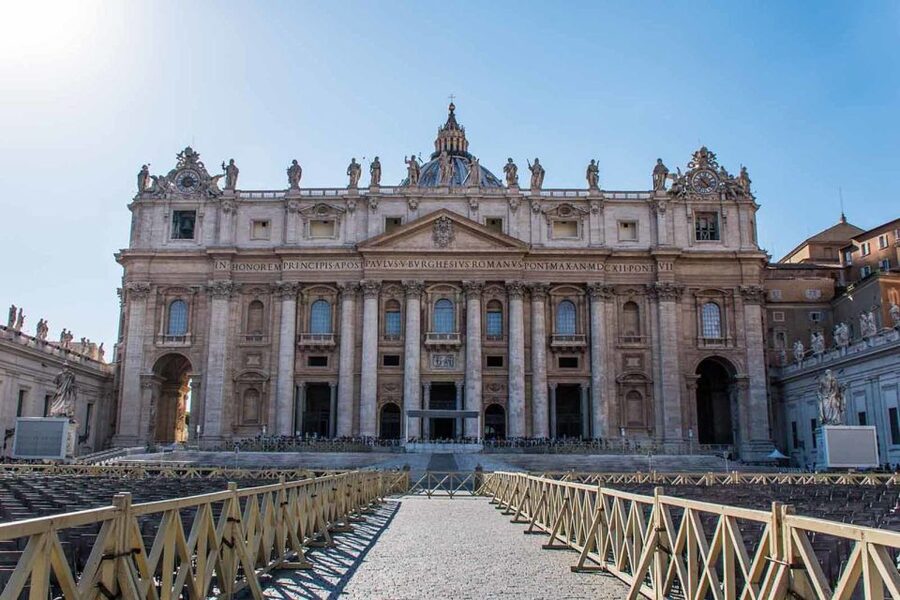
Michelangelo and Raphael, minus the maze. This private VIP tour brings you through the Vatican Museums, Raphael Rooms, and the Sistine Chapel, then ends in St. Peter’s Basilica with a guide who turns masterpieces into clear stories.
I love the skip-the-lines plan: separate entrance for the museums and fast-track entry to St. Peter’s means less time waiting around. I also like the private group format, so your guide can adjust what you focus on, whether that’s symbols on the Sistine ceiling or Renaissance art details. The only real drawback to consider is that it’s still a 5-hour walking route in places of worship, with rules on clothing and plenty of steps.
In This Review
- Key highlights at a glance
- Why this Vatican VIP tour feels like better value than DIY
- Where you meet, how you dress, and what matters for entry
- The Vatican Museums: more than a checklist of famous paintings
- Pinacoteca, sculpture halls, and the “why it looks the way it does”
- Raphael Rooms: frescoes you can actually place in time
- A quick reality check
- Sistine Chapel: Michelangelo’s ceiling, explained through the stories
- St. Peter’s Basilica: fast-track access and major moments
- What to watch for
- Choosing the right guide focus (and using the private format well)
- Who this Vatican VIP tour suits best
- Should you book the Private VIP Vatican Experience Tour?
- FAQ
- How long is the Vatican Private VIP tour?
- Where do I meet the guide, and where does it end?
- What parts of the Vatican and St. Peter’s are included?
- What dress code and ID do I need?
- What should I bring, and what items aren’t allowed?
- Is this a private tour, and what languages are offered?
- Is the tour wheelchair accessible if I use a wheelchair?
Key highlights at a glance
- A private art-historian style guide through multiple museum areas, not just the “top two” stops
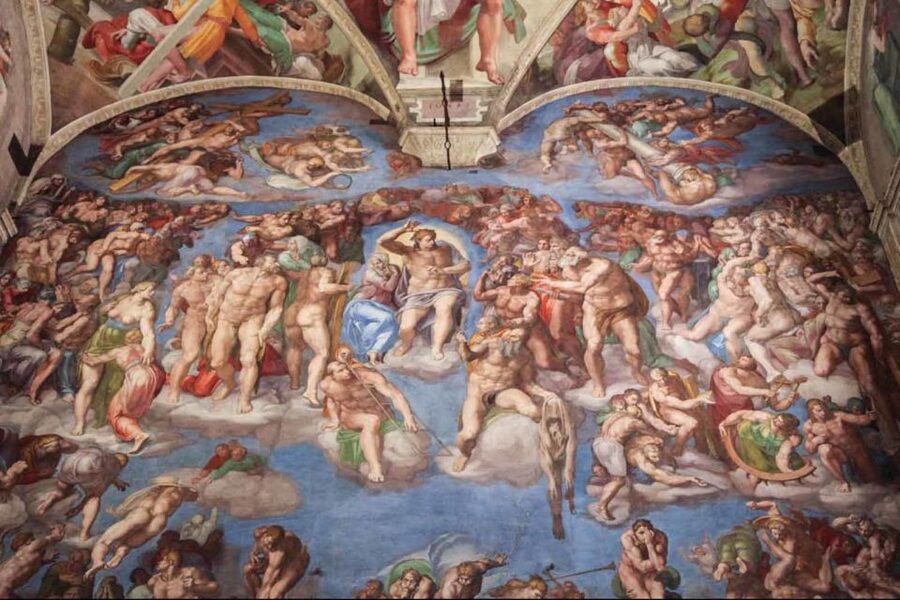
- Sistine Chapel symbolism explained through scenes like Jonah, Adam, Eve, Noah, and the Last Judgement
- Raphael Rooms in context, with the Renaissance papal court brought to life as you look
- Ancient sculpture headliners discussed alongside works Michelangelo and Raphael studied
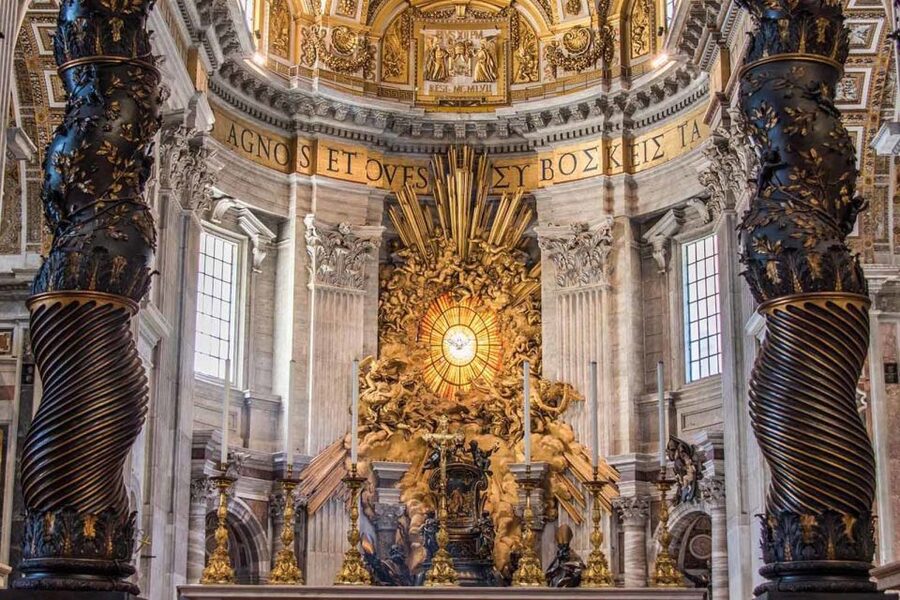
- St. Peter’s Basilica fast-track entry with time for major highlights like Michelangelo’s Pietà and Bernini’s canopy
Why this Vatican VIP tour feels like better value than DIY
If you’ve ever tried to do the Vatican on your own, you already know the problem: the building is a crowd magnet, and the art is so layered that you can miss the point while you’re just trying to get oriented. This private VIP Vatican experience solves that with two practical perks: you skip the long lines, and you don’t just get facts—you get meaning.
At $568 per person, it’s not the cheapest way in. But the value comes from coverage and time. You’re not only entering the Vatican Museums; you’re guided through several key sections (including special Pinacoteca time, major sculpture galleries, and the Maps and Tapestries areas), then you continue into the Raphael Rooms and the Sistine Chapel, and finally you reach St. Peter’s. That’s a lot of high-stakes art viewing compressed into one plan.
The other value point is your guide’s approach. The tour is designed around how the Renaissance thinkers worked—studying ancient sculpture, borrowing visual language, and building religious art that made people see the world differently. If you like “show me what to look for” guidance, this kind of structure pays off fast.
You can also read our reviews of more tours and experiences in Rome.

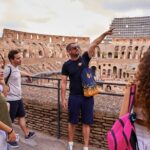
Where you meet, how you dress, and what matters for entry
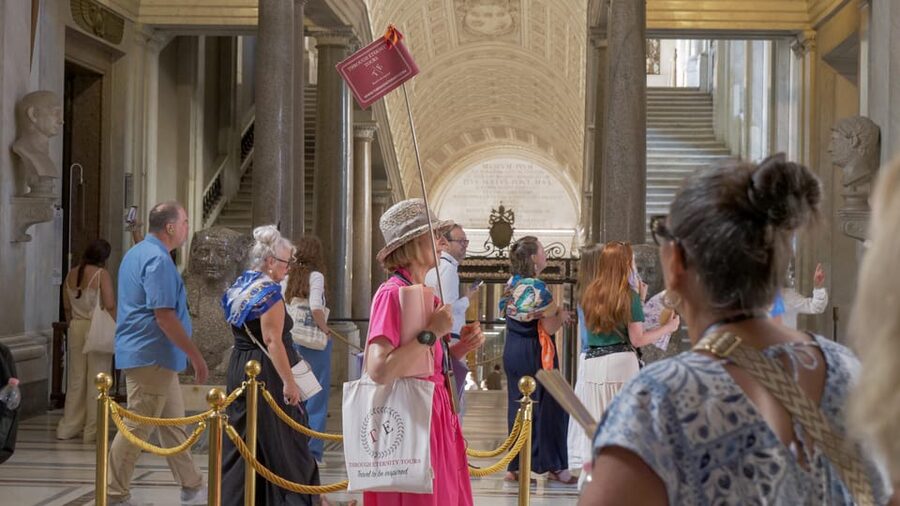
You start outside Café Vaticano, with your guide holding a Through Eternity sign or flag. Plan to arrive a little early so you’re not rushing to match names and faces. You’ll also end at Basilica di San Pietro in St. Peter’s area, though the activity description notes it ends back at the meeting point—so it’s smart to check your confirmation for the exact handoff at the end.
Entry rules are strict and simple:
- Each person needs a valid passport or government photo ID, and the name must match the booking.
- Dress for places of worship: no shorts, and no sleeveless shirts. Covered knees and shoulders are required.
It’s also a walking tour with steps and staircases, so comfortable shoes matter. Bring water—you’ll be on your feet long enough that you’ll feel grateful later.
One more “real life” consideration: because of the Jubilee, some monuments may be under restoration. If the operator sends a message about changes, take it seriously and build flexibility into your day.
The Vatican Museums: more than a checklist of famous paintings
Your museum time is built around the big themes the Renaissance artists cared about: antiquity, religious storytelling, and how art was displayed to make ideas feel real.
You’ll move through the Vatican Museums for about 3.67 hours with guided stops that typically include:
- Pinacoteca Vaticana: works associated with Leonardo da Vinci, Caravaggio, and Raphael
- Chiaramonti Museum: a major run of ancient sculpture you’ll likely never see in depth on a self-guided visit
- Gallery of the Candelabra: a classic Vatican setting for seeing how decorative objects support the overall visual language
- Gallery of Tapestries: textile works that help you “read” Renaissance display culture
- Gallery of Maps (Vatican Museums): where geography, symbolism, and power intersect visually
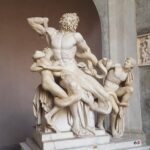
Here’s the practical benefit: ancient sculpture and Renaissance painting aren’t separate topics in this tour. You’ll connect the dots—how artists like Michelangelo and Raphael studied the ancient works excavated around their era, and how those same masterpieces remained in the spaces where they are preserved today. The talk includes examples such as the Laocoon, Belvedere Torso, and Apollo Belvedere—the kind of references that make you look differently once you’re standing in front of the real thing.
If you’re someone who gets bored by museum wanderings, this structure helps. It gives you a reason for every stop, and your guide can point out what to notice instead of leaving you to guess.
Pinacoteca, sculpture halls, and the “why it looks the way it does”
A lot of Vatican visitors race toward the “greatest hits.” This plan slows you down just enough to understand why the galleries feel the way they do.
In the sculpture-heavy areas (like Chiaramonti), the guide’s job is to help you read form: proportions, posture, expressions, and how classical ideals were treated as models. That matters because Renaissance art—especially the work you’ll see next—didn’t copy ancient statues like a modern remix. It studied them as visual education.
In the Pinacoteca Vaticana, you’re dealing with paintings by major names, but you get more than name recognition. The tour is set up so that when you move into later sections, you already understand what the artists were trained to value: composition, human expression, and narrative clarity.
Even the decorative stops (like the Candelabra and tapestries) are there for a reason. You’ll learn how the Vatican used art environments to shape interpretation—religious ideas presented through visual rhythm, not random placement. That’s why guided time here can feel more “worth it” than trying to plan every room yourself.
Raphael Rooms: frescoes you can actually place in time
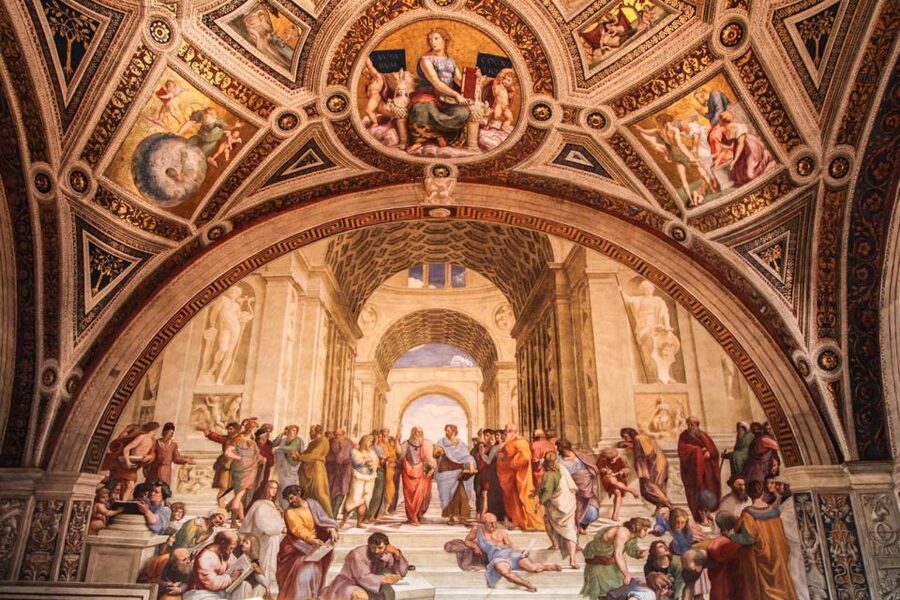
Next come the Raphael Rooms, and this is where the tour’s story-telling approach really pays off. You’re not just looking at frescoes—you’re learning what kind of world produced them: a papal court, Renaissance politics, and the cultural push to frame authority through art.
Your guide’s approach focuses on historical context and interpretation, so you understand what Raphael was doing beyond style. This helps if you’ve ever looked at a fresco and thought, That’s beautiful, but what am I supposed to notice first? Here, you get a guide that helps you “read” the frescoes in layers—figures, symbolism, and how the narrative fits into the broader Renaissance mindset.



A quick reality check
Raphael Rooms can be visually dense, and crowds can still be present even with VIP handling. The private guide setup helps because you’re not fighting for sightlines alone. You get directed viewpoints, and you spend less time circling while everyone else rushes.
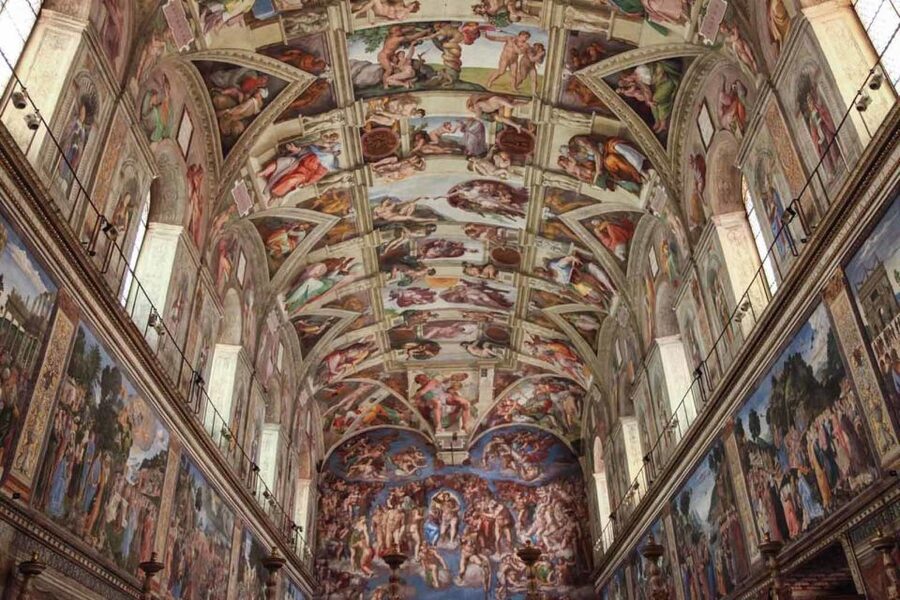
Sistine Chapel: Michelangelo’s ceiling, explained through the stories
The Sistine Chapel stop is short—about 20 minutes—but it’s intentionally targeted. This is not a “stand there and hope you understand it” kind of stop. The tour focuses on the ceiling’s figure stories and what they meant to the Renaissance worldview.
Your guide highlights themes tied to:
- Jonah
- Adam and Eve
- Noah
- and the imagery of the Last Judgement
Why that matters: once you connect those scenes to a larger theological and artistic framework, the ceiling becomes less like a huge painting and more like an organized argument. You start noticing how Michelangelo built emotion and meaning into anatomy, gesture, and expression—so the chapel feels like a crafted message rather than a random gallery ceiling.
Also, the tour’s overall pacing helps. By the time you reach the Sistine Chapel, you’ve already seen the art culture around it: ancient sculpture’s influence, Renaissance taste, and how artists studied their world. That makes the Sistine Chapel stop feel like the natural payoff instead of the isolated climax.
St. Peter’s Basilica: fast-track access and major moments
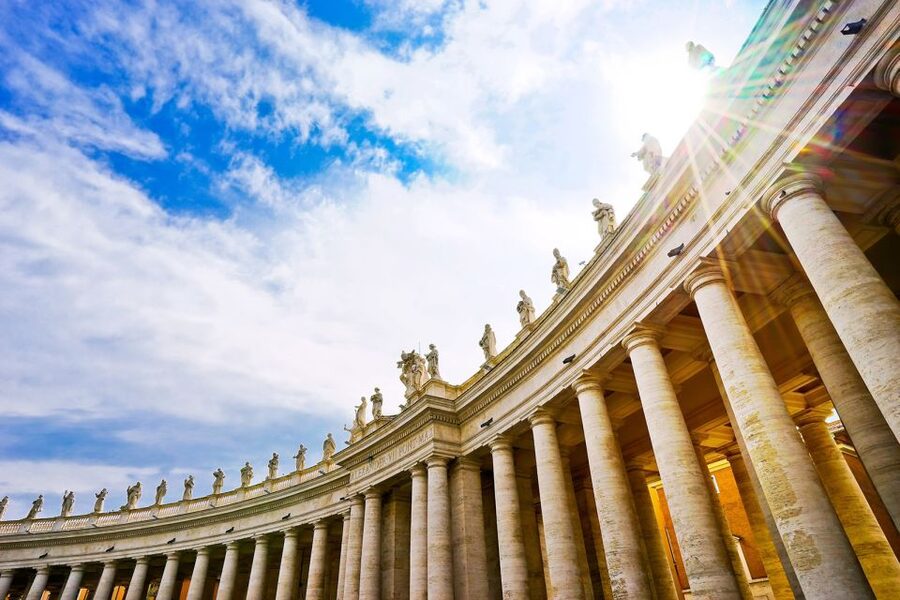
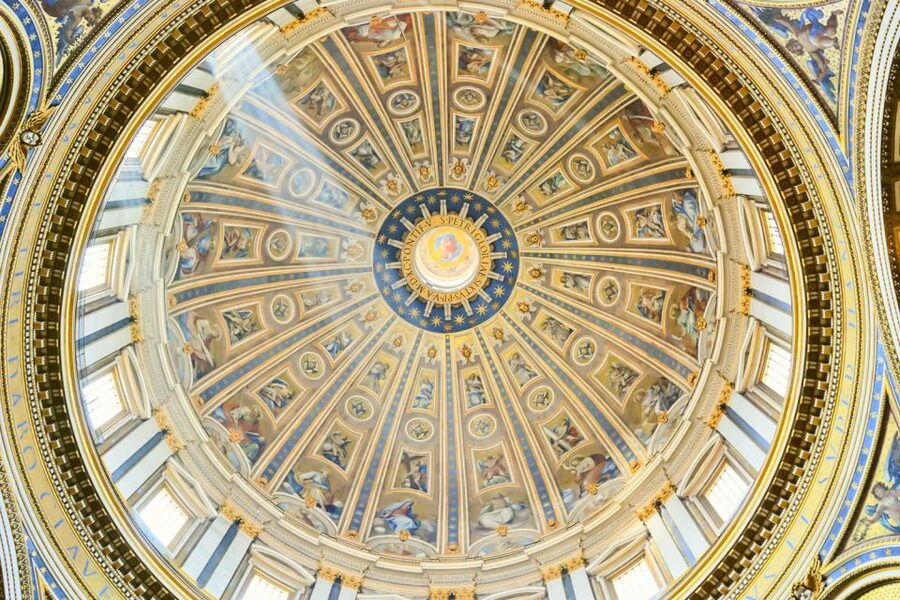
The tour ends with a guided visit inside St. Peter’s Basilica for about 1 hour. You get fast-track entry for this part, which is huge in practical terms. The basilica is famous, but it’s also easy to get stuck in slow-moving lines if you go at the wrong moment.
Your guide points you toward major highlights, including:
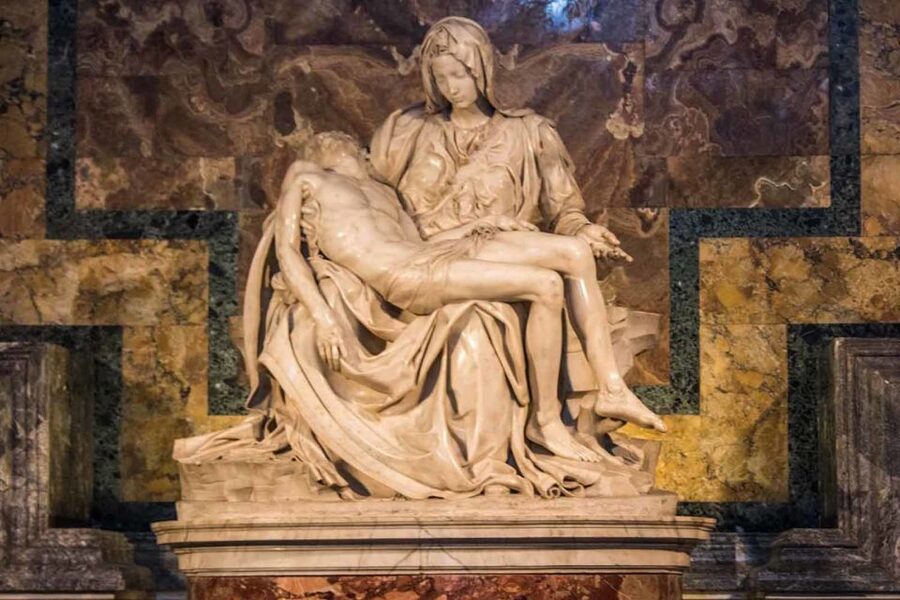
- Michelangelo’s Pietà
- Bernini’s canopy above St. Peter’s altar
- and a guided look at relics and religious tokens that have accumulated at the tomb site over nearly 2,000 years
This part isn’t only about art appreciation. It’s about how the space functions as a living center of Christian faith, with layers of devotion built into the architecture and objects. That’s why ending here feels meaningful: you move from the Renaissance’s artistic revolution inside the Vatican Museums to a place where religious identity is physically reinforced by centuries of ritual and art.
What to watch for
Even with a guide, this is a place of worship. Dress rules still apply, and the space can involve standing and moving through busy areas. Keep your expectations realistic: you’ll see the key moments, not every corner of the basilica in one hour.
Choosing the right guide focus (and using the private format well)
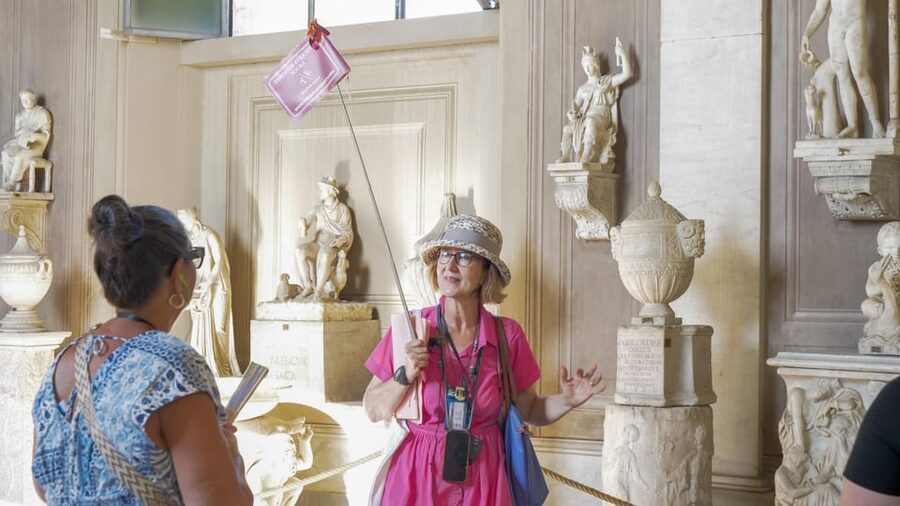
One of the most praised parts of this tour is the quality of the guide experience. Names that come up in standout accounts include Brandon, Guia, Tatiana, and Thomas. They’re praised for storytelling, keeping you moving through crowds, and making the art feel understandable.
You can also steer the tour yourself. A simple way to do this:
- If you care most about the Sistine Chapel, ask your guide to spend extra time on the specific ceiling stories tied to the Jonah/Eden/Noah themes.
- If you’re more into Renaissance process, ask about how ancient sculpture shaped what Michelangelo and Raphael could imagine.
- If maps and display design are your thing, emphasize the Gallery of Maps and tapestry areas.
Because it’s private, you’re not stuck with a one-size-fits-all pace. You can ask questions, request clarifications, and get help with what to notice while the art is still in front of you—not later, when it’s too late to see the details.
Who this Vatican VIP tour suits best
This tour is a great fit if:
- You want skip-the-line time and a private guide to reduce stress.
- You like art that has context—symbols, theology, and Renaissance ideas tied to real spaces.
- You’re doing the Vatican for the first time and want a clear route through the big sections without guesswork.
- You enjoy seeing how artists studied earlier works, especially ancient sculpture’s influence.
It may be less ideal if:
- You want long unstructured wandering with no schedule pressure.
- Your day requires lots of rest breaks, since it’s a walking tour with steps and staircases.
- You’re aiming for a super low-cost option. This is priced for a private guide and multiple major entrances.
The tour is listed as wheelchair accessible, but it still involves a walking route with steps and staircases. If mobility is a concern, mention it ahead of time so accommodations can be planned around your needs.
Should you book the Private VIP Vatican Experience Tour?
If your priority is seeing the Vatican’s top masterpieces with real guidance—and you don’t want to spend your energy fighting lines and crowd flow—this is a strong choice. The pricing makes sense because you’re paying for private time, guided interpretation, and efficient access across the Vatican Museums, Raphael Rooms, Sistine Chapel, and St. Peter’s Basilica.
I’d book it if you’re the type who wants the “why” behind what you’re seeing. You’ll leave with clearer connections: how Renaissance artists built on ancient works, how Michelangelo’s ceiling stories communicate ideas, and why St. Peter’s matters as more than a photo stop.
I’d think twice only if you prefer fully self-directed museum time or you’re short on budget enough that the private format isn’t worth it for you.
FAQ
How long is the Vatican Private VIP tour?
The tour runs for about 5 hours, with specific starting times depending on availability.
Where do I meet the guide, and where does it end?
You meet in front of Café Vaticano with a Through Eternity sign or flag. The tour finishes at St. Peter’s Basilica (Basilica di San Pietro), though the activity description also notes it ends back at the meeting point—check your confirmation for the exact end arrangement.
What parts of the Vatican and St. Peter’s are included?
You’ll visit the Vatican Museums (including special Pinacoteca time and several museum galleries), the Raphael Rooms, the Sistine Chapel, and then St. Peter’s Basilica, with guided time at each stop.
What dress code and ID do I need?
You must cover knees and shoulders. Shorts and sleeveless shirts aren’t allowed. You’ll also need a valid passport or government photo ID that matches the name used at booking.
What should I bring, and what items aren’t allowed?
Bring comfortable shoes and water. Large bags, tripods, and large umbrellas can’t be brought into the museums and must be left at the museum coat check.
Is this a private tour, and what languages are offered?
Yes, it’s a private group tour. The live guide is offered in English and Italian.
Is the tour wheelchair accessible if I use a wheelchair?
The tour is listed as wheelchair accessible. That said, it’s still a walking tour with steps and staircases, so it’s worth advising your guide of mobility needs when you book.