REVIEW · ZAGREB
VIP Experience Ticket: Video Game History Museum Zagreb
Book on GetYourGuide →Operated by Video Game History Museum · Bookable on GetYourGuide
A good day in Zagreb starts with pixel past. This Video Game History Museum in the city center turns gaming’s timeline into something you can walk through, from the 1960s to the early 2000s. I like that it’s not just glass cases; you get a real sense of how games, consoles, and arcade culture evolved over time.
Two things I especially like are the sheer scale and the hands-on focus. You’re looking at 3,000+ exhibits across three floors in about 800 square meters, and the museum leans hard into interactive and playable machines. One thing to keep in mind: some interactive stations may not work as well as you want on every visit, so build in flexibility and don’t be surprised if a few try-and-fail moments happen.
In This Review
- Key highlights you should care about
- Zagreb’s Video Game History Museum: what it feels like in real life
- VIP Experience Ticket: what you actually get for about $25
- Three floors of gaming history (1960s to early 2000s): your walking route through time
- A useful way to pace yourself
- Arcade legends: Computer Space and PONG and why that matters
- Rare consoles and computers: seeing the hardware behind the games
- The museum store and the souvenir strategy (10% discount included)
- Playing rules, exhibit etiquette, and how to keep the day stress-free
- Is this worth your time in Zagreb? Who the VIP ticket suits best
- Practical timing: how long you’ll want on the tickets you buy
- Should you book the VIP Experience Ticket?
- FAQ
- Where is the Video Game History Museum Zagreb located?
- How long is the VIP Experience Ticket valid for?
- What’s included in the VIP Experience Ticket?
- How much does the VIP ticket cost?
- What time periods does the museum focus on?
- How big is the museum?
- About how many exhibits can you expect?
- Are you allowed to eat or drink inside?
- Can you bring large luggage or oversize bags?
Key highlights you should care about
- Skip-the-line entry that saves time so you can get to the good stuff fast
- Intro tour that helps you understand what you’re seeing across decades
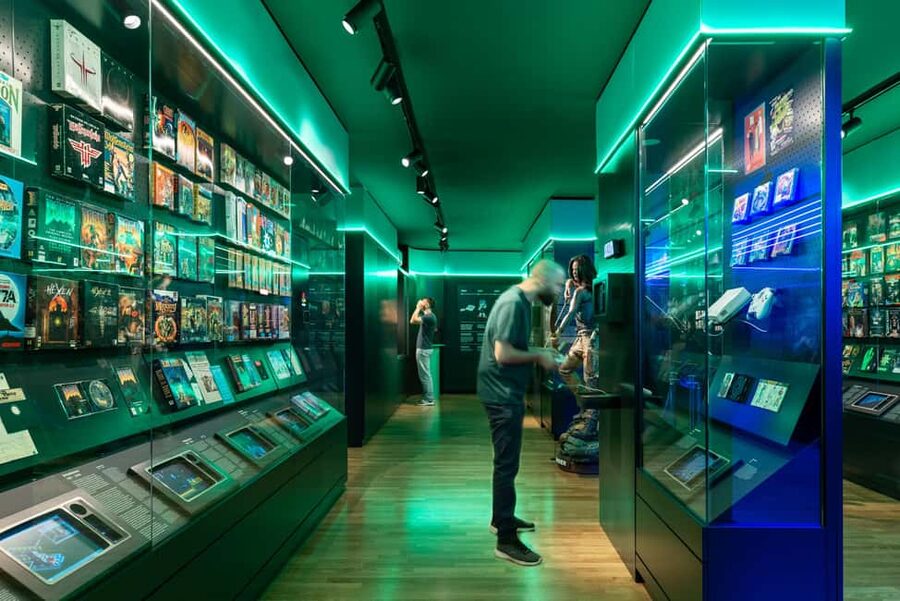
- 3,000+ exhibits spanning games, consoles, computers, and promotional material
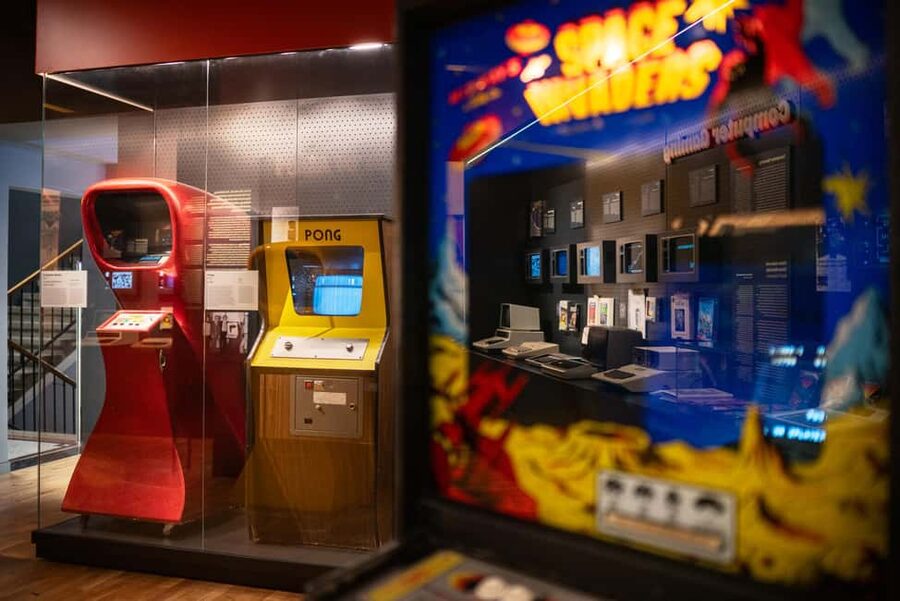
- Arcade legends like Computer Space and PONG
- Rare hardware + playable pieces designed to show how people actually used them
Zagreb’s Video Game History Museum: what it feels like in real life
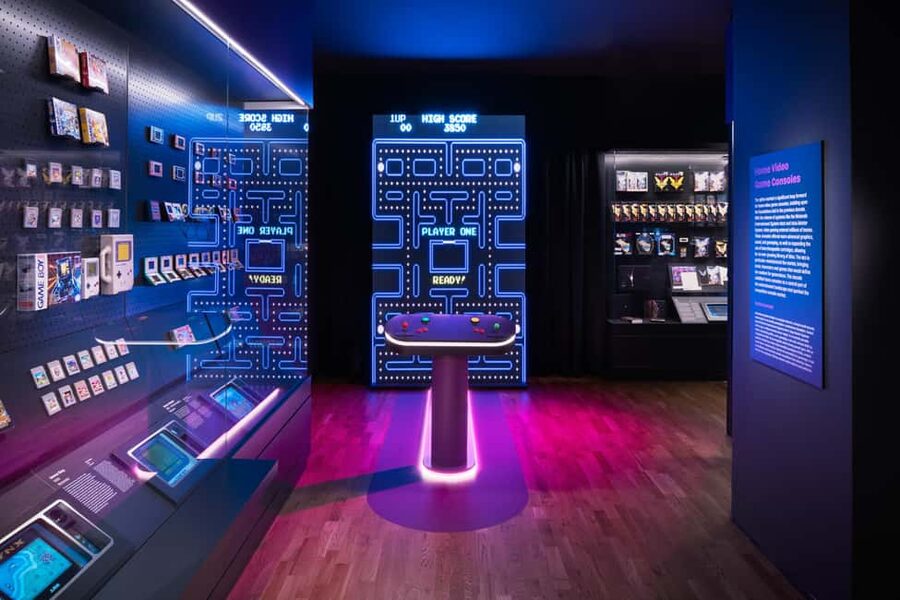
The museum is built around one big idea: video games didn’t just appear; they grew. You can follow that growth with your feet, not just with a timeline on a screen. It sits at Draškovićeva 10, right in the Zagreb city center, so you’re not committing to a far-out day trip to scratch this itch.
The layout matters. You’re in roughly 800 square meters spread over three floors, and that space is meant to cover a wide stretch of gaming culture. That’s what makes the visit feel satisfying even if you’re not a hardcore collector: you get the big story without needing a degree in hardware history.
And yes, the nostalgia factor is real. It’s the kind of place where a familiar logo or controller shape can snap you back into a feeling, even if your own gaming memories don’t go that far. The museum handles that with physical artifacts: consoles, computers, original artwork, and promotional pieces that show how the industry presented itself to the world.
You can also read our reviews of more tours and experiences in Zagreb.

VIP Experience Ticket: what you actually get for about $25
At $25 per person for the VIP Experience Ticket, you’re paying for speed, structure, and a few extras that make the day easier. The price is not just admission. It includes:
- Admission with a physical ticket
- Skip-the-line entry
- An intro tour
- Exclusive VGHM playing cards
- A 10% discount at the museum store
For value, the biggest practical win is the skip-the-line part. Museums like this can get busy, and shaving off wait time helps you spend more of your day where the action is: the playable exhibits and the arcade area.
The intro tour also matters more than it sounds. Without any guidance, it’s easy to treat a museum like a theme park of machines. With a short orientation, you’re better prepared to notice the connections: how early designs influenced later consoles, and how the look and feel of games changed as technology improved.
The playing cards and the store discount are small, but they’re the kind of add-ons that make the ticket feel like a VIP pass instead of standard entry. If you like bringing home something game-related that isn’t just a generic souvenir, you’ll appreciate that.
Three floors of gaming history (1960s to early 2000s): your walking route through time
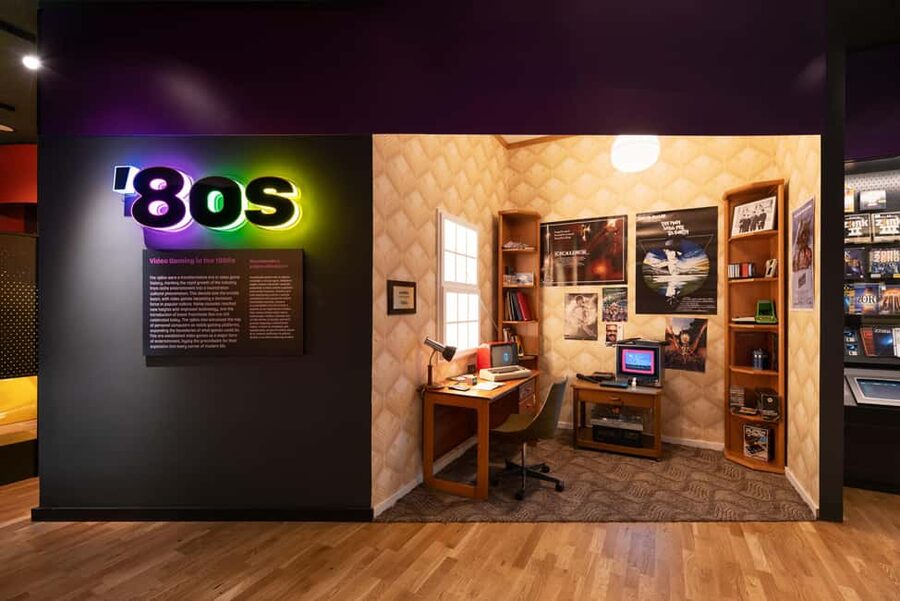
The museum covers video game history from the 1960s through the early 2000s. The experience is designed so you can move forward through eras without needing a strict checklist. Expect to see a lot of the same themes repeated with different technology: input methods, display styles, and how games were packaged for players.
As you go, you’ll notice that the exhibits are not only about what a machine could do. They also show how people interacted with games in real life. Some exhibits are built to be played, and some are there to show the cultural context around gaming, like promotional materials and original artwork.
A useful way to pace yourself
Don’t try to sprint. This is a museum where you’ll want short stops and then a return to the next cluster of exhibits. If you have any interest in arcade culture, set aside extra time for the machines that “feel like the real thing,” because the interactive element is a major part of the appeal.
Also, keep in mind that the museum’s rules include no touching the exhibits. That sounds contradictory in a place known for playable stations, but it’s usually meant to protect non-playable displays. Plan to focus on the machines you’re clearly allowed to use and treat everything else as display-only.
Arcade legends: Computer Space and PONG and why that matters
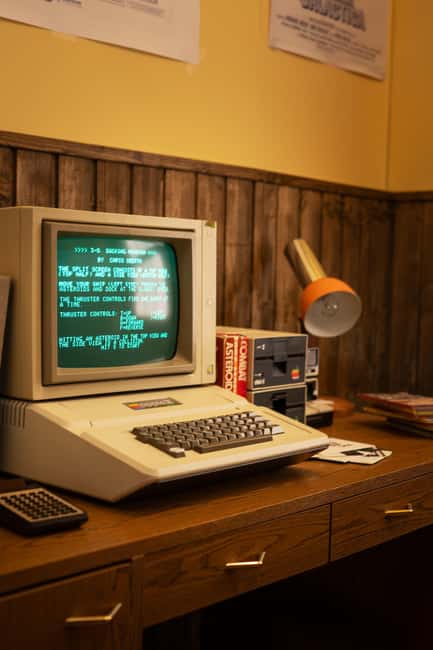
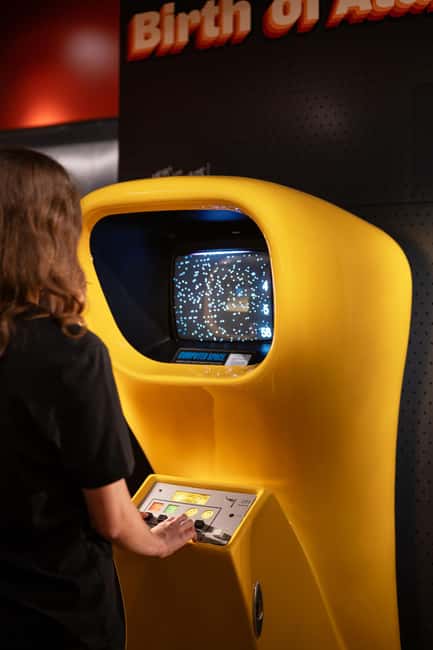
If you like the early days of gaming, the arcade exhibits are one of the easiest parts of the museum to understand and enjoy. You’ll be able to spot major arcade names, including Computer Space and PONG.
Why those two? They represent a shift. Early games weren’t just entertainment; they were proof-of-concept devices that showed the public that interactive play could be a new kind of mass media. In a museum setting, seeing those arcade classics next to other machines helps you connect the dots between simple gameplay and later complexity.
The best move here is not to treat arcade history like a museum-only lesson. Treat it like a craft story. Watch how controls are arranged, how the cabinet is designed, and how the experience is set up for quick, repeat play. Even if you don’t play every machine, the physical layout is part of the point.
One caution: because there are many interactive pieces, not every station may be running perfectly during your visit. If a machine looks tempting and then doesn’t respond, don’t assume you’re doing something wrong. Just move to the next one and come back later if it’s available.
Rare consoles and computers: seeing the hardware behind the games
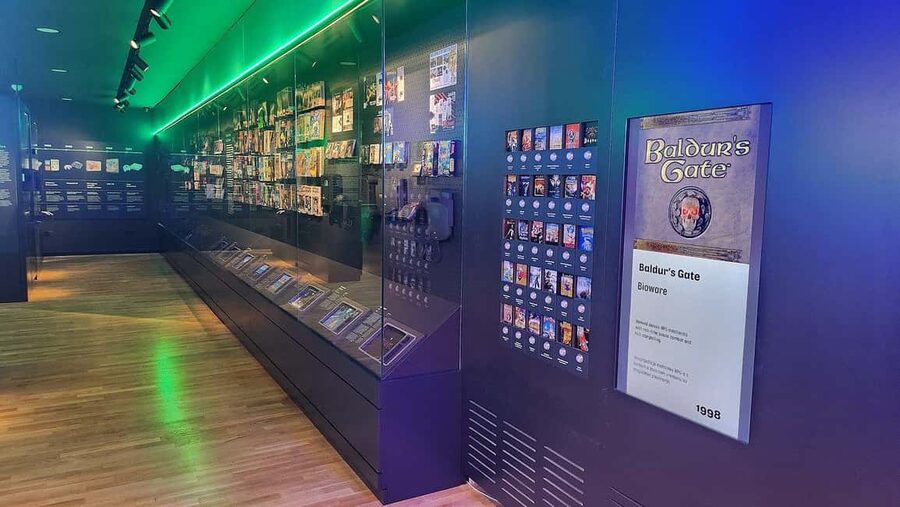
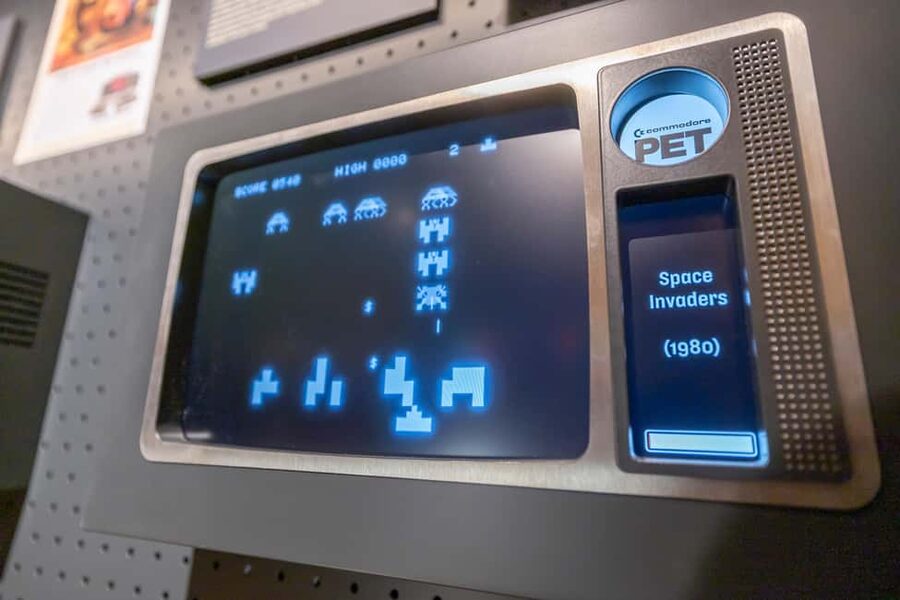
Beyond arcade machines, the museum gives you access to the hardware side of gaming history. You’ll encounter rare consoles, computers, and other original artifacts that show how devices were built, branded, and marketed.
This section of the museum is where you start noticing patterns that connect decades. You can see how design choices evolved: what kinds of ports were used, how peripherals connected, and how systems were physically presented to players. That matters because video games are more than software. Hardware is part of the story—how it feels, what it can support, and how it limits or enables what developers can do.
If you enjoy “what’s under the hood,” this part is likely to be your favorite. Even if you don’t know the exact model names, the visual differences can tell you a lot. Think of it like watching car design change over time: you might not know every engine spec, but you can still see the era.
The museum also includes original artworks and promotional materials, which help explain why the industry grew so fast. Those items show how companies sold the dream of gaming, not just the machines.
The museum store and the souvenir strategy (10% discount included)
The VIP ticket includes a 10% discount at the museum store, which is a rare perk that actually influences your spending decision in a practical way. If you’re the type who likes a small keepsake, you’ll likely find something more specific to the museum theme than a generic Zagreb souvenir.
My advice: wait until you’ve toured the exhibits before buying. It’s easier to spot what feels meaningful after you’ve seen what the museum covers. And if the store stocks items related to the machines you enjoyed most, the discount becomes more than a savings trick—it becomes part of your “I earned this” moment.
If you prefer to travel light, keep in mind your luggage rules. The museum does not allow oversize luggage and also restricts certain items. A small bag is usually the difference between relaxed browsing and a stressful check-in situation.
Playing rules, exhibit etiquette, and how to keep the day stress-free
Museums run on two things: care and control. Here, the controls are part of the experience because many exhibits are physical and interactive, meaning they need protection.
A few rules you should plan around:
- No touching the exhibits (even if you’re tempted—interactive areas will be the exception)
- Food and drinks are not allowed
- Smoking and vaping are not allowed
- No drones, pets, or mobility scooters are listed as not allowed (assistance dogs are allowed)
- No large bags / luggage and restrictions on oversized items
In practice, that means you’ll want to travel with minimal carry-on. Wear comfortable shoes, and keep your bag manageable. This kind of museum is full of small details—if you’re holding a heavy bag and constantly adjusting it, you’ll spend less time looking closely.
Also, since interactive stations are a big part of the fun, it helps to be a patient person. If a controller or machine isn’t behaving, give it a minute and move on. And if you’re traveling with kids, be ready for the reality that a place with vintage hardware can get damaged by careless behavior. The museum clearly expects respect for the equipment.
Is this worth your time in Zagreb? Who the VIP ticket suits best
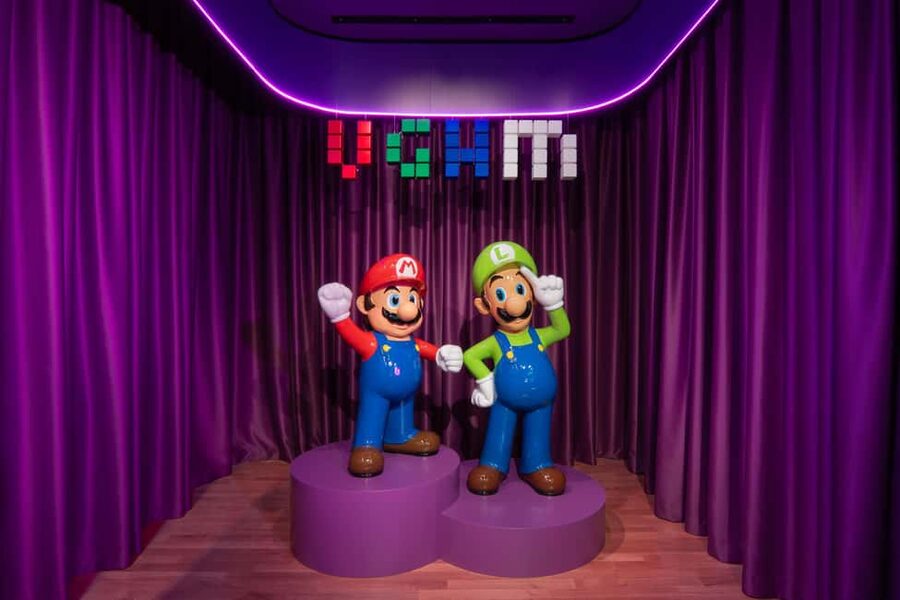
This is a great fit if you fall into any of these categories:
- You like retro tech and hardware as much as games
- You enjoy arcades and want to see how early gaming culture worked
- You’re traveling with someone who grew up with consoles and computers (and wants the shared nostalgia)
- You want a one-day activity in Zagreb that feels different from the usual museums
It’s also worth your time if you’re curious about how video games became a major industry. The museum makes that point by showing the evolution from early experiments through decades of growth. The scale is part of the story: the museum presents the industry’s expansion as something larger than film and music combined, which gives you context for why these artifacts matter.
If you’re only interested in modern gaming esports and current consoles, you might not get as much from a museum focused on 1960s to early 2000s. But if you’re even mildly curious about how games got to where they are today, this place does a solid job of showing the path.
Practical timing: how long you’ll want on the tickets you buy
Your VIP ticket is valid for 1 day. So think of this as a flexible entry for a single visit window on your Zagreb schedule. For your own planning, I’d treat it as a full museum stop, not a quick hour-and-out.
Because there are three floors and 3,000+ exhibits, you’ll feel rushed if you only give it half attention. If you want to play more than a few machines, plan extra time for waiting at stations and reading what’s in front of you.
Should you book the VIP Experience Ticket?
If your priority is getting in smoothly and getting help understanding the collection, I’d book it. The VIP package includes skip-the-line entry plus an intro tour, and that combination is exactly how you turn a museum visit into a smarter, less chaotic experience.
Book it especially if you:
- Want the best shot at a smooth start in the Zagreb city center
- Like hands-on exhibits and arcade classics like Computer Space and PONG
- Appreciate hardware, promotional material, and the real physical side of gaming history
- Like small perks like the exclusive playing cards and the 10% store discount
Skip it only if you’re strictly short on time and you’d rather browse at your own pace without any orientation. Otherwise, for $25 you’re buying more than entry—you’re buying structure, access, and a fun day built around machines.
FAQ
Where is the Video Game History Museum Zagreb located?
It’s located in Zagreb city center at Draškovićeva 10.
How long is the VIP Experience Ticket valid for?
The ticket is valid for 1 day.
What’s included in the VIP Experience Ticket?
It includes admission with a physical ticket, skip-the-line entry, an intro tour, exclusive VGHM playing cards, and a 10% discount at the museum store.
How much does the VIP ticket cost?
The price is $25 per person.
What time periods does the museum focus on?
The museum focuses on video game history from the 1960s to the early 2000s.
How big is the museum?
It covers more than 800 square meters across three floors.
About how many exhibits can you expect?
There are more than 3,000 exhibits.
Are you allowed to eat or drink inside?
No. Food and drinks are not allowed.
Can you bring large luggage or oversize bags?
No. Oversize luggage and large bags are not allowed.