REVIEW · YAMANOCHI
VIP Snow Monkey Park & Zenkoji Temple One Day Private Tour
Book on GetYourGuide →Operated by Sato Tours · Bookable on GetYourGuide
Hot-spring monkeys, then a temple built for quiet awe. This private one-day route links Nagano’s most famous macaques with Zenko-ji, then continues toward Hakuba for a winter change of scenery. You get pickup in Nagano or Tokyo, plus an air-conditioned vehicle and Wi‑Fi, so the day stays comfortable even when the schedule is full.
I especially like two parts: the up-close snow monkey time at Jigokudani (no barriers and a strict no-feeding policy), and the guided Zenko-ji stop that helps you understand what you’re looking at beyond pretty photos. The pace also feels considerate, with break time, free time, and shopping built into the flow.
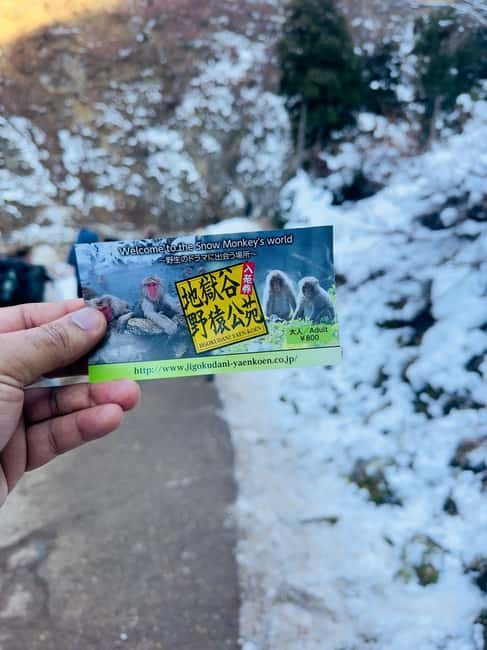
One thing to plan for: the main sites have extra costs and meals are on you, so your final total will be higher than the tour price once you add the 800 yen entry fee and lunch.
In This Review
- Key highlights worth your attention
- A private Nagano-and-Hakuba day that’s built for comfort
- Zenko-ji Temple: the hidden-image story you’ll hear while you walk
- Nagano town time: photos, walking, and a low-stress hour
- Jigokudani Monkey Park: the hot-spring moment up close
- Walking and timing: plan for an easy-to-moderate winter trek
- Etiquette that matters
- Hakuba Goryu Snow Resort: winter scenery plus a class block
- Price and value: what $387 covers for up to 5
- Practical tips to make this one-day schedule feel easy
- Should you book this VIP Snow Monkey and Zenko-ji private day?
- FAQ
- Where does pickup happen for this tour?
- How many people can be in a group?
- Is this tour private or shared?
- Is the vehicle air-conditioned and does it have Wi‑Fi?
- What languages does the driver speak?
- Is wheelchair access available?
- Are entry fees included in the price?
- Is lunch included?
- How long do you get at Zenko-ji?
- What is the cancellation policy?
Key highlights worth your attention
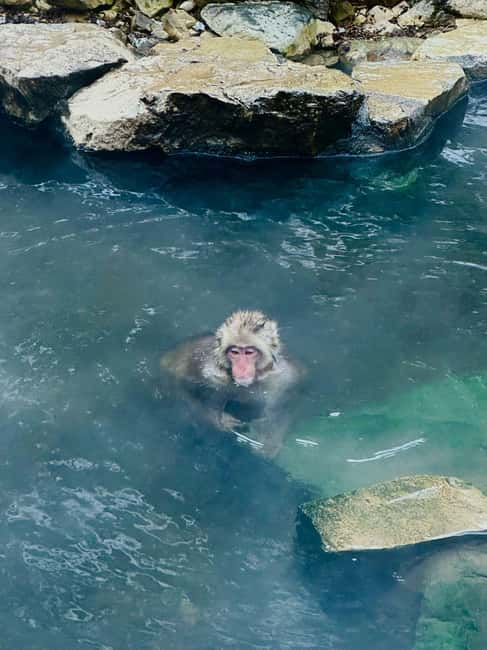
- Real hot-spring monkey viewing at Jigokudani, where macaques aren’t separated by barriers
- Non-feeding rules that help keep the animals calm and you safe while you watch natural behavior
- Zenko-ji with guided context + self-guided time, including museum and shopping time
- Pickup that’s flexible (Nagano or Tokyo, and you can request your pickup spot)
- Comfort upgrades: air-conditioning and onboard Wi‑Fi in a vehicle matched to your group
- A winter-focused day plan that pairs monks and monkeys with Hakuba Goryu snow scenery and a class block
A private Nagano-and-Hakuba day that’s built for comfort
This is a one-day private tour in Honshu that’s designed for groups who don’t want to babysit transit schedules. You can start from either Nagano or Tokyo, and you can request pickup from your hotel, Airbnb, private resort, apartment, or the nearby station area. That matters because Nagano-area logistics can be tricky when you’re juggling timing between temple time, monkey-park walking, and winter road conditions.
The format is also practical. It’s a private group (up to 5 in your party), with a driver who speaks English plus Punjabi, Hindi, and Urdu. The vehicle has air-conditioning and Wi‑Fi, which sounds like a small luxury until you’re sitting in the car long enough to appreciate a cool head and a charged phone.
And the routing is thoughtful in a very human way: it mixes two kinds of famous. Jigokudani Snow Monkey Park is about wild-life wonder at close range. Zenko-ji is about spiritual heritage you can actually understand while you’re standing in front of it.
Zenko-ji Temple: the hidden-image story you’ll hear while you walk
Zenko-ji isn’t just a photogenic temple stop. The tour’s visit includes a guided tour, photo time, and free time, plus a museum visit and opportunities for shopping and browsing nearby streets.
What makes Zenko-ji especially interesting is the story behind the main image. The temple’s origins trace back to 642, when Yoshimitsu Honda enshrined a Buddhist Image at what’s now the present site. The main image is said to have been created in India, introduced to Japan through Buddhism arriving via Paekche on the Korean Peninsula in 552. It’s associated with the name Image of Sangoku Denrai, and the belief was that it could lead people to the Buddhist Pure Land no matter their status, gender, or creed.
Here’s the part you’ll want to remember during your visit: the main image was completely hidden from the people in 654, and since then no one has ever been allowed to see it. That shapes the whole feel of the place—worship here is about devotion and tradition more than about sightseeing the way you might think of it in other spots.
In your schedule, you’ll get about an hour of self-guided time after the guided tour. That’s enough to slow down, find your preferred viewing points, and spend time in the museum without feeling rushed. Just don’t treat it like a quick photo stop—give it time to make sense.
Practical note: temples involve walking and uneven areas. If you’re with seniors or anyone needing easier routes, this private setup helps because your driver and guide can adjust pacing.
Nagano town time: photos, walking, and a low-stress hour
After Zenko-ji, the plan includes another Nagano stop with photo opportunities, a visit, a guided segment, and then free time for shopping and sightseeing. The schedule gives you about one hour of walk-and-explore time.
This is the kind of buffer that makes the rest of the day feel easier. When you go straight from Zenko-ji into the monkey park, it can feel like back-to-back checklists. That extra Nagano town time helps you reset, pick up small souvenirs, and take photos without racing a timeline.
Also, it’s just useful to have a local guide’s eyes during a quick town segment. Even when you’re not looking for a big ticket attraction, it helps you decide what’s worth your steps and what’s not.
If you’re traveling with kids, this is a good spot to switch from temple quiet to something more playful. If you’re traveling as a couple, it can be a chance to grab a snack and absorb the atmosphere before the winter drama at Jigokudani.
Jigokudani Monkey Park: the hot-spring moment up close
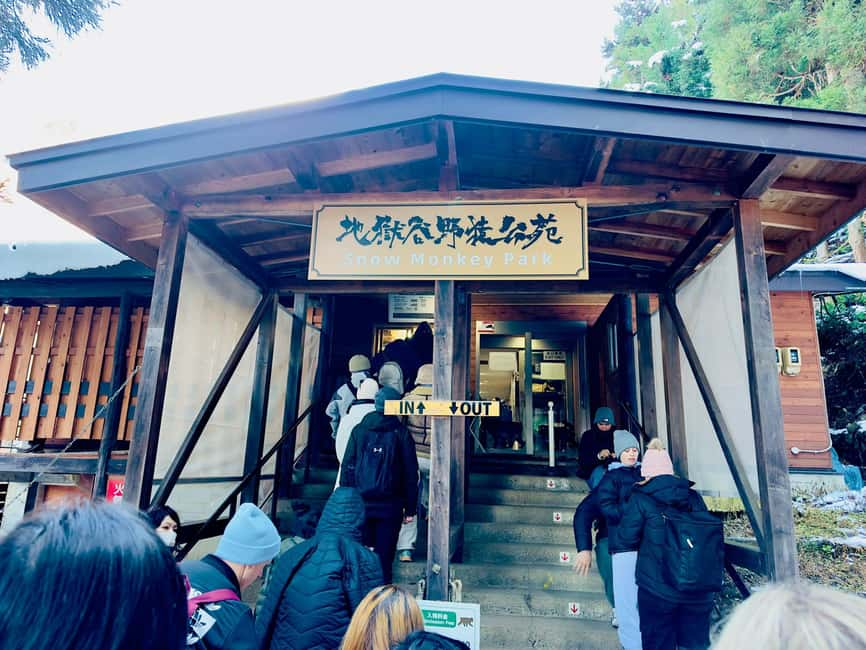
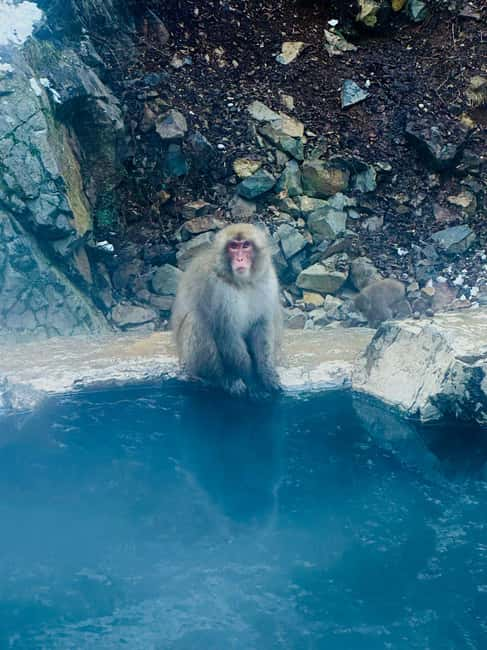
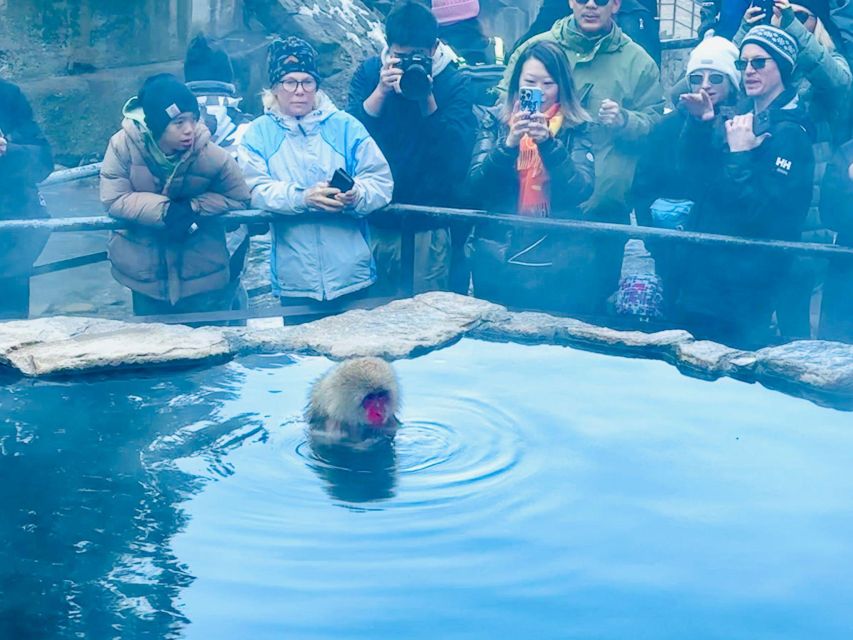
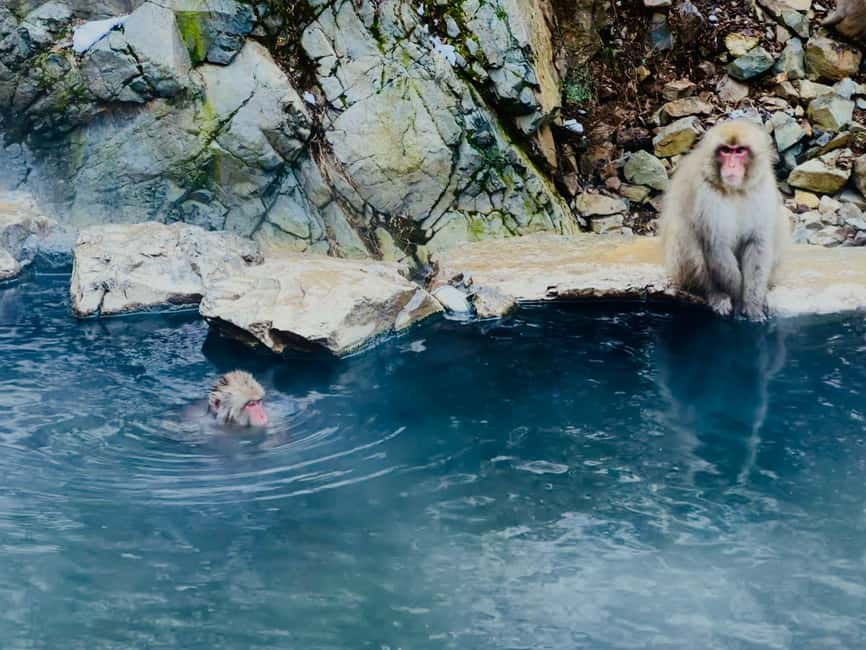
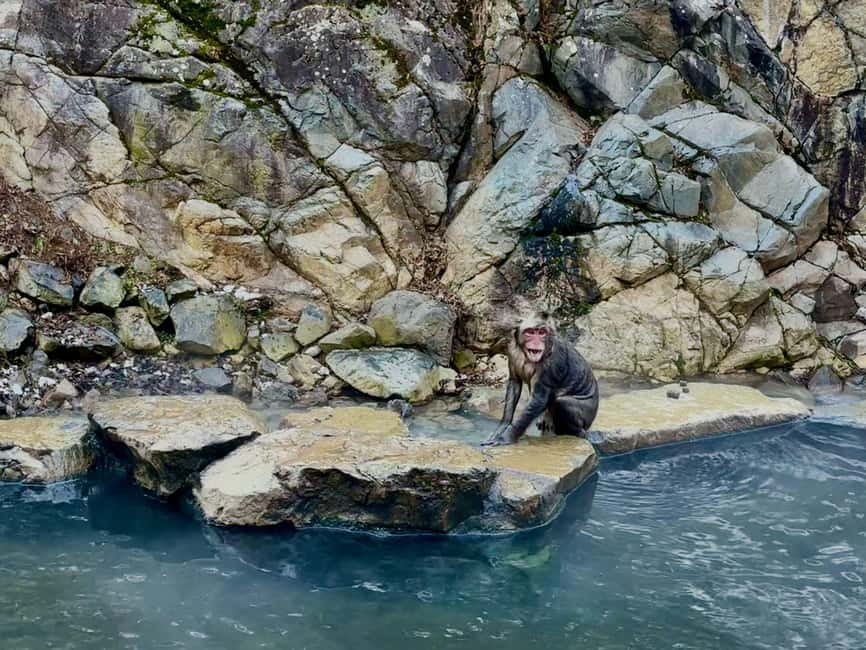
Jigokudani Monkey Park is the headline, and for good reason. This conservation area was established in 1964 to protect a local troop of monkeys threatened by urban development. Over the generations, the macaques have stayed in their natural territory close to humans, and they’re comfortable with visitors.
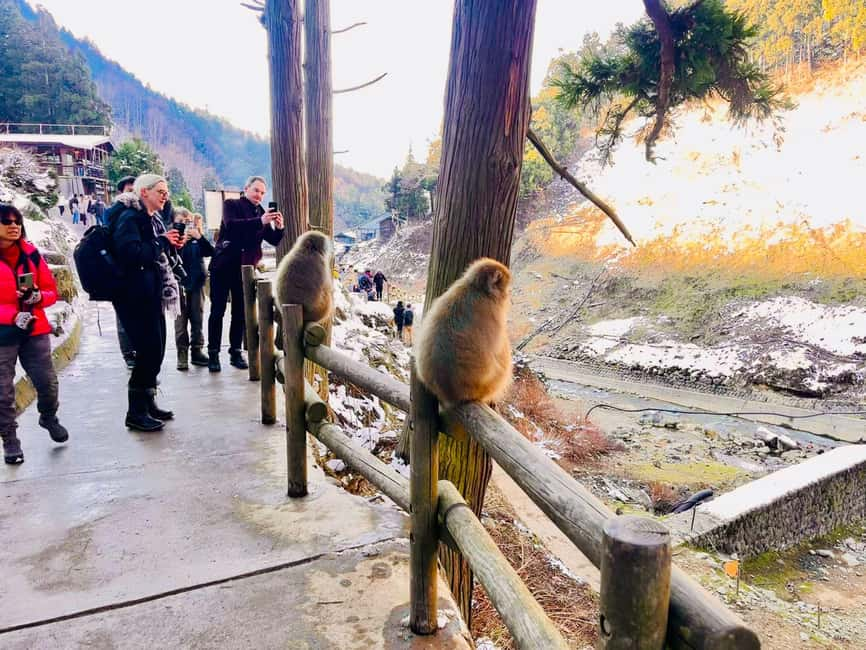
The rules are key to why the experience works. There are no barriers keeping visitors and monkeys separated, and there’s a long-established policy forbidding guests to feed them. That combination helps keep the monkeys non-aggressive, so you can watch daily behavior in a near-natural way.
What you’re looking for isn’t just the famous soaking in hot springs. You’ll likely notice routines like:
- grooming each other
- foraging and interacting with food
- nursing young ones
- wrestling and playful sparring
These details are what make the park feel less like a zoo and more like a front-row seat to animal life. When macaques move around you with total ease, it changes how you see them.
Walking and timing: plan for an easy-to-moderate winter trek
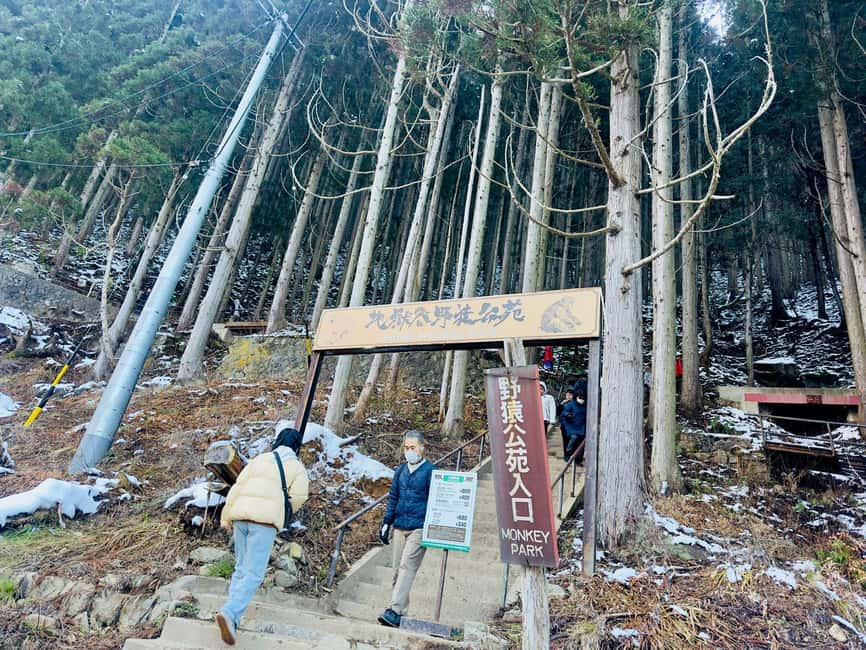
A good part of the experience is the approach. One winter review described a 1.6-kilometer hike through tall trees, and they used snowshoes to avoid slipping on the icy path. You shouldn’t assume snowshoes will be provided for everyone, but it’s smart to expect icy conditions in winter and dress and pack accordingly.
In general terms, you should plan for a winter-walk rhythm:
- a walk in and out
- time for slow monkey watching
- breaks if temperatures or footing get uncomfortable
This isn’t a “stand in one place for 10 minutes” stop. It’s a nature-style outing, and the payoff comes when you give the monkeys room to do their thing.
Etiquette that matters
Even with a no-feeding rule, your behavior still sets the tone. Keep distance, avoid sudden movements, and don’t try to bait attention for photos. Let them ignore you. That’s the magic.
Hakuba Goryu Snow Resort: winter scenery plus a class block
The last major stop takes you toward Hakuba Goryu Snow Resort. The idea here is to keep your day moving from Japanese cultural heritage to a winter scene with more action and energy.
Your schedule includes break time, photo stop options, a guided visit, and then self-guided time, plus a class block (2 hours). The data doesn’t spell out exactly what kind of class this is, but it’s clearly part of the program and worth confirming for your exact date. If it’s a ski or snowboarding lesson, you’ll want to ask about included equipment and what you need to bring.
Even if you’re not an experienced winter sport person, the day still works because the car ride includes scenic viewing opportunities on the way, with a nod to the Alps and Japan’s natural beauty. That matters because it turns transportation into part of the experience rather than just “getting there.”
What to pack for this portion:
- warm layers you can move in
- gloves that handle cold and gripping tools
- shoes or boots with decent traction
- a small bag for snacks/water (since lunch isn’t included)
If you’re traveling with seniors or anyone who gets cold easily, build in a realistic plan: this leg can be visually great, but you’ll still feel the winter outdoors.
Price and value: what $387 covers for up to 5
At $387 per group (up to 5 people), the math depends on your group size and what you hate doing. If you’re traveling with 3–5 people, a private vehicle can actually feel like good value compared with paying for multiple tickets and coordinating public transport plus taxis between far-apart stops.
Here’s what’s included:
- Private tour
- fuel surcharge
- “all tool taxes” (as listed)
- Wi‑Fi on the board
- air-conditioned vehicle
This is the kind of package that reduces hassle. The driver also handles pickup from hotels/Airbnb/resorts/apartments and nearby stations, so you’re not stuck figuring out the last-mile.
What you should budget separately:
- entry fee of 800 Japanese yen per adult
- alcoholic beverages
- lunch
- breakfast
- dinner
Meals not being included can sting if you’re hungry at peak times, but it also gives you flexibility. I like tours where you can choose what fits your diet and cravings instead of being forced into one set menu.
If you’re trying to estimate costs, treat the 800 yen per adult as the big “known extra” and then plan for lunch. For a group of 4–5 adults, that entry fee adds up quickly enough to feel worth factoring in before you book.
Practical tips to make this one-day schedule feel easy
This day is packed with variety, but it’s still manageable if you treat it like a plan for comfort, not speed.
First: start with the pickup. You can request your specific address or pickup point, and your driver picks travelers from hotels, Airbnb, private resorts, apartments, and nearby stations. If your lodging is hard to find or you have a tricky entrance, send clear instructions.
Second: bring the right footwear. The monkey park involves walking in winter conditions. One review mentioned an icy path and snowshoes, which is a good reminder that traction matters. Even if you don’t use snowshoes, you’ll want shoes that grip.
Third: keep your expectations realistic about time outdoors. Jigokudani is the kind of place where you can easily lose track of time. Build in that you’ll want photo moments and quiet observation. The schedule includes breaks and viewing time, but you still shouldn’t plan to treat everything like a quick checklist.
Fourth: plan for language and communication. The driver speaks multiple languages (English, Punjabi, Hindi, Urdu). That’s helpful for families and for anyone who wants reassurance about where to go next and what rules matter.
Fifth: accessibility. The tour is listed as wheelchair accessible. Since temples and parks can involve uneven surfaces, I’d still consider asking about the smoothest possible routes once you know your exact group needs.
Finally: weather and cancellation comfort. The activity includes free cancellation up to 24 hours in advance for a full refund, and it also offers a reserve-now-pay-later option. That’s useful in winter, where weather can mess with timing and confidence.
Should you book this VIP Snow Monkey and Zenko-ji private day?
Book it if you want a low-stress, private day that mixes iconic Nagano wildlife with a guided temple experience and then adds winter scenery at Hakuba. This is especially strong for families, couples, friend groups, and seniors because the structure includes breaks, guided time, and free time in a way that doesn’t leave you guessing.
I’d skip it or at least compare it to alternatives if:
- you already have your own transport and don’t mind planning
- you hate paying extra for entry fees and meals
- you’re expecting a super short, minimal-walking wildlife stop (this is more of a winter outing)
If you want the best version of this day, ask a couple quick questions before you go:
- confirm what the class block at Hakuba Goryu includes for your date
- ask about what winter gear is helpful for the monkey park walk
- clarify your preferred pickup point early so the day starts smoothly
Bottom line: for many people, the value here isn’t just seeing snow monkeys. It’s seeing them with a guide-driven plan that keeps the logistics calm, the rules clear, and your time in Nagano actually enjoyable.
FAQ
Where does pickup happen for this tour?
Pickup is available from either Nagano or Tokyo. You can also ask for your specific address/location for pickup, including hotels, Airbnb, private resorts, apartments, and nearby stations.
How many people can be in a group?
It’s a private group with a price listed per group up to 5 people.
Is this tour private or shared?
It’s private, meaning your group travels together with the driver/guide service.
Is the vehicle air-conditioned and does it have Wi‑Fi?
Yes. The tour includes an air-conditioned vehicle and Wi‑Fi on the board.
What languages does the driver speak?
The driver speaks English, Punjabi, Hindi, and Urdu.
Is wheelchair access available?
Yes. The tour is listed as wheelchair accessible.
Are entry fees included in the price?
No. The tour price does not include the entry fee of 800 Japanese yen per adult.
Is lunch included?
No. Lunch is not included (breakfast and dinner are also not included).
How long do you get at Zenko-ji?
The schedule includes a guided visit and time for free exploration, including about 1 hour of self-guided time.
What is the cancellation policy?
You can cancel up to 24 hours in advance for a full refund.