REVIEW · ROME
VIP Vatican Museums & Sistine Chapel Experience
Book on Viator →Operated by Carpe Diem Tours · Bookable on Viator
Skip the chaos, hit the masterpieces.
This VIP Vatican Museums & Sistine Chapel tour is built for sanity: you get fast-track entry to see the best of the Museums quickly, then you finish with a guided stop at Michelangelo’s ceiling in the Sistine Chapel before you explore St. Peter’s Basilica on your own.
I like two things a lot. First, you’re not stuck outside with everyone else—you’re pushed through the entrance system faster, which means more time where it matters. Second, the small group size (up to 13) helps the guide keep things moving with real attention to what you’re looking at, from first-time visitors to families; guides such as Maria, Susana, Daniele, Barbara, and Ivana are mentioned for pacing and keeping the visit lively.
The main drawback to consider is audio. At times, people reported the headset could be hard to hear clearly, so don’t assume every word will be crystal. Also keep an eye out for Jubilee-related messages, since some things may be under restoration.
In This Review
- Key highlights you should care about
- VIP in the Vatican: what the fast-track really changes
- Where you meet (Viale Vaticano) and why the mobile ticket matters
- Vatican Museums in about 90 minutes: a route that fights the maze
- What you’ll get from the guide here
- Watch-outs during the Museums portion
- Sistine Chapel: why the timing and the silence matter
- The quiet experience is part of the show
- How to get the most out of your short time
- After the tour: continuing to St. Peter’s Basilica on your own
- Small group size (up to 13) and the pacing that makes it work
- One more reality check
- Price and value: what $91.87 buys you (and what it doesn’t)
- Who this tour fits best
- Jubilee and restoration notes: how to stay flexible
- Should you book this VIP Vatican Museums & Sistine Chapel tour?
- FAQ
- How long is the VIP Vatican Museums & Sistine Chapel Experience?
- What’s the price per person?
- Does the skip-the-line ticket include entry to the Sistine Chapel?
- Is the tour a small group?
- Where do I meet for the tour?
- Where does the tour end?
- Is there any mention of a mobile ticket?
- Are there any possible changes due to the Jubilee?
- What’s the cancellation policy?
Key highlights you should care about
- Fast-track entrance helps you gain time inside the Vatican Museums
- Small group (max 13) keeps the experience personal instead of rushed
- Guided route through the Museums saves you from getting lost in a place the size of a city
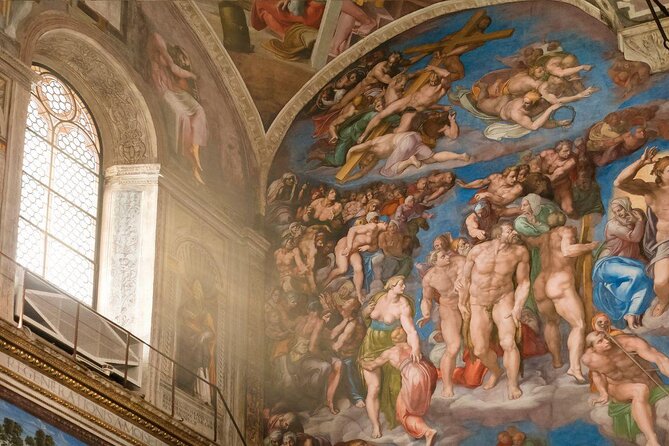
- Sistine Chapel with a guide for context before you take in the ceiling
- Tickets included for the Vatican Museums and entry to the Sistine Chapel
- Finish where you can continue to St. Peter’s Basilica independently
VIP in the Vatican: what the fast-track really changes
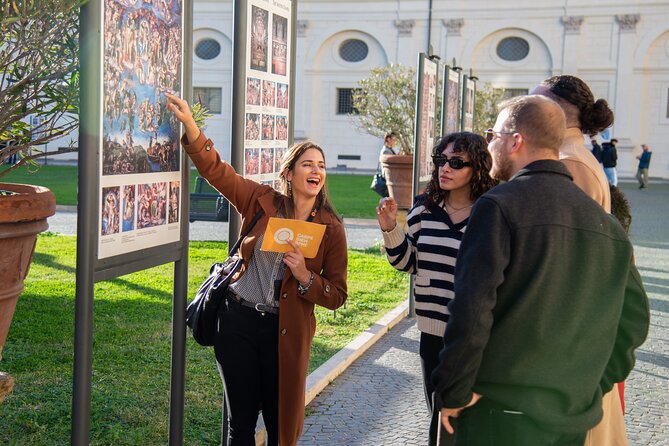
The Vatican Museums are famous for one thing: waiting. Even people who love art can feel their energy drain while standing in line. This tour’s big advantage is that it treats time like a resource. You skip the long entrance process and head toward the highlights faster, so you’re less likely to spend the best part of your day simply watching other people shuffle forward.
There’s also a practical side. The Museums are enormous—think a city inside a city, inside a city. With more than 1,000 rooms and centuries of artwork, walking in on your own can feel like guessing. A guide’s job here is to keep you from wandering for hours with no payoff. The best part is that the route is set up to move efficiently while still giving you context for what you’re seeing.
The tour also keeps the day structured. You’re not trying to cram everything into one exhausting loop. Instead, you get a focused Museums visit, then a controlled Sistine Chapel window, then you’re free to explore St. Peter’s Basilica after.
You can also read our reviews of more tours and experiences in Rome.

Where you meet (Viale Vaticano) and why the mobile ticket matters
You meet at Viale Vaticano, 100, 00192 Rome. It’s a central Vatican-area meeting point, and it’s listed as near public transportation, which matters because Rome can be slow-going once crowds kick in around the Vatican.
The tour uses a mobile ticket, which is a small detail until the moment you’re standing at a ticket checkpoint and need your phone to behave. If you’re the type who always saves screenshots “just in case,” this is your cue to do that.
One more practical point: your tour ends at the Sistine Chapel area (Vatican City, 00120). So mentally plan for this as a transition. After the guided portion ends, you’re not being walked back to a regroup point—you’re meant to continue on your own.
Vatican Museums in about 90 minutes: a route that fights the maze
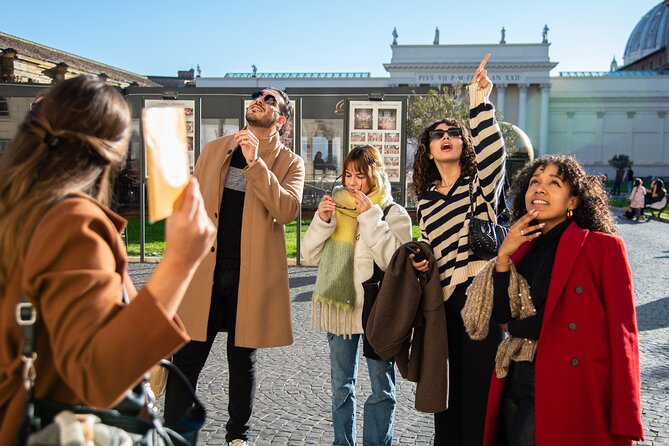
Your first stop is the Vatican Museums, scheduled for about 1 hour 30 minutes with admission included. That time box is the point. Without a route, the Museums can become a blur of corridors, and you’ll miss the most important visual connections between works and eras.
Instead, you follow a custom path designed to hit the best areas without leaving you lost for hours. The Museums are described as a primary archive of the world’s largest religion, spanning four millennia in more than a thousand rooms. That’s a lot for one visit. A guided route helps you turn that scale into something understandable: you get a sequence, not a random pile of rooms.
What you’ll get from the guide here
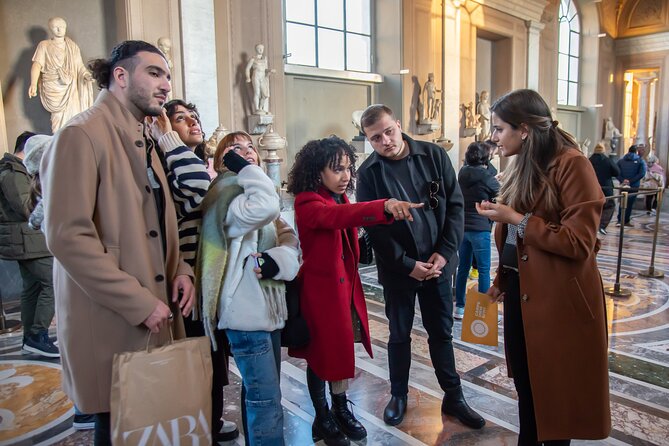
You’re not just walking. The guide provides commentary on the most important works, with enough detail to make the art feel connected rather than decorative wallpaper. A recurring theme in the guide feedback is the balance: informative without turning the visit into a lecture you can’t survive.
You’ll also notice guides using smart “start-up” techniques. One person specifically mentioned a pre-entry overview that saved time once you were inside. That kind of setup matters because the Vatican can overwhelm your sense of direction the moment you cross into the galleries.
Watch-outs during the Museums portion
The Museums are still crowded. Even with fast-track entry, you’ll be moving through busy spaces. If you’re prone to getting frazzled by noise or earphones, focus on the guide’s instructions early and don’t wait until you’re already in a bottleneck to figure out how you’re supposed to move.
And remember the headset concern: one person said it was hard to understand the host at times. If you’re sensitive to unclear audio, it helps to stand where you can hear best and stay close enough that you’re not stuck relying on muffled volume.
Sistine Chapel: why the timing and the silence matter
Next comes the Sistine Chapel for about 30 minutes, again with admission included. This is where the “few hours, best hits” idea becomes real.
You’ll hear the setting described in ways that connect the chapel to larger Vatican traditions—like the white smoke signaling the selection of a new pope. Then the guide brings you back to the art, including Michelangelo’s famous ceiling and the Last Judgement.
The quiet experience is part of the show
A key detail: you walk through the chapel in silence, as the rules require. That’s not just etiquette. It changes the experience. The chapel is visually intense. Silence gives you a chance to actually look up and take it in without constant chatter drowning out your attention.
How to get the most out of your short time
With only about half an hour, you’ll want to treat the time like a guided viewing session, not a slow wander. Listen for what the guide wants you to notice, then shift your gaze accordingly. The ceiling is the headline, but the guide’s context can make the figures feel less like frozen poses and more like a system of ideas.
Also, since the chapel is silent, you won’t get casual opportunities to ask questions. If you have specific interests—religious symbolism, how frescoes work, or how artists handled scale—pay attention in the lead-in and let the guide’s framing set your priorities.
After the tour: continuing to St. Peter’s Basilica on your own
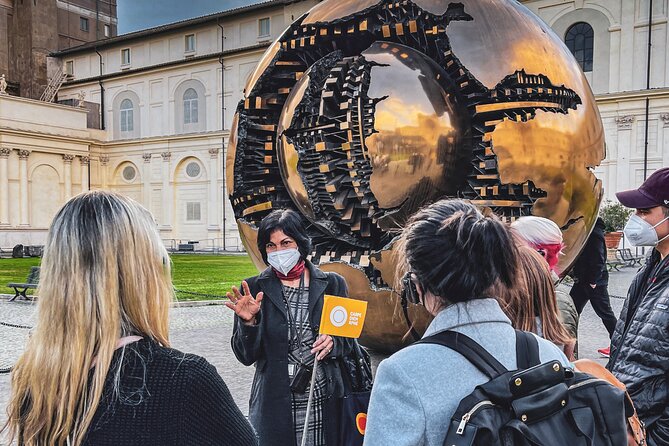
The guided portion ends after the Sistine Chapel, and you’re free to explore St. Peter’s Basilica independently.
This is a smart way to design the day. You don’t get trapped in one more long, timed group activity. Instead, you control your pace at the place that many people want to see most.
Practical advice: decide before you leave the chapel whether you want your St. Peter’s visit to be quick and iconic, or slower and detail-focused. The Basilica can feel like another world of scale, so it helps to have your plan in mind right as you start walking.
Also, plan for the reality that Vatican-area foot traffic can shift quickly. If the crowd level is high, you might have to adjust your route. The tour ending point being the Sistine Chapel area makes it easier to start immediately rather than backtracking.
Small group size (up to 13) and the pacing that makes it work
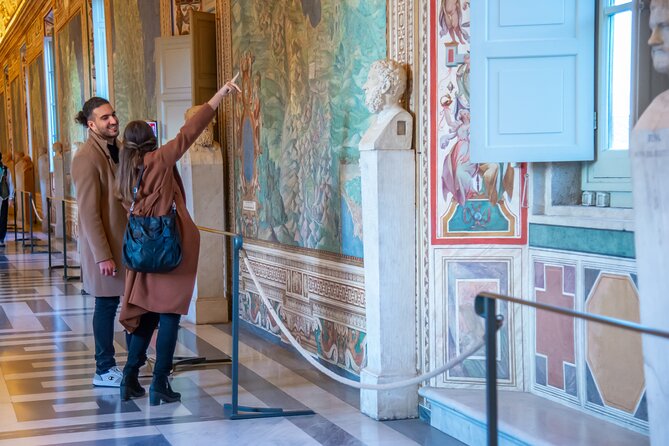
A lot of Vatican tours either feel too rushed or too vague. This one is designed around a small cap: maximum 13 travelers. In practice, that matters for control. The guide can steer you through choke points and keep you together without turning the group into a stampede.
The feedback you’ll see attached to this tour repeatedly praises guides who manage pace without losing the audience. People mention guides who navigate the halls well even when the building feels packed. They also mention guides who keep the experience engaging for multiple ages, including kids, with an approach that doesn’t drown younger visitors in facts.
You should also expect a guided structure that helps you feel productive. The Museums become a sequence, not a scavenger hunt. The Sistine Chapel becomes a “look with meaning” moment, not just a place you stand and hope you get the gist before time runs out.
One more reality check
Small groups don’t magically erase crowds. You’ll still be in a high-demand site. If you hate waiting at all, bring patience anyway. But the small group helps reduce the waiting you don’t control—like losing your spot because you wandered off.
Price and value: what $91.87 buys you (and what it doesn’t)
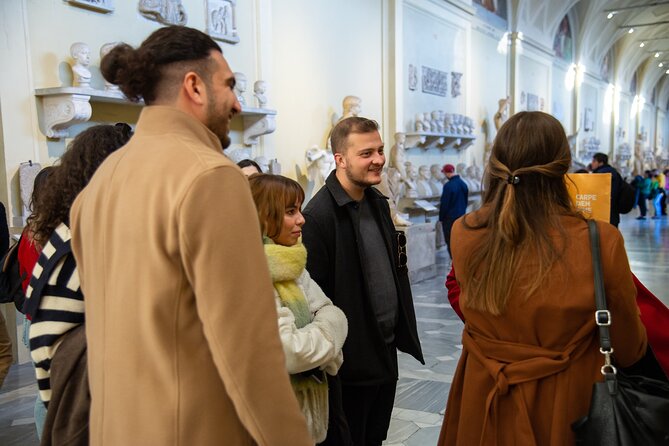
This tour costs $91.87 per person and runs about 2 hours 30 minutes. On paper, that seems like a lot until you factor in what you’re paying for: time saved and key entries included.
Here’s the value logic:
- You’re paying for fast-track entry, which reduces the biggest drain of a Vatican day: standing in line.
- You get guided commentary through the Museums highlights, which helps you make sense of the scale.
- Your ticket coverage includes admission to the Vatican Museums and the Sistine Chapel.
What it doesn’t include: it doesn’t try to turn the entire Vatican into a full-day tour with every room. Instead, it gives you a concentrated dose, then hands you off near the Sistine Chapel so you can choose your next steps for St. Peter’s Basilica.
If you like touring by yourself, you can still do that. But if you want to see more art with less stress, this price often feels fair because it protects your energy. You’re also buying the guide’s selection skills—choosing where to spend your limited time inside a maze.
Who this tour fits best
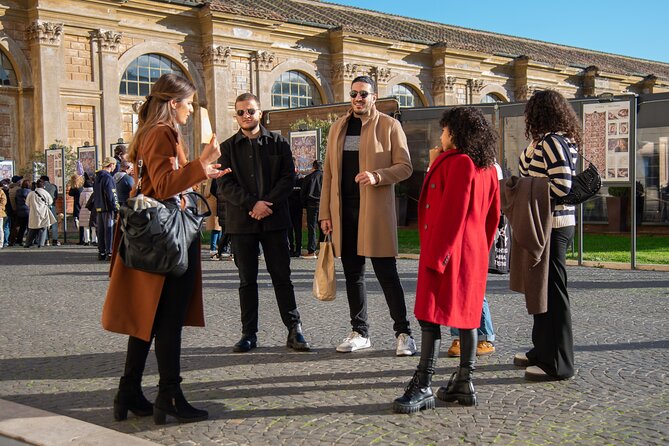
This is a strong match for:
- Art lovers who still need help choosing what to prioritize
- First-time Vatican visitors who feel overwhelmed by the size
- Families who want a planned route and a guide who can keep younger attention from drifting
- Anyone who wants a guided “best-of” with time left to explore St. Peter’s at their own speed
If you’re the kind of person who enjoys long, unstructured wandering for hours, you might feel the structured pace as limiting. But for most people, the focused format is the whole point: see the essentials without spending the day in friction.
Jubilee and restoration notes: how to stay flexible
There’s an important heads-up. Because of the Jubilee, some monuments may be under restoration. The tour instructions tell you to pay attention to messages that might come before your visit, which is the right move. In a site like this, restoration can change what you can view and how it’s presented.
If you’re planning photos or a “must-see list,” keep a flexible mindset. The guide can often help you shift your attention to nearby highlights if something is temporarily unavailable.
Should you book this VIP Vatican Museums & Sistine Chapel tour?
I’d book it if you want a guided, time-smart Vatican day. The mix is practical: fast-track to avoid line-fatigue, a structured Museums route to prevent aimless wandering, then the Sistine Chapel with context and a short, well-used window. The small group size makes the experience feel more like a shared walkthrough than a production line.
I’d pause before booking if you’re extremely sensitive to headset audio clarity, since at least one person flagged that it was hard to follow at times. Also, if you’re hoping to cover every inch of the Vatican in one go, this isn’t that kind of experience. It’s a focused visit designed to deliver key moments rather than exhaustively cover the entire Museums complex.
If you’re torn, think about your travel style. This tour rewards people who like direction and hate wasting hours standing still. If that’s you, it’s a very solid way to spend your time in Rome.
FAQ
How long is the VIP Vatican Museums & Sistine Chapel Experience?
It runs for about 2 hours 30 minutes.
What’s the price per person?
The price is $91.87 per person.
Does the skip-the-line ticket include entry to the Sistine Chapel?
Yes, the skip-the-line Vatican Museums ticket includes entrance to the Sistine Chapel.
Is the tour a small group?
Yes. It has a maximum of 13 travelers.
Where do I meet for the tour?
You meet at Viale Vaticano, 100, 00192 Rome.
Where does the tour end?
The tour ends after you visit the Sistine Chapel, near Sistine Chapel, 00120 Vatican City. From there, you explore St. Peter’s Basilica independently.
Is there any mention of a mobile ticket?
Yes, it uses a mobile ticket.
Are there any possible changes due to the Jubilee?
Yes. The instructions note that, due to the Jubilee, some monuments may be under restoration. You should watch for any messages sent about changes.
What’s the cancellation policy?
You can cancel for a full refund up to 24 hours in advance of the experience start time.