REVIEW · BEIJING
8 Days Small Group Beijing , Xi’an , ShangHai Boutique VIP Tour
Book on Viator →Operated by Beijing Meitu Travel Agency Co., Ltd. · Bookable on Viator
Three cities, one tightly run plan. It’s an 8-day small-group sweep through China’s top icons, with the Great Wall, Terracotta Warriors, and a night cruise in Shanghai built in. I like that the route is timed with fast connections so you’re not stuck guessing between cities.
What really made it work for me was the human side: the tour operator Cathy and English guides Liam and Mary (and in Shanghai, Sophie) kept the days clear and organized. You get explanations that actually help you read what you’re seeing, not just a list of stops.
The main trade-off is that the itinerary is packed. You’ll spend plenty of time on the move, so plan for early starts, long walking days, and comfy shoes.
In This Review
- Key things that make this tour worth your time
- How the 8-day route keeps China’s big hits in reach
- Beijing: Tiananmen, Forbidden City, and Temple of Heaven in one clean arc
- The Mutianyu Great Wall plus hutong rickshaw time: old Beijing, up close
- Summer Palace and the crafts museum: history with personality
- Xi’an’s Terra-cotta Warriors: the guide matters here
- Xi’an City Wall by bike, plus the Muslim Quarter food-and-culture stop
- Shanghai starts with Shikumen streets, then builds to tower views
- Shanghai Museum, Shanghai Tower speed, Tianzifang, and the Huangpu River at night
- Zhujiajiao water town for a slower final day
- Price and logistics: why $2,050 can make sense for this setup
- Who this tour fits best (and who should reconsider)
- Should you book this 8-day VIP tour?
- FAQ
- Which cities are included in this 8-day tour?
- What’s included in the tour price?
- How do you travel between Beijing, Xi’an, and Shanghai?
- Is pickup offered, and what time does the tour start?
- Are meals included?
- What should I bring with me on travel day?
- What is the cancellation policy?
Key things that make this tour worth your time
- Skip-the-line at major sights like Tiananmen area highlights and the Great Wall option at Mutianyu
- Great Wall fun beyond photos, with cable car/chairlift and a toboggan-style slide down
- Old Beijing in real neighborhoods, including a hutong rickshaw loop around Houhai and stops like Yinding Bridge
- Xi’an highlights built around context, from Terra-cotta Warriors to the Big and Small Wild Goose Pagodas
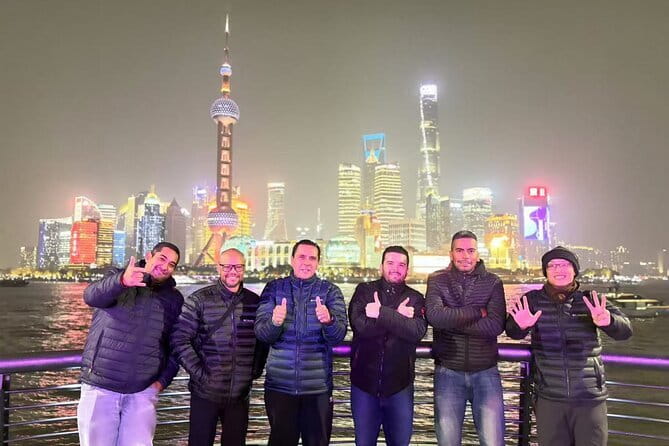
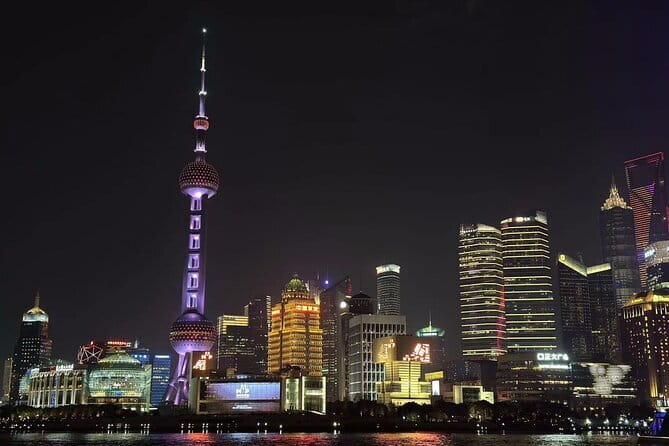
- Shanghai views with built-in wow factor, including Shanghai Tower and an evening Huangpu River cruise
- A practical all-in structure, with entrance tickets, guided visits, air-conditioned vehicles, and lunches included
How the 8-day route keeps China’s big hits in reach
This tour focuses on three cities that are very different from each other: political Beijing, ancient Xi’an, and high-rise Shanghai. The value is in how the days are stitched together—pickup and transfers are arranged, and you’re not left juggling trains, tickets, and timing by yourself.
You start in Beijing at 9:00 am, then move to Xi’an using a bullet train and finish in Shanghai with a flight from Xi’an. Most of your key attractions have admission tickets already handled, which matters in places like the Forbidden City and the Great Wall where timing and lines can eat your day.
A small-group format also changes the feel. You’re not just herded through doors; your guide can answer questions and shape the pace, especially when the schedule is tight.
You can also read our reviews of more tours and experiences in Beijing.

Beijing: Tiananmen, Forbidden City, and Temple of Heaven in one clean arc
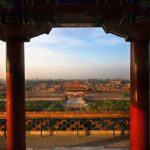
Day 1 runs the core Beijing sights in a way that helps you understand the city’s “center of gravity.” You begin at Tiananmen Square, where the scale alone can feel almost unreal. Your guide walks you through the meanings of the National flag, major landmarks around the square, and the stories linking past and present.
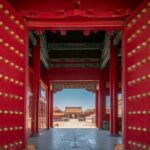
Next is the Forbidden City (Palace Museum). This is a huge site, and the difference between a good visit and a painful one is whether you know what to look at. You get a guided route that covers the royal layout and daily-life spaces used by emperors and their court, including rooms tied to 24 emperors’ lived-in history.
One specific perk is the chance to visit the Treasure Hall, which isn’t always part of standard group routes. It’s the kind of stop that helps you understand the museum side of the Palace Museum, not only the architecture.
You finish at Temple of Heaven, with a slower pace in the park. This is where you can watch local retirees playing chess or card games while you catch your breath after the heavy hitters.
The Mutianyu Great Wall plus hutong rickshaw time: old Beijing, up close
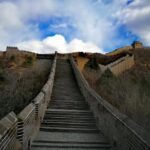
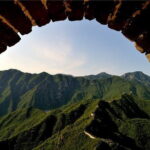
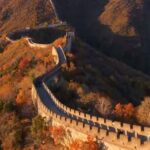
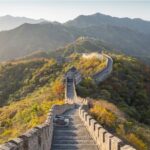
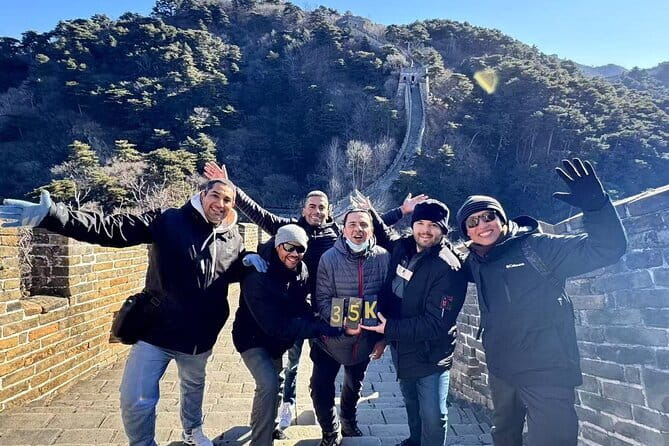
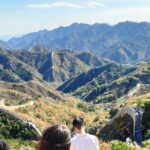
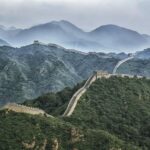
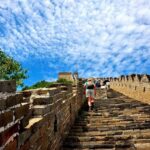
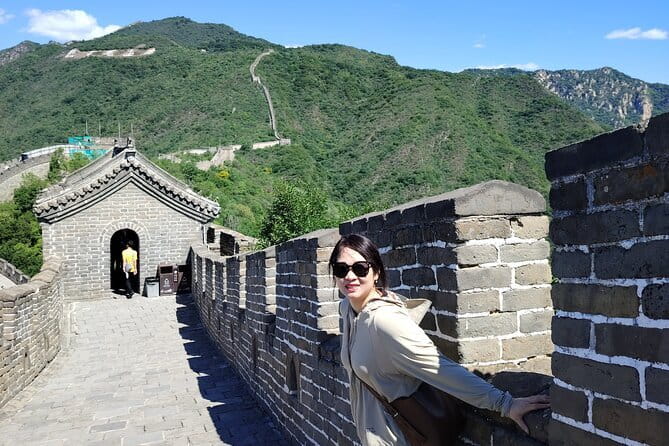
Day 2 is built around the Great Wall experience, but it also refuses to make Beijing only a museum day. You go to Mutianyu Great Wall, a UNESCO-listed section that tends to be less crowded than some other wall areas. The tour includes skipping the line, then using a chairlift or cable car to reach the top.
Then you add the fun part: you can take a toboggan-style slide down. This isn’t just a gimmick. It changes your relationship to the wall—you’re moving through it at a pace that feels like an activity, not a slog.
After that comes the real “Beijing texture”: a hutong tour and rickshaw ride through the Houhai area. Hutongs can be tough to experience without local context, but this route includes stops that point out details—old courtyards, family-style life, birdcages, pomegranate trees, fish ponds, and everyday tea-table scenes.
You also stop around Yinding Bridge and the Yan Dai Xie Jie area for quick hits of local shopping and corner-shop atmosphere. This blend—heritage + neighborhood wandering—is one of the best parts of the whole itinerary because it shows you daily culture instead of only royal power.
Summer Palace and the crafts museum: history with personality
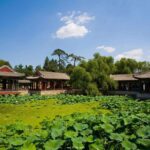
Day 3 gives you two very different “inside-looking” experiences. First is the Summer Palace (Yiheyuan), which is one of the best-preserved imperial garden complexes. Your guide focuses on stories around Empress Dowager Cixi, including her extravagant life and the political reality behind court spectacle.
You’ll also spend time on the dramatic set pieces that make the Summer Palace famous: the opera house, birthday celebration rooms, the long painted corridor, and Kunming Lake. Even if you’ve read about the Ming and Qing eras, this place makes it more human because you can picture how the elite used spaces for entertainment and influence.
Next is the National Arts and Crafts Museum. This stop is for anyone who thinks China travel is only about temples. It’s an intangible cultural heritage-focused museum with examples of jade carving, wood carving, silk road murals, and more than a thousand pieces across its displays.
The guide frames it in a way that helps you see craftsmanship as culture, not as souvenirs. It’s a strong counterbalance to the monumental scale of the palace and the wall.
Then you take the G89 bullet train to Xi’an in the afternoon. You’re picked up at the station in Xi’an and taken back to your hotel. That’s one of those unglamorous logistics wins that can make or break a multi-city trip.
Xi’an’s Terra-cotta Warriors: the guide matters here
Day 4 begins with one of the world’s most famous archaeological sites: the Museum of the Qin Terra-cotta Warriors and Horses. The tour is structured like a guided story session. You’re not only looking at rows of figures; you’re hearing how and why the figures were made, and what the finds suggest about the world of Qin-era power.
The guide includes details like how the warriors were discovered, whether they were made by real craftsmen, and even the odd question of why the figures have distinctive eye features. Those kinds of explanations help you move past the “wow, big!” reaction and toward a more grounded understanding of what you’re seeing.
After Terra-cotta, you visit the Big Wild Goose Pagoda (Dayanta) and learn how it connects to Xuanzang. Your guide also explains the unusual story of floors—how it started with fewer levels and later became more layered over time.
You then add the Small Wild Goose Pagoda, tying together how Buddhism entered the central plains and mixed with Han culture. This pair of pagodas helps you see Tang Dynasty religious architecture as something that developed over time, not a single static monument.
Xi’an City Wall by bike, plus the Muslim Quarter food-and-culture stop
Day 5 is more active and more sensory. First comes the Xi’an City Wall, described as the largest and best-preserved ancient city wall in China. You get time to ride bicycles along the wall’s route, about 13 kilometers, which is the kind of experience that turns a historic site into an event.
Next is the Muslim Quarter, with the chance to explore the snack street vibe and the Hui Muslim neighborhood atmosphere. You visit Huajue Mosque, which gives you more than just food sampling—you also get a meaningful cultural anchor for what you’re walking through.
This is also where I think the guided pacing helps. The area has lots of stalls and turns, and having someone explain what you’re seeing keeps you from feeling lost or only scanning menus.
You also have repeated pagoda time on this day (the Small Goose Pagoda again) and then the Xi’an Museum. The museum visit is a big plus if you like real-world museum context. It’s described as a modern, large-scale national museum with a massive collection count, including bronze, artifacts, and pieces recognized at higher national levels. You can see how Xi’an isn’t only archaeology; it’s also a museum city.
Shanghai starts with Shikumen streets, then builds to tower views
Day 6 is your Shanghai warm-up. You visit Chenghuang Miao (Yu Garden), a Ming Dynasty garden with private-garden roots and a history of more than 400 years. Even though it’s a tourist area, the garden focus gives you a calmer way to transition from Xi’an into modern Shanghai.
Then comes Xintiandi Nanli, based on old Shikumen buildings. This stop helps you understand how Shanghai keeps old forms while making them usable in a modern way. You walk an area that blends history with food, shopping, and cultural spaces, with a clear explanation of how the Shikumen style grew from that older Shanghai life.
Day 6 is a good design choice for the overall tour because it doesn’t jump straight to skyscrapers. It lets your eyes adjust.
Shanghai Museum, Shanghai Tower speed, Tianzifang, and the Huangpu River at night
Day 7 is where Shanghai earns its “wow” rating. You start at the Shanghai Museum, with its collections spanning bronze, ceramics, calligraphy and paintings, oracle bones, currency, jade, weaving, lacquerware, and more. The guide’s focus on categories helps if you’re not sure what to look for; you end up with a clearer sense of why the museum is known for particular strengths.
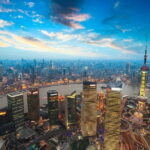
Next is Shanghai Tower. You get to experience the tower’s very fast elevator—18 meters per minute—up to 118 floors. The tour also includes the story of the building’s spiral shape and how it connects modern design themes with traditional Chinese cultural references.
After that, you walk through Tianzifang, which is framed as a distinctive neighborhood formed in the late 1930s. It’s a district that’s more about streets, lanes, and small-scale character than big-ticket monuments. That’s a smart break after tower time.
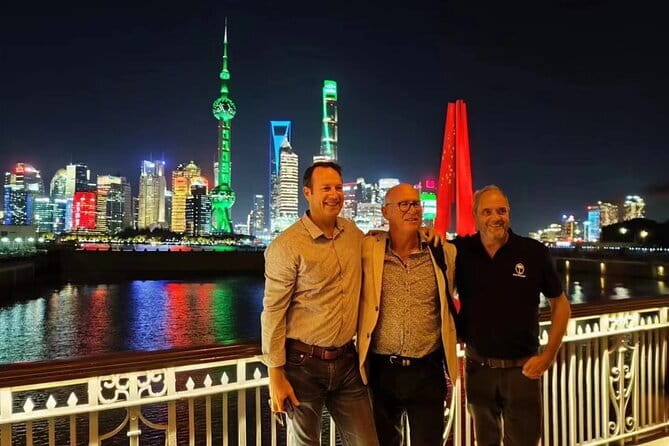
Then you end with a night cruise on the Huangpu River, with the Bund and its mix of Western and Eastern architectural styles lit up. This part of the day works because you get both skyline views and a sense of how Shanghai looks after dark.
Zhujiajiao water town for a slower final day
On the last day, the tour switches gears to Zhujiajiao Ancient Town, a classic water-town experience in Shanghai. You get a full day there, including a wooden boat cruise on the river.
This is a good finish because it contrasts with the energy of the skyscrapers. You’re walking old-stone streets and looking at canal life at a slower rhythm. If you’ve felt like you only saw “big sites” for nearly a week, this ending helps reset your brain.
Price and logistics: why $2,050 can make sense for this setup
At $2,050 per person for about 8 days, you’re paying for more than checklists. You’re paying for the machine-like coordination: professional English guides in each city, an air-conditioned car with a driver in the three-city segments, entrance tickets pre-included, and the two big intercity moves (bullet train from Beijing to Xi’an and a flight from Xi’an to Shanghai).
Meals are also included: lunch for 8 days, plus mineral water daily. That may sound small, but it matters when your day is built around scheduled visits. You avoid spending time hunting for food when you’d rather be looking at gates, pagodas, and gardens.
The value also comes from the structure. When the Great Wall and Forbidden City are already ticketed and timed, you’re more likely to enjoy them instead of stressing.
The only real “watch this” item is density. If you hate early mornings or long walking segments, this tour might feel like you’re sprinting with a map. If you like high efficiency and don’t want to manage transit, it’s a strong deal.
Who this tour fits best (and who should reconsider)
This itinerary fits best if you want big-name highlights with context. The guide-led storytelling is a big part of the experience, especially for places like the Forbidden City, Terra-cotta Warriors, and the historical layers in Shanghai.
It also suits you if you prefer planning-light travel. You get pickup, transfers, and tickets handled, plus a small-group setup.
I’d think twice if you want a slow, random-ramble trip. This is organized, not freeform. You’ll see a lot, and you’ll also be moving a lot.
Should you book this 8-day VIP tour?
If you’re aiming to hit Beijing, Xi’an, and Shanghai without turning your vacation into a logistics project, I’d say it’s a solid choice. The best reasons are the combination of major sights with guided explanation, the built-in transport flow (bullet train + flight), and the inclusion of tickets and lunches that keep the days moving.
If your ideal trip is minimal walking and lots of downtime, you’ll probably feel the pressure of the schedule. But if you’re the type who likes checking boxes with meaning—then this tour is exactly that kind of well-run week.
FAQ
Which cities are included in this 8-day tour?
You visit Beijing, Xi’an, and Shanghai. The itinerary includes major sights in all three cities plus a full day in the Zhujiajiao Ancient Town area near Shanghai.
What’s included in the tour price?
The tour includes a professional English-speaking guide in Beijing, Xi’an, and Shanghai, air-conditioned transportation with a driver in the cities, entrance tickets for the included sights (including round-trip cable car for the Great Wall and the Shanghai cruise), bullet train tickets from Beijing to Xi’an (second class), and an economy flight from Xi’an to Shanghai. Lunch is included for 8 days, along with mineral water each day.
How do you travel between Beijing, Xi’an, and Shanghai?
You take a single-way bullet train from Beijing to Xi’an in second class, then you fly from Xi’an to Shanghai in economy seats.
Is pickup offered, and what time does the tour start?
Pickup and transfers are included between the railway station/airport and your hotel in the cities. The tour meeting time is 9:00 am.
Are meals included?
Yes. Lunch is included for 8 days. Mineral water is also provided each day.
What should I bring with me on travel day?
You need to have your passport with you on the day of travel.
What is the cancellation policy?
You can cancel for a full refund if you cancel up to 24 hours in advance of the experience’s start time. If you cancel less than 24 hours before the start time, the amount you paid will not be refunded.