REVIEW · MADRID
Prado Museum VIP tour with an art Expert, tickets included
Book on GetYourGuide →Operated by BEST MADRID TOURS · Bookable on GetYourGuide
Two and a half hours, one smart route. This Prado Museum VIP tour turns Madrid’s biggest art stop into a guided, chronological lesson, with your tickets handled and express security saving time. You meet your expert right by Goya’s statue, then walk through centuries with a painter and fine-arts specialist at your side.
What I love most is the chronological route that starts in the Middle Ages and ends in the 18th century, so the museum actually makes sense instead of feeling like a storage unit for masterpieces. I also like the way the guide ties each highlight—especially Velázquez, but also Hyeronymus Bosch, Rubens, and Goya—back to technique and context, from paint materials to what the images are doing. The one drawback: with a 2.5-hour focus route, you won’t see everything the Prado has, so plan to return later if you want a full wander.
In This Review
- Key points to know before you go
- Prado VIP tour: why the time-saving really matters
- Meeting under Goya’s statue (and not wasting time)
- The 2.5-hour format: what you can actually cover
- Chronological art history: the route from Middle Ages to the 18th century
- Velázquez spotlight: beyond the face value
- Bosch and the garden of earthly delights: learning to read the chaos
- Rubens: connecting drama, design, and context
- Goya and the black paintings: why the tone changes
- The guide style: painter-level detail with professor-level order
- Skip-the-line security: small move, big payoff
- Private group pace: how “at your own pace” works in practice
- Practical value: is $130 for a Prado VIP tour worth it?
- Who should book this Prado VIP tour?
- Should you book the Prado Museum VIP tour with an art expert?
- FAQ
- How long is the Prado Museum VIP tour?
- Are Prado Museum entry tickets included?
- Do I skip the line on arrival?
- Where is the meeting point?
- What languages are offered?
- Is it a private group?
- Is the tour wheelchair accessible?
- Is there bag storage?
- What artworks are the main focus?
Key points to know before you go
- Tickets included: no separate Prado checkout step.
- Private group: a smaller, slower pace than a big bus-tour crowd.
- Skip the line via express security: faster entry so you’re not wasting your best museum hours.
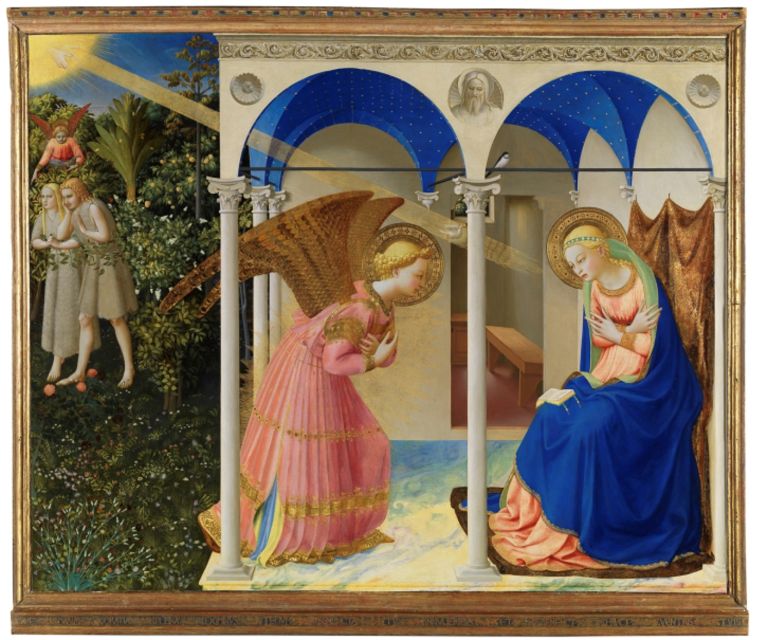
- Chronological storytelling: Middle Ages to 18th century, organized and logical.
- Big four focus: Velázquez, Bosch, Rubens, and Goya get special attention.
- Art-nerd level details: materials, techniques, and meaning are explained in plain English.
Prado VIP tour: why the time-saving really matters

The Prado can swallow an entire day. That’s not a complaint—just a fact. The VIP format helps you avoid the common mistake of spending your first hour walking fast, then losing the thread.
With this tour, you start with the right mindset: art history as a timeline. You’re not just looking at famous names; you’re learning how styles and ideas change from period to period. It’s a big upgrade from the usual get-audio-guide-and-hope approach.
And yes, the “VIP” part is practical. The express security check helps you get inside without playing airport-style roulette. If you’ve ever watched people shuffle while others cut the line, you’ll appreciate the calmer start.
You can also read our reviews of more tours and experiences in Madrid.


Meeting under Goya’s statue (and not wasting time)

Your meeting point is specific: Goya’s statue, in front of the Prado Museum main ticket office. The guide will be there, and it’s easy to orient yourself once you’re on site.
This matters more than it sounds. The Prado area can be busy, and a clear landmark keeps you from doing that frantic loop with your phone flashlight. If you’re traveling with limited time in Madrid, this kind of clean start is worth paying for.
Because it’s a private group, you’re not waiting behind a large crowd while strangers arrive late. You’ll get moving as a unit, with the guide leading from the first minute.
The 2.5-hour format: what you can actually cover
Duration is 2.5 hours, bilingual (English/Spanish), and guided by an officially certified fine-arts expert. In that window, the tour is built to give you “aha” moments rather than a museum dash.
Here’s the key expectation: the walk is chronological, starting in the Middle Ages and finishing in the 18th century. Along the way, you’ll follow a thread from older styles through later ones, described as a path from Romanic to Romantic art.
That structure helps you connect the dots between periods. When you see how one era’s idea of beauty, realism, or storytelling shifts into the next, the Prado feels less like a catalogue and more like a conversation across centuries.
Chronological art history: the route from Middle Ages to the 18th century
The Prado is famous for big names, but art history isn’t just a list of signatures. This tour leans hard into the “why,” and the timeline is the method.
You’ll start with earlier works (the tour includes Middle Ages), then move forward so each stop builds on what came before. By the time you reach later periods (ending in the 18th century), you’re not just recognizing styles—you understand what changed and why.
What you’ll notice as the route progresses is how artists solve problems differently: how they make space, how they use light, how they show emotion, and how they build meaning through symbolism. The guide keeps those points clear, so you don’t just stare at paint and hope it turns into knowledge.
Velázquez spotlight: beyond the face value
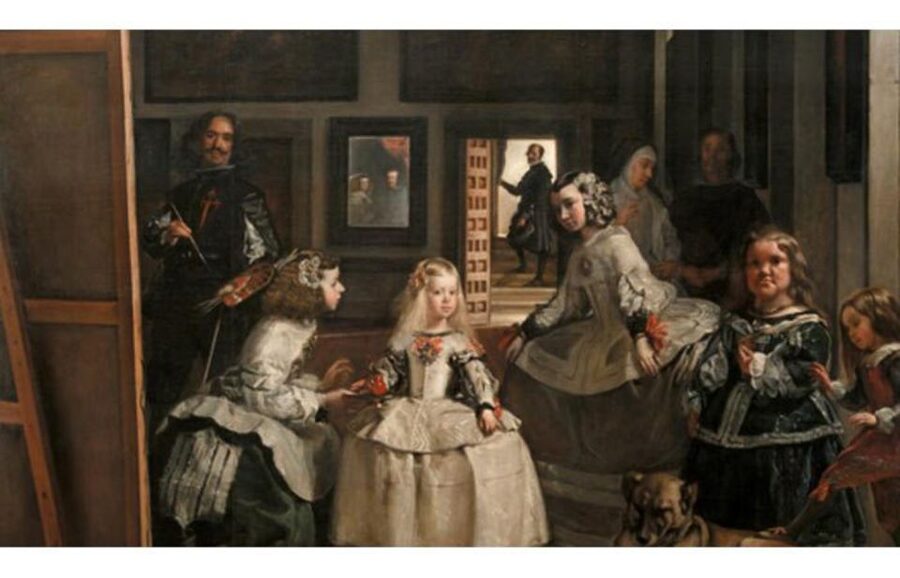
Even if you think you already know Velázquez, this is the part that often rewires the experience. The tour gives special attention to Velázquez, and it’s not just about fame.
You can expect the expert to explain what you’re seeing in technical and cultural terms. That typically means more than “this is important.” You’ll get help reading the image: composition choices, visual cues, and the kind of artistic decisions that separate a famous portrait from a historical statement.
If you’re the type who likes understanding how things are made, you’ll appreciate the emphasis on materials and techniques—the practical side of why a painting looks the way it does. In a museum like the Prado, that is what turns a photograph into a real encounter.





Bosch and the garden of earthly delights: learning to read the chaos
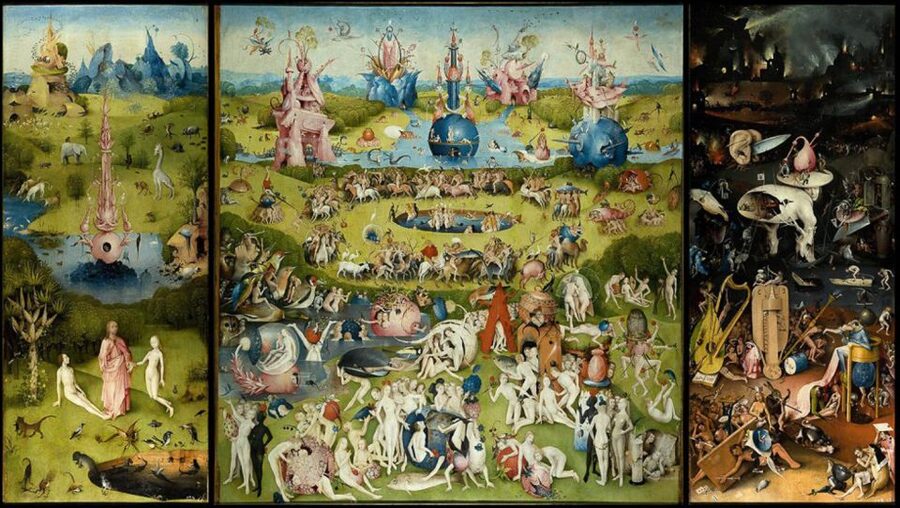
Hyeronymus Bosch is often described as surreal, but surreal is a shortcut. This tour treats Bosch as an art problem with layers, not a one-note weirdness contest.
The highlight named here is Bosch’s garden of earthly delights, and the guide’s job is to help you see beyond the surface images. You’ll get meaning unpacked in a way that makes the symbolism less mysterious and more readable.
Bosch can be intimidating because there’s so much going on in one scene. A good guide helps you slow down. Instead of trying to spot everything at once, you learn what to look for first, second, and third.
Rubens: connecting drama, design, and context
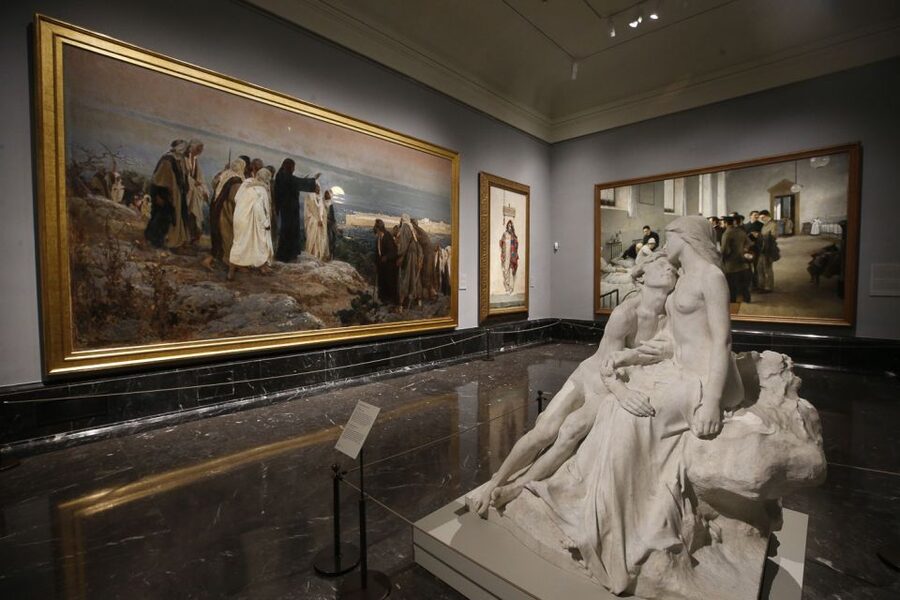
Rubens shows up as another anchor in this tour’s “big four” focus. The payoff with Rubens isn’t only that the paintings are impressive. It’s that you’ll understand how the style works and what it’s communicating.
Because the tour is chronological, Rubens doesn’t feel like a random detour. You place him in the larger progression of European art, so his drama and structure make more sense. The guide also brings in the broader cultural and artistic context, which helps you avoid the trap of judging from modern taste.
In other words, you learn to appreciate why the painting looks the way it looks—not just that it looks great.
Goya and the black paintings: why the tone changes
Goya is where the emotional temperature shifts. This tour gives attention to Goya’s masterpieces and black paintings, and that grouping is smart because it guides you toward Goya’s range instead of keeping everything in one box.
You’ll start to see how themes evolve and how the artist’s approach grows darker, sharper, and more psychological. With the guide explaining meaning and technique, the black paintings stop being just “spooky walls” and start feeling like statements with intent.
If you like art that challenges you, this is likely the section you remember later. The guide’s job is to keep you from getting lost in gloom, by connecting what you see to the cultural and artistic world around it.
The guide style: painter-level detail with professor-level order
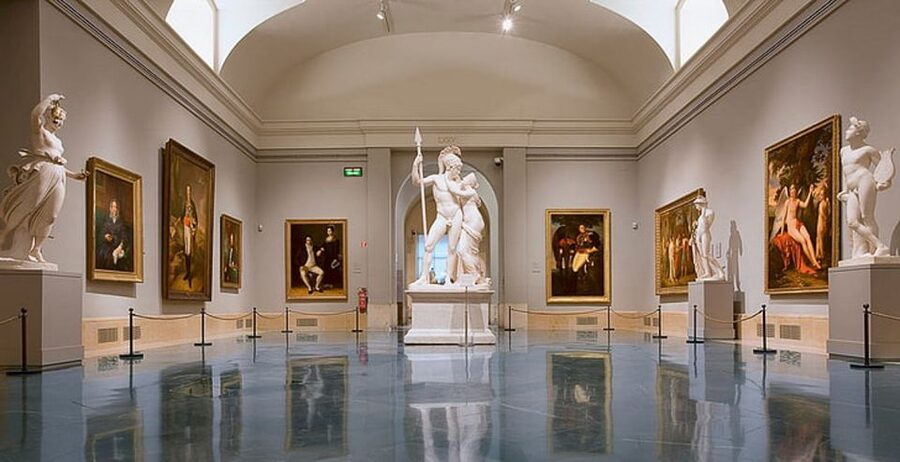
One reason this tour earns a high rating is the guide approach. The tour description calls the expert a painter and fine-arts doctor, and the experience is built around a lecturer-like explanation of meaning, materials, and technique.
That combo matters. A painter can talk about how an image is built. A fine-arts specialist can talk about why it matters historically. If your guide is also fluent in art terms and can translate them into plain speech, you get a museum visit that actually sticks.
Names to watch for based on prior guide mentions include Maria and Ignacio. Maria is highlighted as highly educated and a long-time Madrid resident, and Ignacio is praised for explaining each painting with both technical and historical context. Even when you’re not thinking about names, the effect is the same: better reading, faster understanding.
Skip-the-line security: small move, big payoff
No one comes to the Prado to stand in security lines. This tour helps you avoid that frustration with a skip-the-line through express security check.
That isn’t just convenience. It changes your whole day. When you walk into the museum without losing time, you start with energy instead of irritation. And if you’re traveling with kids or anyone with limited stamina, that smoother start can be the difference between a good afternoon and a cranky one.
Private group pace: how “at your own pace” works in practice
You’ll be in a private group, and that usually means the guide can adjust the flow. The tour describes a guided visit where you can move at your own pace, which is a good match for how art actually works.
Some people want to spend longer on one canvas. Others need a quick overview and then a slower second look. A private guide can handle that without turning it into chaos.
Also, private doesn’t have to mean silent. If you ask questions—about technique, symbolism, or what an artist was trying to do—you’re more likely to get real answers instead of a rushed script.
Practical value: is $130 for a Prado VIP tour worth it?
At $130 per person for 2.5 hours, you’re paying for three main things: expert interpretation, time saved at entry, and convenience of tickets included.
Here’s how I think about value:
- Tickets included removes friction. You’re not spending your time purchasing, confirming, and re-confirming.
- Express security protects your time. For a top museum, time is often the true “hidden cost.”
- Certified fine-arts guide matters more than you’d think. Without guidance, the Prado can feel like a wall of greatness. With guidance, those highlights start making sense—especially the focused trio of Velázquez/Bosch/Goya plus Rubens.
If you love art and want a structured, high-quality route, this price can feel fair fast. If you’re the type who enjoys wandering slowly with no structure, you might not use the full value. The tour is built to teach; you’ll get your money’s worth when you want to understand what you’re seeing.
Who should book this Prado VIP tour?
This is a strong fit if you:
- Want a guided chronological understanding instead of a random highlight reel.
- Care about technique, meaning, and how paintings are constructed.
- Prefer a smaller experience with a live guide in English or Spanish.
- Appreciate museum visits that feel like a lesson, not a sprint.
It also works well if you’re traveling with children, since the tour notes that it’s children friendly. And if you need it, the tour is wheelchair accessible, with free bag storage to help you move comfortably once inside.
If you’re a solo traveler who still wants expert direction, private-group format can feel like a tailored class. If you’re a couple, it’s a nice way to agree on what to focus on without arguing over which galleries to hit first.
Should you book the Prado Museum VIP tour with an art expert?
Yes, if you want your Prado visit to make sense in a short window. The biggest selling point is the structure: a Middle Ages-to-18th-century timeline guided by an art expert who explains technique and meaning, while spotlighting the headline names like Velázquez, Bosch, Rubens, and Goya.
If you’re the kind of person who reads labels at museums, you’ll love how much you get here—especially the technical “how it’s made” side. If you only want to stroll and admire, you might find the focused route limiting, since 2.5 hours can’t cover the whole Prado.
If you’re visiting Madrid for a limited time and want a high-impact art education, this feels like a smart use of your afternoon.
FAQ
How long is the Prado Museum VIP tour?
The tour lasts 2.5 hours.
Are Prado Museum entry tickets included?
Yes. Entry tickets to El Prado Museum are included.
Do I skip the line on arrival?
Yes. The tour includes an express security check to help you enter faster.
Where is the meeting point?
Meet at Goya’s statue in front of the Prado Museum main ticket office. The guide will be under the statue.
What languages are offered?
The live guide provides the tour in English and Spanish.
Is it a private group?
Yes, the group type is private.
Is the tour wheelchair accessible?
Yes, it is wheelchair friendly and wheelchair accessible.
Is there bag storage?
Yes, there is free bag storage.
What artworks are the main focus?
The tour highlights Velázquez, Hyeronymus Bosch (including the garden of earthly delights), Rubens, and Goya (including his masterpieces and black paintings).