REVIEW · STOCKHOLM
Private 4h VIP city tour by limousine car and guide in Stockholm
Book on Viator →Operated by Stockholm Guiding - Tours · Bookable on Viator
Stockholm hits different when you see it by car with a guide. This private VIP limo tour is built for fast orientation across multiple islands, with smart stops that make the city feel easy to understand and fun to photograph. You’ll hit major sights like Gamla Stan and the Vasa Museum, plus viewpoints that help you connect the neighborhoods in your head.
I really like two parts of how this runs: the priority access at Vasa Museum (so you’re not stuck waiting), and the flexible time in Old Town for lunch, shopping, or lingering at the pace you want. The one drawback to plan for is that several key entries are not included, so you’ll want extra budget for museum admissions you choose to enter.
In This Review
- Key highlights to look for
- VIP limo pickup in Stockholm: timing that actually works
- Old Town first: getting your bearings in Gamla Stan
- Vasa Museum with priority entry: why the ship is so unforgettable
- Lutheran cathedral details and Royal Palace spectacle around noon
- Stockholm City Hall: Golden Hall mosaics and Nobel Banquet energy
- Music and theatre stops: Concert Hall, National Theatre, and why they matter
- Museum Island and the “green island” approach: spacing out Stockholm’s big names
- Fjallgatan and Västerbron: the best one-photo viewpoint
- Price and value at $395 per person: when private makes sense
- Who should book this private VIP limo tour
- Should you book this private 4-hour VIP Stockholm tour?
- FAQ
- How long is the tour?
- Is this a private tour or shared group?
- What language is the tour offered in?
- Do you get pickup?
- Is the pickup time fixed?
- Is admission to the Vasa Museum included?
- Which admissions are not included during the tour?
- Is there a free time stop in Old Town?
- Where do you take the best photo in this tour?
- Can I cancel for free?
Key highlights to look for
- Priority entry at the Vasa Museum, with only short waiting compared to typical lines
- Gamla Stan flexibility, so you can shop, grab food, or extend your walk with your guide’s help
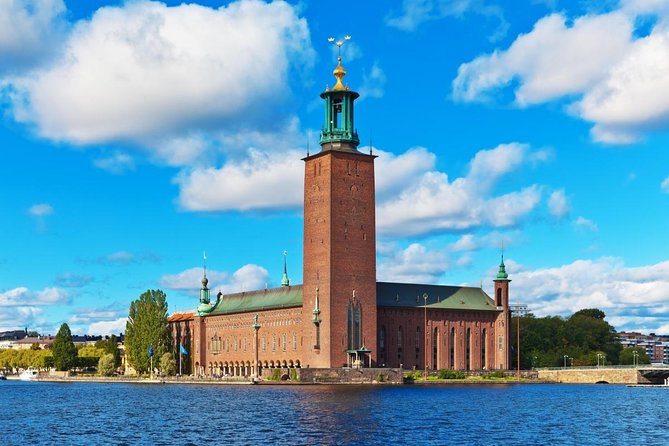
- City Hall Golden Hall and Nobel history, including the iconic golden mosaic details
- Cathedral + Royal Palace context, from Lutheran history to the changing of the guard around noon
- The Fjallgatan photo stop, often the best high view over roofs, islands, and cruise ports
VIP limo pickup in Stockholm: timing that actually works
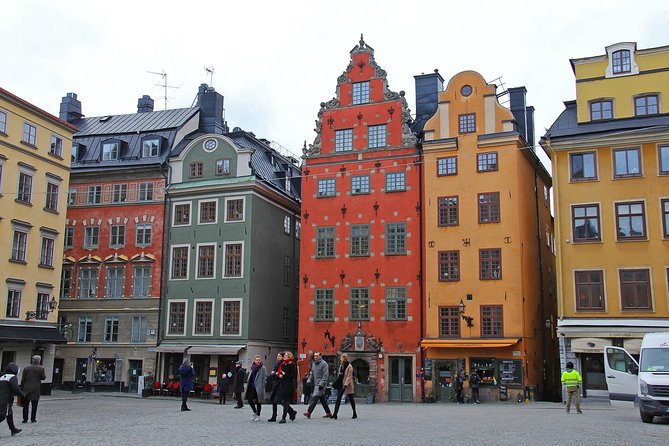
A private car tour shines when timing matters. With this 4-hour format, you’re not racing the city on public transport with luggage or kid questions. Instead, your guide manages the flow: pick you up where you want (hotel, port, airport, or another spot you name), then drive you through the main “why Stockholm looks like Stockholm” areas.
Pickup time is flexible, but you’ll want to communicate clearly if you’re on a cruise. Stockholm’s days can be tight, and a guide who can shift the pickup window helps you avoid the classic half-day mismatch. Also, since it’s private, the pacing isn’t fixed to the slowest or fastest people in a bigger group. If your group is the type that likes photos early and museum time later, this setup supports that.
The vehicle is described as a limousine car experience, and at least one guide interaction included a comfortable Mercedes van, which matters when you’re spending hours sitting up for views and short stops. Even when the schedule is packed, you get a low-stress ride instead of constant getting on and off.
You can also read our reviews of more tours and experiences in Stockholm.



Old Town first: getting your bearings in Gamla Stan
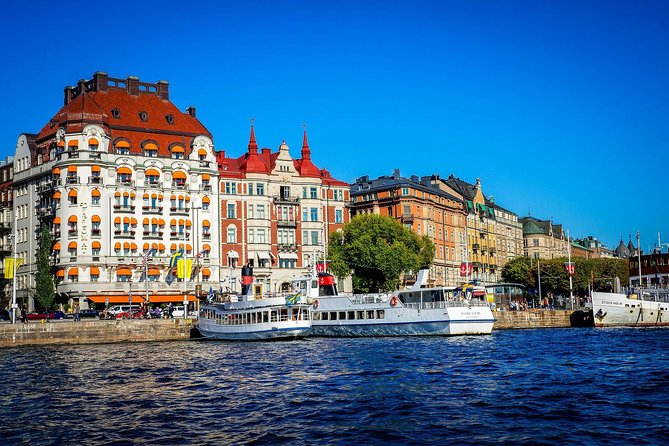
Starting in Stockholm Old Town (Gamla Stan) is a smart move because it gives you a mental map fast. Gamla Stan sits at the center of the old city story, and the guide’s job here is more than pointing. You get the big picture of how Stockholm was founded and how the city grew across its many islands.
Then you’re given real choice. You can do a quick loop with your guide or ask to be dropped off for independent time. That flexibility is practical, especially if your group includes people who want coffee and people who want shopping—or if someone wants a shorter walk and someone else wants more time inside.
If you choose to extend your time, plan for what you actually want to do. Gamla Stan is where you’ll naturally wander into side streets, so wear shoes you trust. Also, think about food timing: lunch options are more satisfying when you don’t feel rushed back to the car.
A nice touch is that you tell your guide how long you want to stay, and they arrange the next car return to your ship or hotel, or help you get back on your own afterward. That makes the stop feel less like a checklist item and more like a tailored visit.
Vasa Museum with priority entry: why the ship is so unforgettable
If you want one anchor stop that makes the whole tour feel worth it, it’s the Vasa Museum. This is Stockholm’s top-draw attraction, with around 1.5 million visitors per year, and it’s easy to see why once you’re there.
The story alone hooks you: the warship sank in 1628, was salvaged in 1961, and was built with space for 450 men. What really floors people is scale. It’s bigger than many expect, and it’s built from oak with an impressive amount of the original structure intact, described as 98% intact. That level of preservation is exactly why the museum experience feels different from many standard “object in a hall” attractions.
The practical win is priority access. Your guide gets you in so you’re not dealing with the worst of the waiting. In normal situations, Vasa lines can stretch out for 1–2 hours, and cutting that time changes your whole day. Here, you’re allotted about 45 minutes, which is tight enough to stay focused but long enough to see the ship’s main details, then take in the story your guide shares.
Admissions are not included, so bring a credit card or whatever payment you use for museum tickets. For planning, treat Vasa as the stop where you’ll want your attention fully on the guide’s explanation. If you’re traveling with kids, this is also a strong choice because the ship’s “how did it sink, and how did we save it” questions naturally pull them in.
Lutheran cathedral details and Royal Palace spectacle around noon
After Gamla Stan, the tour threads through major historic anchors that help you connect the city’s timeline.
First comes the cathedral dating to 1279, which became Lutheran in 1527. That date range matters because it tells you this building isn’t just old. It’s old and it carries the cultural shift that shaped Sweden’s religious identity. If you’re into specific artworks, you’ll get pointed toward standout objects: the sculpture of St George and the Dragon from 1489, plus the Vädersolstavlan painting from 1535. Even if you don’t know what to look for at first, a guide can translate the symbols so you don’t feel like you’re staring at decoration.
Then you’ll move to the Royal Palace area. The palace is described as dating from 1754, and it’s one of Europe’s largest, with more than 1400 rooms. This is not a museum set-up with everything behind glass. It’s still in use by the Royal family, though they don’t live there full-time.
One of the biggest visitor “wow” moments is the changing of the guards around noon. Timing here is the key, because you want to be outside with a good view instead of arriving five minutes after the moment passes. If you’re sensitive to crowds, you can still enjoy the exterior and the palace setting without overcommitting to interior time.
The tour notes that it’s possible to visit the Royal apartments and several museums. The data doesn’t spell out whether those entries are included, so plan on paying separately if you choose to go inside.
Stockholm City Hall: Golden Hall mosaics and Nobel Banquet energy
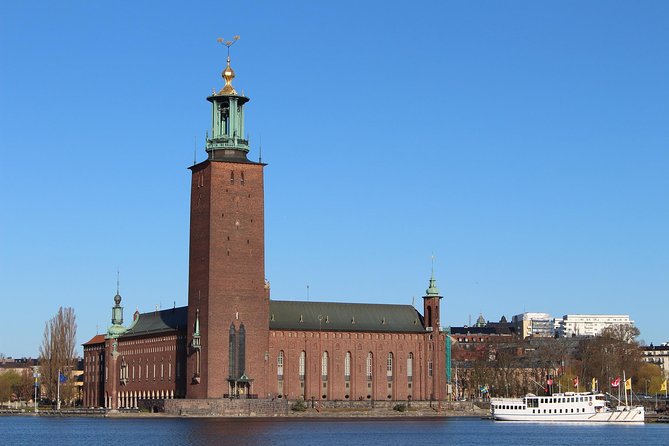
If you only remember one interior detail from Stockholm’s civic buildings, make it Stockholm City Hall’s Golden Hall. This place is famous for hosting the Nobel Banquet every year in December, but what you’ll likely love in person is the texture and scale of the architecture. The Golden Hall is dressed with more than 18 million pieces of golden mosaic. That number sounds like marketing until you stand there and realize it’s meant to be walked through, not just photographed from a distance.
City Hall is also described as Stockholm’s municipal political building and a standout for early 20th-century architecture. Outside, the 106-meter clock tower plus the setting by Lake Mälaren gives you a built-in scenic bonus. Even if you skip interior rooms, the exterior and garden views help you understand why the building became a landmark.
You get about 40 minutes, and since admissions aren’t included, you can decide how much to prioritize interiors versus quick photographic stops. If you like symbolism and ceremony, Nobel connections make this stop especially satisfying.



Music and theatre stops: Concert Hall, National Theatre, and why they matter
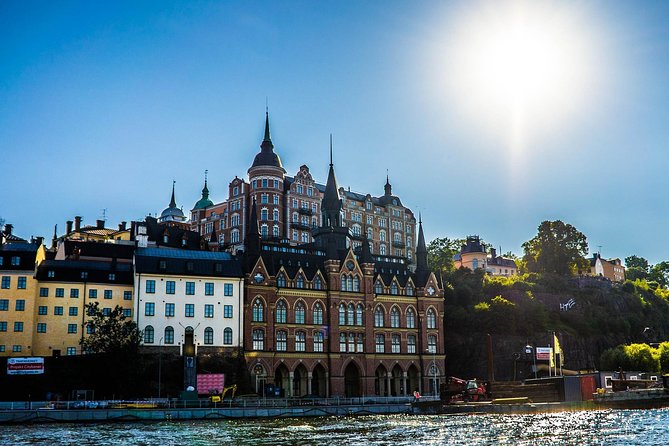
The tour also loops past performance landmarks that connect modern Stockholm to cultural identity.
You’ll pass the Concert Hall by Haymarket, dating back to 1926. Outside the entrance, there are sculptures by Carl Milles, and the building is shown to the world each year on December 10 during the Nobel Prize ceremony. If you time your visit around Nobel week, this area can feel especially alive.
Next is Sweden’s National Theatre, a Jugend Style building opened in 1908. The tour description also calls it one of the more costly constructions of its time. That’s a useful clue for what you’ll notice: this isn’t a simple blocky theatre. It’s a statement building designed to look like culture mattered enough to spend big money on it.
You don’t get a long sit-down here, but the architecture is worth absorbing while you’re already in a car-and-walk rhythm. These stops help you see Stockholm as a city that builds for art, not only commerce.
Museum Island and the “green island” approach: spacing out Stockholm’s big names
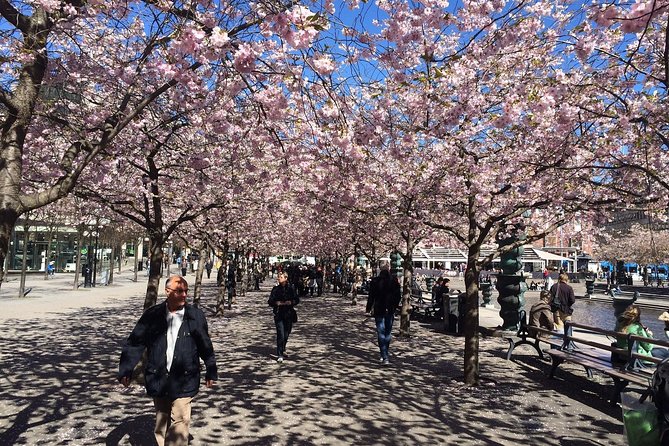
One of Stockholm’s best tricks is how it groups major attractions across islands. This tour leans into that by showing you Djurgården, often referred to as the city’s museum island area.
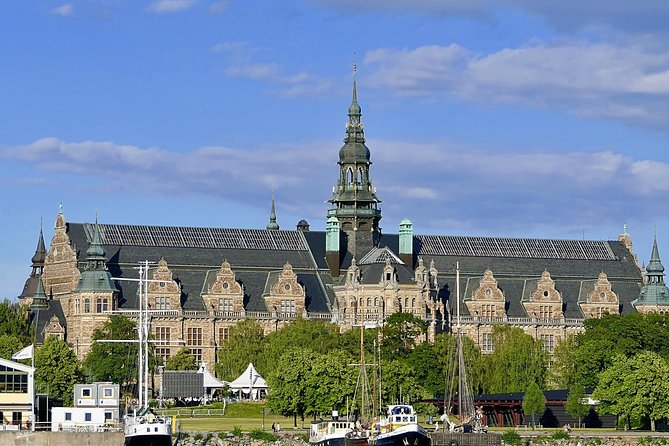
Here you’ll see the Vasa Museum again from the island perspective, plus other major draws like the Nordic museum and ABBA museum. The tour also highlights art exhibitions such as Prins Eugens Waldermarsudde. That’s helpful because it shows the range: history, pop culture, and fine art all sit in the same island zone.
You’ll also pass Gröna Lund amusement park and Skansen, an open-air museum. Even if you don’t step into those places during this 4-hour window, you’ll leave understanding how Stockholm organizes entertainment and learning. That makes it easier to plan a follow-up day on your own.
For many visitors, the main challenge in Stockholm is not the sites. It’s the geometry. Driving through this island set helps you get that geometry right.
Fjallgatan and Västerbron: the best one-photo viewpoint
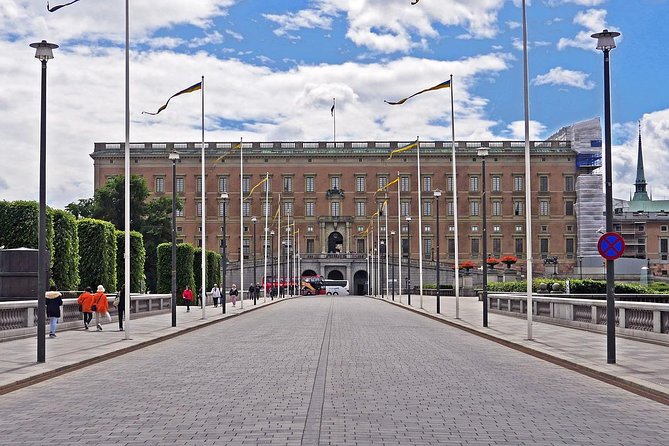
If you want one place where you’ll instantly feel “I get Stockholm now,” it’s the Fjallgatan viewpoint. The description calls it probably the best high viewpoint in the city, and the logic checks out: from up there, you can see a wide sweep of the city, including ports of cruise ships, Djurgården, and the roofs and steeples of old churches.
You’re there for about 10 minutes, which is perfect. You don’t need a long lecture. You need a moment to place the map in your eyes.
After that comes the bridge segment: Västerbron, described as a bridge from 1935 that runs from Södermalm to Kungholmen and is more than 600 meters. Bridges are more than connections here. They’re useful for understanding how Stockholm’s islands lock together while water shapes the routes.
Bring your camera, but also just look. Stockholm’s best moments often happen when you put the phone down for 20 seconds.
Price and value at $395 per person: when private makes sense
At $395 per person for about 4 hours, this is not a budget tour. But value isn’t only about low cost; it’s about what you get that you’d otherwise struggle to buy.
First, you’re paying for privacy and a guide who can tune pacing. If you have a family, older parents, or a small group that wants questions answered on the spot, a private guide can save more time than it costs. One guide experience included Thomas being accommodating to tastes and needs, including flexibility for a family of six, which is exactly the kind of payoff that justifies the price.
Second, you get priority access at the Vasa Museum. That’s a tangible value because waiting time is real time. If you’d spend even an extra hour in line, that eats part of your four hours and forces a rushed museum visit.
Third, this route hits multiple big sights without you coordinating the logistics between them. In a city built around water and islands, that matters. Stockholm is gorgeous, but it can also be slow if you keep switching modes of transport.
Where the price can feel steep is if you’re the type who only wants one or two stops and you’re happy to DIY everything. If you’re comfortable moving independently and you plan to book museum tickets yourself, you might find cheaper options. But if you want a smooth, curated drive with built-in context, this tour offers that comfort and clarity.
Who should book this private VIP limo tour
This is a good match if you want:
- Fast orientation across Stockholm’s key areas within one morning or afternoon
- A guide who can explain what you’re seeing without turning it into a rigid script
- Priority entry at Vasa Museum
- A mix of architecture, art details, and viewpoints
It may not be ideal if you prefer to spend most of your time inside museums with zero driving. This tour balances driving and short stops, so it works best when you enjoy “see, understand, move” pacing.
Also, if you’re someone who cares about the tiny details—like the exact Lutheran timeline for the cathedral or the specific mosaic scale in City Hall—this format will reward your attention.
Should you book this private 4-hour VIP Stockholm tour?
Yes, if you want a confident first pass through Stockholm with a guide-led story and the practical win of priority Vasa Museum access. The flexible Old Town stop is also a strong reason to choose it, because it gives your group control over lunch and browsing without derailing the schedule.
I’d say skip it or compare alternatives if you’re on a tight budget or if you already plan to self-guide the city and don’t care about guided context. But for couples, small families, and groups who want the day to feel organized and unhurried, this is the kind of tour that can make your next Stockholm day easier to enjoy.
FAQ
How long is the tour?
It lasts about 4 hours.
Is this a private tour or shared group?
It’s private, so only your group participates.
What language is the tour offered in?
It’s offered in English.
Do you get pickup?
Yes. Pickup is offered from hotels, ports, airports, and other spots you specify.
Is the pickup time fixed?
Pickup time is flexible, and you should contact the provider to coordinate.
Is admission to the Vasa Museum included?
No. Vasa Museum admission is paid separately as you enter.
Which admissions are not included during the tour?
The Vasa Museum and several other major venues listed as stops have admission tickets not included.
Is there a free time stop in Old Town?
Yes. You can choose to take a quick look around or have the guide drop you in Gamla Stan for time on your own for shopping, lunch, coffee, and sightseeing.
Where do you take the best photo in this tour?
Fjallgatan is the key high viewpoint, with excellent views over the city and surrounding islands and ports.
Can I cancel for free?
Yes. You can cancel up to 24 hours in advance for a full refund.