REVIEW · SIEM REAP
Private Angkor Sunrise Bayon Ta Prohm Bonteay Srie Vip Tour
Book on Viator →Operated by Naga Angkor Tour · Bookable on Viator
Wake up early, see Angkor change fast.
This private sunrise plan in Siem Reap is built around the first light at Angkor Wat, then rolling onward to Angkor Thom’s face towers and the more peaceful jungle ruins. I like that you get expert explanations tied to carvings and reliefs (with photo-style help), and that your guide works to avoid the worst crowds when possible. One thing to consider: the start time is 4:40 am and the Angkor Pass is not included, so your total cost depends on how many days you buy.
In This Review
- The heart of the experience is the timing
- You also get the meaning, not just the monuments
- A small caution: it’s a long, early day
- Key highlights you’ll care about
- Why the 4:40 am Angkor Wat start time makes this tour worth it
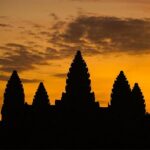
- Angkor Wat at first light: Vishnu, five peak towers, and relief details
- The South Gate of Angkor Thom: quick photos, then you’re in Bayon territory
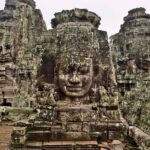
- Bayon face towers and the war-scene galleries you shouldn’t miss
- Ta Nie: the quiet jungle break and a smarter lunch window
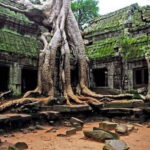
- Ta Prohm’s Tomb Raider effect: stone, trees, and shapes that feel alive
- Ending with small brick towers: a calmer close before heading back
- Tuk tuk comfort, private pacing, and what you’re really paying for
- The part people forget: the Angkor Pass
- Meals are also not included
- What makes the guide experience feel different (Naga and the way the day runs)
- Photo timing and the mobile ticket detail you should know
- Dress code and what to pack for Angkor conduct
- How long is the tour, and where does the time go?
- Who should book this private sunrise tour
- Should you book the Naga Angkor Sunrise Bayon Ta Prohm Ta Nie Tour?
- FAQ
- What time does the tour start?
- How long is the tour?
- Is hotel pickup and drop-off included?
- What’s included in the $56.42 per person price?
- Do I need an Angkor Pass?
- What about meals?
- What should I wear for Angkor temples?
- Can I cancel and get a refund?
The heart of the experience is the timing
The tour leans hard into the morning window. You’re set up to see Angkor Wat at sunrise, when the temple’s big Vishnu image and tiered towers are more dramatic, and when reflections become part of the show. That early start also matters because you’re not just arriving late with everyone else and hoping for good luck.
You also get the meaning, not just the monuments
I also like that your guide doesn’t treat temples like photo backdrops. Instead, you’ll get context for what you’re seeing—especially around Hindu imagery, including the Vishnu-related features and the story told by reliefs and carvings. Then the route keeps that context moving as you scan Bayon’s face towers and later shift into Ta Prohm’s “Tomb Raider” look with trees growing over the stone.
You can also read our reviews of more tours and experiences in Siem Reap.
A small caution: it’s a long, early day
If you’re traveling with a late-sleeping rhythm, this one may feel punishing. The tour runs about 7 hours (and the day plan can stretch closer to 8), and it’s early enough that you’ll want to go to bed soon the night before.
Key highlights you’ll care about
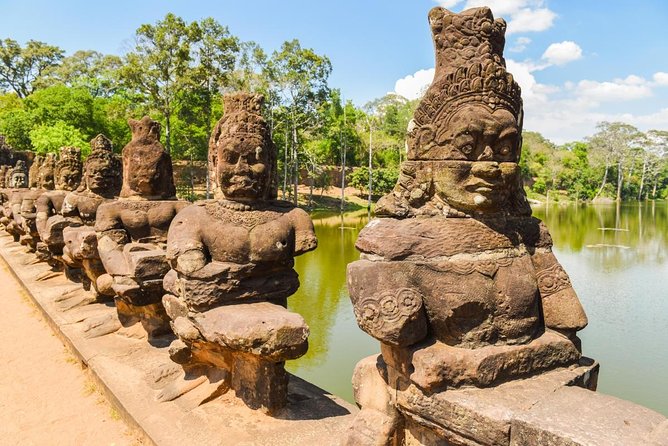
- 4:40 am sunrise setup at Angkor Wat to catch changing light
- Guide-led temple reading using images, carvings, and relief details
- Crowd-avoidance planning through the day’s pacing and photo timing
- Bayon face towers + long galleries with war scenes and everyday life
- Ta Nie lunch reset at a small quiet ruin complex in the jungle
- Ta Prohm’s Tomb Raider look with cold towels and water included
Why the 4:40 am Angkor Wat start time makes this tour worth it
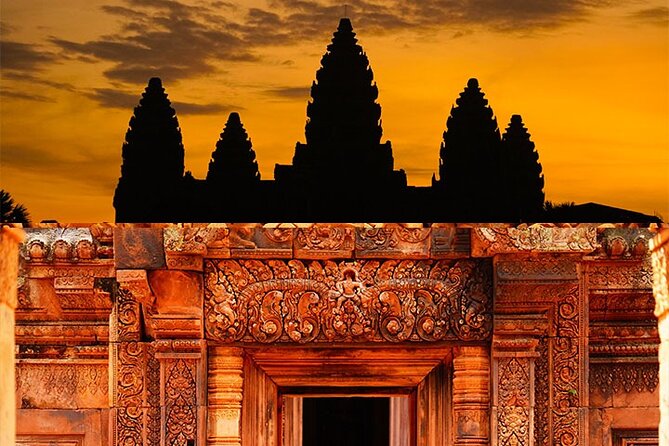
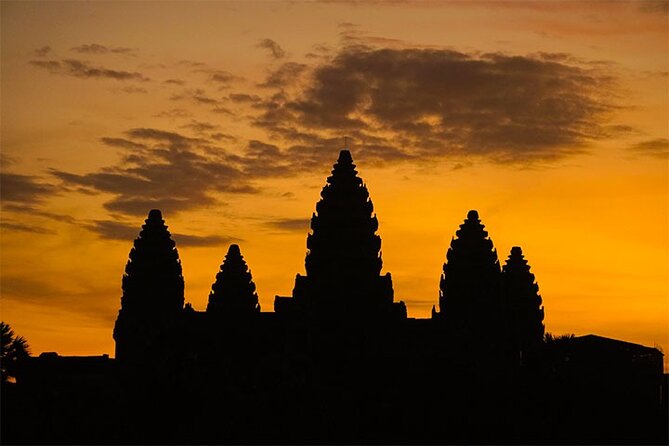
Angkor Wat at sunrise is the classic move for a reason. In the early morning, the temple doesn’t feel like another checklist item. You’re watching light hit stone, and you’re also more likely to get smoother viewing before the day’s heavier foot traffic builds.
This tour starts at 4:40 am, which means you’re not scrambling with the sunrise crowd. You’ll buy your temple ticket first, then settle in to see the big Vishnu image and the five peak towers that represent the god’s residence. The plan includes time at the South Gate of Angkor Thom shortly after, so you’re not bouncing randomly around the complex.
It’s also smart that the tour focuses on light and reflections. Angkor’s look changes minute by minute, and this schedule is designed for that.
Angkor Wat at first light: Vishnu, five peak towers, and relief details
At Angkor Wat, the route is centered on the parts that most visitors rush through. You’ll start with the sunrise experience, then move through key Hindu-related features.
Here’s what you can expect to focus on:
- The large Vishnu image tied to the temple’s religious theme
- The five peak towers, explained as part of how the site represents a spiritual residence
- Hindu reliefs and carved imagery in galleries and display areas
The practical value is that you’re not just staring at stone. Your guide is there to explain what you’re looking at—often using visuals and pointing out patterns in the carving work. That turns photos from “proof of travel” into something you can actually understand later.
The South Gate of Angkor Thom: quick photos, then you’re in Bayon territory
After Angkor Wat, the tour shifts to the South Gate of Angkor Thom. You’ll have around 10 minutes for photos, plus descriptions that help you get oriented quickly. That short stop is the kind of pacing I like on temple days: enough time to register what you’re seeing, not enough time to stall while the morning window narrows.
Then the day flows toward the real wow-factor zone: Bayon.
Bayon face towers and the war-scene galleries you shouldn’t miss
Bayon is where the route earns its keep. The plan is built for scanning those face towers—plus the surrounding architecture that frames the stories carved into the walls.
What makes this section special is the combination of:
- Face towers in Bayon’s distinct style
- Long galleries with scene after scene
You’ll get explanations tied to what’s shown, including:
- War scenes carved into gallery walls
- People’s daily life, including fishing under a roof-like sky effect
This is one of the best parts of the tour if you like history that you can see with your own eyes. Even if you’re not a temple scholar, the guide’s explanations help you read the carvings as story, not decoration.
It also matters that the tour is set up to help you avoid crowds. Your guide’s approach to timing means you’re not always looking over the shoulders of strangers.
Ta Nie: the quiet jungle break and a smarter lunch window
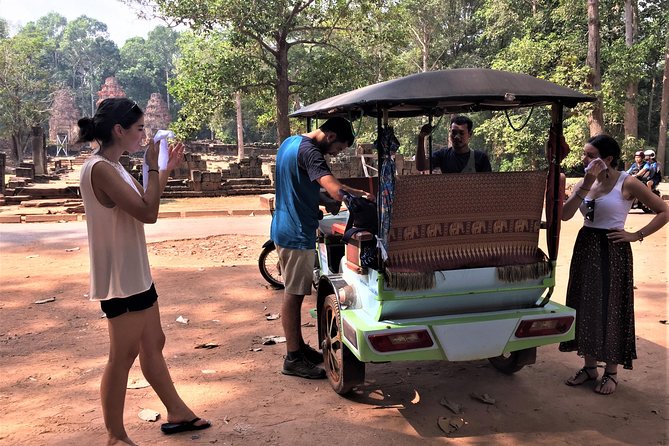
Not every stop on Angkor days should be loud and packed. That’s why the route includes Ta Nie, described as a smaller, quieter ruin complex in the jungle.
You’ll have about an hour of relaxed time for lunch here. It’s a real breather—part shade, part greenery, part change of pace. After hours in major temple spaces, a quieter ruin stop feels like a reset button for your brain (and your camera).
This also tends to be the part where the tour’s pacing becomes obvious. It’s easier to appreciate Ta Nie because you’re not rushing through it between bigger set pieces.
Ta Prohm’s Tomb Raider effect: stone, trees, and shapes that feel alive
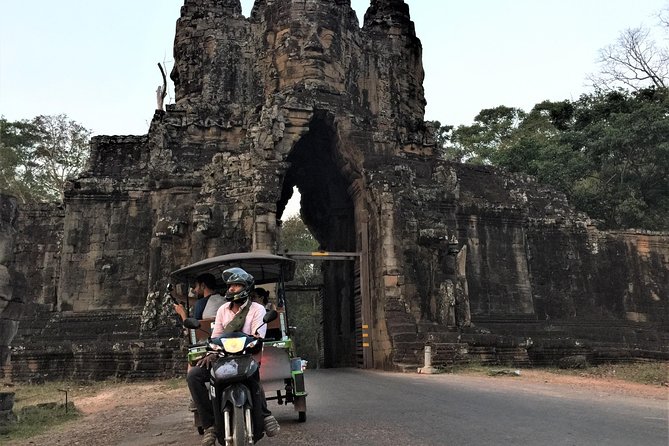
Then comes the temple most people recognize from pop culture: Ta Prohm. The route is positioned to hit the famous look—the massive roofline and the way the carvings and stone forms seem to “climb” through the jungle setting.
The tour highlights the giant roof scroll up and down effect and the shapes you see in the structure. It’s the kind of stop where your guide can help you notice the logic behind the chaos: how the architecture frames views, how tree growth became part of the visual identity of the site.
This section is also where the included refreshment details matter. You’ll have cold towels and water, which is a small thing until you’re standing in the heat with stone everywhere and no easy way to pause.
Ending with small brick towers: a calmer close before heading back
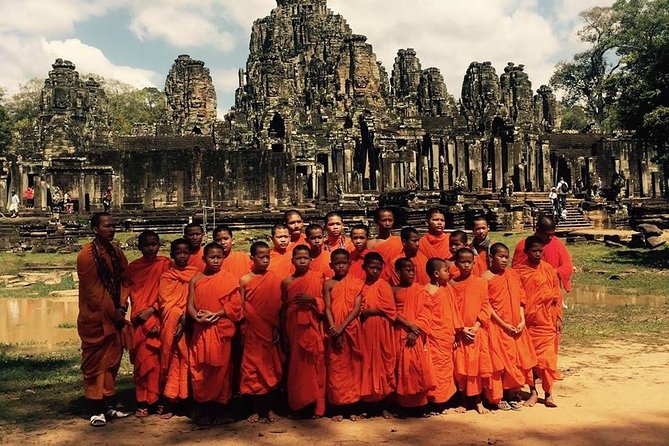
The last temple stop is a set of small brick towers made by bricks. This final stop matters because it doesn’t feel like another sprint through the most famous icons.
By this point, you’ve seen:
- Angkor Wat’s sunrise moment
- Bayon’s face-tower scanning
- Ta Nie’s quieter break
- Ta Prohm’s cinematic ruins
So the brick towers give you a quieter landing. It’s also a practical way to wrap up the day without pushing into another full-throttle mega-complex.
Then you head back to your hotel.
Tuk tuk comfort, private pacing, and what you’re really paying for
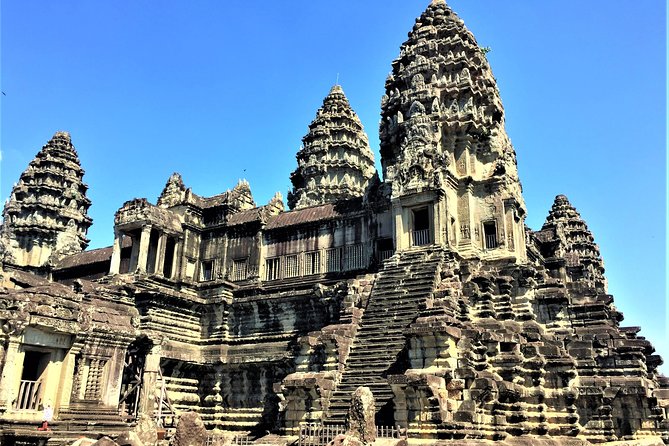
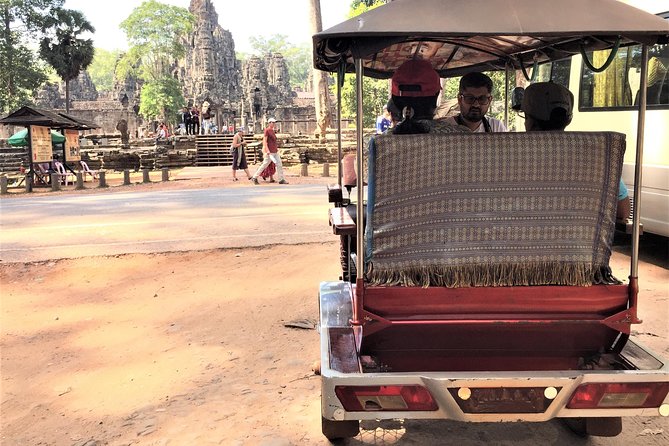
The price is $56.42 per person for a private tour—with a licensed driver, tuk tuk, and a professional English-speaking guide. You also get pickup and drop-off, plus cold drinking water and towels.
That’s good value if you compare it to paying for separate entrances, then trying to hire a guide only for parts of the day. Here, the guide time is the product, and the transport is the glue.
The part people forget: the Angkor Pass
The Angkor Pass is not included, and you’ll need one to enter. The tour data lists:
- One-day ticket: $37
- Three-day ticket: $62
So your real total depends on how many days you plan to visit. If you’re only doing Angkor once, you’ll likely choose the one-day option. If you’re hopping temples across multiple mornings, the three-day pass can make sense.
Meals are also not included
Lunch is built into the timing at Ta Nie, but meals and soft drinks are not included. Plan to cover your own food, and use that hour wisely.
What makes the guide experience feel different (Naga and the way the day runs)
A big theme in the guide experience is flexibility without losing structure. The guide named Naga is repeatedly described as enthusiastic and passionate about Cambodia, with a knack for explaining history and mythology in ways that keep you engaged.
In practical terms, that means:
- You’ll get answers when you ask questions
- Explanations connect to what you’re looking at, not just a lecture
- Timing is handled so you can enjoy sunrise light changes rather than chase them
You’ll also travel with the driver Kaan, who’s described as caring and helpful—especially around keeping you comfortable and hydrated in the heat. That kind of teamwork matters more than people expect, because temple touring is a timing game.
Photo timing and the mobile ticket detail you should know
This tour includes a mobile ticket. You’ll also be directed to stand in front of a camera for the ticket at the ticket office.
That’s one of those “small” instructions that can slow you down if you’re unprepared. I’d plan to be ready for a quick stop and a straightforward photo step. If you’re traveling with someone who hates cameras, mentally brace for it.
Dress code and what to pack for Angkor conduct
Angkor has strict expectations for clothing. You’ll want to follow the rule:
- Shirts must cover the shoulders
- Pants must cover the knees
It’s worth dressing for comfort too, since you’ll start early and spend time moving through temple areas.
Also bring:
- Sunscreen
- Anti-mosquito spray
And for kids under 12: they don’t need the pass, but you’ll need a passport copy carried for the child.
How long is the tour, and where does the time go?
The duration is listed as about 7 hours, and the route description reads like a full morning to early afternoon program. You’re starting at 4:40 am, so the day feels longer than the headline time once you factor in morning wake-up and the heat later.
Time goes into:
- Sunrise focus and initial temple ticketing
- Quick photo orientation at South Gate
- Bayon’s scanning and gallery viewing
- Ta Nie’s lunch reset
- Ta Prohm’s signature ruins and shapes
- The final brick tower stop and return
If you’re trying to squeeze other activities into the same day, I’d keep expectations realistic.
Who should book this private sunrise tour
This is a great fit if you:
- Want a private experience, not a large group shuffle
- Care about learning what you’re seeing, especially Hindu symbolism and carved scenes
- Like sunrise touring and want it handled with good timing
- Prefer a route that mixes big-name temples with a quieter break at Ta Nie
If you hate early mornings, or if you’re only interested in fast photos with minimal explanations, you might find a less structured option more your style.
Should you book the Naga Angkor Sunrise Bayon Ta Prohm Ta Nie Tour?
I’d book it if your top priority is a morning sunrise at Angkor Wat plus guided clarity at Bayon and Ta Prohm. The value is strongest when you factor in transport, pickup/drop-off, a guide who explains details, and included water and cold towels.
I’d pause and budget carefully if you haven’t planned for the Angkor Pass cost. For most people, that’s the biggest variable that turns a good-looking price into a higher total. Also think about your sleep schedule because the 4:40 am start is not negotiable.
If those points work for you, this is the kind of tour that makes temple visits feel more meaningful than just walking from one famous pile of stone to the next.
FAQ
What time does the tour start?
The tour starts at 4:40 am.
How long is the tour?
It runs for about 7 hours (and the overall plan reads like it can be closer to 8 hours).
Is hotel pickup and drop-off included?
Yes. Pickup and drop-off are included, and you’ll use a tuk tuk with a licensed driver.
What’s included in the $56.42 per person price?
You get a professional English-speaking tour guide, tuk tuk transport, cool drinking water and towels, and pickup/drop-off. Gratuity is recommended.
Do I need an Angkor Pass?
Yes. The Angkor Pass is not included. The tour data lists a one-day ticket for $37 and a three-day ticket for $62.
What about meals?
Meals and soft drinks are not included, even though there is a lunch break around Ta Nie.
What should I wear for Angkor temples?
You need clothes that cover your shoulders (shirt must cover shoulders) and pants that cover your knees.
Can I cancel and get a refund?
Yes. You can cancel for a full refund if you cancel up to 24 hours before the tour start time.