REVIEW · SAN LORENZO DE EL ESCORIAL
Private VIP visit El Escorial Palace, Monastery and Gardens
Book on GetYourGuide →Operated by Dream Tours Madrid · Bookable on GetYourGuide
El Escorial is the kind of place that makes you look twice at time itself: 16th-century Spain turned into stone. This private VIP visit gives you a focused path through the palace-monastery complex, with an official local guide and a full lineup of must-sees in about three hours.
What I like most is the official guide approach. You get a government-approved local expert, and a private setup means your guide can match your pace—especially useful if you’re newer to King Philip II or already the type who loves details.
One thing to think about: this experience is not suitable for people with mobility impairments, and you should expect plenty of walking through stone corridors, stairs, and museum-like spaces. If you’re sensitive to that, you’ll want to plan accordingly.
In This Review
- Key highlights you’ll actually care about
- Why El Escorial feels different from a normal day trip
- Entering the Monastery: express security and a smooth start
- Royal Crypts and the Spanish kings’ resting place
- Saint Lawrence Basilica: architecture with a message
- The Renaissance Laurentine Library: Philip II’s idea of knowledge
- Habsburg palace and villa: the royal life inside a monastery
- Gardens around the monastery: slow down for what’s outside
- The final stretch: village atmosphere and how to keep your bearings
- Price and value for a $129 private VIP visit
- Who should book this VIP El Escorial visit (and who should think twice)
- Should you book this tour?
- FAQ
- How long is the private VIP visit?
- What’s included in the price?
- Do you skip the line?
- Where do we meet?
- What languages are available?
- Is it suitable for people with mobility impairments?
Key highlights you’ll actually care about
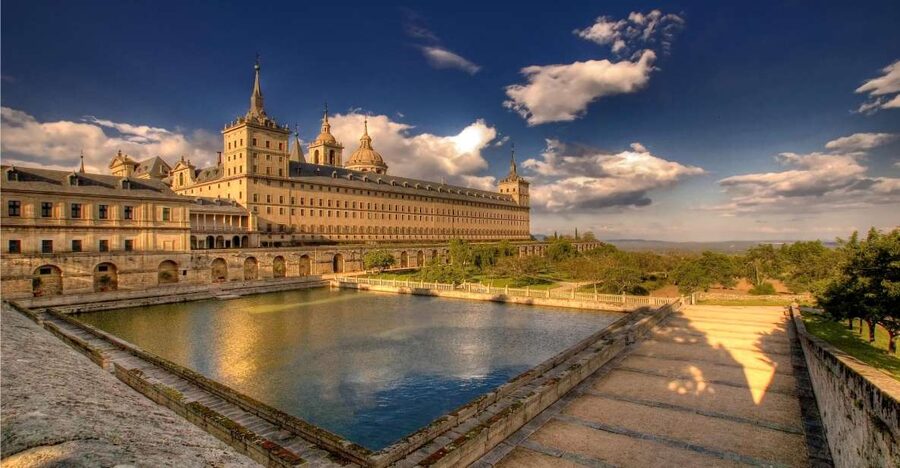
- Full VIP highlights: crypts, basilica, palace and villa, Renaissance gardens, and the Royal Library
- Royal Crypts access: the Spanish kings’ resting place is part of the core route
- Skip the line via express security: saves time before you even start sightseeing
- Renaissance Library focus: the Laurentine Royal Library is treated like the centerpiece it is
- Private group pacing: you don’t get shoved through on autopilot
- Bilingual guidance: Spanish or English during the tour
Why El Escorial feels different from a normal day trip
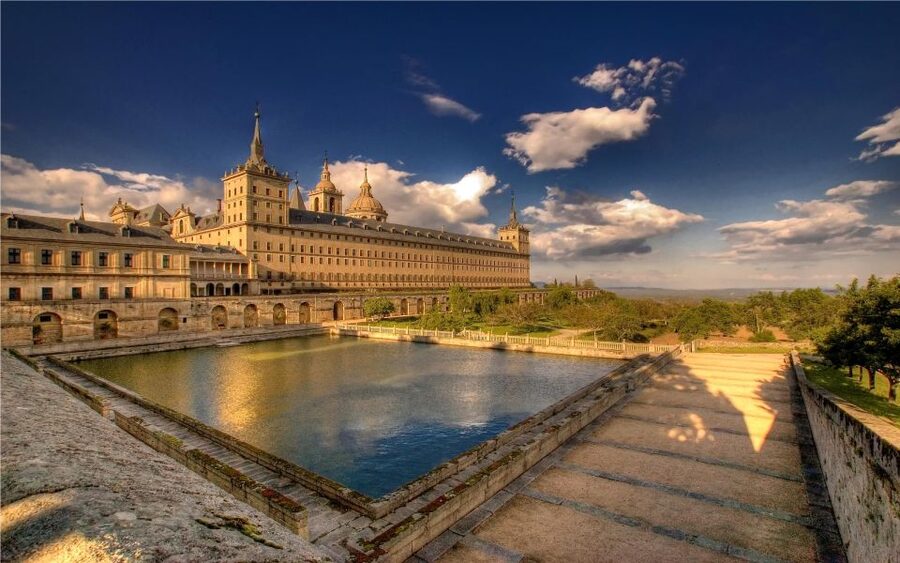
El Escorial is about 40 minutes from central Madrid, which makes it an easy add-on without feeling like a full travel saga. But once you arrive, it stops behaving like a typical “single attraction.” It’s a whole system: monastery, royal residence, and burial place all pressed into one imposing design.
This is also a UNESCO World Heritage monument, so the big reason to come with a guide is simple: the place is easier to understand when someone explains how Spain wanted to look, govern, and believe in the Spanish Golden Age. You’re not just collecting photos—you’re learning the logic behind the buildings.
The complex is often described as a grill-shaped monastery, and even without getting hung up on the geometry, you’ll feel how planned it is. That planning is what turns it from “old buildings” into a story you can follow.
Entering the Monastery: express security and a smooth start

Your tour meeting point is Av. de Juan de Borbón y Battenberg, 6, 28200 San Lorenzo de El Escorial. From there, the big practical win is the skip-the-line express security check, which helps you start your visit faster instead of waiting with everyone else outside.
If headsets are needed, you’ll have them. That matters here because the spaces are large, the conversations are constant, and you’ll want to hear your guide without craning your neck.
As a private group, you also tend to get a quieter rhythm. It’s still a popular site, but you’re not starting your visit behind a loud crowd mob. Your first goal is to get oriented fast: where you’re headed first, why it matters, and what to watch for as you move deeper into the complex.
Royal Crypts and the Spanish kings’ resting place
One of the most striking parts of this VIP visit is the stop in the Crypts of the Kings of Spain. This isn’t just “a room with graves.” It’s the sort of location that makes Spain’s power feel personal—names, dynasties, and a sense of succession that’s literally underground.
When you include the crypts in the same route as the basilica and palace areas, the whole complex clicks together. The monarchy isn’t presented as a separate topic. It’s integrated into the building’s purpose.
What I’d pay attention to is the contrast in atmosphere as you move from brighter public spaces into areas that feel more solemn and enclosed. Your guide’s job is to connect what you’re seeing to who lived, ruled, and was remembered. If you’ve ever wondered why Philip II’s era was so obsessed with order, legitimacy, and legacy, this stop helps answer it.
Saint Lawrence Basilica: architecture with a message
From the crypts, you shift upward into the Saint Lawrence Basilica, and this is where El Escorial starts to feel like a statement—big, deliberate, and designed to hold attention.
Even if you’re not an architecture nerd, you’ll get something out of seeing the basilica in person, because the guide helps translate the design choices into meaning. You’ll hear how the Spanish Golden Age viewed authority and faith, and why the basilica sits at the spiritual center of the complex.
The key thing to understand is that the basilica isn’t just decorative. It’s part of the same worldview that connects monarchy, religion, and governance. Once you grasp that, the whole building stops feeling like a random collection of stops and starts functioning like one coordinated project.
The Renaissance Laurentine Library: Philip II’s idea of knowledge
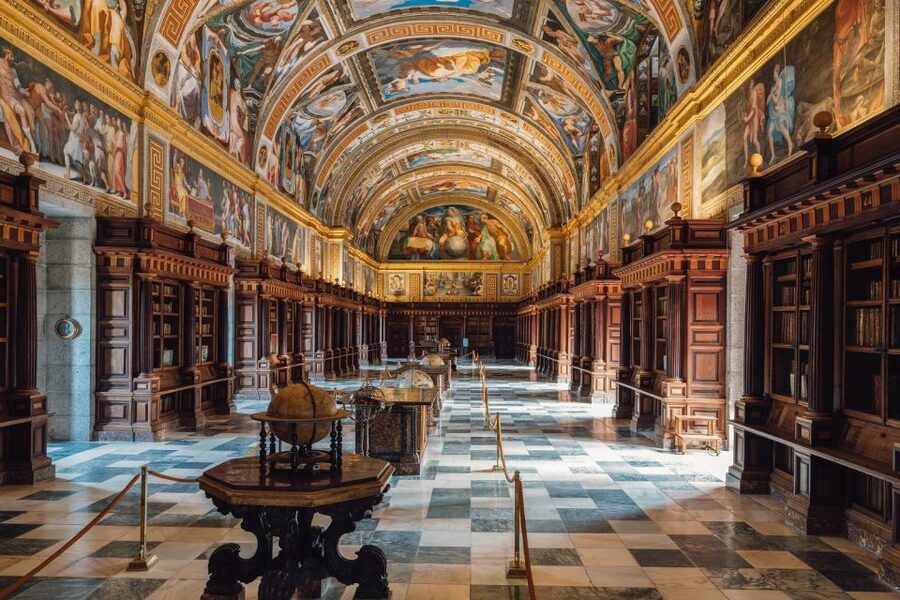
If you love museums, libraries, or anything where politics and culture shake hands, you’ll like the Renaissance Laurentine Library. This is a major highlight of the VIP visit, and it’s not treated like a quick photo stop.
The tour frames the library as a Renaissance power symbol—because it wasn’t just about storing books. It was about showing who had access to learning, who controlled ideas, and what kind of humanism the Spanish crown wanted to promote.
You’ll walk away with a better sense of why King Philip II cared so much about a royal library inside a monastery complex. The guide’s explanations make it easier to connect the dots between the architecture around you and the collection’s role in the era’s intellectual aspirations.
A practical tip: libraries can be quieter and more rules-driven than open courtyards, so keep your expectations realistic. You’ll want to listen during key points instead of scanning every corner at once.
Habsburg palace and villa: the royal life inside a monastery
One of the best reasons to choose the VIP format is that it doesn’t stop at religious rooms. You also visit the Habsburg palace areas and the villa components of the complex.
This is where El Escorial stops being only a spiritual site and starts being a royal machine. Seeing the palace spaces in the same visit makes you understand how monarchy could operate within a religious setting—how the crown could present itself as both devout and dominant.
What I find useful here is the way a good guide ties the palace and villa areas back to the same theme as the basilica and crypts: Philip II’s era wanted a world that looked orderly, moral, and controlled. The building is part of that messaging system.
Even if you don’t care about court life, you’ll still appreciate the design contrast. The palace spaces help you feel how the people at the top of society experienced this place day to day.
Gardens around the monastery: slow down for what’s outside
After the indoor-heavy highlights, the tour includes time in the gardens. This is a smart pacing choice. You get a change of texture—from stone halls and formal rooms to open air paths where you can reset your attention.
In many big monuments, the gardens get treated like an afterthought. Here, they’re clearly part of the Renaissance experience. You’ll understand them as planned spaces that match the era’s taste and philosophy, not just pretty greenery.
Use this time to let what you learned earlier settle. When your brain stops bouncing between crypts, basilica, and library, you start noticing how the whole complex is framed. It’s also a nice moment to slow down and take a breath before the final wrap-up.
The final stretch: village atmosphere and how to keep your bearings
A distinctive feature of this VIP visit is that it includes a stop through the charming village of San Lorenzo de El Escorial. This matters because the monastery can feel like an island of history. The village helps pull the story back into daily life.
The tour structure typically finishes at the entrance after you’ve had enough time to cover the core complex. That wrap-up timing is helpful: you get the important highlights without losing your entire day to one site.
And since this is a private visit, your guide can help you make sense of what you just saw while it’s still fresh. In previous groups, guides like Ana were praised for not rushing and tailoring the experience to different levels of prior knowledge. That kind of pacing makes the end feel less like a stampede and more like understanding.
As you leave, you should feel like you can answer basic questions for yourself:
Why is this place so massive?
How does the monarchy fit into a monastery?
What was Philip II trying to project?
Price and value for a $129 private VIP visit
At $129 per person for a three-hour private VIP experience, the value is all about what’s included. You’re not paying just for a “guided tour.” Your ticket access is part of the package, with entry tickets included, plus an official government-approved guide and headsets if required.
On top of that, you get the time-saving express security path. In a monument like El Escorial, shaving off even small waits can make the entire visit feel easier, especially if you’re coming from Madrid.
Private touring can cost more than group options, but here you’re paying for two things that actually matter:
1) a structured route through the full headline set (crypts, basilica, palace/villa, gardens, library)
2) less pressure to sprint through rooms you’d rather understand
If your priority is the “complete highlight set” in one go, this price can feel fair. If you’re the type who loves lingering for hours in one room, you might find three hours a bit tight—but that’s a tradeoff you should know before booking.
Who should book this VIP El Escorial visit (and who should think twice)
This tour fits best if you want a guided, high-impact El Escorial visit without spending your time figuring out where to go first. If you’re coming for the Renaissance power story, the monarchy’s presence in the architecture, and Philip II’s library, this format matches your goals.
It’s also a good pick for couples, small groups, and anyone who wants a quieter pacing style. In prior private groups, guides like Pablo were praised for delivering the experience smoothly to a group size around four, and for making the time fly without losing clarity.
Two cautions:
- Mobility impairments: it’s not suitable for that.
- Time limit: the tour is about three hours, so you’ll get breadth across the big sites, not endless time for one deep interest area.
If you’re comfortable walking and you’re not trying to do ten separate side missions on your own, this is a strong way to see El Escorial efficiently.
Should you book this tour?
I’d book this VIP visit if you want the full El Escorial story in one guided loop: crypts, basilica, palace and villa, Renaissance gardens, and the Royal Library tied to Philip II. The biggest selling point is that it’s structured for understanding, not just sightseeing.
Skip it (or look for another option) if mobility is an issue or if you’re hoping for a slow, open-ended exploration with plenty of extra free time inside just one wing. With this tour, you’re trading extra wandering for a clear path and a guide who keeps the big meaning coming as you move.
If you’re going to El Escorial once, this is the kind of booking that helps you get it right the first time.
FAQ
How long is the private VIP visit?
The tour lasts 3 hours.
What’s included in the price?
It includes entry tickets, an official government-approved local guide, and headsets if required.
Do you skip the line?
Yes. It includes an express security check to help you avoid standard lines.
Where do we meet?
The meeting point is Av. de Juan de Borbón y Battenberg, 6, 28200 San Lorenzo de El Escorial, Madrid, Spain.
What languages are available?
The live guide offers Spanish and English.
Is it suitable for people with mobility impairments?
No, the tour is not suitable for people with mobility impairments.