REVIEW · ROME
VIP Colosseum & Ancient Rome Guided Tour
Book on Viator →Operated by Maya Tours · Bookable on Viator
Rome’s ancient pulse is right here. This VIP tour strings together the Colosseum, Roman Forum, and Palatine Hill in about 3 hours, with an art historian guide doing the talking. I especially like the headsets (so you don’t have to lean in and compete with other groups) and the timed, skip-the-line style entry that helps you move faster than on your own.
One thing to plan for: the Colosseum entry is strict. If you’re late to the meeting point, you may lose your slot and won’t be able to join or reschedule.
In This Review
- Key things I’d circle before you book
- What This VIP Colosseum Tour Really Gives You
- Starting Off at the Colosseum: Where You Meet and Why Timing Matters
- Entering the Colosseum: Skip-the-Line Access With a Guide’s Eye
- A word about guides (and why people rave for a reason)
- Roman Forum in 45 Minutes: Turning Ruins Into Daily Life
- Palatine Hill: The First Settlement and the Caesar Connection
- Headsets, Art Historian Guides, and the Small-Group Advantage
- Headsets keep the story clear
- Small groups keep you from getting lost
- Art historian framing adds meaning
- Price and Value: Is Around $34 a Good Deal?
- What You Need to Bring (So Security Doesn’t Stop You)
- The Physical Side: Moderate Fitness, Real Walking
- Where It Ends: Continuing on Your Own
- Who Should Book This Tour
- Should You Book VIP Colosseum & Ancient Rome?
- FAQ
- How long is the VIP Colosseum & Ancient Rome guided tour?
- Where do I meet the guide?
- What time should I arrive for the tour?
- How big is the group?
- Are headsets included?
- Is admission included?
- Do I need a photo ID?
- What if monuments are closed due to the Jubilee?
- Is this tour refundable if I cancel?
Key things I’d circle before you book
- Small group (max 15): Easier pace and more personal help from your guide.
- Headsets included: Clear commentary even when the crowd gets loud.
- Three big sites in one walk: Colosseum, Roman Forum, and Palatine Hill back-to-back.
- Photo ID is mandatory: Bring it, or you can be denied entry at the gate.
- Art historian guidance: You’ll get design and daily-life context, not just dates.
What This VIP Colosseum Tour Really Gives You
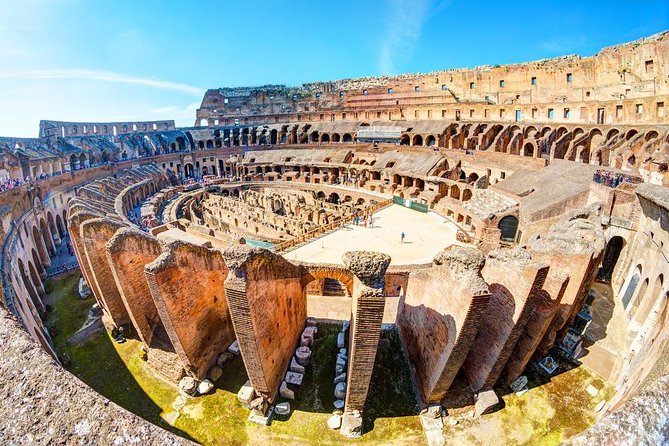
If you only have a few hours in Rome, this is one of the most efficient ways to see the big three: Colosseum, Roman Forum, and Palatine Hill. The tour runs about 3 hours, and the key is pacing. You’re guided from site to site, but you’re not rushed through everything with no context.
What makes it work is the combination of structure and explanation. You get a professional art historian guide, and you hear the commentary over included headsets, which matters a lot in these places. I’ve done tours where you’re stuck asking people to repeat themselves. Here, the setup is meant to keep the tour coherent.
Also, group size helps. This caps at 15 travelers or fewer, which usually means your guide can slow down for questions, check in with the group, and keep the experience from turning into a human conveyor belt.
You can also read our reviews of more tours and experiences in Rome.

Starting Off at the Colosseum: Where You Meet and Why Timing Matters
You meet outside the Colosseum at a specific point, and you should treat the meetup time as real instructions, not suggestions. The tour starts from Piazza del Colosseo, 21 at the green kiosk by the Colosseum Metro ground floor entrance, and you’re also told the group meets near Via Frangipane 30. Either way, you’ll look for the Maya Tours flag and your escort.
Arrive early. You’re required to be there 20 minutes before your booked entry time so the guide can take you through the security and check-in flow. This is one of those Rome moments where strict timing is not just annoying—it’s how the system works.
And yes, the Colosseum administration has strict timing rules. If you arrive late, you may not be able to join the group or reschedule. So I’d rather you build in buffer time from your hotel or wherever you start that morning.
Entering the Colosseum: Skip-the-Line Access With a Guide’s Eye
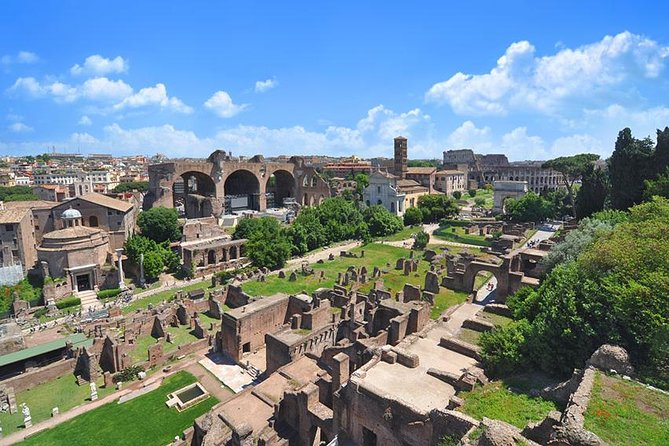
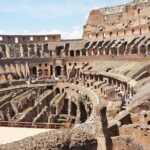
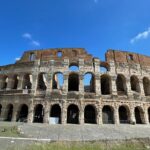
The main event is the Colosseum visit, led with commentary over headsets. The tour includes about 1 hour inside, and you’re using timed, reservation-based entry plus skip-the-line style access. In practice, that means less time stuck in a long entry queue and more time looking at the structure and understanding what it was for.
This is not just a photo-op stop. Your guide walks you through the amphitheater’s design and explains how it functioned. You’ll also hear about the major historical events tied to the Colosseum—plus how the building sat in the routine of ancient Romans.
Here’s the value in the guide focus: the Colosseum can look like “big stone stadium” from a distance. With an art historian’s framing, you start noticing details like how the space was organized and why the structure mattered culturally and politically.
A word about guides (and why people rave for a reason)
The tour is led by professional guides, and the feedback includes names like Giovanna, Luma, and Lumi. The common thread: they’re friendly, thorough, and keep things understandable as you move through the site. One highlight from the guide style is practical help—like pointing out toilets and even free water refills during the walk—so the day doesn’t turn into a logistics scramble.
Roman Forum in 45 Minutes: Turning Ruins Into Daily Life
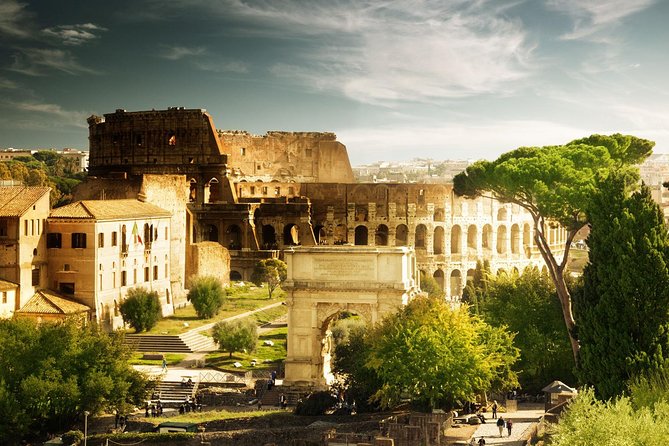
Next comes the Roman Forum, for about 45 minutes of guided touring. If the Colosseum is the headline, the Forum is where Rome feels real fast. It’s packed with archaeological remains, and it can be confusing if you’re standing there alone trying to piece together what each section was.
Your guide helps you connect the dots. You learn about the architecture and the history of the site, but the big payoff is understanding how the Forum worked as a daily-life hub—part civic center, part political stage, part public meeting ground.
The Forum also teaches you how layered Rome is. You’ll hear about how different functions lived in the same space over time, so the ruins stop looking random. Instead, they start reading like a map of power and public life.
One practical benefit: the tour doesn’t overstuff the Forum segment. 45 minutes is long enough to get oriented and understand the story, but short enough that you still have energy for the climb and views at Palatine Hill.



Palatine Hill: The First Settlement and the Caesar Connection
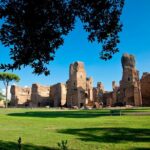
Your final stop is Palatine Hill, also about 45 minutes. This hill is one of Rome’s legendary seven hills, and it’s tied to the story of where the city was first settled.
You’ll learn what Palatine means in Rome’s origin myths and how it connects to the city’s later elite identity. Your guide also points out key historical moments associated with the hill—including where Julius Caesar’s funeral was held.
That Caesar detail matters because it gives the place a human anchor. Palatine Hill can feel like you’re walking through “top views and temples” unless someone explains why it mattered at the time. With a guided approach, you start to see how power, memory, and space were linked.
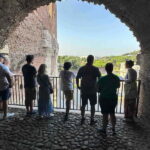
Also, the hill portion tends to feel like a reward. You’re moving uphill and outdoors, and you get those open-air Rome vistas—great for photos, but also useful for orientation. It helps you see how the city stretches and why these sites were placed where they were.
Headsets, Art Historian Guides, and the Small-Group Advantage
Let’s talk about why the structure of this tour matters.
Headsets keep the story clear
Rome sites are loud. Other groups talk, people shuffle, and the wind does its job. With headsets included, you don’t have to guess what your guide is saying or rely on shouting across a crowd.
That makes a difference for a tour focused on interpretation—architecture, events, and daily life. You’re not just collecting landmarks; you’re assembling context.
Small groups keep you from getting lost
Max 15 people means the guide isn’t managing a stampede. You’ll move at a relaxed pace, and your guide can check in if anyone needs a moment. This matters in a place where there are steps, uneven surfaces, and the occasional sudden bottleneck.
Art historian framing adds meaning
This isn’t a “facts read from a card” style. An art historian guide approach tends to emphasize design, purpose, and how the Roman world used spaces to communicate status and control. You’ll likely leave with a better sense of how the Colosseum, Forum, and Palatine Hill fit together as one big Roman system.
Price and Value: Is Around $34 a Good Deal?
At around $34, this tour is priced for value, especially because the Colosseum ticket and reservation fee are called out (total valued at €18 + €2). That means a chunk of the cost is already covering the hardest part—getting access efficiently to a timed-entry monument.
The rest pays for what most people actually want: a professional guide, headsets, and orchestration across three major sites in one run. You’re also saving time you’d otherwise spend figuring out where to go next and how to interpret what you’re seeing.
There’s also a hidden value in the small-group limit. When you’re not fighting for attention, your questions get answered and your time inside the monument feels more complete.
So in plain terms: if you want the Colosseum plus Forum plus Palatine Hill in one guided package, and you’re okay with a meetup-based walking plan, this is a reasonable way to spend your morning or early afternoon.
What You Need to Bring (So Security Doesn’t Stop You)
This is one of those Rome tours where you should follow the rules like you mean it.
You must show photo ID to enter the monument. If you don’t have it, you can be denied entry. It’s also required that the full names of all travelers match the identification document exactly. A mismatch can cause trouble at the gate.
Also plan around what you can carry. Large bags/backpacks/suitcases aren’t permitted inside the Colosseum, and there are restrictions on items like glass, sharp objects, alcohol, and spray. If you travel light, you’ll keep the process smooth.
One more small note: parts of monuments can close or change last minute due to events like the Jubilee. It’s rare, but it’s real enough that you should pay attention to any messages you’re sent.
The Physical Side: Moderate Fitness, Real Walking
This tour is listed for travelers with moderate physical fitness. That’s code for: you’ll walk, you’ll be on uneven ground, and there’s hill work at Palatine. The pace is relaxed, but you still need the stamina for a few hours of sightseeing across multiple areas.
If you’re sensitive to stairs or long periods on your feet, consider whether you’re comfortable with a guided itinerary that doesn’t stop for every breath. The group size helps, and your guide may check in, but the sites themselves are what they are.
Where It Ends: Continuing on Your Own
After the tour concludes (about 2.5 hours inside the main guided portion, with the overall duration listed as about 3 hours), you’re free to explore on your own. The end point is listed around Fori Imperiali.
This is a nice setup. You can pivot to nearby sights, browse nearby streets, or just take your time walking the Forum area further if something caught your attention. The guided portion gives you the skeleton; your free time lets you add the flesh.
Who Should Book This Tour
This fits best if:
- You want to cover all three top archaeological sites without piecing together multiple tickets and meeting points.
- You care about context—design, events, and daily life—not just a list of stops.
- You like group tours that stay small and allow questions.
- You’d rather not strain your ears during crowded interpretations, since headsets are included.
It may not be ideal if you:
- Need total flexibility with timing (the Colosseum entry is strict).
- Travel with a lot of bulky luggage (large bags are not allowed inside).
- Don’t have photo ID ready on the day of entry.
Should You Book VIP Colosseum & Ancient Rome?
I think it’s a strong pick if you’re doing Rome on a timeline and you want the major sites in one coherent storyline. The value comes from two things you can feel right away: skip-the-line style timed access and an art historian guide using headsets to keep the experience understandable.
Just be disciplined about logistics. Show up early, bring your photo ID, and keep your bag situation simple. If you do that, you’ll walk out with more than pictures—you’ll have a clearer sense of how these places shaped Roman life, not just how they look in daylight.
FAQ
How long is the VIP Colosseum & Ancient Rome guided tour?
The tour runs for about 3 hours (approx.), covering the Colosseum, Roman Forum, and Palatine Hill.
Where do I meet the guide?
You meet at Piazza del Colosseo, 21 near the green kiosk outside the Colosseum Metro ground floor entrance, where your guide will be waiting with a Maya Tours flag. Another nearby meeting point mentioned is Via Frangipane 30 outside the Colosseum.
What time should I arrive for the tour?
You should arrive 20 minutes before your booked entry time, since late arrival may prevent you from joining the group due to strict Colosseum timing.
How big is the group?
The tour has a maximum of 15 travelers.
Are headsets included?
Yes. Headsets are included so you can hear the guide clearly during the tour.
Is admission included?
Admission tickets are included for the Colosseum, the Roman Forum, and Palatine Hill. The Colosseum ticket and reservation fee are specifically listed as included.
Do I need a photo ID?
Yes. Photo ID is mandatory for entry, and you must bring it (or a clear copy) for access to the monument.
What if monuments are closed due to the Jubilee?
Some areas may be under restoration and subject to last-minute closures. You should pay attention to any messages you receive about potential changes.
Is this tour refundable if I cancel?
No. The experience is non-refundable and cannot be changed for any reason.