REVIEW · ISTANBUL
VIP Istanbul-Topkapi Palace Hagia Sophia Blue Mosque GrandBazaar
Book on Viator →Operated by Impetus Travel · Bookable on Viator
Some cities reward planning. Istanbul rewards it twice. This VIP route strings together Istanbul’s biggest icons and the places in between, with a guide to explain what you’re seeing and a hotel-lobby pickup so you waste less time finding your way. I also like that you get help avoiding the worst of the crowds at Topkapi Palace. The main thing to keep in mind is that active worship sites (and Hagia Sophia’s current setup) can still mean security lines and slower entry.
What really makes this tour work is the built-in flexibility. When certain sights are closed, you still keep moving, swapping in alternatives like the Turkish & Islamic Art Museum or a craft stop instead of the Grand Bazaar. The one possible drawback: you’ll walk and queue on and off throughout the day, so it’s not the right fit if you want a completely low-effort day.
In This Review
- Key highlights at a glance
- Hotel-lobby pickup, private group energy, and a 9:00 am start
- Hippodrome: the racecourse that shaped early Byzantium
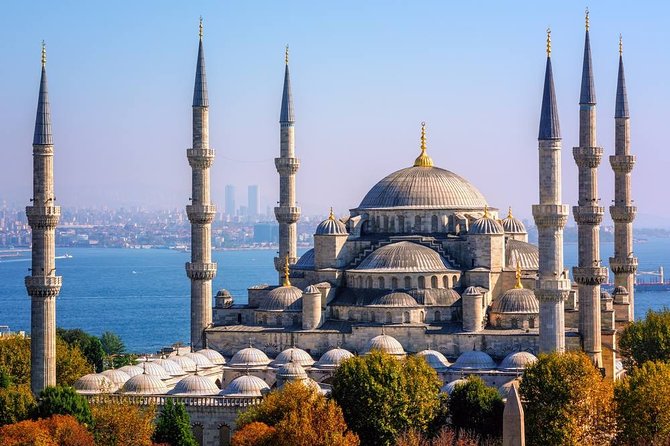
- Blue Mosque: Ottoman grandeur, practical dress rules, and Friday caveats
- Hagia Sophia Grand Mosque: 1,500 years of change and today’s security line reality
- Topkapi Palace: big Ottoman power center, plus ticket timing you should plan for
- The Tuesday swap: Turkish & Islamic Art Museum instead of Topkapi
- Grand Bazaar: a 500+ year shopping maze with a guided story
- Dress code, scarf rules, and other small things that save time
- Price and value: what $80 buys, and what you still need to pay
- Who this tour fits best (and who should pick something else)
- Should you book VIP Istanbul-Topkapi Palace Hagia Sophia Blue Mosque Grand Bazaar?
- FAQ
- What time does the tour start?
- Is hotel pickup included?
- How long is the tour?
- Are entrance fees included?
- Can the tour skip lines at Topkapi Palace?
- What happens on Mondays?
- What happens on Tuesdays?
- What happens on Sundays?
Key highlights at a glance
- Hotel lobby pickup (Old City area): You meet your guide and walk to the sites together.
- Topkapi Palace line help: You skip the long ticket lines (your entry fee is separate).
- Smart closed-day swaps: Topkapi, Hagia Sophia, and Grand Bazaar adjust to the weekday.
- Time-saving explanation: Your guide adds context so the sights connect instead of feeling random.
- Culture-friendly shopping stops: Grand Bazaar plus a carpet-weaving talk when it’s available.
- Dress and queue realities: Mosques require coverage; Hagia Sophia may involve security waiting.
Hotel-lobby pickup, private group energy, and a 9:00 am start
The day runs like you’re being escorted, not herded. You start at 9:00 am, and the guide meets you at your hotel lobby in the Old City area. From there, you walk to the key stops together, which saves you from the classic Istanbul problem: you finally figure out the route, then the line swallows your morning.
This is also a private tour, meaning it’s only your group. That matters with places like the Blue Mosque and Hagia Sophia, where timing and pace can make or break your experience. If your group likes photos, you can usually manage it. If your group prefers facts, your guide can keep tightening the story.
Plan on moderate walking and some waiting at entries. The tour aims to reduce friction—especially where tickets pile up—but you’re still going into real, working public spaces.
You can also read our reviews of more tours and experiences in Istanbul.



Hippodrome: the racecourse that shaped early Byzantium
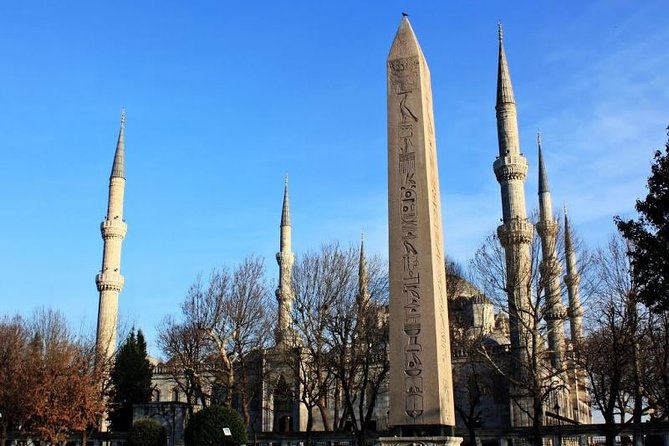
Stop one is the Hippodrome, the old racing arena that once hosted the city’s chariot spectacle. It’s not a huge “stand inside and stare” site—it’s more like a history lesson you can walk through. Still, it’s a smart opener because it sets the stage for how power and spectacle fed each other in this part of the world.
You’ll see three standout pieces:
- Egyptian Obelisk
- German Fountain
- Serpentine Column
Even if you only catch the highlights, your guide’s explanation makes these fragments feel like clues in a bigger puzzle. You’ll understand why this area mattered beyond entertainment—how it functioned as a public stage for politics, identity, and rivalry. It’s the kind of stop that makes the later imperial monuments feel less random.
One practical note: Hippodrome entry is free here, which helps the day feel smoother right away.
Blue Mosque: Ottoman grandeur, practical dress rules, and Friday caveats
The Blue Mosque is the star of the Ottoman-era mosque look: monumental scale, a famous visual style, and that “wow” effect when you see it in person. Your visit is timed for a guided look, with about 45 minutes allocated. With a good guide, this isn’t just a photo stop—it becomes a lesson in how art, religion, and empire expressed themselves through design.
Here’s what you should prep for:
- The mosque is an active worship site, so there’s a queue for entry.
- Ladies must cover the head with a scarf, and you should bring one.
- Shoulders and knees must be covered.
If you forget the scarf, you might be able to find coverage on-site, but don’t count on it. Bring your own so you can keep moving.
On Fridays, one important caveat applies: depending on worship, the tour may visit the mosque from outside instead. That’s not a deal-breaker, but it can change how much time you spend inside.
If your group enjoys tiles, details, and the “why this matters” side of architecture, the Blue Mosque is a high payoff stop.
Hagia Sophia Grand Mosque: 1,500 years of change and today’s security line reality
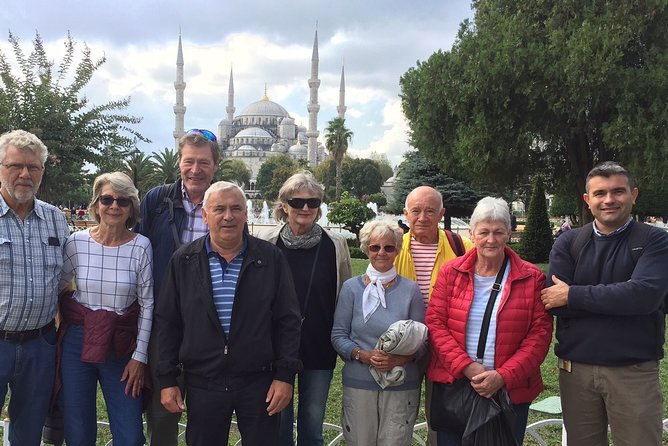
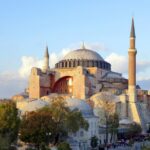
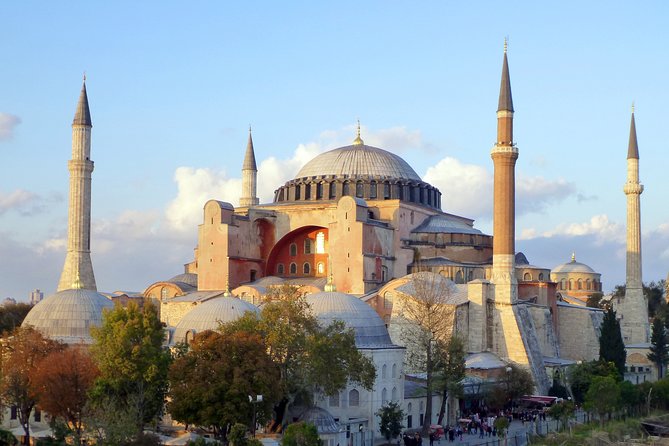
Next up is Hagia Sophia Grand Mosque. This building’s timeline is the reason it’s famous: it’s often described as a 1500-year-old structure, built as a major church of Christianity, then reshaped after the Fall of Constantinople into a mosque. Today, its use and presentation have shifted over time, and that affects how entry feels.
One thing I think you’ll appreciate: your guide can connect the architectural story across eras, so you’re not just looking at one era’s style. The structure’s sheer age makes it feel like a bridge between worlds—religious, political, and artistic.
But let’s talk logistics honestly. This is closed on Mondays, and skip-the-line priority isn’t available in the way you might expect for a museum-style visit. You may need to wait in the security line. On Fridays, the tour may view Hagia Sophia from outside because of worship.
Also plan your time: about 1 hour on-site. If your group is the type that gets frustrated by lines, treat Hagia Sophia as a “patient” stop. If you’re okay with waiting to get inside a place this important, it’s absolutely worth it.
Topkapi Palace: big Ottoman power center, plus ticket timing you should plan for
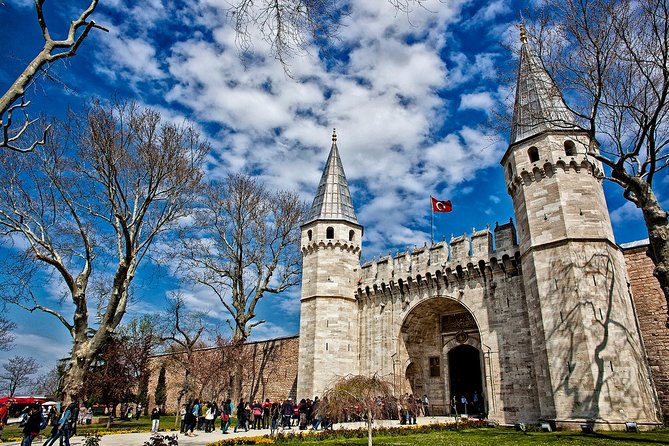
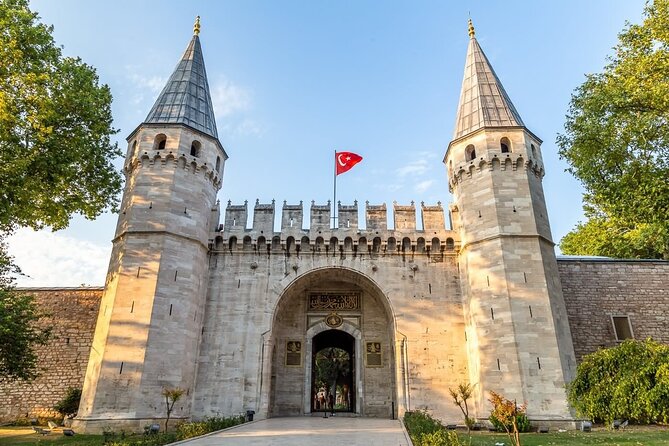
Topkapi Palace is where the Ottoman Empire’s authority becomes physical. The palace served as the residence of Ottoman sultans, and the broader empire controlled this region for about 400 years. You’re not just walking through pretty rooms—you’re walking through the idea of governance as a lived environment.
Your tour includes a skip-the-long-ticket-lines benefit at Topkapi, which is a real time-saver. Here’s the catch: the entrance fee is not included. You should budget for Topkapi’s ticket separately. Still, the line-help is valuable because it reduces the time lost to ticket queues.
Expect about 1 hour 30 minutes allocated here. That’s enough time to hit the major highlights with a guide, rather than wandering and getting lost in rooms that all look “important.” If your group loves details, you’ll get plenty of explanation—but don’t expect a marathon.
Topkapi is closed on Tuesdays, and that’s where the tour stays clever.





The Tuesday swap: Turkish & Islamic Art Museum instead of Topkapi
When Topkapi is closed, you’ll visit the Turkish & Islamic Art Museum in its place. This is a strong alternative because it keeps the day anchored in Ottoman and broader Islamic cultural identity—just through objects and collections rather than the sultan’s palace spaces.
Why this replacement can be a win: if you love seeing how a civilization expressed itself through design, calligraphy, ceramics, textiles, and craftsmanship, museums often let you focus without the “palace maze” feeling. It’s still a museum visit with guided interpretation, and it keeps the overall flow of the day intact.
The time slot stays similar to what you’d expect for a major stop, around 1 hour 30 minutes, giving you enough runway for meaningful viewing with your guide.
Grand Bazaar: a 500+ year shopping maze with a guided story
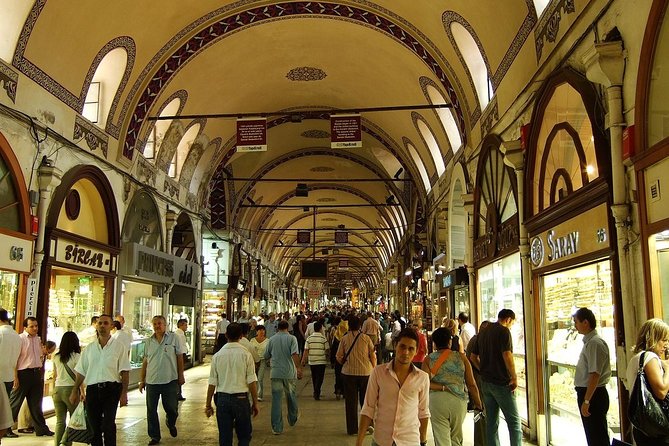
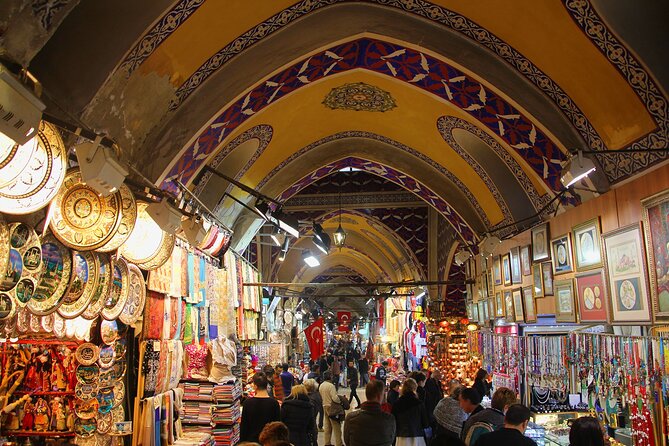
Finish with the Grand Bazaar, a 500+ year old bazaar that’s often described as the oldest and biggest one in the world. Even if you’re not a serious shopper, it’s one of the best places in Istanbul to understand how everyday commerce runs alongside art and tradition.
You’ll get about 1 hour 30 minutes here. The guide helps you navigate so you’re not just stuck wandering until you’re tired. And there’s a bonus: an optional carpet weaving lecture is included as part of the experience.
A smart tip: decide early what you want from the bazaar. If you want textiles, you’ll enjoy the lecture more. If you mainly want atmosphere, treat the lecture as a background layer and spend the time walking slowly.
Sunday is the catch. The Grand Bazaar is closed on Sundays, and the tour swaps it out for a handcraft center / Spice Market-style replacement (with a carpet weaving talk still presented). You keep the cultural shopping theme, just with a different venue and street-level vibe.
Dress code, scarf rules, and other small things that save time
Mosques come with rules, and this tour takes them seriously. Keep this checklist in your head:
- Bring a scarf for head covering if you’re a woman.
- Wear clothing that covers shoulders and knees.
- Expect queues at active worship sites.
Also consider how you carry items. You’ll be walking between several major stops in a single day. That means fewer chances to stop for convenience. Bring a small day bag, water if allowed, and something simple for restroom breaks. (A quick strategy: plan your snack timing around the breaks you get naturally between sites.)
For shoes, go practical. Even if the day is structured, cobblestones and crowded entries make comfort matter.
Price and value: what $80 buys, and what you still need to pay
At $80 per person, the value is in what’s bundled: a professional tour guide, hotel-lobby pickup, and the timed flow through the biggest landmarks. That part alone reduces stress, especially in places where you’d otherwise spend your day figuring out lines and routes.
What’s not included is the big-ticket museum/palace entry spending:
- Hagia Sophia entrance: $35 per person
- Topkapi Palace entrance: $65 per person
So for budgeting, plan on paying those entrances separately. The upside is that the tour still helps with time—especially with the Topkapi line situation—and it organizes your day so you’re not paying for entry twice or getting stuck on a closed site without a plan.
If you want the most “value per hour,” this is the kind of tour that makes sense because it’s built around a tight geographic loop and weekday-aware replacements. If you already plan to go solo and don’t mind sorting tickets and timing yourself, you may be able to save money. But if you want a guided day that feels coherent, the structure makes the price easier to justify.
Who this tour fits best (and who should pick something else)
This tour is ideal if you want:
- A guided day across Istanbul’s flagship sites without the stress of navigating alone
- A plan that adjusts for closures on Mondays, Tuesdays, and Sundays
- A group format where pacing can match your needs inside busy monuments
It’s less ideal if you:
- Hate queues and security lines
- Want a fully relaxed day with minimal walking
- Can’t follow mosque dress requirements (scarves and coverage matter here)
If your group cares about explanation—seeing the connections between the Hippodrome’s spectacle, the mosques’ architecture, and the Ottoman power center at Topkapi—your guide’s storytelling is the main reason this day works.
Should you book VIP Istanbul-Topkapi Palace Hagia Sophia Blue Mosque Grand Bazaar?
I’d book it if your priority is a single-day sampler that still feels structured, not random. The combination of hotel pickup, a real guide, and weekday swaps keeps the day from falling apart when a site is closed. The Topkapi line help also makes a difference when you’re staring at long queues.
I’d hesitate if you’re traveling with someone who can’t handle mosque dress rules or security waiting. Also, because Hagia Sophia may involve security lines rather than a fast pass, you should go in expecting some patience.
If you’re deciding between “see it all” and “take your time,” this is the choice for the first option—just pack smart, bring a scarf, and let the guide do the heavy lifting.
FAQ
What time does the tour start?
The tour starts at 9:00 am, with pickup arranged from your hotel lobby in the Old City area.
Is hotel pickup included?
Yes. Your guide meets you at the hotel lobby (Old City area) and then walks with your group to the sites.
How long is the tour?
It runs about 7 to 8 hours in total.
Are entrance fees included?
No. Hagia Sophia and Topkapi Palace entrance fees are not included (Hagia Sophia $35 per person, Topkapi $65 per person). Other listed stops have free admission as described in the plan.
Can the tour skip lines at Topkapi Palace?
The tour includes a skip-the-long-ticket-lines benefit at Topkapi Palace, but the entrance fee is still your expense.
What happens on Mondays?
Hagia Sophia is closed on Mondays, so the tour schedule adjusts and may include an alternative attraction instead.
What happens on Tuesdays?
Topkapi Palace is closed on Tuesdays, and the tour replaces it with the Turkish & Islamic Art Museum.
What happens on Sundays?
The Grand Bazaar is closed on Sundays. The tour replaces it with a handcraft center / Spice Market-type option, and a carpet weaving lecture is still presented.