REVIEW · KRALENDIJK
VIP Private Highlight Tour – North & South
Book on Viator →Operated by Private Guided Tours Bonaire · Bookable on Viator
Bonaire, split into two perfect halves. This VIP private highlight tour lets you see North and South at a comfortable pace, with a guide who can steer the day toward history, birds, or just great photos. I love the door-to-door pickup so you lose less time getting oriented, and I also love that you can ask questions nonstop and stay flexible as you go.
The one thing to consider is timing: the whole route is built for a 3 to 4 hour window, so you’ll get a strong hit of highlights rather than long, slow hangs at each stop. If you’re the type who wants to linger for hours at one beach view, tell your guide early so they can adjust the order.
In This Review
- Key things you should know before you go
- The value of a VIP North & South route
- Pickup, ride comfort, and how the day actually flows
- Kralendijk: seeing the island’s everyday side first
- 1000 Steps and Seru Largu: quick climbs for big ocean views
- Karpata and the salt-and-plantation story behind it
- Goto Lake: flamingos and birdwatching with minimal fuss
- Rincon: older town structure and early-choice geography
- Sorobon Beach and the watchtower view
- Salt Pier and the pink salt pans photo moment
- Slave huts at White Pan: working life, not just ruins
- The drive back to your resort: flexible pacing right to the end
- Who this tour suits best
- Should you book VIP Private Highlight Tour – North & South?
- FAQ
- How long is the VIP Private Highlight Tour – North & South?
- Where does the tour take place?
- What is the price per person?
- Does the tour include pickup and drop-off?
- Is this a private tour or shared tour?
- What’s included in the price?
- Are tickets or entry fees included for the stops?
- Is the tour good for people who don’t want to do stairs?
- What should I bring if I get hungry during the tour?
- Is there anything that could affect whether the tour runs?
Key things you should know before you go
- Private means no crowd pressure: you set the pace and can skip stops you don’t care about.
- Pickup and drop-off reduce friction: it’s designed to work from hotels and even cruise-day schedules.
- You’ll get viewpoints plus wildlife: from Kralendijk photo angles to flamingos around Goto Lake.
- History shows up in real places: salt-pans-era sites and the slave huts area are part of the route.
- Comfortable transport is built in: minivans are available for larger groups.
- Bottled water is included: bring snacks if you want more than just water between stops.
The value of a VIP North & South route
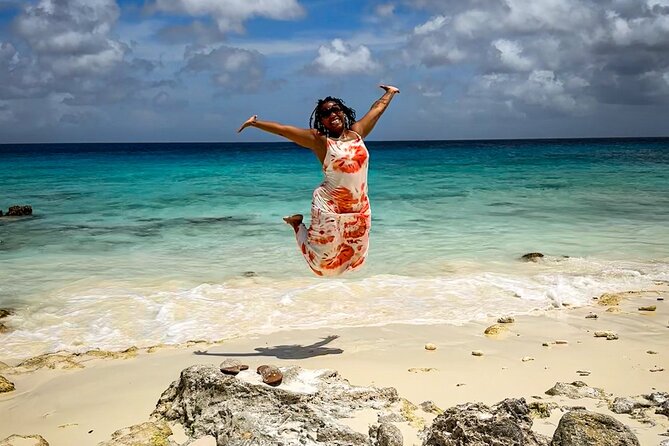
Bonaire is easiest to enjoy when you get the “big picture” first: where the towns sit, where the scenic pullouts are, and how the island’s salt history connects to what you see today. This tour is priced at $185 per person and runs about 3 to 4 hours, which matters because you’re buying time-saving plus decision-making. You’re not paying just for transportation; you’re paying for someone to map the day in a way that fits your interests.
What makes this format feel worth it is the flexibility. It’s a private tour, so you’re not trapped behind a group schedule. You can skip a stop if you’re not feeling the walk or you already know that part of the island. And if you do care—history questions, bird questions, photo tips—your guide can answer in the moment.
Also, the tour is structured with short stops that add up to a full day’s worth of context, without turning the experience into a marathon drive. That’s a smart trade if you’re only on Bonaire for a limited window, including cruise passengers.
You can also read our reviews of more tours and experiences in Kralendijk.

Pickup, ride comfort, and how the day actually flows
This tour is built around being easy to start and easy to end. Pickup is offered, and at the end you’ll be driven back to your resort, hotel, or cruise ship. That’s a big deal on Bonaire because the best stops often aren’t clustered right next to each other, and local driving time can quietly eat your schedule.
Transport-wise, you can travel in minivans for larger groups. That means fewer logistics headaches if you’re not just a couple. The ride itself is also part of the comfort of the experience—past guide stories highlight careful driving and a spacious vehicle, which helps when you’re moving between coastal views and inland viewpoints.
One practical note: water is included, but snacks are not. If you tend to get hungry in the middle of sightseeing, pack a small snack so you can keep the tour moving without detours.
Kralendijk: seeing the island’s everyday side first
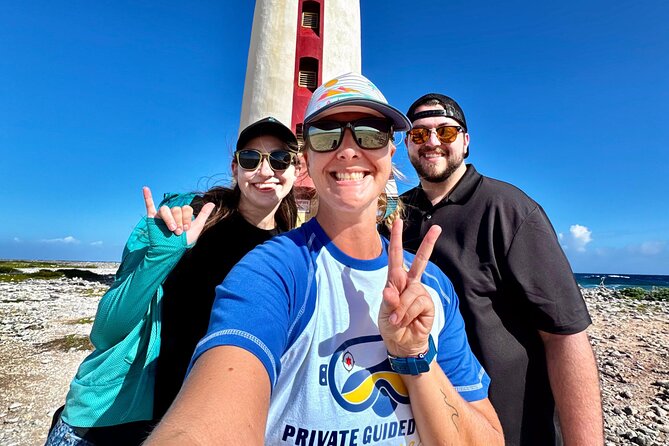
You start in Kralendijk, Bonaire’s center, with time in local residential areas. This stop is less about monuments and more about getting your bearings fast: how people live, how neighborhoods feel, and how the island’s culture shows up in daily life.
I like this choice as a first stop because it sets tone. Before you head out to salt pans, beaches, and viewpoints, you learn what “normal Bonaire” looks like. It also gives you steady photo opportunities with unblocked views, so your camera roll starts strong.
Expect the vibe to be relaxed. The visit is short—about 30 minutes—but it’s enough time to ask questions and understand what you’re about to see later in the day.
1000 Steps and Seru Largu: quick climbs for big ocean views
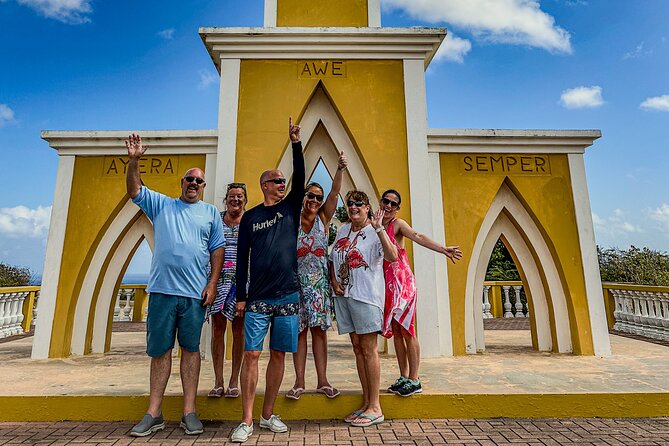
Then you’re off to the kind of scenery Bonaire is famous for: eye-level Caribbean color and wide horizons.
At 1000 Steps, the stop focuses on the view over the clear blue sea and a photo moment. There’s a catch that’s good to know upfront: this is named for a stairway, but if you don’t want to walk down to the beach, you can skip that part and still enjoy the main payoff. That flexibility is exactly what makes a private route feel good—choose effort level without feeling like you’re missing the “required” action.
Next comes Seru Largu, a top-of-a-hill viewpoint in the middle of the island. It’s short—around 15 minutes—but it’s the kind of stop that helps you understand Bonaire’s shape. When you look from a high point, you can connect earlier towns and coastal areas with what your route will show next.
If you’re traveling with anyone who prefers not to do stairs or uneven ground, these viewpoint stops let you get the drama of the scenery without committing to a longer hike.
Karpata and the salt-and-plantation story behind it
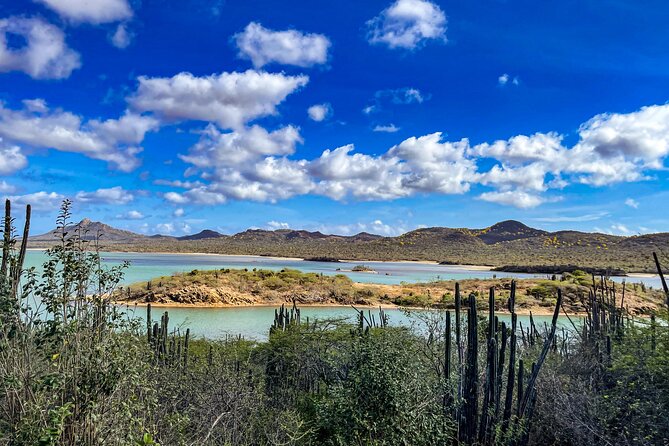
Karpata ties the day to Bonaire’s darker economic history. From the 17th century until 1863, the island relied on slave labor tied to plantations and the salt pans. Even if you’re not a “history tour” person, this stop matters because it gives context to the places you’ll visit later.
It’s a quick stop (about 15 minutes), but it functions like a hinge. After you’ve learned why the salt industry mattered, the later salt-pan areas and plantation-related sites don’t feel like random photo stops. They connect into one continuous story.
A good guide will keep this from becoming a heavy lecture. Instead, they’ll make it clear how those systems shaped what’s on the island today—buildings, work areas, and the way the coast and salt works were organized.
Goto Lake: flamingos and birdwatching with minimal fuss
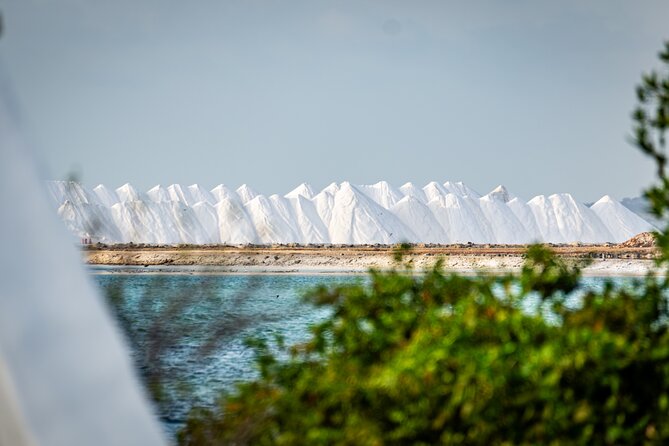
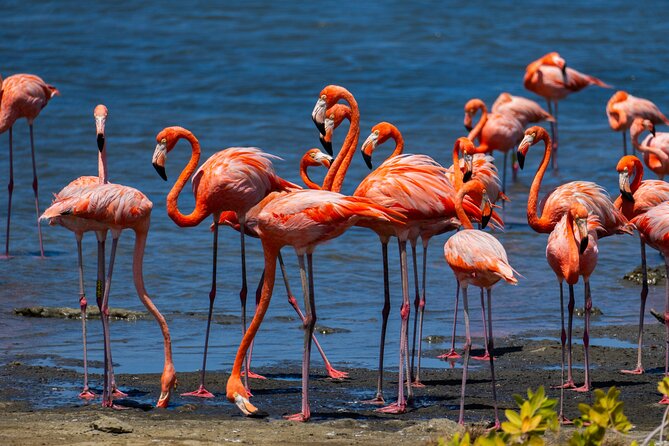
At Goto Lake, you’re in a protected reserve area where you’ll often see flamingos and native birds in their natural habitat. The stop is about 15 minutes, so think of it as a “look, listen, then photograph” window rather than a long hike.
In practice, this is one of those Bonaire moments that feels simple but memorable. Flamingos don’t require you to know a lot of bird terms to enjoy the sight. You just need a calm minute to watch the movement and take photos when the light is right.
You also get a strong backdrop reference: Brandaris, described as the tallest hill on the island. That helps you orient again—bird reserve in the foreground, big island profile behind it.
Rincon: older town structure and early-choice geography

Rincon was the first official town established in the 16th century. That means you’re seeing early layout choices and architecture that reflects why people picked that location in the first place.
This stop is about 30 minutes. It’s long enough to spot typical local architecture and absorb why the town’s placement mattered. It’s also long enough for your guide to answer the questions you’ll be thinking about as you move from town to coast to historical work sites.
If you like getting the story behind the “where” of places—why a harbor area mattered, why a town formed where it did—Rincon is one of the best stops in the day.
Sorobon Beach and the watchtower view
Sorobon Beach is a shallow bay with a small beach. The water is described as crystal clear and the area is known for windsurfing, so you’ll often see bright sail colors out on the bay.
This stop is about 20 minutes. What I like about it is that it’s not just a passive viewpoint. You can climb a watchtower for a broader look over Lac Bai. If you’re the type who enjoys getting a new angle, the watchtower turns a short stop into a more satisfying one.
The drawback is simple: if you don’t want to climb at all, you’ll still enjoy the bay, but you may feel like you’re missing one of the stop’s main payoffs. The private guide format helps here too—ask what’s worth your time before you commit to the climb.
Salt Pier and the pink salt pans photo moment
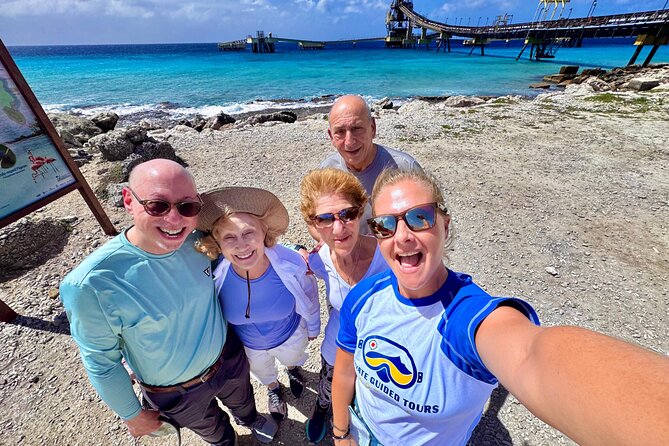
Bonaire’s salt is not just a historical footnote; it’s an active part of the island’s identity. At Salt Pier, you pause at salt mountains and pink salt pans on the Caribbean coast.
This stop is about 30 minutes and includes time to take pictures. You also receive salt crystals as a present, which is a small but fun souvenir you can actually remember with the story behind it.
If you’re trying to understand why Bonaire looks the way it does, salt-pans areas are the clearest answer. They shape the coastline, influence the way people worked there, and create the color and texture you’ll see in photos long after your trip.
Slave huts at White Pan: working life, not just ruins
One of the most important stops is at the Slave Huts at White Pan. This is where you can experience how enslaved people worked on the island. The time here is about 15 minutes.
This is the kind of stop where a guide matters. You’ll likely get context—what these work sites were used for and how salt production was structured around labor. Keep an eye out for cues about what you’re seeing and what the area was built to support, not just what it looks like now.
It’s emotionally heavy compared to viewpoints, but it makes the rest of the day more meaningful. And it gives you a way to connect what you learned earlier at Karpata with the physical work areas you’re standing near.
The drive back to your resort: flexible pacing right to the end
The final part of the tour is a drive back via a beautiful road to your resort, hotel, or cruise ship. Since it’s private, you can stop when and where ever you want—within reason and time limits. In a short tour window, that ability to tweak the order can be the difference between a day that feels rushed and one that feels satisfying.
A helpful tip: if there’s one stop you care about most—maybe birds, maybe salt history, maybe ocean photos—say it early. Your guide can often adjust the order so you’re not saving your best moment for the time when lighting is about to change or you’re starting to feel tired.
Who this tour suits best
This private highlight tour is a strong fit if you:
- have limited time on Bonaire but want North and South in one go
- prefer a calm day with zero group crowding
- enjoy asking questions and learning details on the spot
- want a mix of viewpoints, nature, and salt history
- travel with kids or a multi-generational group and want someone to keep things moving smoothly
It may not be the best choice if you’re looking for an all-day, do-it-yourself wandering day. This is built for highlights and context, not for long beach hangs or deep research visits that take hours in one location.
Should you book VIP Private Highlight Tour – North & South?
If you want Bonaire highlights without stress, I think this is a smart booking. At $185 per person for a private 3 to 4 hour tour, you’re paying for convenience (pickup and drop-off), flexibility (skip what you don’t want), and strong guided context (from Kralendijk daily life to salt-history sites and bird viewing at Goto Lake).
Book it if your priority is getting the full island picture quickly and comfortably—plus the freedom to ask questions and adjust. Skip it only if you’re planning to spend most of your time doing one long activity and you’d rather not split your day.
If you do book, do one thing that pays off: tell your guide what you care about most before you start. That’s where the private format really turns from a nice perk into the whole point of the tour.
FAQ
How long is the VIP Private Highlight Tour – North & South?
The tour runs about 3 to 4 hours.
Where does the tour take place?
It’s based in Kralendijk, Bonaire, and covers both North and South areas of the island.
What is the price per person?
The price is $185.00 per person.
Does the tour include pickup and drop-off?
Yes, pickup is offered, and at the end you’ll be driven back to your resort, hotel, or cruise ship.
Is this a private tour or shared tour?
This is a private tour. Only your group participates.
What’s included in the price?
Bottled water is included.
Are tickets or entry fees included for the stops?
Some stops are listed as admission ticket free, while others are listed as admission ticket included as part of the tour.
Is the tour good for people who don’t want to do stairs?
At 1000 Steps, you can enjoy the viewpoint without walking down to the beach if you don’t want the stair descent.
What should I bring if I get hungry during the tour?
Snacks are not included, so you may want to bring your own.
Is there anything that could affect whether the tour runs?
The experience requires good weather. It also offers free cancellation up to 24 hours before the start time for a full refund.