REVIEW · MIAMI
VIP Walking Tour of Little Havana
Book on GetYourGuide →Operated by VIP Tours Miami · Bookable on GetYourGuide
Cuban flavor and stories, two hours on foot. I love how this tour mixes Cuban pastry and coffee with real neighborhood storytelling, so you leave knowing what you just ate and why it matters. I also like that you’re led by all Cuban or Cuban American guides, which keeps the tone personal instead of textbook.
One thing to consider: it is a walking tour with short stops, so if you want lots of sitting and long explanations at every corner, you might feel a bit rushed.
If you show up ready to taste and talk, the payoff is strong. It runs rain or shine, lasts about 2 hours, and street parking is available, so logistics are usually manageable even if you’re driving in from elsewhere.
In This Review
- Key Things You’ll Notice on This Tour
- Why This Little Havana Walk Feels Personal
- Price and Value: What $39 Buys You in Real Terms
- Getting Oriented Fast: Starting Points, Timing, and What to Wear
- Bay of Pigs Monument to Domino Park: Why the Route Makes Sense
- The First Tasting Stop: Local Café, Cuban Coffee, and Conversation
- The Bakery Visit: Pastry Stops That Actually Mean Something
- The Secret Stop: A Quick Turn from Facts to Street-Level Stories
- Havana Collection: The Mini Museum Inside a Store
- The Miami Segment Before You Finish at Domino Park
- Guide Styles: What You Can Learn from Names Like Darine Crippin and Doreen
- Who Should Book This Tour (and Who Might Skip)
- Should You Book VIP Walking Tour of Little Havana?
- FAQ
- How long is the VIP Walking Tour of Little Havana?
- What does the $39 price include?
- Where do we meet the guide?
- Are there different starting locations?
- What languages is the tour guide?
- Does the tour run in bad weather, and what about refunds?
Key Things You’ll Notice on This Tour
- Cuban/Cuban American guides: the perspective feels first-hand, not translated from a brochure.
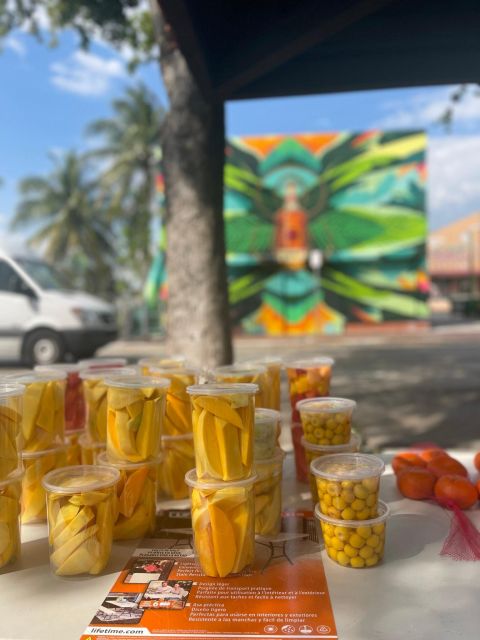
- Food that comes with context: pastry, Cuban coffee, and fresh juice are tied to stories about daily life.
- Two starting options: you can meet by the Bay of Pigs Monument or at Domino Park, depending on the time slot.
- A paid store-based mini museum: the Havana Collection part adds more than typical walking-tour photo stops.
- A secret stop plus a Miami-area segment: the route includes a few curveballs instead of a straight line.
- Small-group energy: the vibe stays conversational, with room for questions in English or Spanish.
Why This Little Havana Walk Feels Personal
Little Havana can feel like it’s speaking in three languages at once: Spanish, music, and food. What makes this tour work is that it doesn’t treat culture like a display behind glass. It treats it like something you can taste, see, and talk about while you’re standing on the sidewalk.
I especially like the way the guide’s Cuban heritage shapes what you notice. You’re not just handed facts. You’re nudged toward the kinds of details locals pay attention to: how religion shows up in daily routines, how politics and art echo each other, and how food carries memory. It’s also a good sign that the company emphasizes Cuban-led guiding. That matters in a place where a lot of tours feel like they all share the same script.
The food part is also done in a practical way. You get a Cuban pastry and Cuban coffee plus fresh juice, so your energy stays up during the walk. And since you’re paying for the guided experience, you’re not spending your whole trip deciding where to eat like a hungry tourist with a phone battery at 12%.
You can also read our reviews of more tours and experiences in Miami.



Price and Value: What $39 Buys You in Real Terms
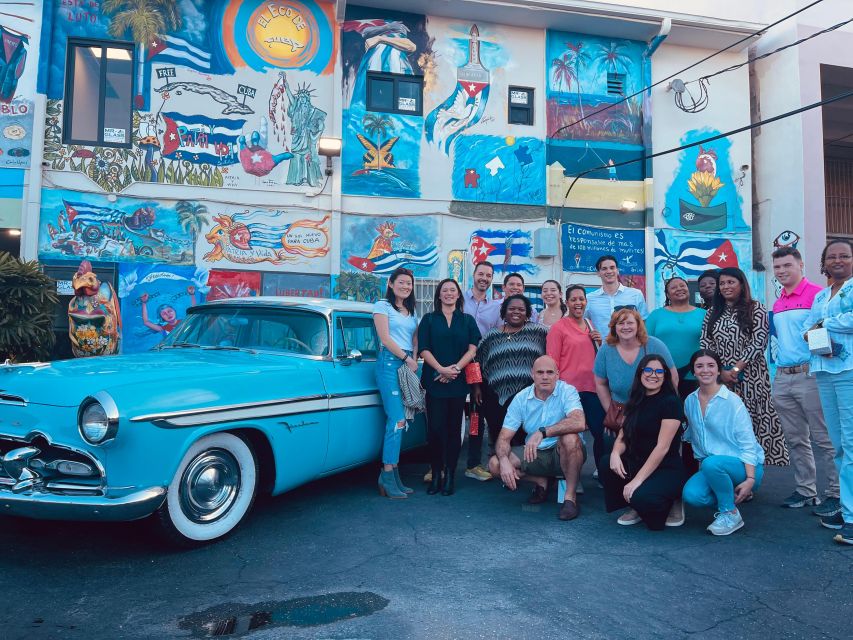
At $39 per person for about two hours, you’re paying for three main things: guidance, tastings, and entry to a specific experience.
Here’s why the value feels solid. First, the tastings are included, not optional add-ons: Cuban pastry, Cuban coffee, and fresh juice. If you’ve ever tried to cobble together a quick food crawl on your own in Miami, you know a single drink and pastry can swallow a lot of money fast.
Second, the tour includes paid admission to the Havana Collection experience. That store-based mini museum is the kind of stop that usually costs extra when you do it alone. In other words, you’re buying a route that connects food, stories, and a ticketed cultural visit.
Third, you’re paying for a guide who can explain the cultural links while you’re moving. That time is hard to replace. You can read about Little Havana later, but you can’t recreate the street-level back-and-forth when you’re standing in the middle of it.
Possible drawback on value: if you’re the type who hates stopping for food and prefers only sights, the ticket will still be worth it for the museum admission, but you might feel the food pacing more than other people.
Getting Oriented Fast: Starting Points, Timing, and What to Wear
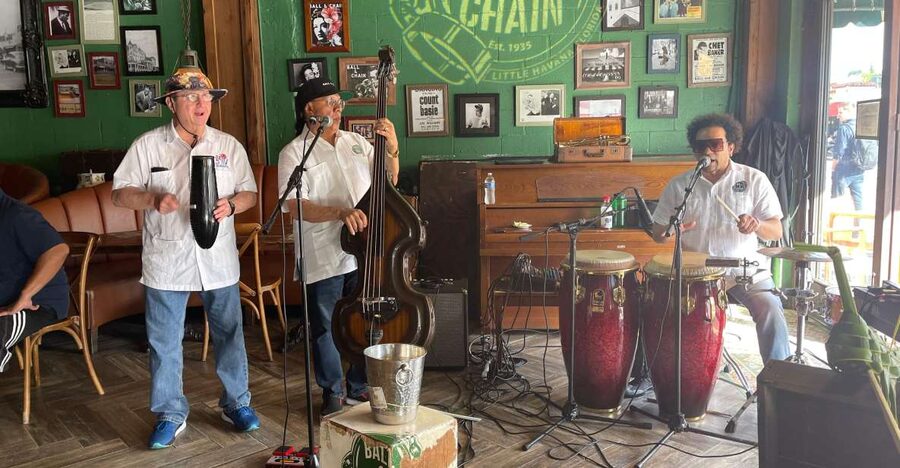
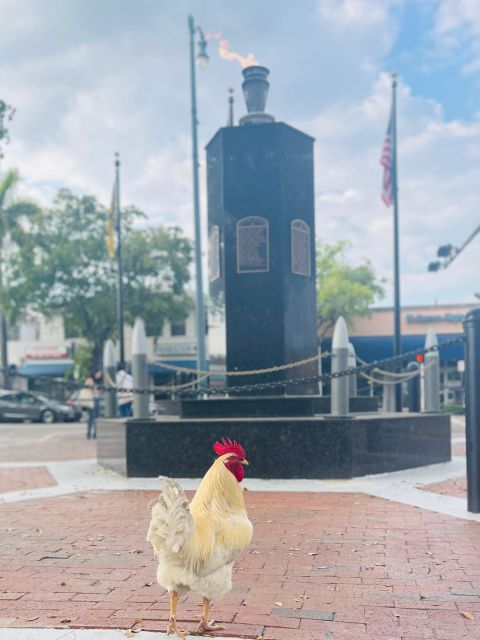
You have two starting options, which is helpful when you’re planning the rest of your day. Meet either by the Bay of Pigs Monument or at Domino Park. The tour’s meeting point is by the monument, so if your slot starts there, plan to arrive a few minutes early.
The route is built around short walks between stops. Expect around a 15-minute walk early on, then quick visits that don’t eat up the whole two hours. This makes it a good choice when you want a meaningful chunk of Little Havana without losing an entire afternoon.
Practical advice for comfort:
- Wear shoes you don’t mind getting a little dusty.
- Bring sunglasses or a hat, since it’s outdoors and weather can swing quickly.
- Skip bringing a big backpack if you can. You’ll want your hands free for tasting and photos.
One more logistics note that matters: bottled water isn’t included. You can bring your own or buy it along the way, especially if you know you get thirsty on walking tours.
Bay of Pigs Monument to Domino Park: Why the Route Makes Sense
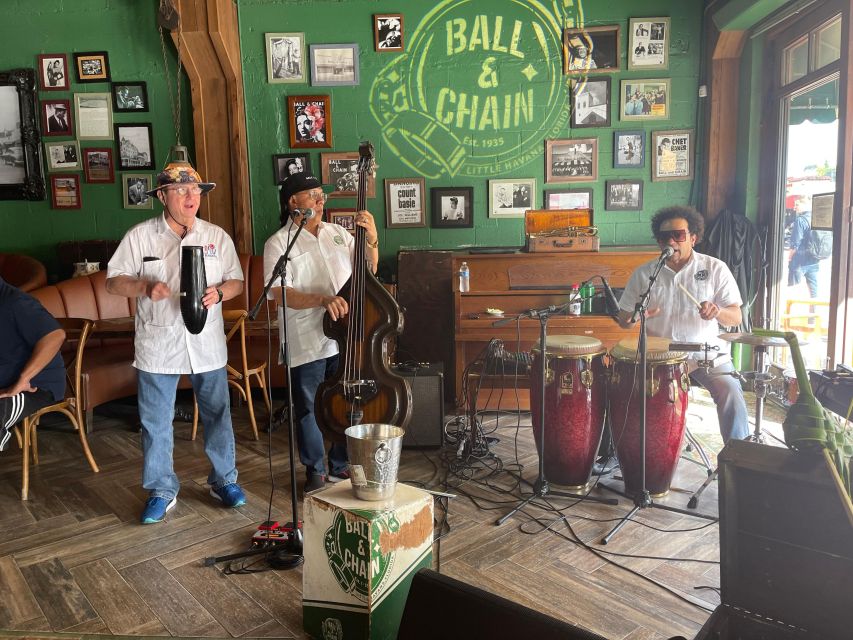
Starting near the Bay of Pigs Monument gives your tour a political and historical anchor right away. Even if you’re not deep into Cuban history, the point is clear: this neighborhood carries meaning beyond its streets. The guide ties what you’re seeing to the broader story of Cuban life and the Cuban diaspora.
Then the tour uses Domino Park as a natural “home base” feeling, since it’s where the neighborhood’s rhythm becomes obvious. Domino Park is a good finish point too because you can reset after tastings and the museum portion. You’re not trapped doing another guided segment. You can linger, snack more if you want, or just take in the atmosphere.
The big benefit of having both a Bay of Pigs Monument start and Domino Park end is flexibility. You can build the rest of your day more easily, especially if you plan to visit other Miami spots afterward.
The First Tasting Stop: Local Café, Cuban Coffee, and Conversation
A guided walk only works when the first stop gets you comfortable fast. This tour does that with a local café stop, where you’ll do a guided introduction and get your first taste. You’re looking at about a 10-minute visit here, which keeps things moving but not rushed.
What’s included is key. You get Cuban coffee, and it sets the tone for the rest of the food stops. Coffee in Cuban culture isn’t just a drink. It’s a social habit, a pace-setting ritual, and a cue that people will sit and talk for a while.
During this early segment, the guide’s job is to help you read what you’re about to see. Expect historical points connected to art, food, and politics, plus personal anecdotes that make the lessons stick. Guides on this route can handle English and Spanish, so you’ll also hear the neighborhood’s language feel, not just its English translations.
If you like asking questions, this is a good moment to do it. Early on, you can figure out how the guide structures the stories and what details they tend to highlight.
The Bakery Visit: Pastry Stops That Actually Mean Something
Next comes the local bakery stop, typically around 10 minutes. This is where you go beyond the typical walking-tour pattern of quick photos and a generic snack.
You’ll taste a traditional Cuban pastry, and since you’re already learning about the role of food in daily life, you’ll pick up how the food connects to identity and community. The guide isn’t just saying what it is. They’re also explaining how food shows up in religion, family routines, and even the way people keep culture alive across generations.
One detail I really like about this tour pacing: it doesn’t overload you with food at once. Instead, it spreads tastings through the walk so you keep energy and stay engaged.
Also, several guides have been praised for making the tour fun and question-friendly. For example, people have shared that guides like Doreen and Darine Crippin bring a relaxed, energetic style that makes the bakery stop more than a quick bite. You can expect a tone that feels like someone showing you their neighborhood, not like you’re cramming for a quiz.
The Secret Stop: A Quick Turn from Facts to Street-Level Stories
After the bakery, there’s a secret stop, about 15 minutes, where the tour slows just enough for something memorable to happen. The purpose of a stop like this is usually twofold: give you an experience you can’t easily find on your own, and connect it to the wider themes the guide has been weaving through the route.
You’ll likely get stories tied to art, religion, and politics, along with the little human details that make a place feel real. This is where the guide’s Cuban heritage matters most. When someone can explain not only what happened, but how it shows up in everyday culture, you understand the neighborhood’s logic faster.
If it starts to feel like there’s a lot of information, don’t worry. The secret stop works like a reset, turning the tour from walking facts into seeing and understanding.
Havana Collection: The Mini Museum Inside a Store
The tour’s ticketed highlight is the Havana Collection experience. This is a mini museum inside a store, with museum-quality displays plus art and relics from the past. It’s not just a side room you glance through. The guide stories make it feel like the collection has a point and a voice.
Why this matters: it gives the tour structure. You get a break from the street, you see physical objects, and then you can connect them to what you learned outside. That combination is what helps the history stay in your head after you’ve left.
This stop is also a value booster. The entry is included, so you’re not paying extra on your own schedule and hoping you still have time. Plus, it’s a good option when the weather turns, since it gives you a sheltered moment without ending the tour.
If you’re the type who likes art as a way into history, this is likely the part you’ll talk about later. People have described the guides as storytelling with lots of specific detail, and that’s exactly what you want in a museum setting.
The Miami Segment Before You Finish at Domino Park
After the museum portion, you’ll have one more “Miami” visit segment, about 15 minutes, as part of the guided route. This helps stitch the tour together so it doesn’t feel like a series of unrelated stops.
Then you finish back at Domino Park. Ending here is smart because it gives you closure in a place that already feels social. If you want more time, you can stay and watch the neighborhood energy rather than immediately rushing off to your next plan.
It’s also a practical ending. Domino Park is easy to orient around, which is helpful if you’re pairing this tour with other activities in Miami.
Guide Styles: What You Can Learn from Names Like Darine Crippin and Doreen
Even though guide assignments can vary, the tour’s biggest praise is consistent: guides make the information feel personal, fun, and easy to follow.
Names you might hear include Darine Crippin and Doreen (sometimes spelled Dorena depending on the booking). People have praised Darine Crippin for in-depth Cuban culture and history insight while keeping the tour engaging. Doreen has been described as relaxed and eager to answer questions, plus delivering a real Cuban sugar-rush from the tastings and stories.
How that shows up for you on the street: expect the guide to work the room, toss in personal anecdotes, and encourage questions when you’re curious. That’s not just a nice-to-have. It’s what turns a food tour into a cultural orientation.
The best strategy for you is to come with curiosity and at least one question. Something like:
- How does this neighborhood keep Cuban culture alive now?
- What’s the connection between food, religion, and politics here?
- What should I notice on my own after the tour?
Who Should Book This Tour (and Who Might Skip)
This is a strong match if you want:
- A short, high-impact way to understand Cuban culture in Little Havana
- Included food tastings plus a ticketed museum stop
- A guide with Cuban or Cuban American background
- A tour you can do as a family, since it’s built for all ages
You might consider skipping if you:
- Dislike walking and prefer long, sit-down museum time only
- Want a free-form self-guided experience with zero structure
- Prefer bottled-water comfort and don’t want to plan for hydration (since it’s not included)
Should You Book VIP Walking Tour of Little Havana?
If you have just a few hours in Miami and you want your money to go toward real experiences, not just scenic stops, I think this is a smart booking. At $39, you’re getting food tastings plus entry to the Havana Collection mini museum, all guided by Cuban/Cuban American interpreters who bring stories with a real human tone.
Book it if you like food with meaning, history tied to daily life, and a route that mixes street and museum-style culture. Don’t overthink it. Show up hungry, ask questions, and you’ll leave with a clearer sense of what Little Havana is telling you.
FAQ
How long is the VIP Walking Tour of Little Havana?
It lasts about 2 hours.
What does the $39 price include?
The price includes entry to the Little Havana Experience, plus fresh juice, Cuban pastry, and Cuban coffee. The tour also includes paid admission to the Havana Collection experience.
Where do we meet the guide?
You meet by the monument. One common start area is the Bay of Pigs Monument.
Are there different starting locations?
Yes. The tour lists two starting options: Bay of Pigs Monument and Domino Park, depending on your time slot.
What languages is the tour guide?
The tour is guided in English and Spanish.
Does the tour run in bad weather, and what about refunds?
The tour runs rain or shine. It also offers free cancellation up to 24 hours in advance for a full refund, and you can reserve now and pay later.