REVIEW · IDAHO
Yellowstone Lower Loop VIP Full-Day Private Tour with Lunch
Book on Viator →Operated by Yellowstone’s Casanova Guided Tours · Bookable on Viator
Private Yellowstone is a smart way to see a lot.
This Lower Loop VIP tour covers the park’s biggest geothermal hits in one day with a certified adventure guide and a private air-conditioned vehicle, so you spend less time figuring things out and more time watching steam, color, and wildlife.
I especially like how much the day is built around comfort. You get binoculars/spotting scopes plus breakfast, snacks, and lunch, along with tea, coffee, hot chocolate, cider, bottled water, and soda upon request—handy when you’re out for about 8 hours in Wyoming/Montana high-country weather.
One thing to consider is the total cost versus park fees. At $550 per person, the value is strong for a full private day, but national park entrance fees are not included, and your pickup is limited to West Yellowstone and Island Park (with extra fees for other locations).
In This Review
- Key Things That Make This VIP Lower Loop Day Worth Your Time
- Why the Lower Loop VIP Route Feels Easier Than DIY
- How Pickup From Island Park and West Yellowstone Changes Your Day
- What You Really Get for $550: Food, Gear, and a Guided Schedule
- The Full-Day Lower Loop Itinerary, Stop by Stop
- Firehole Canyon Drive: Waterfall Views and a Quick Look (about 2 miles one-way)
- Fountain Paint Pot: Colorful Geothermal Features on a Trail (about 45 minutes)
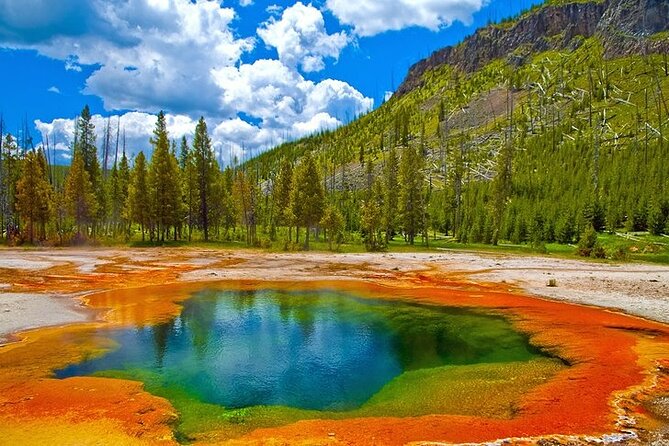
- Grand Prismatic Spring: The Park’s Largest Hot Spring (about 45 minutes)
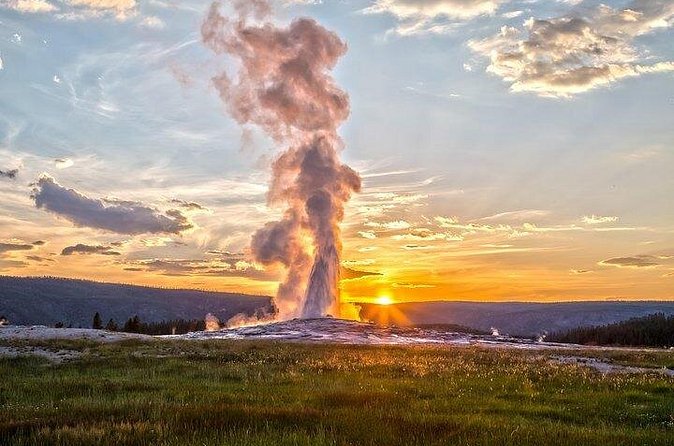
- Old Faithful: Bench Seating, Ranger Timing, and One Hour to Soak It In
- Yellowstone Lake: Big Elevation, Cold Water, and No Swimming
- Yellowstone Geysers – Mud Volcano Area: Resurgent Domes and Caldera Logic (about 1 hour)
- Hayden Valley: Sub-Alpine Open Space Between Falls and the Lake
- Grand Canyon of the Yellowstone: Color, Steam, and Two Falls (about 45 minutes)
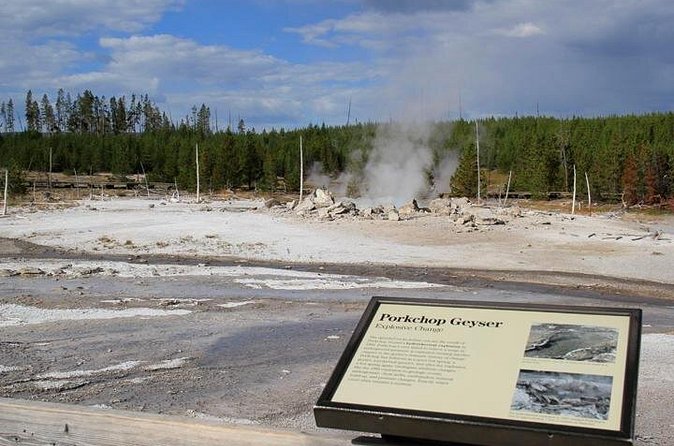
- Norris Geyser Basin: Hotest, Most Changeable, and Full of Surprises (about 1 hour)
- Gibbon Falls: A Fast Photo Stop With Caldera Origins (about 15 minutes)
- Wildlife Odds: How the Guide Helps You Work the Day
- Pacing, Weather, and What to Keep in Mind Before You Go
- Price and Logistics: Entrance Fees, Pickup Range, and Timing
- Should You Book This Yellowstone Lower Loop VIP Tour?
- FAQ
- How long is the Yellowstone Lower Loop VIP private tour?
- Where does the tour start and end?
- Do you get hotel pickup?
- What if I’m staying outside West Yellowstone or Island Park?
- Is the tour really private?
- What’s included in the tour price?
- Are Yellowstone National Park entrance fees included?
- Do the individual stops require separate admission tickets?
- What language is the tour offered in?
- Is there a weather cancellation policy?
Key Things That Make This VIP Lower Loop Day Worth Your Time
- Private vehicle + certified adventure guide: fewer logistics headaches, better timing between stops
- Binoculars and spotting scopes included: you can actually look closely at wildlife and thermal features
- Breakfast, snacks, and lunch provided: fewer meals to plan, more time outside
- Lower Loop hits the essentials: Firehole Canyon Drive, Fountain Paint Pot, Grand Prismatic, Old Faithful, and more
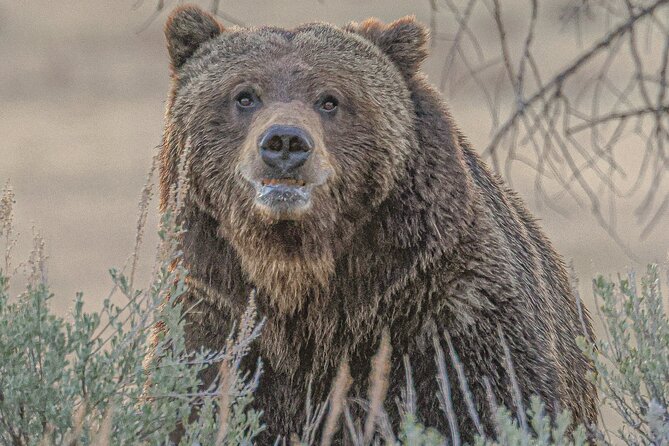
- Multiple wildlife-friendly zones: Hayden Valley and other pull-offs can be great for spotting animals
- Pickup from Island Park and West Yellowstone: you start the day already rolling
Why the Lower Loop VIP Route Feels Easier Than DIY
Yellowstone can be overwhelming. You’re juggling crowds, long drives, and the pressure to be in the right place at the right time for famous eruptions.
This tour removes a lot of that friction. You get a set route for the Lower Loop with planned stops that match the way the park is laid out, plus a guide who can keep you moving at a pace that still gives you time to look, photograph, and breathe.
It’s also a “see more by spending less brainpower” kind of day. Instead of scanning maps and hoping you time your day well, you follow a rhythm built around the park’s geothermal zones and a few of the wider-open areas where wildlife often shows up.
How Pickup From Island Park and West Yellowstone Changes Your Day
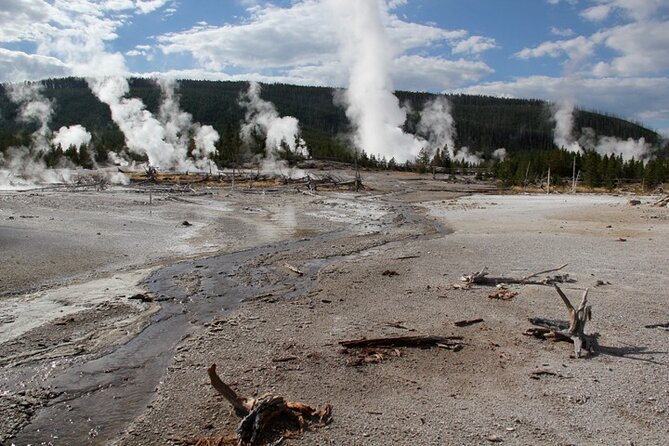
The tour starts at 4141 Sawtelle Peak Rd, Island Park, ID, and ends back at the same meeting point. If you stay in West Yellowstone or Island Park, hotel pickup is included, and your guide will collect you right from your lodging.
If you’re outside those areas, there’s an additional fee after booking. The one explicit example they give is Jackson, WY, which is a three-hour drive away—requiring six extra hours of travel time for the guides—so it’s not a quick swap-in if you’re far off the usual corridor.
For me, this matters more than it sounds. When you’re spending a full day inside Yellowstone, shaving off time and stress at the start and end can make the whole trip feel like it’s actually relaxing.
What You Really Get for $550: Food, Gear, and a Guided Schedule
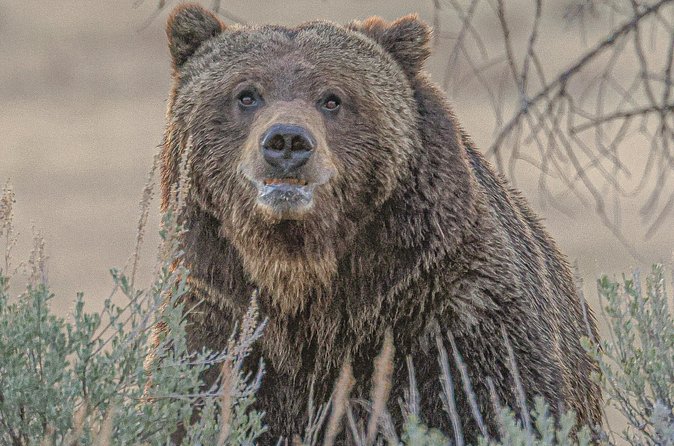
This is priced like a private tour, and that’s the point. You’re not paying just for the car—you’re paying for a full-day plan, a professional and certified adventure guide, and the convenience of having meals and viewing gear handled.
Here’s what’s included:
- Private transportation in an air-conditioned vehicle
- Binoculars/spotting scopes (big help for wildlife and distant geothermal features)
- Breakfast, snacks, and lunch
- Drinks: tea/coffee/hot chocolate, cider, bottled water, and soda upon request
There’s also a practical note from the guide culture here: gratuity isn’t included. If you have a great day, a 10–20% tip is appreciated.
Is $550 “cheap”? No. But for a full private day—plus meals plus viewing tools—this often makes more sense when you’re splitting the cost inside a group, or when you really want a guide-led itinerary rather than a self-driven guessing game.
The Full-Day Lower Loop Itinerary, Stop by Stop
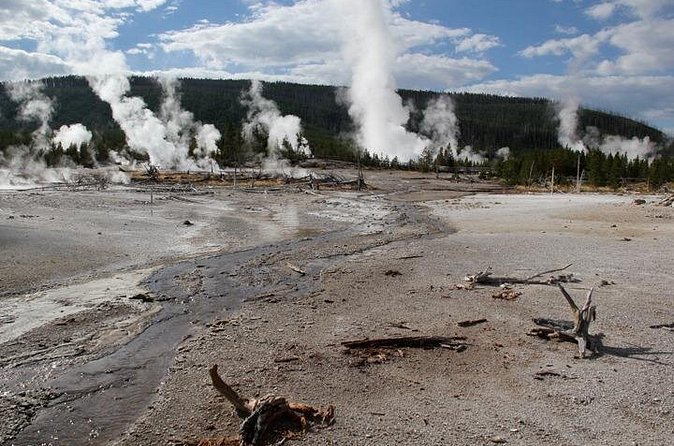
This is an about-8-hours day built around the Lower Loop’s geothermal sequence and a few wildlife-focused zones. Each stop is timed, and the tour includes breaks that let you actually enjoy what you’re seeing (rather than sprinting from one parking lot to the next).
Firehole Canyon Drive: Waterfall Views and a Quick Look (about 2 miles one-way)
Your day opens on Firehole Canyon Drive, a short one-way road off the Grand Loop south of Madison. It’s known for a waterfall overlook and a swimming area, so you get that “Yellowstone is alive” feeling early.
Time on this stop is not stated as a fixed minute block, but it’s typically a short, punchy introduction before the hydrothermal trail walks begin.
Fountain Paint Pot: Colorful Geothermal Features on a Trail (about 45 minutes)
Next is Fountain Paint Pot, along the Fountain Paint Pot Trail. This area shows multiple hydrothermal feature types, and it helps to think of them as two groups: features with plenty of water (hot springs and geysers) and features with limited water (mudpots and fumaroles).
The big value here is variety. Even when you’re only spending about 45 minutes, you’ll see enough different thermal behaviors to understand Yellowstone’s “volcanic plumbing,” not just its poster features.
Grand Prismatic Spring: The Park’s Largest Hot Spring (about 45 minutes)
Then comes Grand Prismatic Spring in the Midway Geyser Basin. It’s the largest hot spring in Yellowstone, about 370 feet (112.8 m) in diameter and roughly 121 feet (37 m) deep.
What I love about this stop is the scale, and the fact that it has a documented place in history. A description by fur trapper Osborne Russell in 1839 is noted as the earliest identifiable written description of a thermal feature in Yellowstone.
This is also one of those stops where binoculars help. If you’re watching for movement, color shifts, or wildlife in the broader basin area, having the gear makes a difference.
Old Faithful: Bench Seating, Ranger Timing, and One Hour to Soak It In
Old Faithful is in the Upper Geyser Basin, and the viewing area is designed for easy access: bench seating, a large parking lot, and a ranger station.
What makes it worth the time isn’t just the famous eruption name. The ranger station tracks eruption timing and measurements (time, height, and length) so you have real data on what to expect next.
You get about 1 hour here, which gives you room to watch the build-up, take photos, and reset before the next stretch.
Yellowstone Lake: Big Elevation, Cold Water, and No Swimming
You’ll head to Yellowstone Lake, which sits at 7,733 feet (2,357 m) above sea level. It’s the largest high-elevation lake above 7,000 feet in North America, roughly 20 miles long and 14 miles wide, with a lot of shoreline.
It’s also a reminder that Yellowstone has limits. The lake stays cold year-round (average water temperature around 41°F / 5°C), and swimming isn’t recommended due to survival time estimates of only 20–30 minutes in that water.
This stop can feel quieter than the geyser stops. That’s a good thing. You need a breather after intense geothermal viewing, and the lake helps reset your eyes and your camera battery.
Yellowstone Geysers – Mud Volcano Area: Resurgent Domes and Caldera Logic (about 1 hour)
At Mud Volcano, you’re close to resurgent domes. These are areas where the land moves up or down due to magma chamber activity beneath the surface, and the tour framing here helps you connect what you’re seeing to why Yellowstone behaves the way it does.
You’ll also hear about the caldera concept: Yellowstone’s volcanic eruption 640,000 years ago created the large depression, and later lava flows built the volcanic plateau. Many geysers, hot springs, mudpots, and fumaroles cluster within or near the caldera system.
Time is about 1 hour, which is just right for reading the terrain, looking for steam or bubbling, and understanding the geothermal “why” instead of only the “what.”
Hayden Valley: Sub-Alpine Open Space Between Falls and the Lake
Hayden Valley is a wide sub-alpine valley along the Yellowstone River between Yellowstone Falls and Yellowstone Lake. The tour description points out the valley floor is an ancient lake bed from when Yellowstone Lake was much larger.
This is a wildlife-friendly stop for a simple reason: it’s open. If you’re watching for movement—bison, elk, predators, or birds of prey—open valley areas can be easier for spotting than dense forest pull-offs.
Time isn’t specified, but you’ll have a real chance to scan with binoculars.
Grand Canyon of the Yellowstone: Color, Steam, and Two Falls (about 45 minutes)
Now the drama: Grand Canyon of the Yellowstone. The canyon shows Yellowstone’s geologic history in dramatic colors and shapes, and steam puffs mark hydrothermal features in the canyon walls.
You also get the Upper and Lower Falls of the Yellowstone River. This is about 45 minutes, which is enough time for the major viewpoints without feeling rushed, especially with a guide managing timing so you don’t waste energy backtracking.
If you like photos, this is one of the easiest stops to get multiple angles in a short window.
Norris Geyser Basin: Hotest, Most Changeable, and Full of Surprises (about 1 hour)
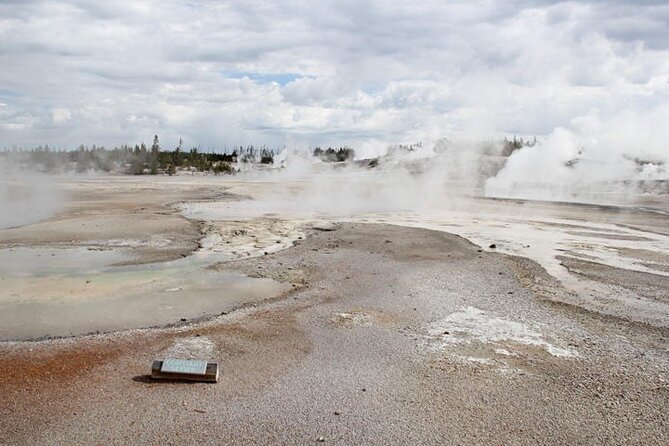
Norris Geyser Basin is described as the park’s hottest and most changeable thermal area. The plan is to explore features similar to what you’d see on the trail loop of about 2 1/4 miles (3.6 km).
This is where Yellowstone feels most intense. You’ll be looking for the world’s tallest active geyser location, colorful hot springs, and even mention of microscopic life in extreme conditions.
You get about 1 hour, which means you won’t do every loop detail at leisure, but you’ll see a meaningful spread of features and learn what makes Norris different from the calmer, more predictable basins.
Gibbon Falls: A Fast Photo Stop With Caldera Origins (about 15 minutes)
Your last quick hit on the Lower Loop is Gibbon Falls. The waterfall drops 84 feet over a remnant of the Yellowstone caldera rim.
This is a 15-minute stop—a quick photo moment—so treat it as a breath and a snapshot break before you roll back toward the end of the day.
Wildlife Odds: How the Guide Helps You Work the Day
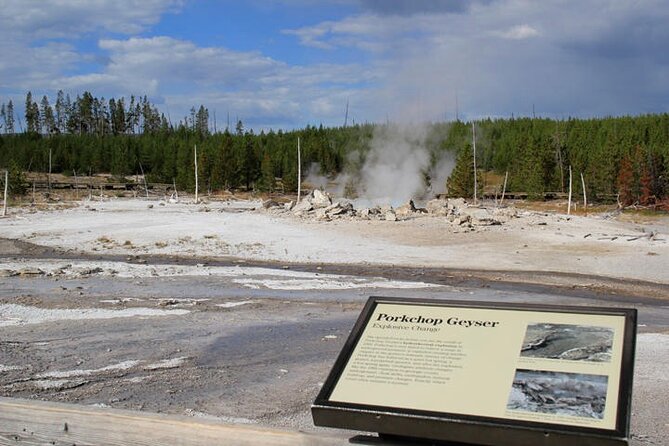
Geothermal stops are the headliners, but Yellowstone is a wildlife park too. The reviews I saw were consistent on one theme: the guides don’t treat the day like a checklist.
People talked about guides—Isaac and Jackson are named—who pushed for sightings and stayed intent even when the schedule was full. One account specifically calls out a long list of animals seen in the day, including wolves, bears, bison, elk, pronghorns, and birds of prey.
I wouldn’t promise any specific species. Yellowstone wildlife is wild and unpredictable. But I do think a private guide who stays attentive can improve your odds simply by keeping you in good viewing areas and adjusting your stops when conditions allow.
Your best bet is to use your included binoculars early and often, especially at Hayden Valley. Open areas plus a trained eye add up.
Pacing, Weather, and What to Keep in Mind Before You Go
This experience requires good weather. If the tour gets canceled due to poor weather, you’ll be offered a different date or a full refund.
Plan for a long day in the outdoors. Even if the vehicle is air-conditioned, the stops include short walks and extended viewpoints, plus Yellowstone temps can change fast with altitude.
Practical tip: wear layers. You’ll likely switch from car comfort to wind and cold at geothermal viewpoints and open valleys. And because the tour provides meals and drinks, you won’t need to carry food for the day, which makes packing lighter.
Price and Logistics: Entrance Fees, Pickup Range, and Timing
Let’s talk money and friction, because those two things decide whether this tour feels like a win.
First: park entrance fees are not included. The tour recommends buying an annual parks pass, which can be a smart move if you plan more than one Yellowstone outing.
Second: pickup is included only for lodging in West Yellowstone or Island Park. If you’re staying elsewhere, you’ll pay an additional fee, and the example given for Jackson is the big one—extra travel time means extra cost.
Third: it’s a private tour. That means you’re not sharing your guide and schedule with strangers, which is a big part of the value when you want flexibility and attention.
If you’re optimizing for maximum sightseeing with minimum stress, this tour fits. If you’re trying to do Yellowstone as cheaply as possible, you’d compare this against standard guided groups or self-driving routes that include only transportation and maybe a ranger talk.
Should You Book This Yellowstone Lower Loop VIP Tour?
I’d book it if you want Yellowstone’s best-known geothermal zones plus smart timing, without spending your day on logistics. The combination of private transportation, a certified adventure guide, binoculars/spotting scopes, and a full day of food and drinks is the kind of convenience that turns a stressful planning exercise into a straightforward day.
I’d think twice if $550 per person is a stretch, or if you still need to add Yellowstone entrance fees on top. Also consider where you’re staying—pickup is easiest if you’re in Island Park or West Yellowstone.
If your top priority is getting a lot done well, with less effort and more looking time, this VIP Lower Loop day is a strong match.
FAQ
How long is the Yellowstone Lower Loop VIP private tour?
It’s about 8 hours.
Where does the tour start and end?
It starts at 4141 Sawtelle Peak Rd, Island Park, ID 83429, USA, and ends back at the same meeting point.
Do you get hotel pickup?
Yes. Pickup is offered from any hotel or lodging in West Yellowstone or Island Park.
What if I’m staying outside West Yellowstone or Island Park?
For locations outside those areas, an additional fee applies. After booking, the exact cost is provided. Jackson, WY is cited as an example that requires extra travel time for the guides.
Is the tour really private?
Yes. It’s a private tour/activity, and only your group participates.
What’s included in the tour price?
Included items are binoculars/spotting scopes, breakfast/snacks/lunch, a professional and certified adventure guide, tea/coffee/hot chocolate/cider/bottled water/soda upon request, and private transportation.
Are Yellowstone National Park entrance fees included?
No. National Park Entrance Fees are not included, and they recommend purchasing an annual parks pass.
Do the individual stops require separate admission tickets?
The itinerary lists the stops as admission ticket free, but you still need Yellowstone National Park entrance fees separately.
What language is the tour offered in?
The tour is offered in English.
Is there a weather cancellation policy?
Yes. The experience requires good weather. If canceled due to poor weather, you’ll be offered a different date or a full refund.