REVIEW · HO CHI MINH CITY
Cai Rang Floating Market – Mekong Delta 2 Days 1 Night
Book on Viator →Operated by Indochina Heritage Travel · Bookable on Viator
Dawn on the Mekong feels like a secret. This 2-day trip from Ho Chi Minh City gets you to Cai Rang Floating Market early, then strings together My Tho, Ben Tre, Can Tho, and river-area workshops. You’ll travel by both motorboat and rowing boat, and there’s even bike time along the way.
I love the early-morning timing for Cai Rang. Boats are active right when you arrive, so you actually get the market energy instead of arriving after the best slice of the action has passed. I also like the hands-on mix: workshops, folk music, and two included lunches, all while someone else handles the transfers.
One thing to consider: the market can look a bit thin on certain mornings. Even with an early start, your view depends on how the boats are spaced out that day.
In This Review
- Key highlights to know before you go
- The real payoff: getting to Cai Rang before the day takes over
- Ho Chi Minh City to My Tho: rice fields, then Vinh Trang pagoda
- My Tho, Ben Tre, and Can Tho: workshops and folk music that make the delta human
- The Can Tho night: your base for an early morning on the water
- Cai Rang Floating Market at 6:00 a.m.: what to look for on the boat trip
- The return toward Ho Chi Minh City: 10 Vo Ancient House for a calmer close
- Price and value: what $78 buys you in time saved and included transport
- Who this tour is for (and who may want a different pace)
- Should you book it? My honest recommendation
- FAQ
- What’s the start time for Cai Rang Floating Market?
- Does the tour include hotel lodging?
- Are meals included?
- How do you get to and from the tour?
- What boat activities are included?
- Is this tour private or shared?
- Is free cancellation available?
Key highlights to know before you go
- 6:00 a.m. Cai Rang start so you see the market while it is still really working
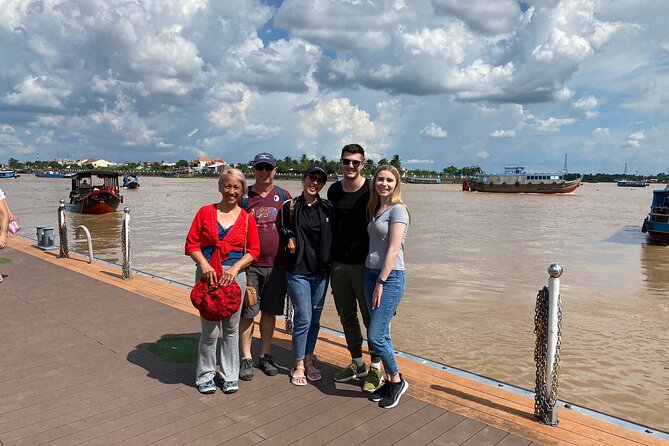
- Boat + rowing boat time, not just standing on a dock with a camera
- My Tho and Vinh Trang pagoda as a culture anchor before the river days
- Ben Tre river workshops plus folk music, with lunches included
- Hotel with breakfast in Can Tho, giving you an easy, scheduled pace
- Pick-up and drop-off in District 1 so you can start and end without hassle
The real payoff: getting to Cai Rang before the day takes over
The standout reason to pick this tour is simple: it places Cai Rang Floating Market early enough that you see it as a working place, not a sightseeing performance. Cai Rang is one of the Mekong Delta’s most famous floating markets, but the moment you show up can change what you get. This schedule keeps you on the water when sellers are actively moving produce and supplies.
It’s also a relief that you’re not doing this as a DIY scramble. Your day 1 starts with a departure from central Ho Chi Minh City, and day 2 is built around getting you back to your hotel, then out toward Ho Chi Minh City again. That “we handle the timing” approach matters on a delta trip, where distances and traffic can eat half a day fast.
You also get enough structure to explore without feeling like you’re racing from photo spot to photo spot. The day includes cultural stops, workshop time, and meals, so the market doesn’t become the only thing you remember.
You can also read our reviews of more tours and experiences in Ho Chi Minh City.


Ho Chi Minh City to My Tho: rice fields, then Vinh Trang pagoda
You leave Ho Chi Minh City at 7:30 a.m., and the early drive is part of the experience. The route passes green rice fields, which helps you mentally switch from city pace to countryside pace before you even reach the delta.
My Tho is your first landing point, and the tour begins with Vinh Trang pagoda. It’s framed as a major stop, and it gives you a pause from travel time. Pagodas like this one are the kind of places where you see how local belief systems show up in everyday life—design, worship areas, and the calm rhythm that contrasts with the hustle you’ll see later on the water.
Practical takeaway: this is a good start if you like mixing culture with scenery. It also means you aren’t spending your whole first day just traveling and then rushing through your first activity.
My Tho, Ben Tre, and Can Tho: workshops and folk music that make the delta human
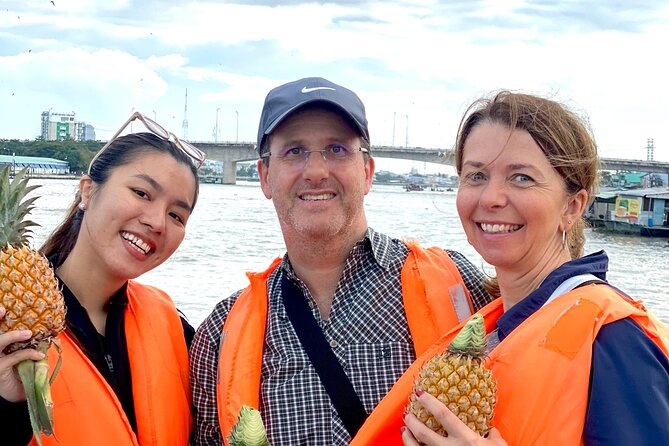
After My Tho, the tour continues through the river regions around Ben Tre and into Can Tho, with a mix of stops that aim to explain the delta beyond the boats.
You’ll spend time in traditional workshops. The point here isn’t just watching from the sidelines. You’re there to understand how local products get made and why certain trades still matter today. One of the strongest mentions from guests is a coconut candy experience, which fits the broader idea of delta crafts: sweet, shareable, and tied to local ingredients. Even if you’re not there for food souvenirs, these stops usually give you a real sense of how daily life works.
You also listen to folk music during the cultural portion of the day. This matters more than it sounds. When you pair music with a river-and-workshop setting, you get atmosphere, not a random performance break. It helps you connect the region’s storytelling style with the people who live there.
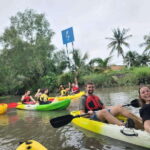
Then there’s the “active” part: you ride boats and you also get bike time. The bike segment is a smart balance. It slows your pace just enough to notice details you’d miss from inside a vehicle, and it adds variety so the trip doesn’t feel like a nonstop bus-and-boat schedule.
Possible drawback in this section: because there are multiple stops, you’ll want to keep your expectations flexible. This is a packed 2-day structure, so downtime is limited.
The Can Tho night: your base for an early morning on the water
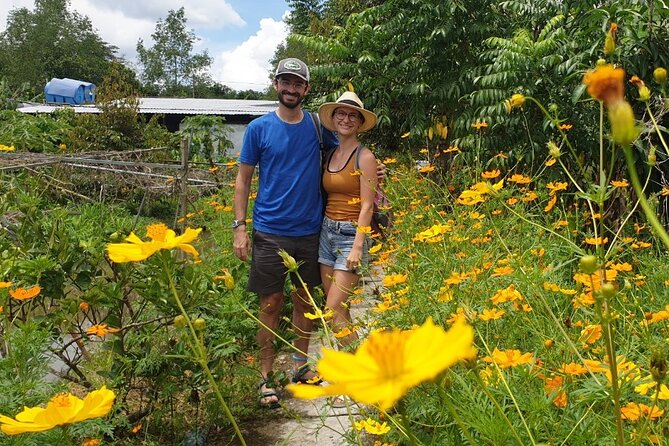
Once you reach Can Tho, you check in and overnight. The tour includes a 3-star hotel with breakfast, which is a good value choice for this style of trip. You’re not paying extra for a luxury setup, but you are getting a proper night’s sleep instead of traveling through the night.
This night matters because Cai Rang happens at dawn. If you try to do Cai Rang later in the day, you risk missing the most active flow of boats. Here, the hotel stop is what makes the schedule feel realistic instead of exhausting.
What I like about having an actual base is the control it gives you. In the morning, you’re ready to go without figuring out transport or timing. You also get to refresh after a long day 1, which helps you enjoy the market instead of treating it like a chore.
Cai Rang Floating Market at 6:00 a.m.: what to look for on the boat trip
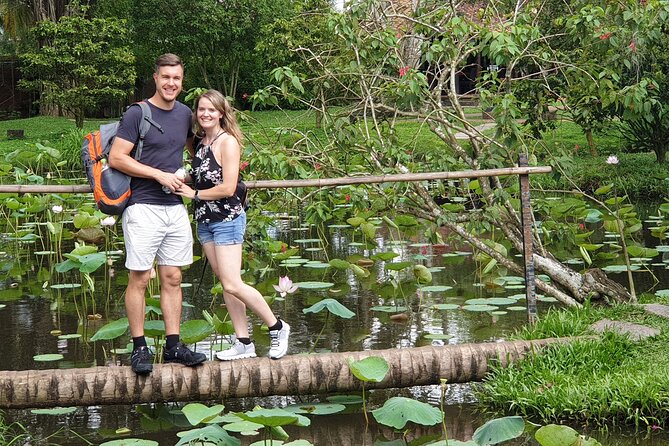
Day 2 starts with a 6:00 a.m. boat trip to Cai Rang Floating Market. This is the moment the whole itinerary is built around.
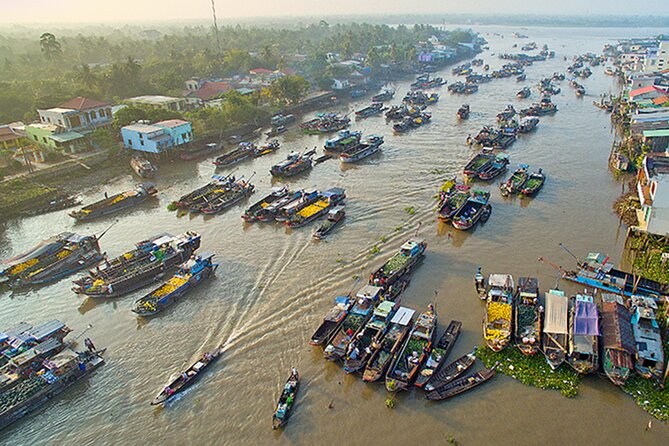
What makes Cai Rang special is that it’s a real trading space: boats move, sellers call out, and produce changes hands in a way that’s different from dry-land markets. The schedule includes about 3 hours at this part of the day, so you get enough time to not just glance and leave.
You’ll see boats selling fruit, vegetables, and local products. A big tip for getting value out of the morning is to watch the flow, not only individual displays. Look for how boats cluster around activity and how transactions happen. That’s when the market feels authentic rather than staged.
You’ll also stop at boats selling things like vermicelli and coffee. These aren’t just “snack moments.” They show how the market works as a mini economic hub: food, ingredients, and daily necessities all share the same river space.
Now for that consideration again: one guest mention notes that the market can feel kind of sparse on some mornings. That’s not a deal-breaker if you’re there for the experience and not just for maximum boat density. Still, if you’re very photo-focused, be aware your best visuals will depend on what’s active that day and where boats are positioned.





The return toward Ho Chi Minh City: 10 Vo Ancient House for a calmer close
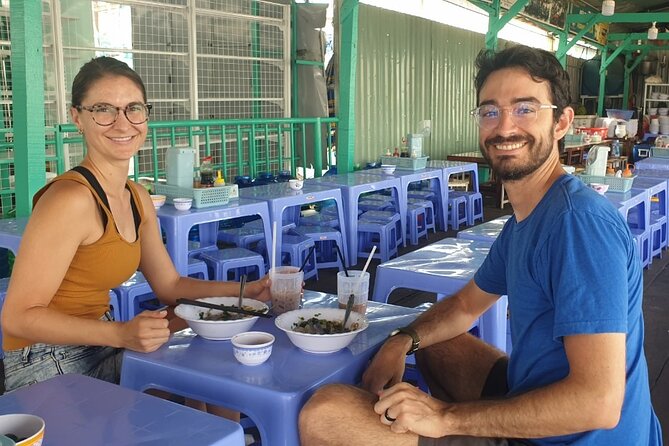
After the market and getting back to your hotel for check-out and breakfast, you head back toward Ho Chi Minh City. On the way, you stop at the 10 Vo Ancient House, described as a beautifully preserved example of traditional architecture.
This kind of stop is a smart pacing tool. After the sensory intensity of river trade and early mornings, an architectural heritage site offers a quieter reset. You get a chance to slow down, look closely at structure and design, and end the trip with something that feels rooted in local history and craftsmanship.
It’s also a practical way to break up the long return drive. Even if you don’t love museums, an ancient house stop usually gives you something concrete to remember beyond “the market was cool.”
Price and value: what $78 buys you in time saved and included transport
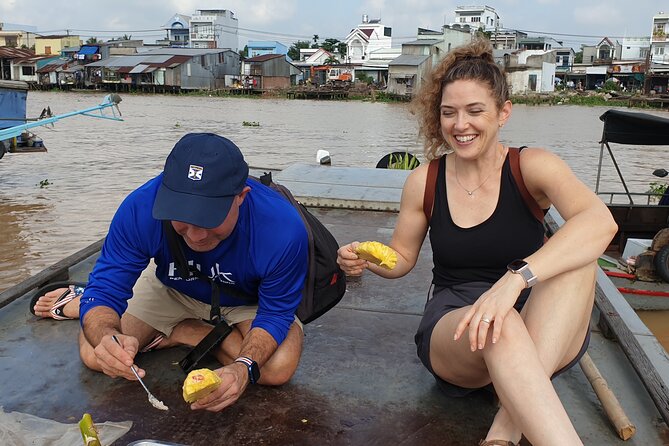
At $78 per person, this is the kind of delta tour that can feel like a bargain if you’d otherwise be piecing it together yourself.
Here’s what you’re paying for, in real terms:
- Door-to-door transfers from District 1, which removes the biggest friction point
- An English-speaking guide, so you’re not stuck guessing what you’re seeing
- Two lunches included, which matters when you’re out in the countryside
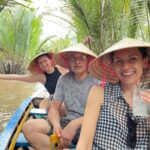
- Boat time (motorboat and rowing boat), plus the bike component
- A hotel night in Can Tho with breakfast
If you try to DIY this, the cost usually rises fast once you add transport, a guide, and your own meal plans. The included hotel is especially important because it’s what supports that early Cai Rang start.
One thing to note: drinks aren’t included, and tips aren’t included. That’s common, and it’s easy to plan for. Bring a little cash for small extras and you’ll stay comfortable without hunting for payment options.
Who this tour is for (and who may want a different pace)
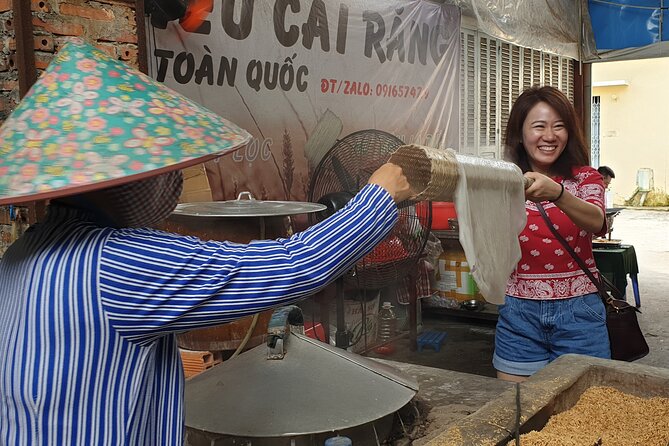
This tour fits best if you:
- Want one organized schedule covering My Tho, Ben Tre, Can Tho, and Cai Rang
- Like early starts when there’s a payoff (this one clearly has one)
- Prefer a mix of culture plus active travel (boats and bikes)
- Would rather spend your energy learning what you’re seeing than coordinating transport
You might want to choose something else if you:
- Hate tight timing and prefer long, slow days
- Are the type who needs guaranteed maximum crowds or maximum boat density for photos
- Want lots of free time for wandering; this is structured, not open-ended
Should you book it? My honest recommendation
I’d book this tour if your main goal is to experience Cai Rang Floating Market early and you’re happy with a well-paced 2-day itinerary that includes culture, food, and river transport. The value comes from not just the market, but the setup around it: the hotel night, the early schedule, and the included boats and meals.
If you care most about the market visuals alone, keep expectations flexible. Even with an early arrival, the market can look lighter on some mornings. But if you’re there for the feel of the river trading day—and you enjoy workshops, folk music, and history stops—this tour delivers a lot without making you plan a thing.
If you like, tell me your travel dates and your hotel area in Ho Chi Minh City. I can help you decide whether the District 1 pickup makes this smoother for you, and how to plan the rest of your delta days.
FAQ
What’s the start time for Cai Rang Floating Market?
The Cai Rang Floating Market visit starts at 6:00 a.m. on day 2.
Does the tour include hotel lodging?
Yes. You stay 1 night in a 3-star hotel in Can Tho, and breakfast is included.
Are meals included?
Yes. The tour includes 2 lunches.
How do you get to and from the tour?
Pickup and drop-off are offered from a centrally located hotel in District 1 in Ho Chi Minh City.
What boat activities are included?
The tour includes motorboat and rowing boat time.
Is this tour private or shared?
It’s listed as a private tour/activity, meaning only your group participates.
Is free cancellation available?
Yes. You can cancel up to 24 hours in advance for a full refund.