REVIEW · HO CHI MINH CITY
Ho Chi Minh: Southern Vietnam 4-Day Authentic Mekong Farm Trip
Book on Viator →Operated by Vietnam To Travel · Bookable on Viator
Coffee tastes different after a mangrove morning. This Ho Chi Minh–based 4-day Mekong Delta farm outing trades city noise for riverside work and village life, with hands-on days built around kayaking, cycling, and cooking with locals. I also love how the guides—often Chow (and sometimes Pablo)—stay genuinely responsive, so your questions don’t feel like a hassle.
My second favorite part is how this trip mixes active outdoors time with real “sleep-in-the-region” comfort, including homestay-style lodging and practical touches like mosquito nets mentioned by recent travelers. It’s not a fancy hotel parade; it’s a chance to live closer to daily routines for a few days.
The main consideration: the schedule is active and full, with early starts, lots of time outdoors, and plenty of motion (paddling, cycling, fishing). If you want very slow travel with long downtime, you’ll need to build in your own quiet breaks.
In This Review
- Key things you’ll remember
- From Ho Chi Minh City to wartime history and river reality
- Cu Chi Tunnels: worth the early start
- Family Tiny Garden Homestay: a practical base for farm life
- Long An Province: cooking, paddling, rice fields, and pagoda time
- Morning rhythm in Ca Mau: markets, coffee, cycling, then water
- Nam Can: mangrove canals, aquaculture farms, and a real meal you help make
- Soc Trang Province: Father Diep’s Church and the Clay Pagoda
- Price and what $719 buys you (and what it doesn’t)
- How the guide style changes the trip (Chow, Pablo, and the energy level)
- Who this trip is best for
- Should you book it?
- FAQ
- How long is the trip?
- Do you get pickup from Ho Chi Minh City?
- What kinds of activities are included?
- Is the tour private?
- Can the trip accommodate dietary restrictions?
- Are the guides English-speaking?
- Can I get a full refund if I cancel?
Key things you’ll remember
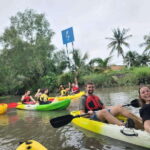
- Kayaking through narrow canals instead of just driving past them
- Cycling rice fields and orchard mornings for a calmer, local-feeling pace
- Markets + cooking with locals, not just watching from a distance
- Ca Mau and Nam Can mangrove areas with water-based exploration
- Comfort-focused homestay lodging, including mosquito nets
- Guides who answer questions and keep the day moving without rushing
From Ho Chi Minh City to wartime history and river reality
This trip starts by pulling you out of Ho Chi Minh City’s pace fast. You head to the Cu Chi Tunnels early, then you roll south into the Mekong Delta area. That contrast matters: the first hours give you context for Vietnam’s past, and the next days show how people live and work now along the rivers.
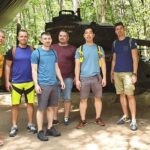
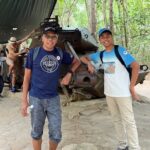
At Cu Chi Tunnels, you’re looking at the historic underground system used during the war. It’s a stop that can feel intense even if you’re not a “war history” person, but it also helps you understand why so much of rural Vietnam developed around survival, ingenuity, and local knowledge.
After that, the rest of the day shifts into travel mode—drive time, then check-in at a homestay. This is one reason I like the structure. You don’t spend your whole trip stuck in a vehicle; you trade some road time for actual time on the water and in villages.
You can also read our reviews of more tours and experiences in Ho Chi Minh City.


Cu Chi Tunnels: worth the early start
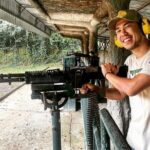
Cu Chi Tunnels is one of those famous stops people debate. Here’s how I’d think about it before you go: it’s not just a photo stop. You’re walking through or seeing the underground system that shaped wartime tactics, and that context changes how you view the countryside you’ll see later.
The tour sets you up with a morning hotel pickup and then gets you into the tunnels fairly quickly. If you’re sensitive to long days, note that this is an early-energy start. I’d plan to drink water, wear shoes you can walk in for a bit, and bring something for sun or wind once you’re outside.
Family Tiny Garden Homestay: a practical base for farm life
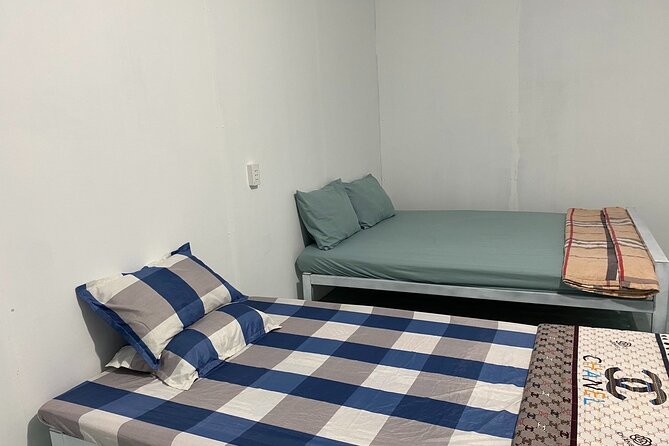
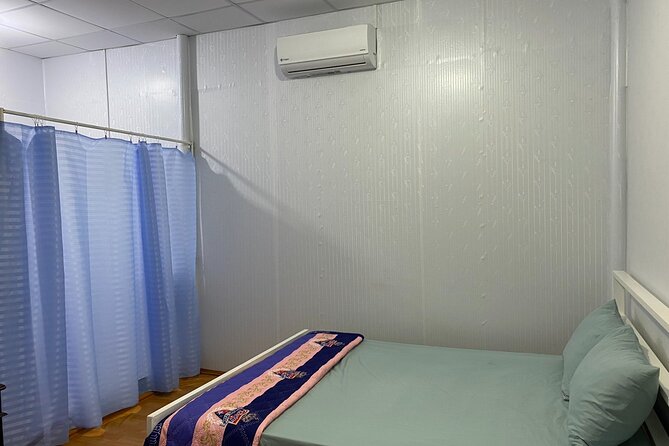
You check in at the Family Tiny Garden Homestay, and that’s a big part of the experience. A homestay-style base means you’re closer to how the day feels for locals, not just where you sleep after being dropped off.
Recent travelers mention comfort details like mosquito nets, which is exactly the kind of thing that changes whether a trip feels easy or miserable. If you’re prone to insect bites, do yourself a favor and pack insect repellent anyway—even when mosquito nets are provided, you’ll still be outdoors during active parts of the day.
This stay also fits the overall style of the trip: you’ll do cooking, cycling, and water activities with a “hands-on, learn-by-doing” vibe. You’re not just touring; you’re living at the edge of farm and river routines for a few days.
Long An Province: cooking, paddling, rice fields, and pagoda time
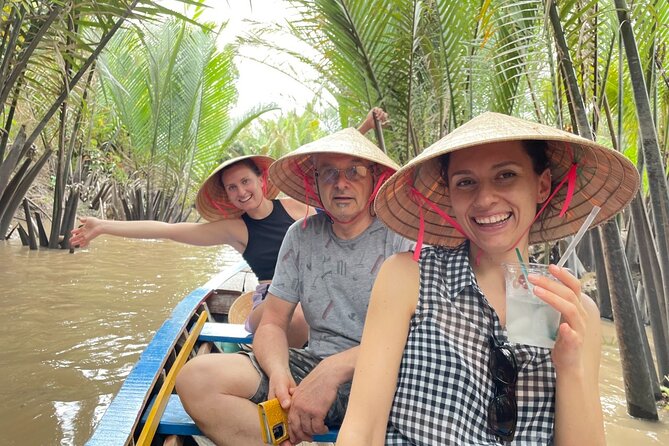
One of the best parts of this trip is how it balances “work-like” activities with scenery and culture. In Long An Province, the afternoon is built around getting moving outdoors and learning from people who live with the land and water every day.
You’ll start with a cooking class, which is more useful than it sounds. When you cook with locals, you learn why ingredients matter and how flavors match what’s available in season. Even if you don’t cook at home much, you’ll walk away with a sense of everyday taste, not just a meal.
Then comes the active outdoor section:
- Cycling through rice fields
- A visit to Xom Trau Pagoda
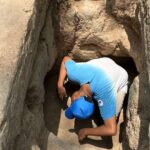
- A look at an underground relic
- Kayaking through narrow canals
- Rice transplanting and fish catching
This is where the trip earns its “authentic” label. You’re not only seeing farming; you’re trying small pieces of it. Cycling through rice fields gives you a slower, grounded view than a bus window. Kayaking through narrow canals feels different too—you glide where daily life happens, and you’re close to the edges of the waterways, not above them.
A small caution: this is hands-on time, so it’s not a “wear your clean clothes and forget it” plan. Bring clothes you don’t mind getting dusty or damp. Also, if you’re planning a strong photo day, keep your phone/camera secured for kayaking and water moments.
Morning rhythm in Ca Mau: markets, coffee, cycling, then water
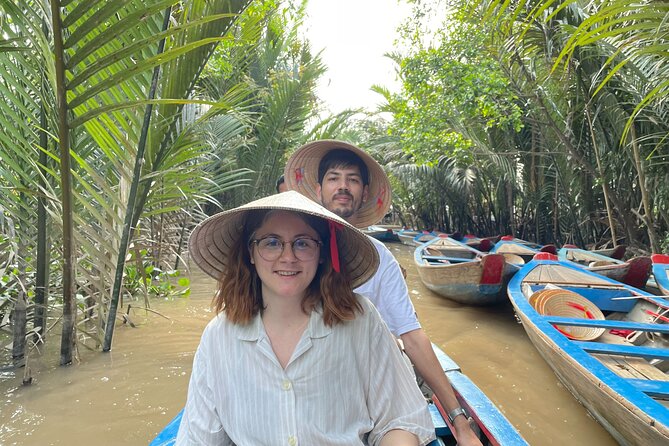
When the trip reaches Ca Mau, the mornings get more “river practical” than “tour-brochure pretty.” You may start with sunrise cycling or an orchard visit, then you go to a local market for breakfast and coffee.
This matters for value because markets are where you understand the ingredients and the daily flow. A market stop isn’t just entertainment; it tells you what people buy, what they sell, and what’s important around them. You also get a calmer start before the water time.
Then you’re back on the river:
- Kayaking
- A departure toward Ca Mau with lunch along the way
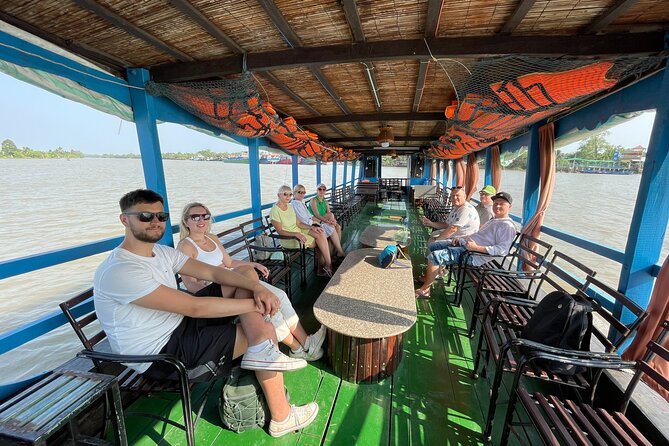
- A motorboat trip for sunset on Tam Giang
Tam Giang sunset is one of those moments that makes the whole day feel earned. You’ve already been moving—market morning, cycling, then paddling—and sunset gives you a slower payoff. If you like photography, this is a legit time window: light changes quickly, and the view from the water feels more layered than a fixed viewpoint.




Nam Can: mangrove canals, aquaculture farms, and a real meal you help make
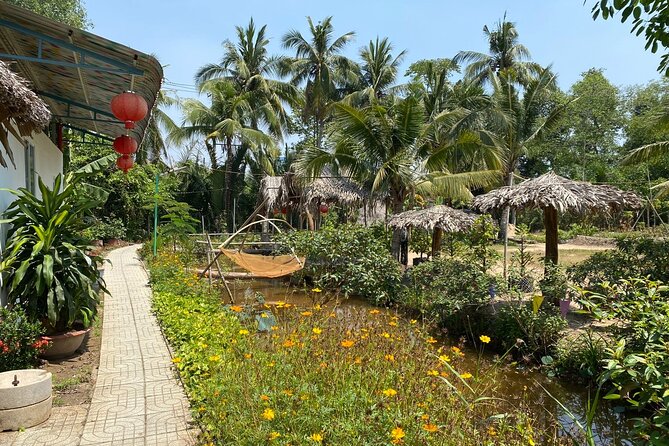
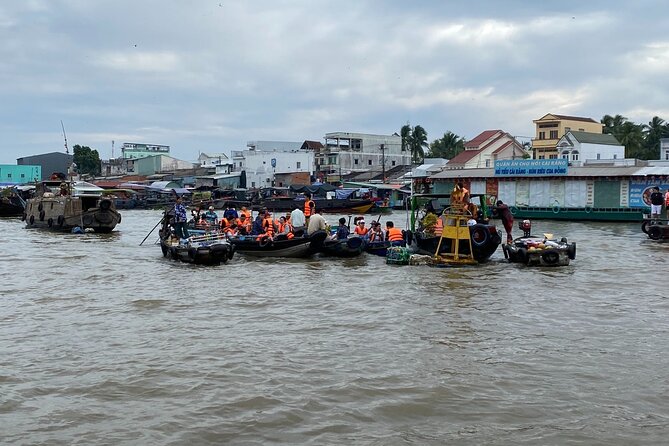
Nam Can brings a strong mix of nature and food systems. The morning starts with breakfast, then you explore by motorboat through mangrove canals. You’ll also visit shrimp and aquaculture farms, which adds a useful understanding of how the delta supports livelihoods beyond rice.
Next, you do another market-and-cooking style day: a market visit followed by cooking lunch with locals. This is a repeating structure in a good way. You’re building context step by step—market ingredients, local preparation methods, then the meal. By the time you’re eating, you understand what you’re tasting.
In the afternoon, the day leans into “hands and water” time:
- Fishing
- Swimming to find clams/oysters
- A BBQ dinner with local food
This is the part of the trip that isn’t for everyone. If you don’t like cold water, strong sun, or anything that involves getting hands-on with fishing, you might want to pace yourself or ask for clearer guidance before you jump in. On the flip side, if you want a Mekong Delta day that feels like daily life instead of a staged performance, Nam Can delivers.
Soc Trang Province: Father Diep’s Church and the Clay Pagoda
Your last day shifts from farm-and-river activities into cultural stops. In Soc Trang Province, you travel by motorboat to a bus connection, then you visit:
- Tac Say Cathedral (Father Diep’s Church)
- Clay Pagoda
These stops add variety at the end so you’re not just “waterlogged” by the final evening. They also give you a different kind of photography—architecture and religious spaces, not just canals and fields. After lunch, you drive back to Ho Chi Minh City with arrival around 5:30 PM.
This return timing is helpful. It means you’ll still have a normal evening in the city. You’re also less likely to feel trapped into late-night logistics, since the tour is designed to end while the day still makes sense.
Price and what $719 buys you (and what it doesn’t)
At $719 per person for about 4 days, this isn’t a bargain-bin Mekong trip. You’re paying for several things that matter more than “just seeing a place”:
- Pickup and round-trip movement between Ho Chi Minh City and the delta
- Multiple active activities (cycling, kayaking, fishing-style time, motorboats)
- Local meals, including cooking with locals
- Homestay-style lodging (not only day trips)
- A private structure where only your group participates
So the value comes from time and variety, not from a single signature attraction. If you’re the type who hates being shuffled from one stop to another with long dead periods, the mix here feels efficient. You get mornings that start early, water time that can’t be replaced by a photo stop, and hands-on farm or aquaculture-related moments.
What you shouldn’t assume: that every hour is relaxed. This trip is built around doing, not watching from a chair. If you’re paying to avoid effort, you’ll likely find parts of this physically demanding.
One more practical note: the average booking window is about 52 days in advance. That’s a hint to book earlier if you have fixed dates, especially around peak travel periods, when schedules can tighten.
How the guide style changes the trip (Chow, Pablo, and the energy level)
A lot of Mekong tours feel similar until you meet the guide. Here, the guide experience is a standout. Recent travelers highlight that Chow is funny, energetic, and polite, and he answers questions without making the group feel rushed. Others mention the guides, including Chow and Pablo, as enthusiastic and comfortable to travel with.
This shows up in practical ways:
- You can ask questions during market, farm, and river moments
- You feel safe during water activities when a guide explains what to expect
- You get more than one kind of day rhythm—active, social, and calmer moments
It also helps that the day design includes built-in breaks in between activities. A busy program still works better when you’re not constantly sprinting from one thing to the next.
Who this trip is best for
This is a strong fit if you want:
- Hands-on Mekong Delta time (kayaking, cycling, cooking, fishing-style activities)
- Real village-adjacent experiences instead of only viewpoints
- A guide who will explain what you’re seeing and answer questions
- A mix of nature (mangroves, canals) and culture (pagodas and church visits)
It’s less ideal if you:
- Get uncomfortable with early starts and full days
- Strongly dislike water time or physical outdoor activities
- Want mostly indoor, low-effort touring
If you’re an active traveler who enjoys learning through doing, you’ll likely feel like this trip hits the sweet spot.
Should you book it?
Book it if you want a Mekong Delta experience that feels like work, food, and river life—plus time in Ca Mau and Nam Can mangrove areas—without turning it into a checklist. The standout value for me is the combination of active water time + cooking + question-friendly guides like Chow and Pablo.
Skip it or choose a gentler alternative if your idea of a great trip is mostly slow, scenic strolling with minimal effort. This one is designed for people who don’t mind getting involved.
FAQ
How long is the trip?
It’s listed as 4 days (approx.).
Do you get pickup from Ho Chi Minh City?
Yes. Pickup is offered, and the day starts with pickup at your hotel.
What kinds of activities are included?
Expect a mix like kayaking, cycling, cooking with locals, fishing, and water-based trips (including motorboat time).
Is the tour private?
Yes. It’s described as a private tour/activity, with only your group participating.
Can the trip accommodate dietary restrictions?
You can request accommodations for dietary needs such as vegetarian, vegan, or gluten-free. You should indicate your requirements when booking.
Are the guides English-speaking?
Recent travelers specifically mention the guide speaking really good English and being open to questions.
Can I get a full refund if I cancel?
Yes. There is free cancellation, and you can cancel up to 24 hours in advance for a full refund. The experience may also be canceled due to weather, with either a different date offered or a full refund.