REVIEW · TENERIFE
From Puerto de La Cruz: Full-Day Vip Tour to Gomera
Book on GetYourGuide →Operated by TAMARAN · Bookable on GetYourGuide
Four-wheel drive and Garajonay in one full day. It’s a fun way to see La Gomera because you get exclusive 4WD access plus a ferry crossing that comes with free food and drink. I like the built-in explanations at each stop, especially the cultural heritage around the whistling language and the island’s link to the New World story. One catch: you’re in for a long day with lots of curves, and the included lunch inside the national park is the one part that some people felt was just okay.
This tour runs about 10 hours, starting early from Puerto de la Cruz. You’ll meet at 07:00 AM at the Tamaran/Volcanic office (Calle Aceviño, 12), then head to the south of Tenerife for the morning ferry to San Sebastián de la Gomera. The guide is German, and depending on the departure you might get a guide like Alex or Kai-Uwe, both praised for clear, lively island talk.
In This Review
- Key Things That Make This Gomera Tour Worth Your Time
- Why the Ferry + 4WD Combo Works on La Gomera
- Price and Value: What $205 Buys You Here
- The 07:00 AM Start in Puerto de la Cruz (And What to Expect)
- San Sebastián: Starting in the Right Place
- Igualero and Chipude: Villages Plus The Real Island Feel
- Mirador de Vallehermoso and Arure: Getting the Best Views Without Wasting Time
- Garajonay National Park: The Core of the Day
- Agulo and Hermigua: When the Villages Turn Into Photo Territory
- Aloe Vera Plantation Stop: A Short Detour That Adds Contrast
- The Final Return: Back Through San Sebastián to Tenerife
- Food, Water, and the Realistic Pace on a Curvy Island
- Who This Tour Suits Best (And Who Might Feel Overpacked)
- Should You Book It? My Quick Decision Guide
- FAQ
- FAQ
- What time and where do I meet for this tour?
- How long is the full-day tour?
- Is the ferry transfer included, and do I need my passport or ID?
- What language is the live guide?
- What’s included with the transportation to La Gomera?
- What does the tour cost?
- What should I bring for the day?
- Is the tour wheelchair accessible?
Key Things That Make This Gomera Tour Worth Your Time
- 4WD caravan stops that help you reach viewpoints and villages efficiently on a twisty island.
- Ferry transfer with onboard food and drink in an exclusive area to keep the day comfortable.
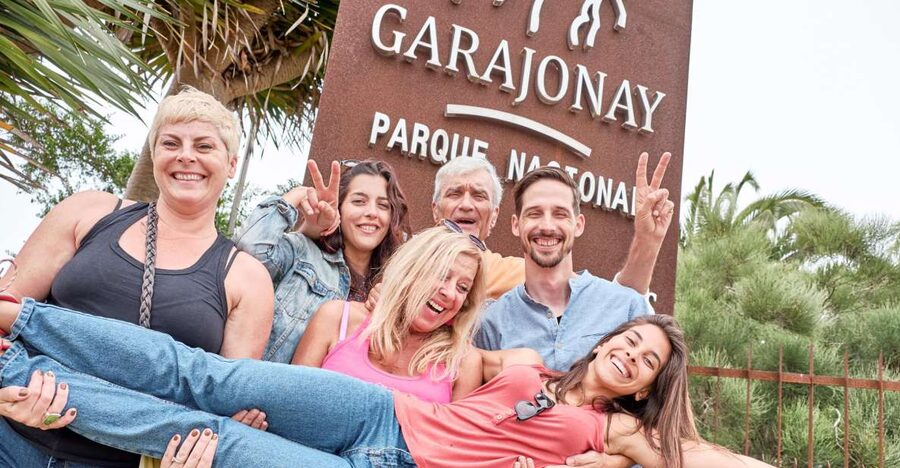
- Garajonay National Park time plus a visitors-center stop and plenty of photo breaks.
- Cultural storytelling about the whistling language and why Gomera mattered in the New World story.
- Village hopping through places like Agulo and Hermigua, not just scenic overlooks.
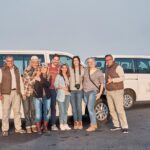
- Small-group feel in practice, with some departures reported around 13 people split between two vehicles.
Why the Ferry + 4WD Combo Works on La Gomera
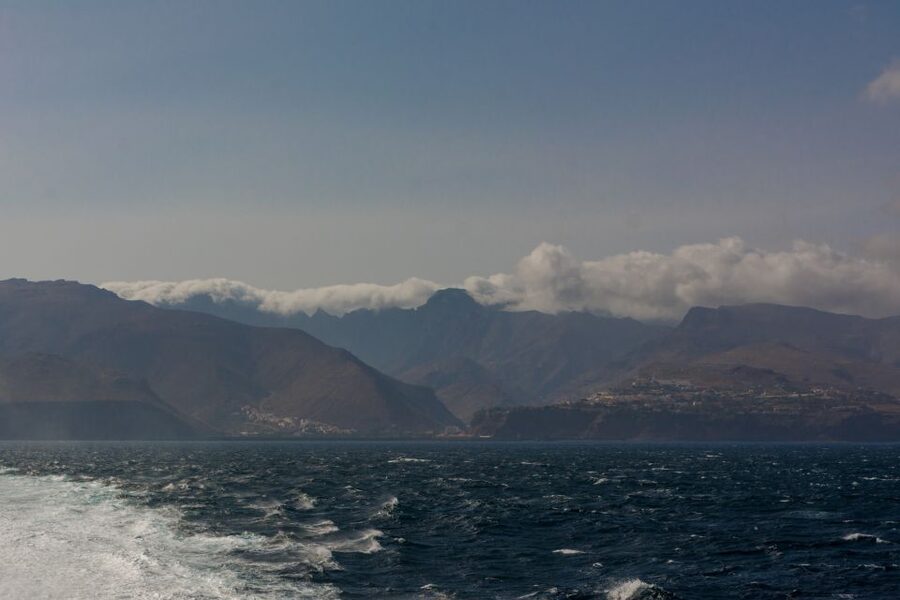
La Gomera isn’t one of those islands you casually “drive through.” Roads climb fast, drop fast, and keep turning. That’s exactly why this setup feels smart: you start with a ferry hop from Tenerife, then switch to 4WD for the day’s island routing.
The ferry transfer is also part of the value. You’re not just sitting for hours and hoping you packed enough snacks. The tour includes free food and drink onboard in an exclusive area, which helps you arrive ready to go instead of starting the island day cranky.
Then comes the 4WD. Guides and drivers can position you at the best viewpoints, and you spend less time stuck waiting for big-bus logistics. In reviews, people specifically praised drivers for safety and for getting the group to great outlook points.
You can also read our reviews of more tours and experiences in Tenerife.

Price and Value: What $205 Buys You Here
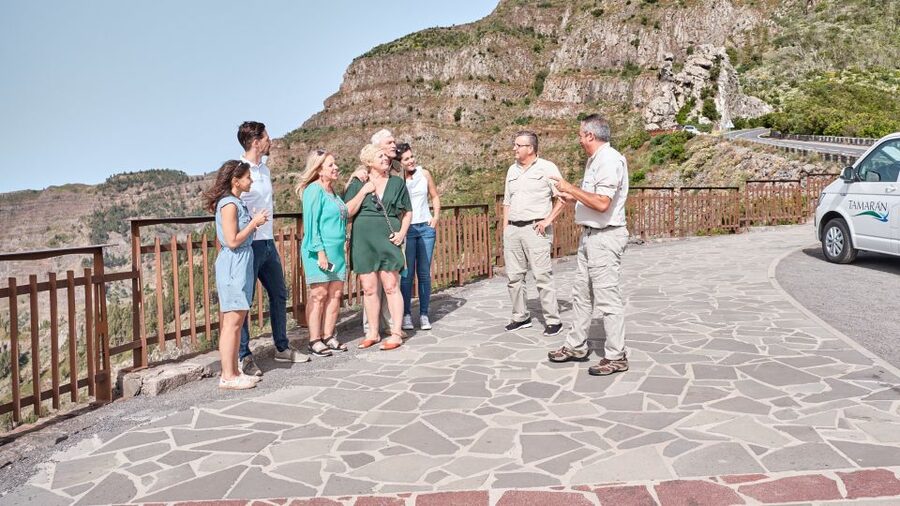
At $205 per person for a 10-hour day, you’re paying for three things you’d otherwise piece together separately: the ferry transfer, guided routing, and the 4WD portion.
If you tried to do Gomera independently, you’d still need ferry tickets, transport on the island, and the time to plan an efficient route between Garajonay and the villages. This tour takes that planning off your hands. You also get a live German guide who explains what you’re seeing at each stop, including both the natural side (like Garajonay) and the cultural side (like the whistling language tradition).
Is $205 cheap? Not really. But for an experience that mixes ferry + 4WD + guided stops in a single day, it’s a reasonable “pay for convenience” price.
The 07:00 AM Start in Puerto de la Cruz (And What to Expect)

Your day kicks off early. The meeting point is at 07:00 AM at the Tamaran/Volcanic office, Calle Aceviño, 12 in Puerto de la Cruz. From there, you’ll be picked up from your hotel or a nearby meeting point in Puerto de la Cruz before heading toward the south of Tenerife for the morning ship.
This matters because the ferry timing sets your whole rhythm. You want energy for Garajonay later, and you want daylight for the viewpoints. The tour’s schedule is built to make that happen.
Practical note: you need an original ID or passport to travel on the ferry. And bring the usual sun day kit—sunglasses, hat, sunscreen, plus comfortable shoes. Even if the morning feels mild, you’ll be in the sun later.
San Sebastián: Starting in the Right Place
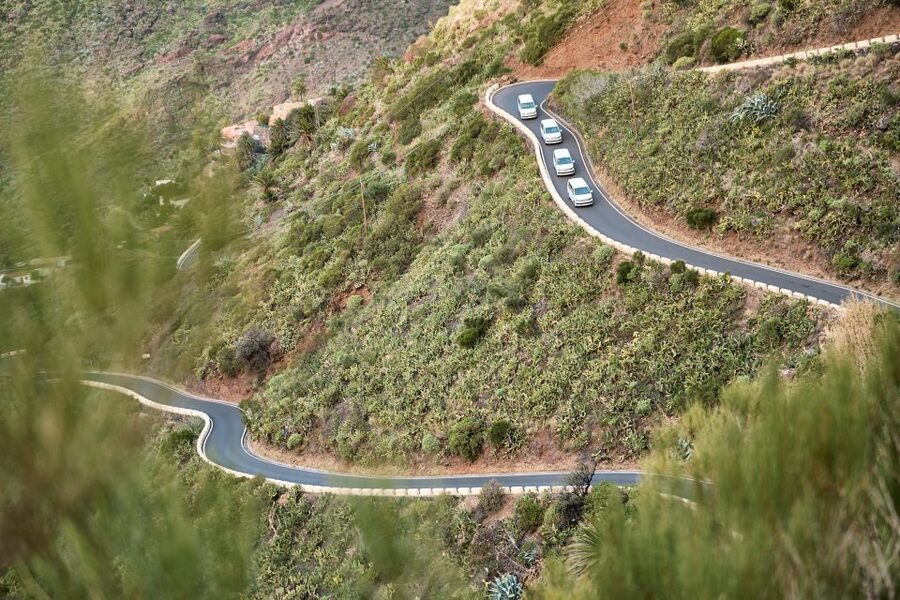
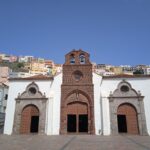
Once you cross over, your first anchor on Gomera is San Sebastián. This is a good starting town because it helps you orient fast: you’re not guessing your way through the island right after landing.
You’ll spend time there before heading deeper into the island’s interior areas. It’s also a natural place to feel the pace of the day. You get the sense of how quickly the island moves from coastline energy to steep roads and high viewpoints.
Think of this stop as your “reset” moment: short enough to keep momentum, but real enough to feel like more than a quick drive-by.
Igualero and Chipude: Villages Plus The Real Island Feel
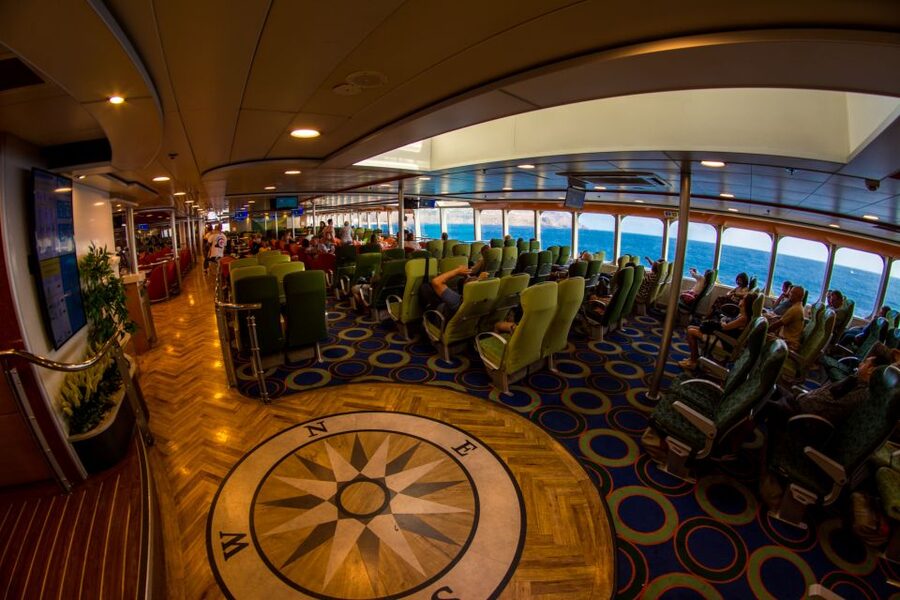
After San Sebastián, the route moves into smaller communities, including Igualero and Chipude. These areas matter because they show how Gomera isn’t just about viewpoints. You see the island’s human side—villages where daily life happens far from cruise-stop convenience.
One highlight here is the cultural stop connected to local craft. There’s time at a Centro alfarero, which is a traditional pottery center. If you like seeing how island heritage shows up in what people actually make, this is the kind of stop that turns “scenery” into “place.”
Your guide’s job is to connect dots as you go—why this village is here, how the terrain shaped life, and what you’re likely seeing as you climb and descend. In reviews, the strongest praise repeatedly went to guide explanations, including botany and island history.
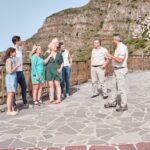
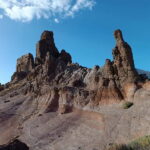
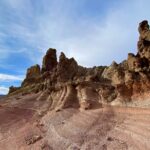
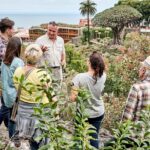
Mirador de Vallehermoso and Arure: Getting the Best Views Without Wasting Time
Once you start climbing, viewpoints become the main event. The tour includes Mirador de Vallehermoso, and later you’ll also see Arure.
What I like about structuring view time inside a guided 4WD day is that you don’t spend the whole day hunting parking spots and timing. You get positioned at the outlooks when the route makes sense, with enough stop duration to take photos without feeling rushed.
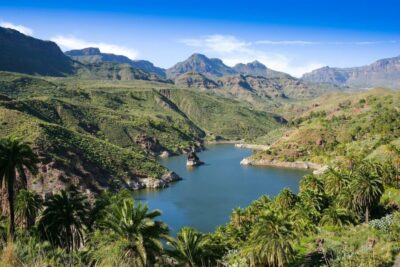
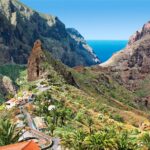
Arure adds a different flavor. It sits in the high interior, and you’ll feel the change in air and terrain as the day moves upward. Even if you’re not a hardcore hiker, this part of the route gives you that classic Gomera feeling: steep, dramatic terrain and wide visibility.
Garajonay National Park: The Core of the Day
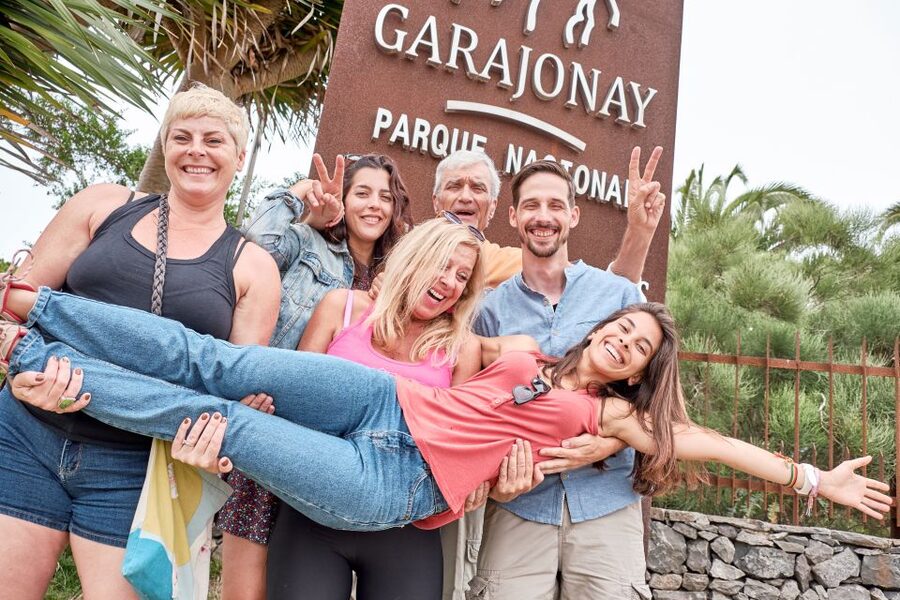
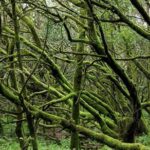
Garajonay National Park is the big reason most people book this. The tour builds in multiple moments tied to the park experience, including a stop at the visitor area (Centro de visitantes) and time around Laguna Grande.
Why this matters for you: Garajonay isn’t just a photo stop. It’s where the island’s identity gets explained—through nature, climate, and the way people learned to live with it. The guide’s commentary typically makes these places easier to “read” as you look.
You also get time for photos and a chance to slow down between driving stretches. That’s important because the island is curvy. Frequent brief stops keep you from feeling like you’re only traveling through tunnel-vision.
Lunch happens during the park portion at a restaurant. Most of the day is praised heavily for organization, but one disappointment that popped up is that the national-park meal wasn’t special. If you’re a picky eater, treat it as fuel, not the highlight.
Agulo and Hermigua: When the Villages Turn Into Photo Territory
After Garajonay, the day shifts back toward the south and east-side villages, including Agulo and Hermigua. These places are where Gomera’s “human scale” shows up again, and the scenery feels closer to everyday life rather than remote cliffs.
You’ll stop at viewpoints too, including Mirador de Hermigua. This is where the day’s driving work starts paying off visually. The views tend to be the kind you want to shoot from a couple angles—wide shots, then a closer “detail” photo when the light hits.
In reviews, people praised the balance of driving and free time at stops. You’re not just shoved out for ten seconds. You get enough time to wander a bit, grab photos, and reset.
Aloe Vera Plantation Stop: A Short Detour That Adds Contrast
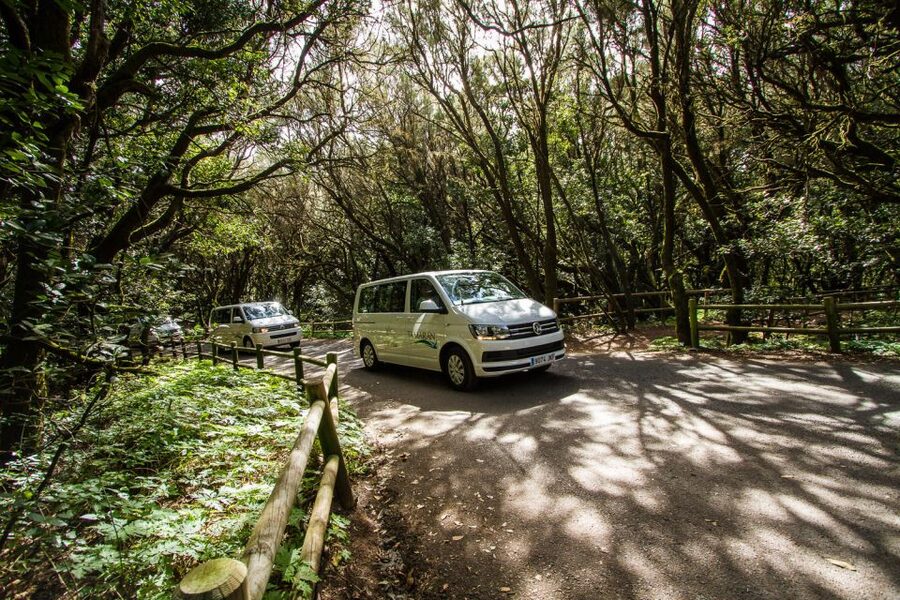
The tour includes a stop at a Plantación Aloe Vera. It’s a nice change from cliffs and viewpoints. Even if you’re not shopping, it adds context for what’s grown and produced locally.
This stop is also a good break in the day. When you’re moving between high points and villages, having one more “inside” or low-stress stop helps you keep energy.
The Final Return: Back Through San Sebastián to Tenerife
Near the end of the day, you return toward San Sebastián again before heading back to Tenerife. Then it’s back down the road to your drop-off area, ending with transport back toward Playa de las Américas.
This closing loop is practical. It keeps the routing efficient and gives you a familiar point near the end before catching the ferry back.
By now, you’ll likely feel the day’s rhythm: early departure, ferry time, park focus, village stops, then the long curvy drive wrap-up.
Food, Water, and the Realistic Pace on a Curvy Island
Food is handled in two parts:
- Free food and drink onboard the ferry in an exclusive area.
- An included lunch during the Garajonay portion.
That’s a good combo for a day like this. It means you’re not hunting for food while you’re also trying to enjoy viewpoints and villages. Still, I recommend carrying extra water. You’ll be in sun, and the island’s terrain encourages steady thirst.
Pace-wise, you’re on the move for a full day. That’s great if you want value and variety. It can feel intense if you prefer slow travel with long, quiet breaks. The good news: the group stops for photos and time to browse in towns, and safe, focused driving is repeatedly praised.
Who This Tour Suits Best (And Who Might Feel Overpacked)
This is a strong fit if you:
- Want to see Garajonay National Park in one day without planning a complex route.
- Like guided storytelling, including cultural topics like the whistling language.
- Prefer a smaller-group feel with 4WD access rather than big-bus sightseeing.
You might skip it if you:
- Get carsick easily. The island has “thousands of curves” by reputation, and this route leans into that reality.
- Want a leisurely day with minimal driving. This tour packs in a lot.
If you’re comfortable with a full schedule and like getting out of the car often enough to breathe fresh air, you’ll probably enjoy it.
Should You Book It? My Quick Decision Guide
Book this tour if you want a single-day plan that hits the best boxes: ferry transfer, exclusive 4WD, Garajonay National Park, and village time with a German-speaking guide who explains what you’re looking at.
Pass on it if you’re sensitive to long driving days or if you mainly want downtime and flexible pacing. In that case, you’d be happier with a slower, more independent approach.
If you do book, show up ready. Bring your ID, wear comfortable shoes, and pack for sun. The tour is at its best when you can comfortably keep moving from stop to stop and actually enjoy the views when they appear.
FAQ
FAQ
What time and where do I meet for this tour?
You meet at 07:00 AM at the Tamaran/Volcanic office, Calle Aceviño, 12 in Puerto de la Cruz.
How long is the full-day tour?
The tour lasts about 10 hours.
Is the ferry transfer included, and do I need my passport or ID?
Yes. The ferry transfer is included, and you’ll need an original passport or ID card to travel on the ferry.
What language is the live guide?
The live tour guide is German.
What’s included with the transportation to La Gomera?
You get the driver, the ship transfer (with free food and drink onboard in an exclusive area), and pickup from your hotel or a nearby meeting point in Puerto de la Cruz.
What does the tour cost?
The price is $205 per person.
What should I bring for the day?
Bring your passport or ID card, comfortable shoes, sunglasses, sun hat, snacks, sunscreen, water, and a jacket.
Is the tour wheelchair accessible?
Yes, it’s listed as wheelchair accessible.