REVIEW · TENERIFE
Las Américas: Inolvidable Private Surf Lesson Max 5persons
Book on GetYourGuide →Operated by Ocean Life Tenerife Surf Spa & Experiencias · Bookable on GetYourGuide
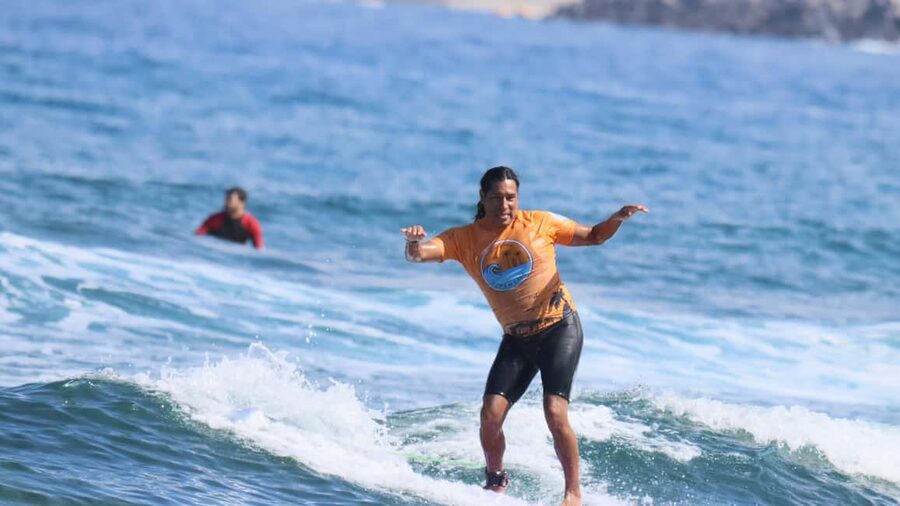
First waves happen quicker than you think. In Las Américas you get that rare combo of a private (or small) lesson and coaching matched to your level, with a wide bay that helps you spend more time actually surfing than waiting around. The ocean views don’t hurt either.
What I like most is the focus on progress, not performance. You get tailored exercises for your experience level, and the session runs on a tight, practical timeline (2 to 2.5 hours) so you can fit it into your Tenerife plans without losing a whole day. The one consideration: photos and videos aren’t included, so if you want proof beyond a few phone clips, plan accordingly.
In This Review
- Las Américas Bay: Why This Lesson Works for Beginners and Improvers
- Meeting in Parque Santiago 2 and Getting Fully Equipped
- The 2–2.5 Hour Flow: How You Go From Board Time to Wave Time
- 1) Arrive, suit up, and get your board basics
- 2) Instruction geared to your current level
- 3) Ocean time at a place with options
- 4) Technique adjustments as you try again
- 5) Wrap-up, rinse, change, and head back
- Private or Small-Group Coaching (Up to 5): Faster Progress Without the Big-Crowd Chaos
- Who this fits best
- Languages: Spanish and English
- Safety, Insurance, and Rules That Keep the Session Real
- Weather and sea-condition reality checks
- Price and Value: Is $88 Per Person Worth It?
- What It Feels Like in the Water (and Why That’s the Point)
- Should You Book This Las Américas Private Surf Lesson?
- FAQ
- What’s the duration of the private surf lesson in Las Américas?
- How many people are in the group?
- What surf equipment is included?
- Where do I meet the instructor?
- What should I bring with me?
- Is food or photos and videos included?
Las Américas Bay: Why This Lesson Works for Beginners and Improvers
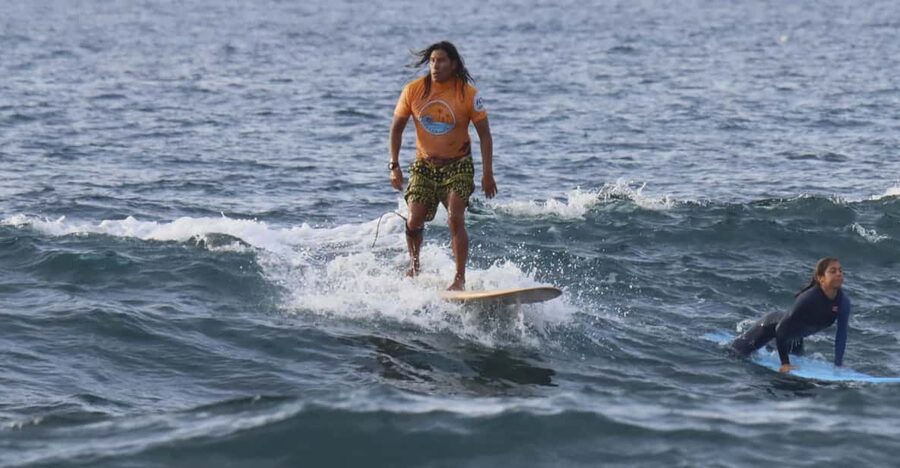
Las Américas is the kind of place where you can learn without feeling swallowed by the ocean. The bay here is described as wide, which matters because it usually means there’s room for instructors to pick conditions that suit different skill levels. In plain terms: you’re less likely to get stuck in a setup that’s too intense for your first tries.
For beginners, this is huge. You want time to learn basic skills—paddling, positioning, board control—without the pressure of constantly getting wiped out. For intermediate surfers, it still helps because you can spend the session refining what you already know: how you take off, where you place your weight, and how you read the wave before you commit. The lesson’s structure is built around that idea of matching the ocean to the person.
And yes, the view is part of the deal. Watching swell lines from the shore while you suit up, then stepping into the water with the horizon right in front of you, makes the whole thing feel more like an experience and less like a chore. Even if your first wave is wobbly, it still feels like you’re doing something real.
Meeting in Parque Santiago 2 and Getting Fully Equipped
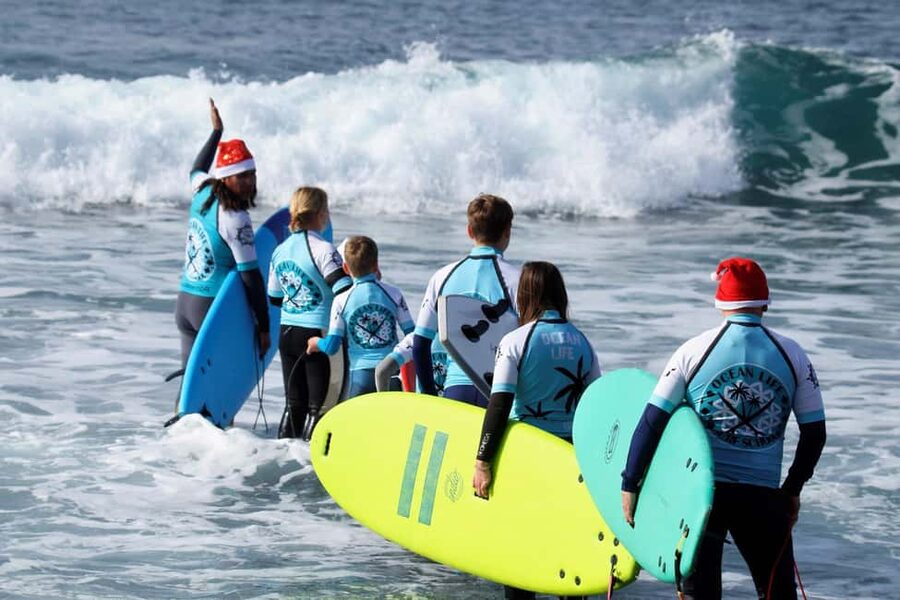
You’ll meet at the down stairts of Parque Santiago 2, local 50. It’s an easy reference point in the Las Américas area, and it helps keep the start smooth—because in a short lesson, time spent searching is time you don’t get surfing.
One of the smartest parts of this offering is that gear is included. You get:
- Softboard
- Leash
- Wetsuit 3/2 mm
- Reef shoes
- Lycra
Plus, they also include insurance, which is a detail I appreciate. Surfing isn’t a sport where you can fully “wing it,” and having that safety net behind the scenes gives you less mental clutter.
What you should bring:
- Swimwear
- Change of clothes
- Flip-flops
Also note that the school has a shower, toilet, and locker so you’re not left scrambling for a place to change afterward. That’s small, but it changes the whole finish of the experience—especially if you’ve got dinner plans right after.
You’re not allowed to smoke or be intoxicated during the activity. It’s a straightforward rule, and honestly, it’s the kind that keeps the session focused and safer for everyone in the water.
You can also read our reviews of more tours and experiences in Tenerife.

The 2–2.5 Hour Flow: How You Go From Board Time to Wave Time
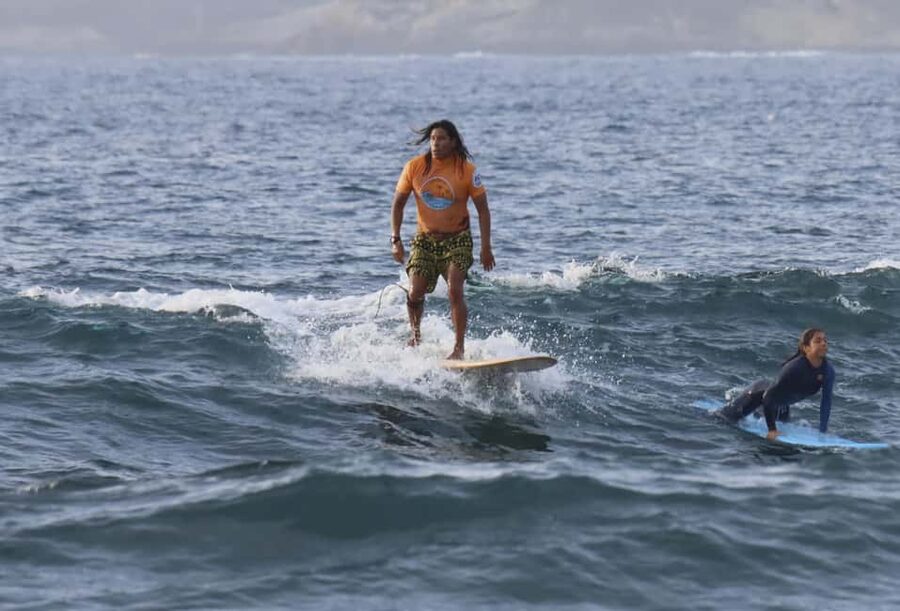
You’re looking at a compact session: 2 to 2.5 hours total. That time window is designed for momentum. Instead of stretching the lesson across the day, the instructor structure is aimed at letting you learn, try, and adjust while it still feels fresh.
Here’s the typical arc you can expect based on how the lesson is described and what they include:
1) Arrive, suit up, and get your board basics
You’ll start with equipment fitted to you—softboard first, leash attached. Reef shoes and a 3/2 mm wetsuit make a big difference because they help you deal with the water temperature and protect your feet and legs during getting-in and getting-out.
Softboards are the right choice for learning because they’re more forgiving than hard boards. That matters when you’re working on balance and getting comfortable with the feeling of being on the water.
2) Instruction geared to your current level
The lesson is explicitly designed so the instructor tailors exercises and content to your knowledge and needs. That means a beginner isn’t taught the same way as someone who already can pop up and stand.
This tailored approach is also why a private group model works well. With max 5 people, your instructor can actually keep an eye on what you’re doing, not just hand out general tips and hope for the best.
3) Ocean time at a place with options
The bay’s width helps create a safer, more flexible learning environment for different abilities. The instructor can set up your session so you spend time surfing and practicing takeoffs, rather than getting only one shot between long breaks.






4) Technique adjustments as you try again
Even without photos and videos included, the benefit here is repeat tries with feedback. The lesson isn’t just about catching a wave—it’s about learning how to catch the next one a little better.
5) Wrap-up, rinse, change, and head back
The school includes shower, toilet, and lockers. If you plan your day like a normal human (clothes, towel, food later), this practical finish matters.
Private or Small-Group Coaching (Up to 5): Faster Progress Without the Big-Crowd Chaos
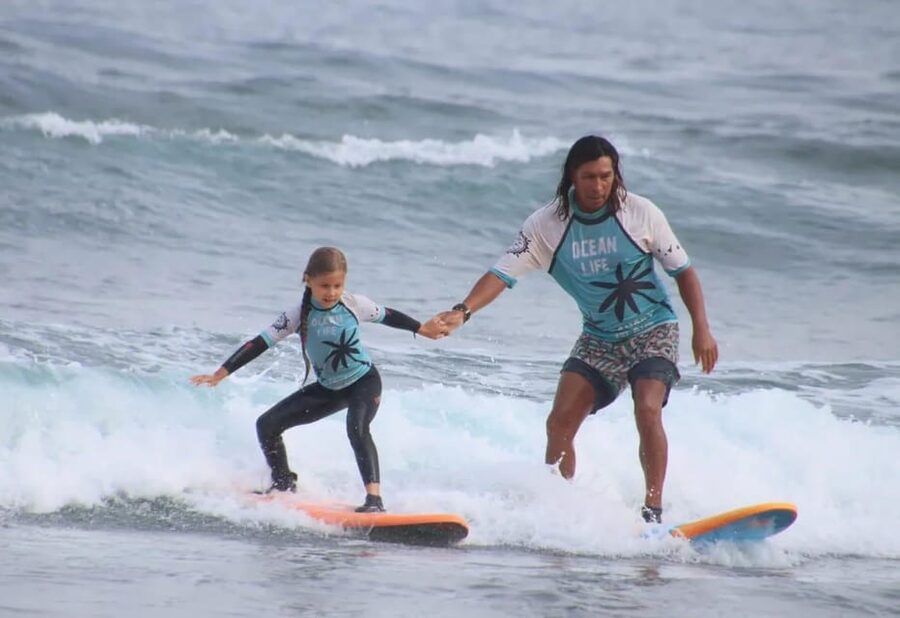
This lesson is built around the idea that small groups let you move faster. With a maximum of 5 people, you’re not stuck in a setup where the instructor spends most of the session teaching “the class” and hoping you’re all at the same point.
Instead, you get coaching that can adapt on the fly:
- If you’re brand new, you’ll focus on fundamentals and stability.
- If you already surf, you can work on specific corrections and cleaner wave entry.
That adaptability is the biggest reason this stands out for me. In a bigger group format, learning can be slow because the instructor can’t give the same level of real-time attention. Here, you can actually correct issues while they’re still easy to fix.
Who this fits best
It’s not only for solo surfers. The format is open to families, couples, and group celebrations—bachelorette and bachelor parties, birthdays, even coworker outings. It’s also described as suitable for schools, sports centers, and clubs, including football and tennis groups.
If you like the idea of an activity that feels social but still gets real instruction, this hits that sweet spot.
Languages: Spanish and English
Instructors work in Spanish and English, which helps if you’re visiting the Canary Islands and want coaching you can clearly understand. Clear instruction is a form of safety. It reduces guesswork and helps you learn faster.
Safety, Insurance, and Rules That Keep the Session Real
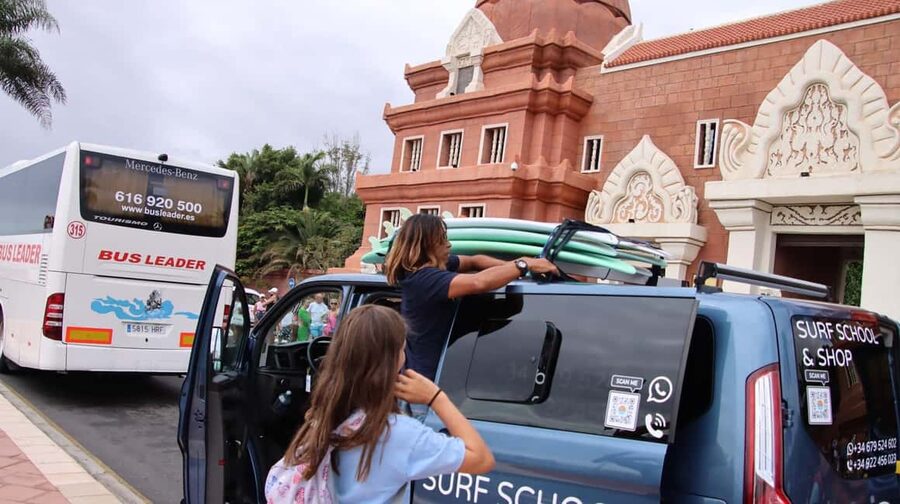
Surfing involves risk. This offering addresses that in the way that actually counts: certified instructors, quality equipment, and insurance are included.
They also spell out some practical restrictions:
- Not suitable for people with back problems
- Not suitable for people with epilepsy
- Not suitable for people prone to seasickness
If any of those apply, it’s worth respecting the guidance and choosing a different activity. Your body has to cooperate for surf learning to be safe.
There are also behavior rules: no smoking and no intoxication. That’s basic, but it makes a big difference in a sport where everyone’s attention should be on the water.
Weather and sea-condition reality checks
Sometimes the ocean doesn’t cooperate. If the provider has to cancel due to sea conditions, weather, lack of waves, or safety reasons, you can choose between a full refund or free rescheduling. If you cancel yourself, the policy is straightforward: cancel at least 24 hours ahead for a full refund; within 24 hours, it’s non-refundable. No-show is also non-refundable.
The good part here is you’re not trapped if conditions are genuinely unsafe. The lesson is built around safety first, not stubbornly forcing waves.
Price and Value: Is $88 Per Person Worth It?
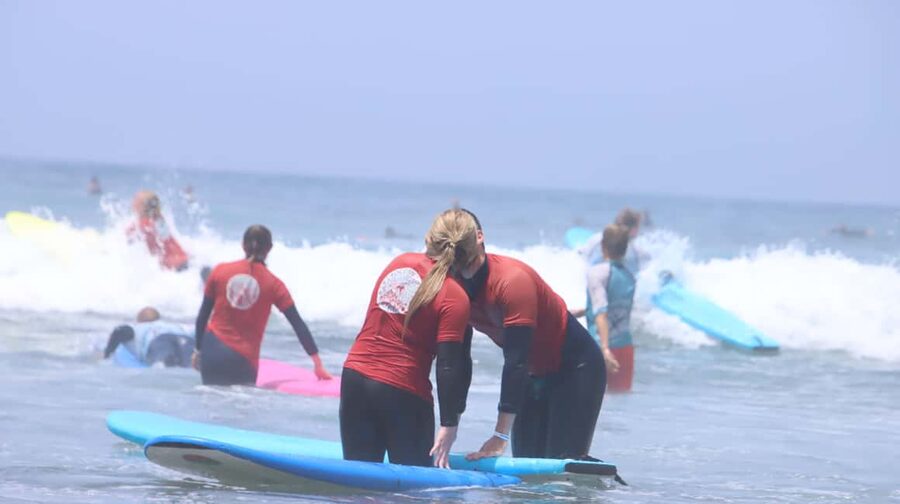
At $88 per person for 2 to 2.5 hours, the value comes down to what you don’t have to figure out yourself.
You’re getting:
- Full surf equipment (softboard, leash, wetsuit, reef shoes, lycra)
- Insurance included
- A certified instructor with tailored exercises
- Shower, toilet, and locker access
If you’ve ever tried to arrange surf gear and lessons separately, you know how fast costs and stress add up. Here, the pricing is for the whole experience, not just “someone telling you what to do.”
Also, the max 5 group size is part of the value equation. When instruction time is less diluted, you usually spend more time practicing and less time standing around. That tends to matter more than people expect. You can buy a board and still not progress quickly. A coach that can adjust to your level is what turns time into improvement.
There’s also a reliability signal: the overall rating is 5 out of 5 across 4 reviews. The strongest praise centers on expert, empathetic instruction and good organization—exactly what you want when you’re trying something physically tricky for the first time.
Photos and videos aren’t included, though. That’s the trade-off. You might be taking a few quick shots with your phone, or you might just accept that the real souvenir is the skill and the memories.
What It Feels Like in the Water (and Why That’s the Point)
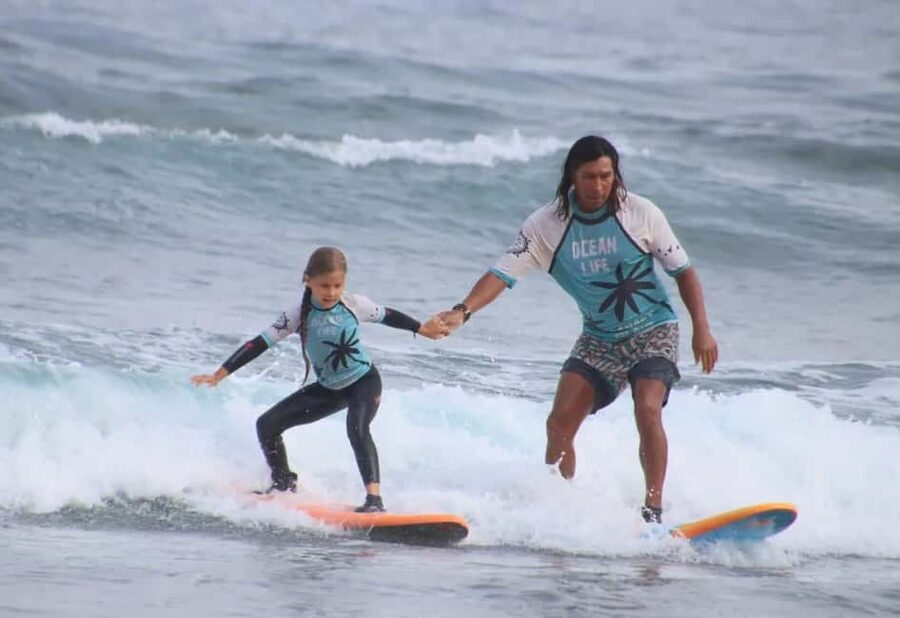
This lesson is described with the idea that it can change how you see things. I get what that means: when you’re surfing, your brain switches roles. You’re not thinking about the next restaurant or the next day trip. You’re present with paddling, timing, balance, and the feel of the board under your feet.
And because it’s private or small-group, the tone likely stays personal. An instructor can notice small errors—like where you’re looking, how your weight is transferring, or whether you’re committing to the takeoff. That kind of attention makes you feel less like you’re guessing and more like you’re being guided.
The “wide bay for all levels” concept also matters emotionally. It reduces the feeling that you’re out of your depth before you even start. That confidence can be the difference between quitting early and sticking with it until you finally catch that first clean ride.
Should You Book This Las Américas Private Surf Lesson?
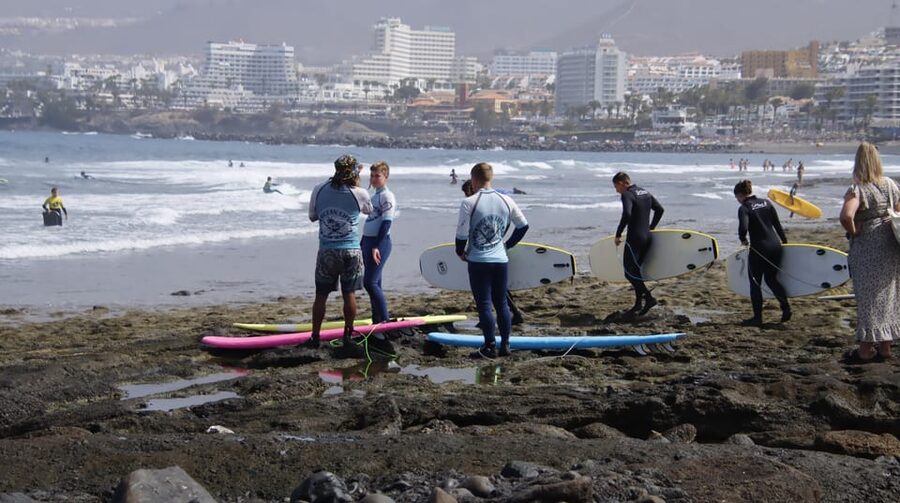
Book it if you want:
- Real coaching, not a general group session
- Fast progression with exercises tailored to your level
- Included gear and practical on-site facilities
- A surf experience that can handle solo plans or small group celebrations (up to 5)
Skip it (or choose carefully) if:
- You have back problems, epilepsy, or you’re prone to seasickness
- You need photos and videos included in the price
- You’re looking for a long half-day sightseeing itinerary rather than a focused skills session
FAQ
What’s the duration of the private surf lesson in Las Américas?
The lesson runs for 2 to 2.5 hours, depending on available starting times.
How many people are in the group?
It’s a private or small-group format with a maximum of 5 persons.
What surf equipment is included?
You receive a softboard, leash, wetsuit (3/2 mm), reef shoes, and a lycra top.
Where do I meet the instructor?
Meet at the down stairts of Parque Santiago 2, local 50.
What should I bring with me?
Bring swimwear, a change of clothes, and flip-flops.
Is food or photos and videos included?
No. Food is not included, and photos and videos are not included.