REVIEW · CUSCO
Sacred Valley Vip Cusco
Book on GetYourGuide →Operated by Uyuni Experience EIRL · Bookable on GetYourGuide
A single day, five Sacred Valley stops. This full-day circuit is built for people who want Inca craftsmanship plus later colonial touches, all with efficient route planning. You’ll move from site to site with a live guide from Uyuni Experience EIRL and take in some of the region’s most talked-about engineering and everyday life.
I especially like the Moray circular terraces, because they feel like a living puzzle of how the Incas tested crops. I also love Pisac’s market, where you can shop for local handicrafts while you’re already in the right mood for Indigenous Cusco–region culture.
One thing to consider: it’s a long, packed day, and the trip depends on smooth pickup timing. Also, the Maras salt mines entry fee may not match what you see in some apps, so it’s smart to carry a little extra cash.
In This Review
- Key highlights you’ll actually care about
- Chinchero: Inca wallwork, a colonial church, and textiles
- Moray’s circular terraces: an agricultural site that looks like a design experiment
- Maras Salt Mines: 3,000+ wells, big views, and a fee you should verify
- Urubamba buffet lunch: your midday reset before the final stretch
- Ollantaytambo: the last living Inca city, viewed through a town’s real energy
- Pisac: market shopping on Intihuatana Hill and the stone details of the park
- The route in plain terms: timing, driving time, and how to avoid feeling rushed
- Who this tour fits best (and who should look elsewhere)
- Value check: what you’re really getting for the day
- Should you book Sacred Valley Vip Cusco?
- FAQ
- What places are included in the Sacred Valley tour?
- How long is the Sacred Valley tour?
- What time does the tour start and when do you get back?
- Is there a live guide, and what languages are offered?
- How big is the group?
- Is free cancellation available?
Key highlights you’ll actually care about
- Chinchero’s layered story: Inca wallwork plus a colonial church and a textile center stop
- Moray’s circular terraces: a striking agricultural site that looks engineered for experiments
- Maras salt mines with 3,000+ wells: salt-making history on a scale that’s hard to picture
- Urubamba buffet lunch: a midday break that keeps the rest of the route moving
- Ollantaytambo as the last living Inca city: a town you can walk through, not just view from a distance
- Pisac market + Pisac archaeological park: shop in the morning vibe, then switch to stone-and-stairway Inca details
Chinchero: Inca wallwork, a colonial church, and textiles
Most full-day Sacred Valley trips start strong, and this one begins at Chinchero. Early on, you get Inca wall constructions—the kind that show how carefully the Incas worked with stone and slope—then you shift to a colonial church that adds that later layer of Peru’s history. It’s a neat way to see how one place can hold different eras side by side without feeling like a museum exhibit.
Chinchero also includes a textile center visit. This matters because textiles in the Cusco region aren’t just souvenirs. They connect to local traditions—materials, patterns, and techniques that people still care about today—so the stop helps you understand what you’re looking at later when you browse handicrafts in Pisac.
Practical note: this is where you’ll want to pay attention to timing. If your morning is slow, you can spend more of the trip “catching up” than actually looking closely at stonework and church details.
You can also read our reviews of more tours and experiences in Cusco.
Moray’s circular terraces: an agricultural site that looks like a design experiment
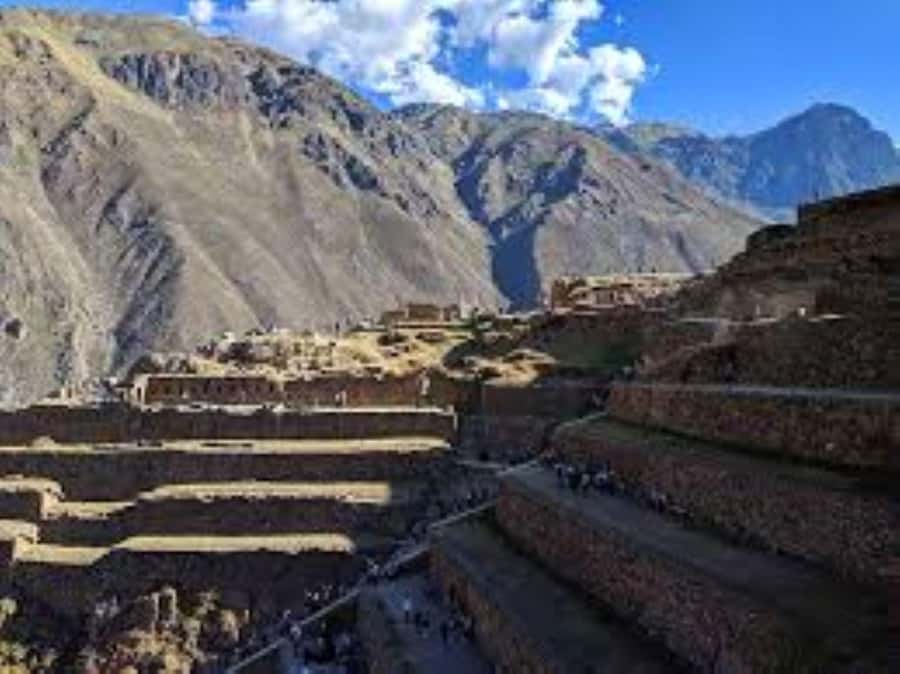
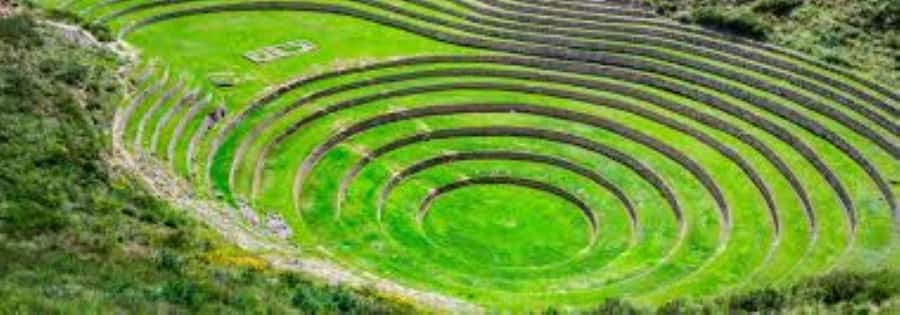
Next comes Moray, famous for its circular terraces. The big thing you’re seeing here is how the terraces relate to agriculture from Inca times. Even if you don’t know the technical background, the shape makes the place memorable—like a stone amphitheater made for plants.
What I like about Moray is the way it turns “ancient” into “curious.” The terraces make you ask practical questions: How did people use different levels? Why build in circles? That’s the kind of thinking the guide can spark as you walk around.
Drawback to keep in mind: Moray can feel like a lot of stairs and viewpoints in a short time window. If you’re the type who likes to linger for photos, start by getting the key viewpoints first, then take your time on the parts that don’t require rushing.
Maras Salt Mines: 3,000+ wells, big views, and a fee you should verify
From Moray you descend to Maras and its salt mines. This stop is famous for good reason: there are over 3,000 salt wells, and the salt-mining system has deep Inca roots. When you stand there and look across the stepped basins, you can finally grasp the scale. It’s not just “some salt pans.” It’s a whole working landscape of small wells.
This is also where a practical lesson shows up from experience. One traveler reported that the salt mine price is 20 Soles, not 10 as sometimes shown in an app. So before you reach the entrance, I’d treat the lower number as wishful thinking and bring cash for the higher amount—or at least confirm with your guide on arrival.
Another consideration: Maras is scenic, but it can also be windy and exposed depending on the day. Dress in layers you can manage during quick transitions—warm enough to be comfortable, light enough not to cook during the walk-and-stand pattern.
Urubamba buffet lunch: your midday reset before the final stretch
After Maras, the day includes a buffet lunch in Urubamba. This is more valuable than it sounds, because it gives you a predictable break halfway through the circuit. You’ll be sitting down long enough to reset and refuel before you continue to the last major stops.
I also like buffet lunch on routes like this because it reduces decision fatigue. Instead of hunting for food or negotiating with a place you don’t know, you get a straightforward meal that keeps the group moving. If you’re traveling in a small group of about 10, that rhythm matters.
Tip: pace yourself. You’ve still got Ollantaytambo and Pisac after lunch, so don’t leave the table stuffed in a way that makes the afternoon feel heavy.
Ollantaytambo: the last living Inca city, viewed through a town’s real energy
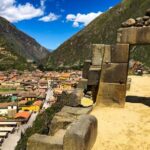
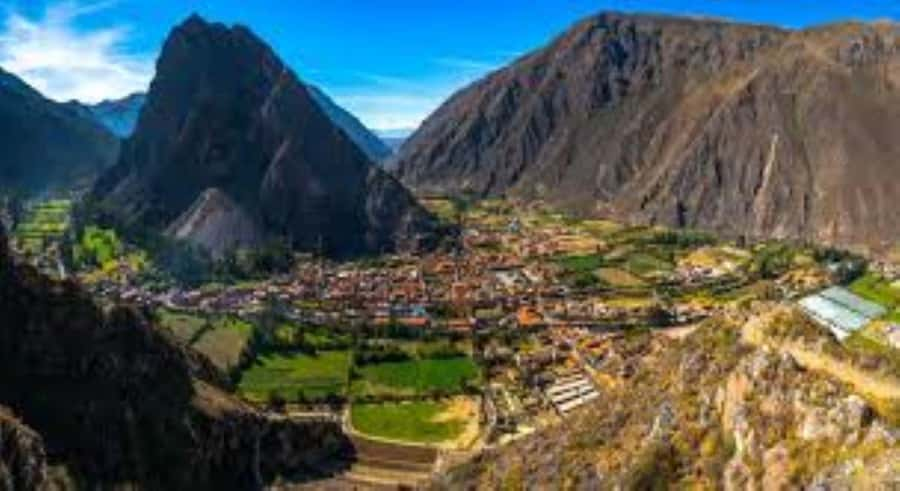
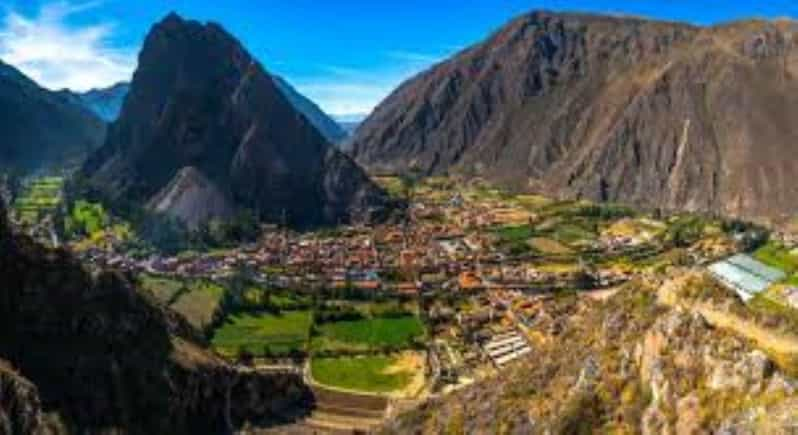
Next you’ll head to Ollantaytambo, known as the last living Inca city. The phrase is used for a reason: you’re not only seeing Inca stonework, you’re moving through a town where daily life still happens around that ancient base.
Even if you’ve read about it, there’s a difference between facts and feeling the layout. Ollantaytambo tends to give you a sense of how the Incas built for people—how stone and streets shape movement—so it’s a good stop if you want more than “a big ruin.”
The potential drawback is pace. By the time you arrive, you’ve already visited multiple sites, so your brain may be in checklist mode. If you want the most out of Ollantaytambo, pick one or two areas to focus on deeply instead of trying to absorb everything at once.
Pisac: market shopping on Intihuatana Hill and the stone details of the park
Pisac comes with two distinct experiences: the town market and the Archaeological Park of Pisac.
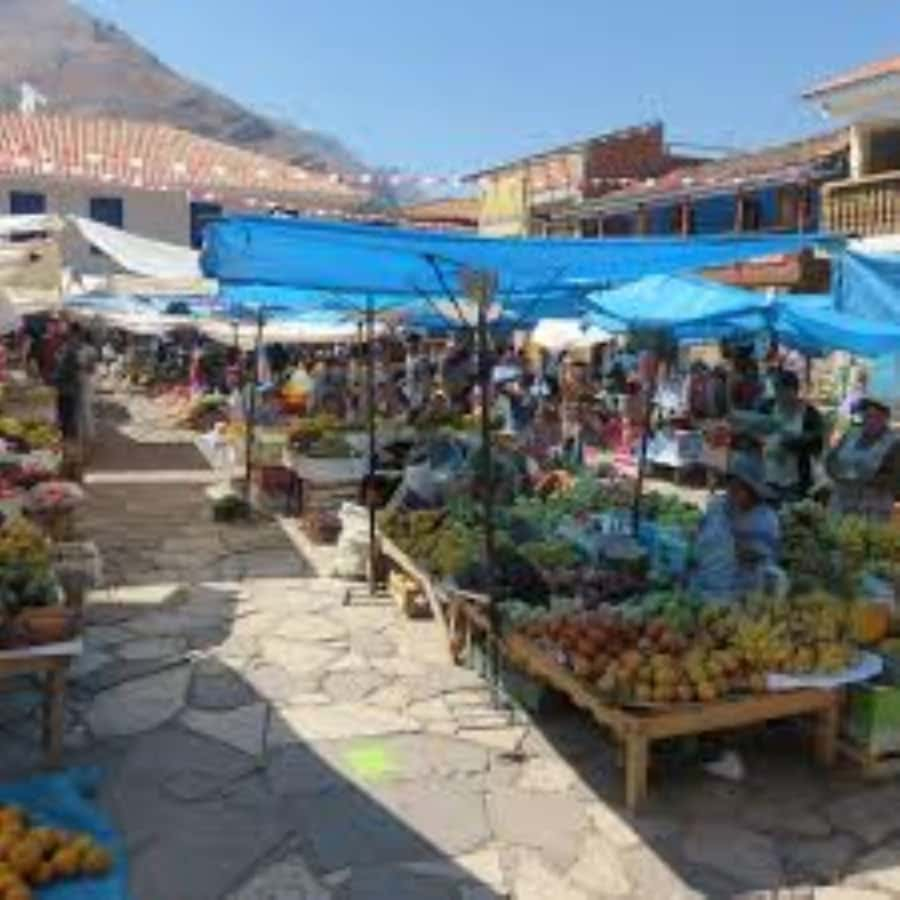
First, you’ll visit the charming town area on the slopes of Intihuatana hill. Then you’ll explore the indigenous market—one of the best moments in the day to shop for handicrafts. This is where the earlier textile center in Chinchero makes sense. Once you’ve seen what’s involved in traditional weaving and production, you’re better at spotting what’s carefully made versus what’s mass-produced.
Then comes the Archaeological Park of Pisac. Here you’re back in stone-and-stairway territory, with finely crafted Inca buildings that reward slow observation. The park gives you a chance to compare with what you saw earlier: terraces at Moray, salt systems at Maras, and now more stone architecture designed to endure.
My practical advice: for Pisac, bring patience for small climbs and photo stops. This is the kind of place where you’ll want to pause for angles, then move again before it gets crowded—or before your legs demand a break.
The route in plain terms: timing, driving time, and how to avoid feeling rushed
This tour runs for 12 hours, starting at 7:00 am and returning to Cusco around 7:00 pm. That structure is ideal for seeing the whole Sacred Valley highlight set in one day. It’s also why this trip feels full: you’re trading some leisure for variety.
Because the group is limited to 10 participants, you can usually expect a guide who can keep track of everyone. That small-group size is a real quality-of-life factor in a day with multiple sites. You’re not fighting the crowd just to hear basic orientation.
One more note from experience: pickup coordination can make or break a morning. If your pickup isn’t perfectly organized, you lose the best light and the calmest start. So I’d confirm pickup details the day before and aim to be ready a bit earlier than you think you need.
Who this tour fits best (and who should look elsewhere)
This Sacred Valley tour is a strong fit if you want a focused introduction to the region’s major sites: Chinchero, Moray, Maras, Ollantaytambo, and Pisac. It’s also a good choice if you travel with someone who likes different types of stops—crafts and markets, agricultural engineering, salt mining history, and Inca town architecture.
It may not be the best fit if you hate early starts or you prefer a slower pace where you can wander without worrying about the next departure. With 12 hours on the clock, you’ll feel the day as movement, not just as sightseeing.
If you’re the kind of traveler who wants your Sacred Valley day to feel like a connected story—from Inca life and engineering to later colonial layers—this itinerary makes that connection easier than picking random stops.
Value check: what you’re really getting for the day
Even without seeing the full price here, the value logic is clear. You’re packing in five major locations plus a lunch stop, with a live guide in Spanish and English. The small group limit (up to 10) is also part of the value equation, because it helps the day feel smoother and more personal.
The only value spoiler is cost surprises at specific entrances. The salt mines fee mismatch you might encounter is the kind of detail that can sour the experience if you’re expecting a lower price. Fix that by carrying some extra Soles and confirming the amount when you arrive, and you’ll protect the day from small annoyances.
Should you book Sacred Valley Vip Cusco?
I’d book it if your priority is seeing the full Sacred Valley highlight circuit in a single day with a live guide and limited group size. It’s especially worthwhile for the combination of Moray’s circular terraces, Maras salt mines, and the dual Pisac experience of market shopping plus the archaeological park.
I’d hesitate only if you hate long days or you’re easily thrown off by pickup timing issues. If your plan is flexible and you’re comfortable doing a full 7:00 am to 7:00 pm loop, this is one of the most efficient ways to cover the big names without turning your vacation into a logistics test.
FAQ
What places are included in the Sacred Valley tour?
You’ll visit Chinchero, Moray, Maras Salt Mines, Ollantaytambo, and Pisac.
How long is the Sacred Valley tour?
The duration is 12 hours.
What time does the tour start and when do you get back?
It starts at 7:00 am and you return to Cusco around 7:00 pm.
Is there a live guide, and what languages are offered?
Yes. The tour includes a live tour guide who speaks Spanish and English.
How big is the group?
The group is small, limited to 10 participants.
Is free cancellation available?
Yes. You can cancel up to 24 hours in advance for a full refund.