REVIEW · TOKYO
Mt Fuji and Kawaguchiko Private Tour
Book on Viator →Operated by Venture · Bookable on Viator
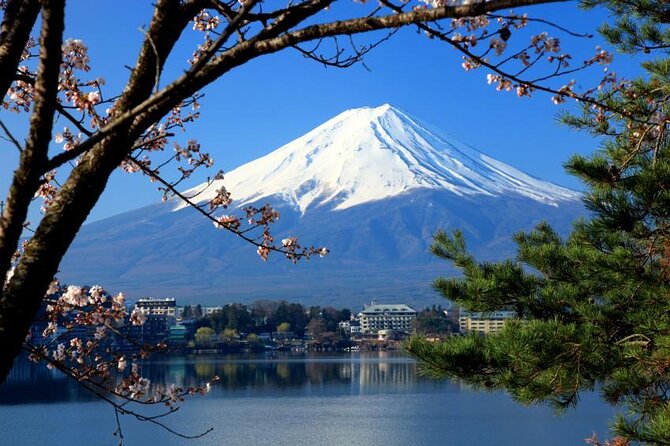
Mt. Fuji is easier this way. This private day trip gives you hotel pickup and an English-speaking guide, so you lose less time fighting trains and more time at the views. One catch: Fuji is weather-dependent, and the 5th Station may be limited or swapped out in winter.
The best part is how the day is built around key places without turning into a frantic schedule. You get a sacred stop at the base of the mountain, time at higher ground (when open), and a calmer cultural break around Oshino Hakkai before ending near Lake Kawaguchiko with a choice of activities.
If you dislike early starts, lots of stairs, or walking with layers of clothing, plan carefully. But if you want a full Fuji-focused day with minimal hassle, this format is a strong fit.
In This Review
- Key takeaways before you go
- A 7:00 am private ride out of Tokyo: less stress, more Fuji time
- Arakura Fuji Sengen Shrine: the pagoda view and shrine etiquette
- Mt. Fuji 5th Station at about 2,300 meters: what you can realistically expect
- Oshino Hakkai’s ponds and thatched farmhouses: a calm cultural break
- Lake Kawaguchiko options: ropeway views, art museum time, or Ide sake
- Lunch at a local restaurant: included energy for a full day
- How the private format helps with pacing and shrine moments
- Cost and value: does $846.98 per person make sense?
- Who should book this private Mt. Fuji day (and who should reconsider)
- Should you book this Mt. Fuji and Kawaguchiko Private Tour?
- FAQ
- What time does the tour start?
- How long is the Mt. Fuji and Kawaguchiko private tour?
- Is hotel pickup and drop-off included?
- Is lunch included?
- What language is the guide?
- Does the tour include admission to Mt. Fuji’s 5th Station?
- What if Mt. Fuji’s 5th Station is closed or access is limited due to weather?
- Is there a dress code for the shrine stops?
- How much walking should I expect?
- What can I choose at Lake Kawaguchiko?
Key takeaways before you go
- Private, air-conditioned pickup: you start from your hotel and return the same way, which matters on a 10-hour day.
- Sengen Shrine first: you’ll learn about pilgrimage traditions tied to Mt. Fuji right at the foot of the mountain.
- 5th Station depends on conditions: you’ll go as high as allowed, and in winter the plan shifts to alternatives.
- Oshino Hakkai is a pressure-release: spring ponds and thatched-roof buildings give you a slower, scenic reset.
- One choice at Lake Kawaguchiko: ropeway, art museum, or a sake brewery—pick based on your mood.
A 7:00 am private ride out of Tokyo: less stress, more Fuji time
You start early, with pickup around 7:00 am. That is not just for convenience. With Mt. Fuji, the day you go can be the day the mountain decides to show itself. Leaving Tokyo in the morning gives you the best shot at clearer skies and helps you avoid the busiest traffic windows.
I like the private-vehicle setup because it cuts the most annoying parts of the trip: transfers, schedules, and figuring out where you’re going in a moving line of people. You also travel with an English-speaking guide, which is a real value on a day that includes shrines, altitude viewpoints, and small local details you might otherwise miss.
This is also a “your group only” tour, so you’re not competing with strangers for timing or photo spots. That matters when you’re trying to get the pagoda shot at Arakura Fuji Sengen Shrine or settle in at a high lookout point with your camera (and your hands not freezing).
The only drawback I’d flag upfront is that a 10-hour day is a commitment. You will be on your feet some, and you’ll need a jacket that can handle cold mornings, even if Tokyo feels mild.
You can also read our reviews of more tours and experiences in Tokyo.
Arakura Fuji Sengen Shrine: the pagoda view and shrine etiquette
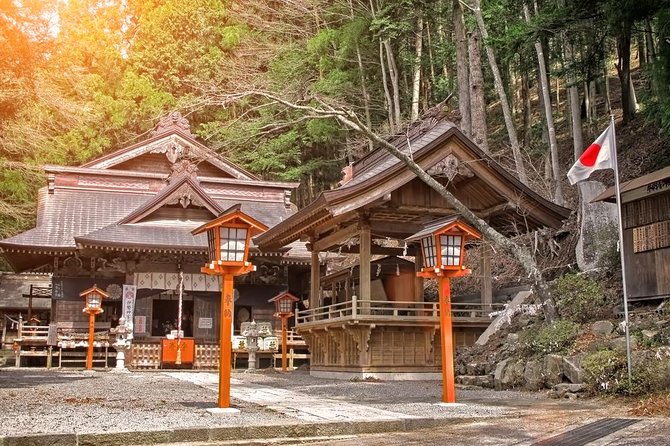
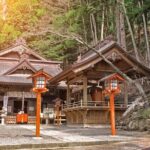
Your day begins at Arakura Fuji Sengen Shrine, one of the best-known places for iconic views toward Mt. Fuji. The big photo moment here is the pagoda-style scenery set against the mountain. Even when the weather is only partly cooperative, this stop still feels meaningful because it’s not just about the view—it’s about the place.
This is also where you’ll get context that makes the later stops click. The shrine is tied to pilgrimage traditions up the mountain, so your guide can connect what you’re seeing today with why people have visited these sites for generations. It’s the kind of background that turns photos into something more personal.
Plan for shrine manners. You’ll want moderate clothing that covers knees and shoulders. If you show up in shorts or a strap dress, you may need to adjust quickly, and you don’t want that scramble to steal time when you’re supposed to be looking up at Fuji.
This stop lasts about an hour, which is a good balance: enough time for photos, but not so long that you lose momentum for the altitude viewpoint that comes next.
Mt. Fuji 5th Station at about 2,300 meters: what you can realistically expect
Next comes the part most people daydream about: Mt. Fuji’s 5th Station. This point sits at roughly 2,300 meters (about 7,546 feet), and it’s a common starting point for climbers. The air is thinner, the weather can change fast, and the views can feel dramatic in a way that ground-level photo angles can’t replicate.
But here’s the practical truth: the higher you go, the more the mountain controls the plan. Access can be unavailable depending on weather conditions, and the tour will ascend only to the highest allowed point. In winter (mid-December to late April), the 5th Station is closed due to snow, and the itinerary shifts to alternatives such as the Fuji Panorama Ropeway.
You should also expect that visibility can be hit-or-miss. If it’s cold and overcast, you may still catch a partial view from lower points. I’d pack for this reality: layers you can add or remove, and a jacket you’re comfortable wearing for standing around at altitude while you wait for a break in the clouds.
The upside is that this stop is where the day feels most like Mt. Fuji. Even a partial sighting can reset your whole perspective on the mountain—its shape, scale, and volcanic presence become more than a postcard.
Oshino Hakkai’s ponds and thatched farmhouses: a calm cultural break
After altitude comes a more relaxed rhythm at Oshino Hakkai. This area is known for spring-water ponds and traditional buildings with thatched roofs. It’s a great counterbalance to the earlier shrine and the high lookout—less wind, more room to wander slowly.
Time here is about 30 minutes, so don’t plan on doing a long, wandering photo project with every angle you can imagine. Instead, focus on the basics: the ponds, the surrounding village feel, and the small texture of the traditional farmhouses. The water itself is one of the main reasons this stop exists on a Fuji day, so when you’re there, take a moment to just look at the stillness.
Admission is free at Oshino Hakkai, which is a nice bonus in a day where some costs are bundled into the tour price. Shoes matter here. You’ll want comfortable walking footwear because even short stops in Japan often include uneven ground, steps, and quick changes in terrain.
Lake Kawaguchiko options: ropeway views, art museum time, or Ide sake
You’ll descend toward Lake Kawaguchiko, where the vibe shifts from mountain-focus to lakeside scenery and local attractions. This is also where the tour gives you a choice, and that flexibility is worth paying attention to.
You can choose one inclusion for about an hour:
- Fuji Panoramic Ropeway
- Ichibu Kubota Art Museum
- Ide Sake Brewery
If your main goal is straightforward views, the ropeway option fits. If you want a break from outdoor cold or you’d rather slow down with indoor time, the art museum can be a good hedge. If you’re curious about local flavors and want something distinctly regional, the sake brewery option gives you a cultural angle beyond the scenery.
One practical note: you’ll need to tell the operator ahead of time which option you want. If you don’t, you might end up with a less ideal compromise on the day.
This stop is also where you’ll start thinking about how tired you’ll be later. It’s a good time to refuel mentally: look, choose a few photos you genuinely care about, and don’t try to do everything at once. You’ll still have plenty of driving time back to Tokyo.



Lunch at a local restaurant: included energy for a full day
Lunch is included, which is a big deal on a day like this. A private Mt. Fuji day can easily turn into a schedule of snack stops and overpriced meals if lunch isn’t built in. Here, you get a proper meal at a local restaurant, and that keeps the day from turning into a logistics puzzle.
Just remember that the tour data says food and drinks beyond lunch are not included unless specified. That means you’ll want to budget a little for water or drinks, especially in cold weather when you feel less thirsty but still get dehydrated.
Dietary needs aren’t covered in the provided details, so if you have restrictions, it’s smart to check ahead. A calm lunch is often what separates a great day trip from a cranky one.
How the private format helps with pacing and shrine moments
What makes a private guide more than just translation is the way the day can flex around you. You’re not dealing with a large group’s pacing rules, so stops can feel more human: less waiting, more choosing where you want to stand for photos, and more chances to ask questions.
This is also where shrine moments can become personal. The shrine visits can include interaction with priests, and some guests have described asking for blessings during their time at the Sengen Shrine. That kind of moment is meaningful, but it also depends on what ceremony-style participation is possible that day and how guidance is explained in advance.
One thing I’d do in your shoes: if you care about a particular type of blessing or ceremony, be clear about what you want. Keep expectations grounded. A priest might offer a set ceremony rather than an arrangement that feels like a one-on-one private prayer. Your guide can help you understand what’s available in that moment.
Finally, private pacing helps when weather turns. When Fuji is hidden, the guide’s patience and planning make a difference—waiting for a brief opening or adjusting photo locations so you still leave with something worth remembering.
Cost and value: does $846.98 per person make sense?
Yes, it can. But only if the structure matches what you need.
At $846.98 per person for about 10 hours, you’re paying for:
- Hotel pickup and drop-off in a private vehicle
- An English-speaking guide
- Lunch at a local restaurant
- Admission or inclusions tied to key stops (with some free stops mixed in)
- A private format that keeps your group separate
If you’re traveling with family, with someone who finds train stations stressful, or with any group that wants a true day-trip experience without extra planning, the price starts to look reasonable. You’re buying time and stress reduction, not just transportation.
If you’re the type who loves independent travel, cheap buses, and long train rides, you could do this cheaper on your own. But you’ll also trade away the parts that make a day trip feel smooth: door-to-door logistics, a guide who can interpret what you’re seeing, and a schedule designed around Fuji’s timing.
One more value check: this tour requires a minimum of two passengers per booking. If you’re a couple, you’re in a sweet spot. If you’re solo, confirm whether it’s still priced in a way that works for you or if you’d be paying a higher effective per-person cost.
Who should book this private Mt. Fuji day (and who should reconsider)
Book it if:
- You want to see the big Fuji highlights without mastering transit planning
- You prefer a guide for context at shrines and viewpoints
- You’d like a flexible day that can adjust when weather affects access
- You value a private day with hotel pickup and drop-off
You might reconsider if:
- You get uncomfortable with moderate walking and cold conditions
- You want lots of free, unstructured time (this is a packed, guided day)
- You’re hoping for guarantees of a perfect Fuji skyline shot
- Your group has very specific needs that aren’t mentioned in the tour details (double-check first)
The moderate walking note matters. Wear comfortable shoes and plan for a day where you may stand around for views, then move again quickly between stops.
Should you book this Mt. Fuji and Kawaguchiko Private Tour?
If you want an organized, Fuji-focused day without the public-transport hassle, I think this is an excellent choice. The private pickup and English-speaking guide are the kind of “small” things that add up fast on a long day. Add in lunch, the shrine start at Arakura Fuji Sengen Shrine, and a realistic plan for Mt. Fuji’s 5th Station depending on weather, and you get a tour that feels designed for visitors who don’t want friction.
My advice: treat Fuji as a variable, not a promise. Go in with layers, keep expectations flexible, and lean into the experience beyond one single perfect sighting. If you do that, this day has enough variety—shrine views, high-altitude air, spring ponds, and lakeside options—to feel worth it even when the mountain is shy.
FAQ
What time does the tour start?
The tour starts at 7:00 am.
How long is the Mt. Fuji and Kawaguchiko private tour?
It runs about 10 hours.
Is hotel pickup and drop-off included?
Yes, hotel pickup and drop-off are included.
Is lunch included?
Yes, lunch at a local restaurant is included.
What language is the guide?
The tour includes an English-speaking guide.
Does the tour include admission to Mt. Fuji’s 5th Station?
Yes, admission at the 5th station is included when it’s visited.
What if Mt. Fuji’s 5th Station is closed or access is limited due to weather?
Access may be unavailable depending on conditions, and the tour will ascend to the highest point allowed. Also, Mt. Fuji’s 5th station is closed from mid-December to late April, and the itinerary changes to alternative options such as the Fuji Panorama Ropeway.
Is there a dress code for the shrine stops?
Yes. Moderate clothing is recommended, and knees and shoulders must be covered for entry to temples and shrines.
How much walking should I expect?
A moderate amount of walking is involved, so comfortable walking shoes are recommended.
What can I choose at Lake Kawaguchiko?
You can choose one option for about an hour: Fuji Panoramic Ropeway, Ichibu Kubota Art Museum, or Ide Sake Brewery. You should inform the provider ahead of time which one you want.