REVIEW · TOKYO
Tokyo: Exclusive Access to Sumo Morning Practice with Photos
Book on GetYourGuide →Operated by MagicalTrip · Bookable on GetYourGuide
Sumo practice is louder than you expect. I love the close-up access to a real sumo stable session, and I also love how your English guide turns rituals into clear, usable knowledge. One thing to plan for: you’ll sit on tatami with no chairs, so comfort matters.
This tour feels deliberately un-touristy thanks to a small group capped at 10. You’ll also get a photoshoot with the wrestlers at the end, though photography rules can vary by stable.
In This Review
- Key Things You’ll Notice
- Why Sumo Training Feels Different Than a Stadium Match
- Arriving at Oshiage: The Meeting Point That Gets You Oriented Fast
- Inside the Stable: What Morning Practice Looks Like Up Close
- Your Guide’s Explanations: How Sumo Culture Becomes Understandable
- The Photoshoot Moment: Meeting the Wrestlers at the End
- Price and Value: Is $96 Fair for Two Hours?
- Comfort, Rules, and Practical Expectations
- Who Should Book This Sumo Morning Practice?
- Should You Book This Sumo Morning Session?
- FAQ
- Where do I meet the guide in Tokyo?
- How big is the group?
- How long is the tour, and do late arrivals work?
- What seating should I expect?
- Is the tour suitable for kids?
- Will I be able to take photos with the wrestlers?
- Are there restrooms during the tour, and what if practice is canceled?
Key Things You’ll Notice
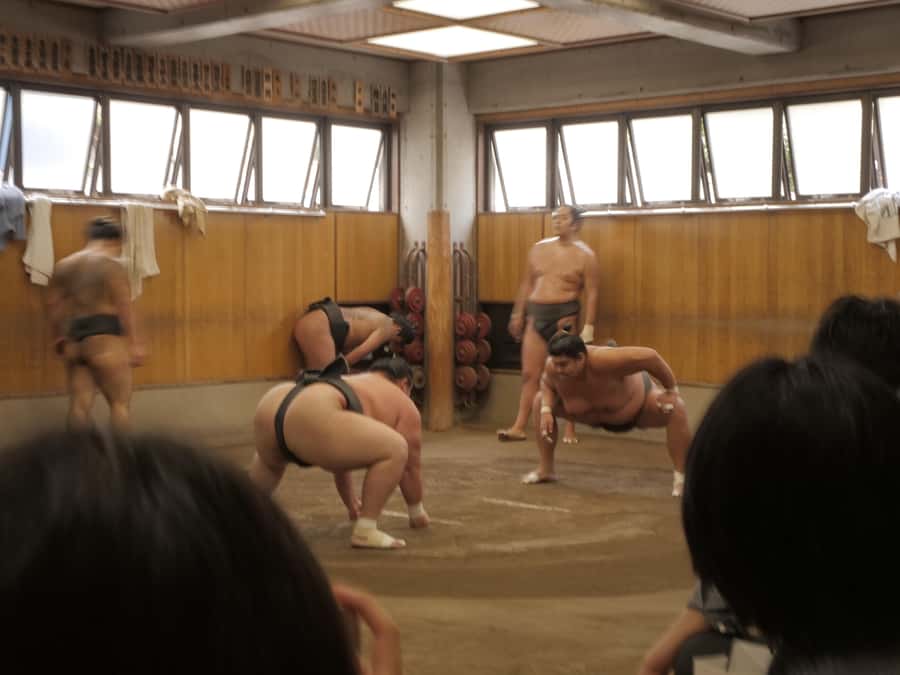
- You watch warm-ups and drills from very close range instead of hunting for stadium seats
- Tatami seating puts you at floor level with a real training atmosphere
- Your guide explains rules, diet, and day-to-day training with easy visual aids
- Small group size keeps the experience calm and interactive
- A photoshoot at the end is included, but photo access may be limited
Why Sumo Training Feels Different Than a Stadium Match
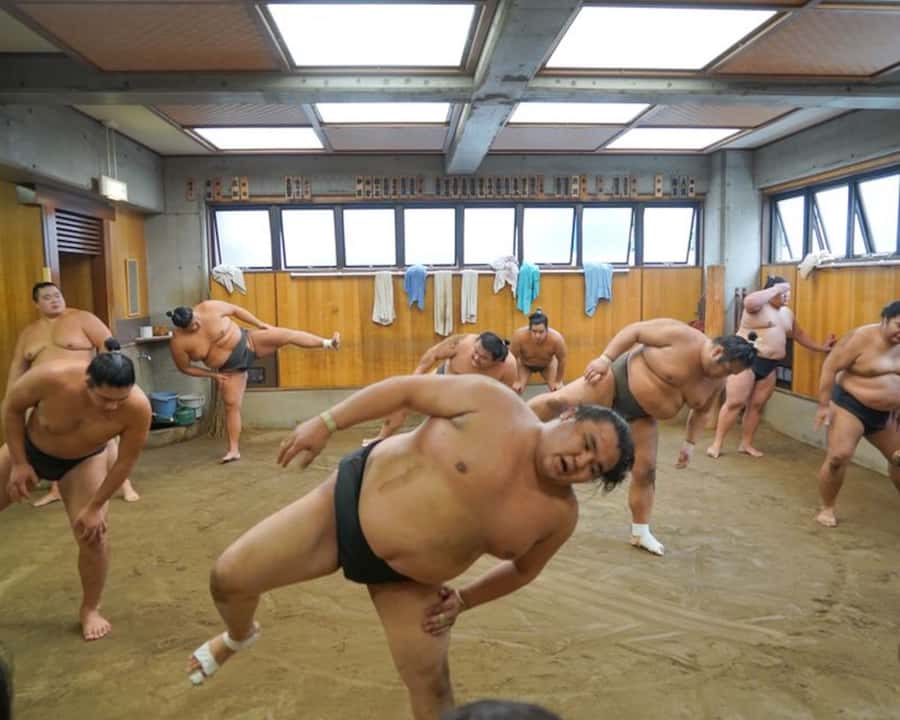
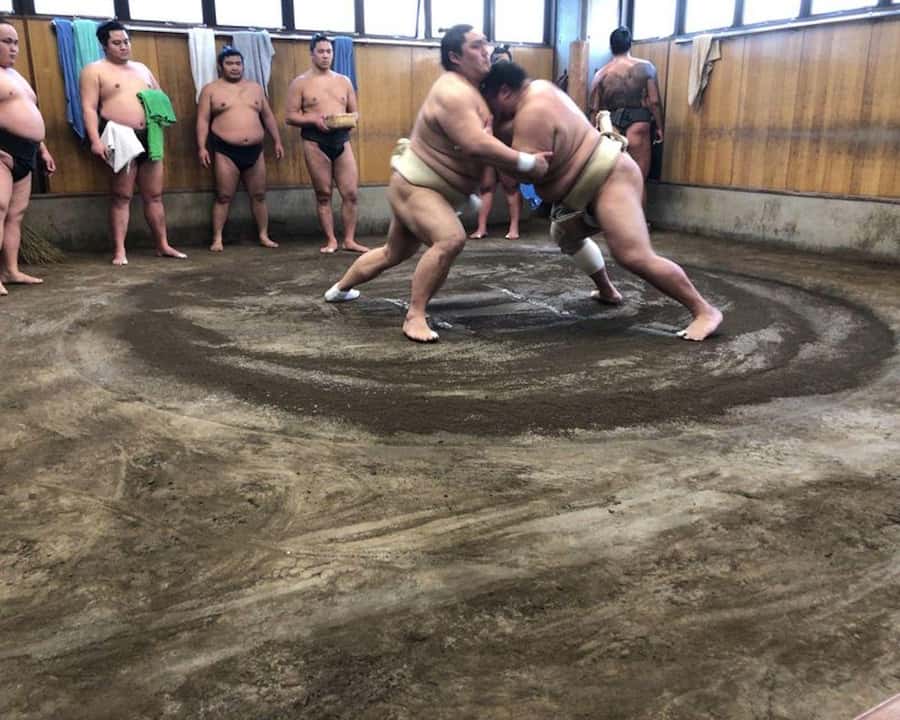
If your only sumo exposure is what you see in a stadium, you may be surprised by what matters during practice. In a venue, the main event is the bout. Here, the focus is preparation: the discipline, the rhythm, the repeated drills, and the small rituals that make sumo feel like a full-body lifestyle instead of a single spectacle.
I like that this experience emphasizes proximity. You’re not stuck in the back row hoping your view clears someone’s head. You get a close distance to the wrestlers as they work, so you can actually appreciate just how big they are when they move. It’s hard to explain until you see it in person.
Also, practice is often a quieter kind of intense. You can feel the competitive edge without the crowd volume of a match day. That changes how you understand sumo. You start seeing it as training first, show second.
You can also read our reviews of more tours and experiences in Tokyo.


Arriving at Oshiage: The Meeting Point That Gets You Oriented Fast
The meeting spot is in Oshiage, right by the taxi area at Oshiage Station. Look for the ground-level meeting point in front of Exit B3, near the taxi stand. Your guide will be holding a red/orange sign that says MagicalTrip.
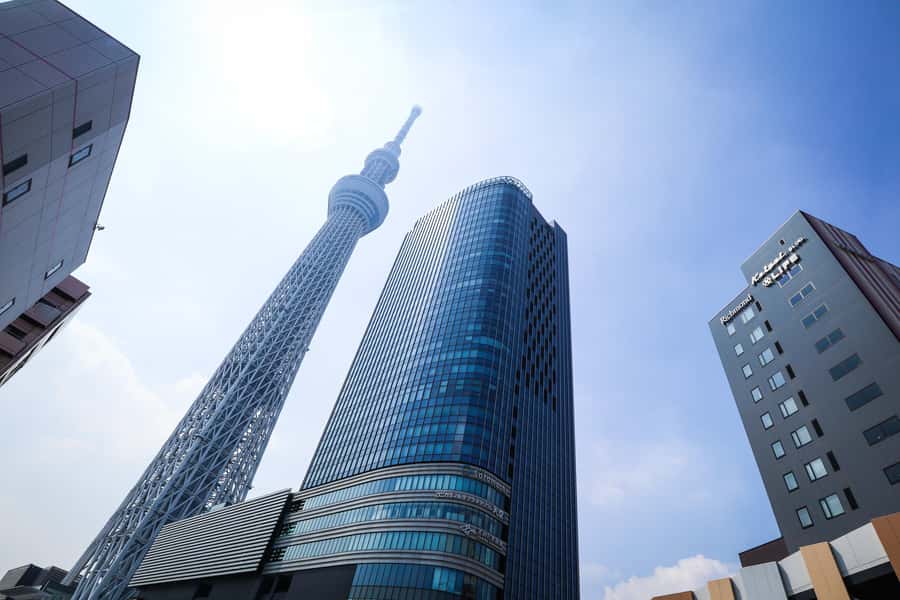
One practical perk: the area is easy to orient yourself in. From the meeting point, you can see Tokyo Skytree and nearby big recognizable signs like Uniqlo, LIFE, and Sizzler. That makes it less stressful to get there, especially if you’re using transit and you’re slightly early.
One more important detail: the tour starts on time. If you’re late, you can’t join or reschedule. So I’d treat it like a train departure, not a casual meet-up.
Inside the Stable: What Morning Practice Looks Like Up Close
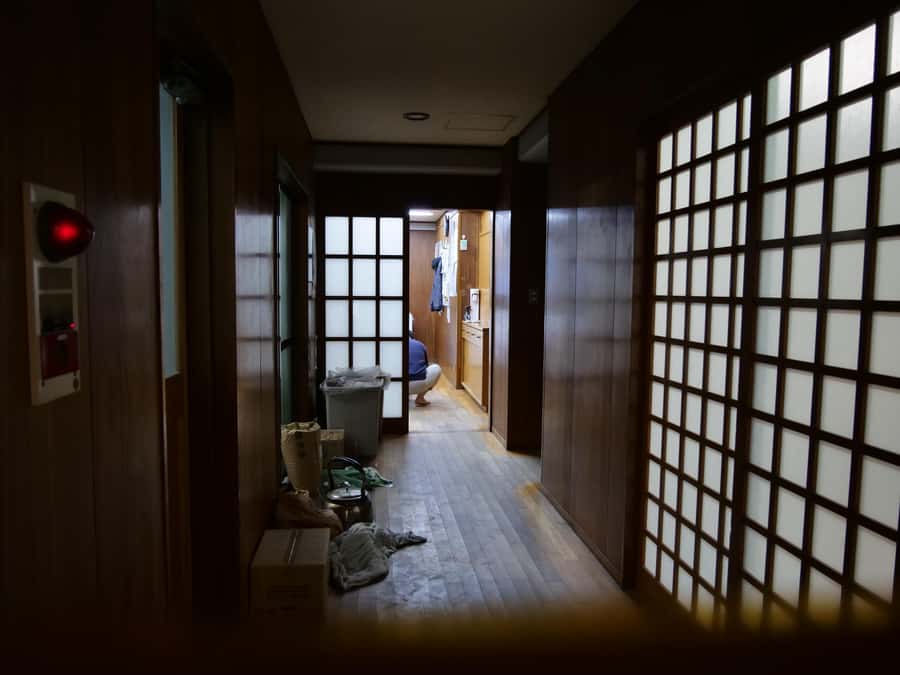
Once you enter the stable, the whole experience shifts from street Tokyo to old-world routine. You’ll sit on tatami, and there are no chairs. That means your legs will be in the same position the entire time, so I suggest wearing comfortable clothing and mentally preparing for some temporary numbness in your lower body.
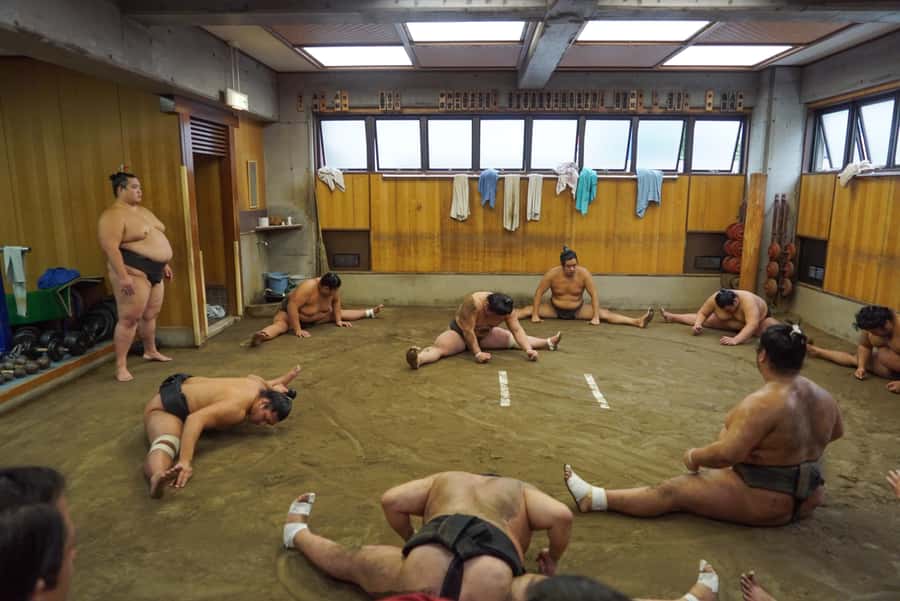
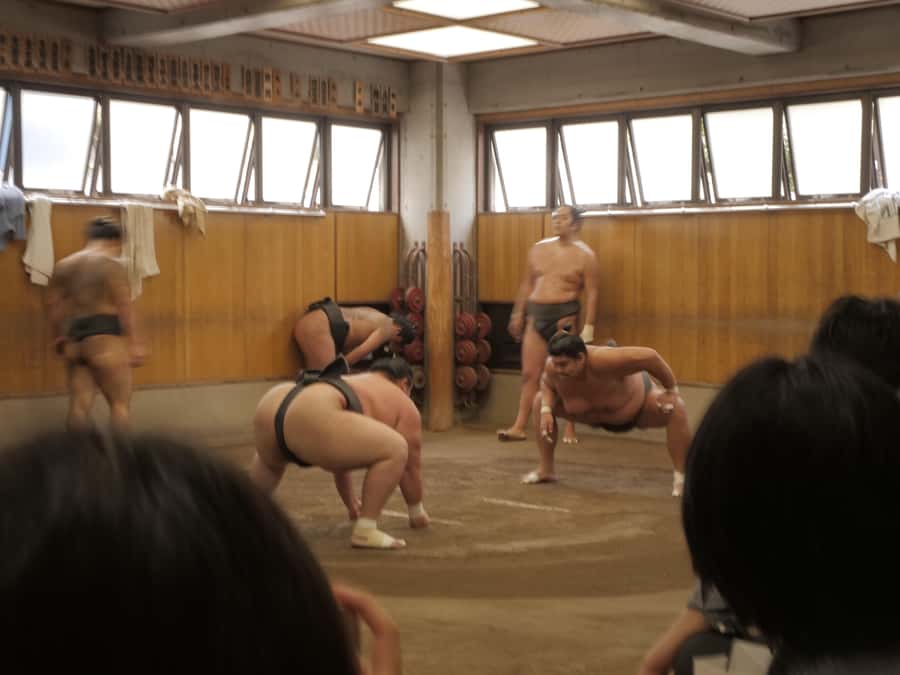
From there, the training is right in front of you. Expect an inside look at how a traditional sumo stable operates during the morning session. Depending on the day and conditions, the session may run as expected, or it might be canceled or shortened without notice.
A key point: stable rules matter. You may be asked to stay in designated areas, and entering restricted zones can get you removed without a refund. I recommend you treat the space like a workplace—quiet, respectful, and ready to follow directions immediately.
Also, seating can be managed in a way that splits your group. Seating may be first-come, first-served, so arriving on time isn’t just about not missing the tour—it can affect how comfortably you can see.
Your Guide’s Explanations: How Sumo Culture Becomes Understandable
The biggest difference between this and a passive viewing is the guided context. You’ll have a live English tour guide who walks you through what you’re seeing and what it means.
Good practical learning usually happens in two phases: before the training starts and after. Beforehand, your guide prepares you so you know what terms to listen for and what cues to notice. During the session, you’re not just watching large athletes move around—you’re learning the structure behind it.
You’ll also get specifics about things like sumo rules and the wrestlers’ diet. That matters because sumo isn’t only about strength. It’s also about routines and body management, and diet is part of the training engine.
I especially like that the learning isn’t heavy textbook stuff. You may get visual cards and quizzes as part of the experience. It keeps the morning engaging when you’re sitting on the floor and watching for extended stretches.
And the guide really can shape the vibe. In different groups, I’ve seen English-speaking guides like Marie, Max, Ken Take, and Kazu mentioned for answering questions confidently and without hesitation. If you like asking questions, this is the kind of tour where your curiosity actually gets a response.
The Photoshoot Moment: Meeting the Wrestlers at the End
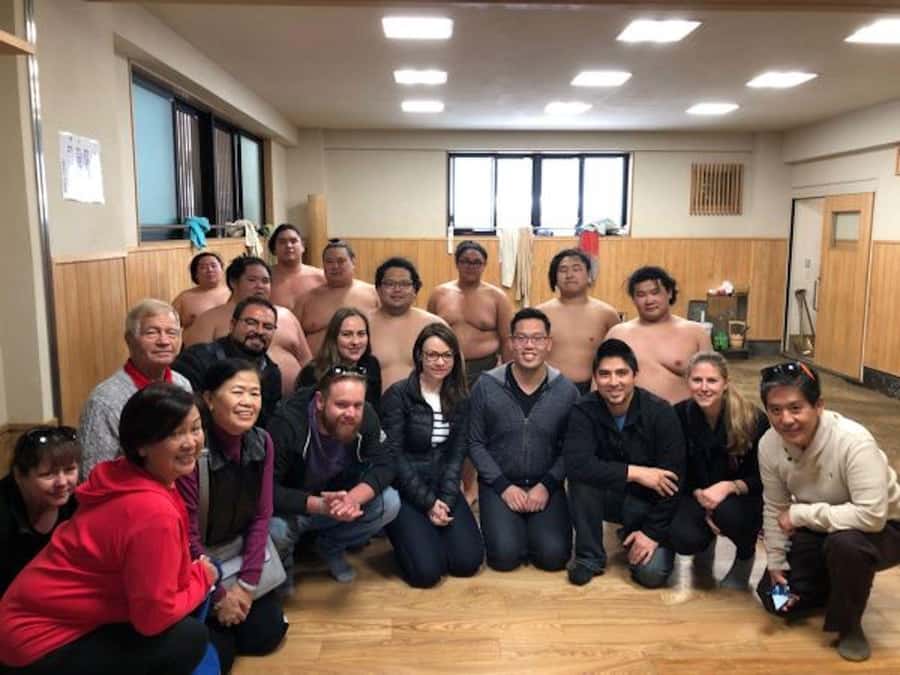
One of the tour’s most tangible payoffs is the photoshoot at the end. It’s included, and it gives you a clear memory of the experience rather than just a fuzzy video you took while sitting cross-legged.
That said, photo rules can change based on the stable’s policies. Photography may be limited depending on the stable. The tour also includes a chance to meet the wrestlers or take photos with them, but the exact access you get can depend on what’s happening that day.
So here’s my straightforward advice: treat photos like a bonus, not an entitlement. Be ready to follow instructions quickly, and if you can get close enough for pictures, great. If not, you’ll still have the training view, which is the real heart of the value.
In cases where a photoshoot includes the coach or team dynamic, it can feel more like a shared moment than a quick pose. That’s the part that sticks for a lot of people.



Price and Value: Is $96 Fair for Two Hours?
Let’s talk money in plain terms. At $96 per person for a two-hour experience, this isn’t the cheapest way to see sumo in Tokyo. The price makes sense only if the “close access + guide + included photoshoot” package is what you want.
What you’re paying for:
- Smoother entry to the practice (including a sumo morning practice ticket and skipping ticket line)
- A local English guide who translates culture and rules while you watch
- Small group format (limited to 10 participants)
- Photoshoot with the wrestlers at the end
- A Magical Trip Original Sumo Guidebook plus extra sumo info material
If the training session ends up being shorter than expected on that particular morning, it can feel expensive for the time you spent watching. People have noted instances where practice lasted less than an hour. On the other hand, if the practice is canceled, you should receive a full refund.
My take: this tour is a good value when you’re the type who likes understanding what you’re seeing, not just taking a video. If you’re already planning to add sumo to your trip anyway, the guided context plus the proximity is what turns the session into more than a quick photo stop.
Comfort, Rules, and Practical Expectations
This is a very specific kind of experience, and a few practical details can make or break your comfort.
First: no chairs. You’ll sit on tatami. If your knees hate that setup, plan for it. Some stables may not be wheelchair or stroller accessible, so if you have mobility needs, you’ll want to check what’s possible ahead of time.
Second: no restrooms during the tour. Go before you meet up.
Third: don’t assume you can quietly dip out and return. Early exits are allowed, but re-entry is not.
Fourth: disruptive behavior or entering restricted areas can lead to removal without refund. So keep your voice low, stay where you’re told, and be ready for staff directions.
Finally, dress for the weather. The tour doesn’t mention an extra fee for clothing changes, so layer up like a normal Tokyo morning—especially if you’re meeting near the station and then moving around.
Who Should Book This Sumo Morning Practice?
This tour is best for you if:
- You want a real stable experience rather than only seeing sumo on a stadium day
- You enjoy cultural context and will actually use a guide to learn rules and traditions
- You like smaller-group settings where you can ask questions
- You want included photos with the wrestlers at the end
This tour is not a great fit if:
- You’re traveling with children under 12 (the tour is for ages 12 and over)
- You need chairs or easy restroom access during the activity
- You’re the kind of person who gets stressed by strict rules in a working space
One more “yes, but” note: practice can be canceled or shortened without notice. If you’re the type who hates uncertainty, keep a flexible morning mindset.
Should You Book This Sumo Morning Session?
Book it if you want sumo up close, with real explanations, and you value the intimacy of a small group. The close viewing, the English guide, and the included photoshoot are the core reasons this works.
Skip it if you’re mostly chasing a casual sightseeing moment and you can’t handle tatami seating. Also skip if you must have guaranteed, long practice time; the session can change.
If you’re excited by tradition, curious about how training works, and okay with a slightly uncomfortable floor seat for a memorable morning, this is one of the more meaningful sumo experiences you can add in Tokyo.
FAQ
Where do I meet the guide in Tokyo?
Meet in front of the Oshiage Taxi stop on the ground in front of Exit B3 at Oshiage Station. The guide will be holding a red/orange sign that says MagicalTrip. From the meeting spot, you can see Skytree and nearby signs like Uniqlo, LIFE, and Sizzler.
How big is the group?
The group is limited to 10 participants.
How long is the tour, and do late arrivals work?
The tour duration is 2 hours. It starts on time, and late arrivals cannot join or reschedule.
What seating should I expect?
You sit on tatami, and no chairs are provided.
Is the tour suitable for kids?
It’s for guests aged 12 and over. Children under 12 cannot join and will be denied entry without refund.
Will I be able to take photos with the wrestlers?
A photoshoot with sumo wrestlers at the end is included. However, photography may be limited depending on the stable.
Are there restrooms during the tour, and what if practice is canceled?
There are no restrooms during the tour, so go beforehand. If practice is canceled, you’ll receive a full refund.