REVIEW · MARRAKECH
Private VIP Shopping Tour: authentic visit with a licensed guide
Book on Viator →Operated by Chez Ali Marrakech · Bookable on Viator
A medina tour is chaos on purpose. This one turns that chaos into something you can actually enjoy, with a licensed guide who knows how to move through Marrakech’s souks and sights without the nonstop hassle. You get a private setup plus a clear plan through the old town around Jemaa el-Fnaa and the markets.
Two things I really like: the chance to see the medina’s everyday craft life up close, from handmade slippers to wood, glass, iron, and spices, and the way the tour builds in a calm break with authentic Moroccan mint tea. I also like that the time feels controlled, not dragged out, so you can spend your energy shopping where you care and skipping what you don’t. One thing to consider: if your guide’s route includes multiple shops, you may feel some shopping pressure, so go in with a clear budget and a polite no-ready attitude.
In This Review
- Key highlights that make this tour worth it
- Why a private guide is the secret weapon in Marrakech’s medina
- Meeting point at Koutoubia: how the start sets the tone
- Jemaa el-Fnaa: acrobats, snake charmers, and the craft heartbeat
- Souk Semmarine: jewelry shopping with a clear target
- Rahba Kedima Square: raffia baskets and straw craft
- Souk Laksour: grand bazaars and antiques-style browsing
- More than shops: Koutoubia Mosque, Bahia Palace, and Le Jardin Secret
- Shopping smart: how to avoid getting steamrolled
- Mint tea pauses and pacing in 4 to 5 hours
- Price and value: what you’re really paying for
- Who this Marrakech tour is best for
- Should you book this private VIP shopping tour?
- FAQ
- How long is the private VIP shopping tour in Marrakech?
- Where does the tour start and end?
- Is pickup available?
- What’s included in the tour?
- Are entrance fees included?
- What if weather is poor—can I cancel?
Key highlights that make this tour worth it
- Private VIP format with only your group, so you can ask questions and move at your pace
- Licensed guide + real local focus, including practical history and culture context while you walk
- Targeted souk stops for specific shopping types, especially silver and jewelry
- Jemaa el-Fnaa immersion without feeling swallowed by the crowd
- Mint tea included, giving you a needed pause in the middle of the medina maze
- Free entry for the public-market stops (but paid sites may cost extra)
Why a private guide is the secret weapon in Marrakech’s medina
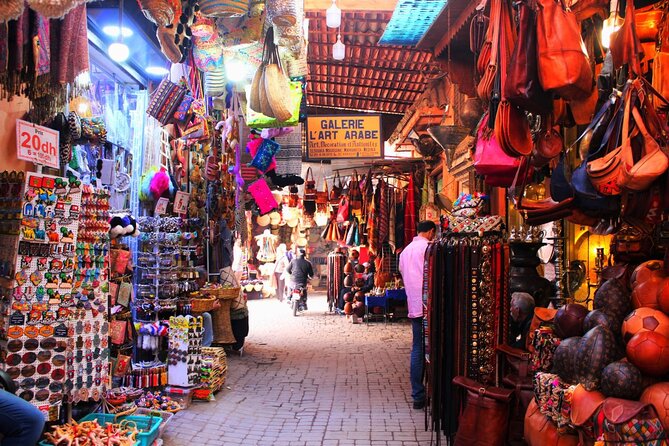
Marrakech’s medina can feel like a living puzzle. Streets bend, alleys squeeze, and the noise keeps coming. With a private guide, you’re not just walking—you’re navigating.
I like tours where you’re not constantly negotiating for basic things: directions, explanations, and a route that makes sense. Here, your guide acts like a buffer between you and the touty “come-here” energy. You also get cultural context while you go, not a lecture after the fact.
Another win is that your guide can tailor the walk to what you actually want to see and buy. If you care about spices and oils, you’ll get pointed in that direction. If you want craft items—like slippers, wood or metalwork—you’ll have a path for that too. The tour helps you shop with your eyes open.
You can also read our reviews of more tours and experiences in Marrakech.



Meeting point at Koutoubia: how the start sets the tone
The tour centers around the Koutoubia area (meeting at Koutoubia, Marrakesh 40000, Morocco) and ends back where you started. If you choose hotel pickup and drop-off, the experience includes it, which can be a relief if you’re staying a bit off the main routes.
This start matters because the medina is easiest to enjoy when you’re not scrambling right at the beginning. You can go straight into the walk with a plan. If you’ve ever been dropped near a souk and told good luck, you’ll appreciate the structure here.
Also, the tour uses a mobile ticket, which is handy once you’re already juggling phones, water, and maps. And it’s set up for “most travelers,” meaning it’s not described as too intense or technical—just lots of walking in old-town lanes.
Jemaa el-Fnaa: acrobats, snake charmers, and the craft heartbeat
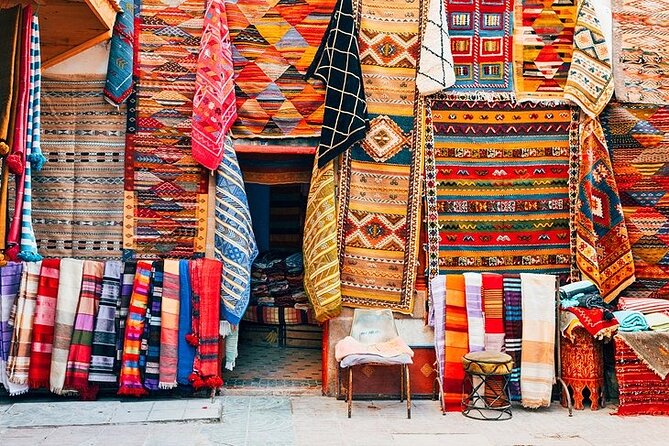
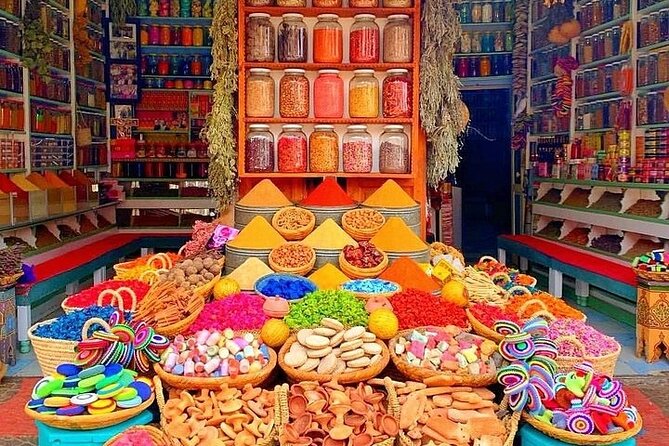
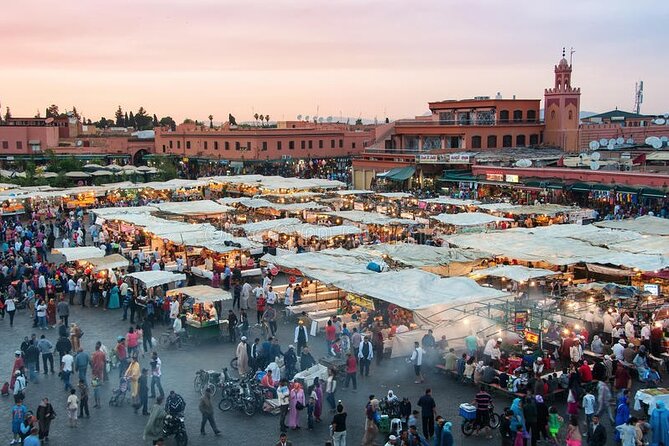
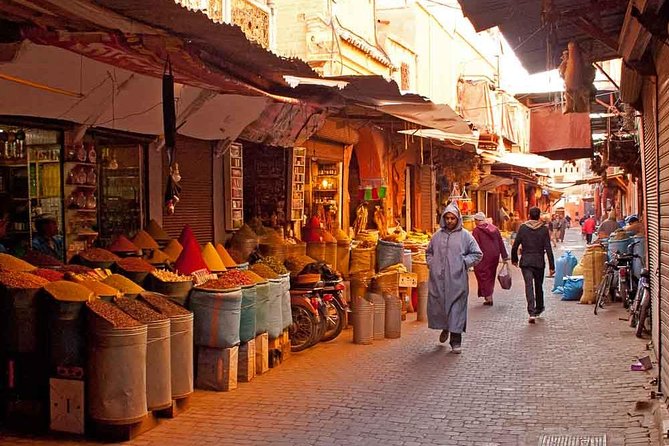
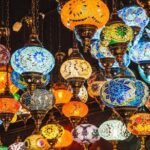
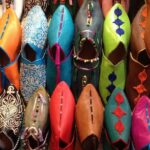
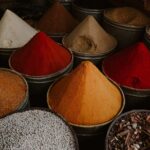
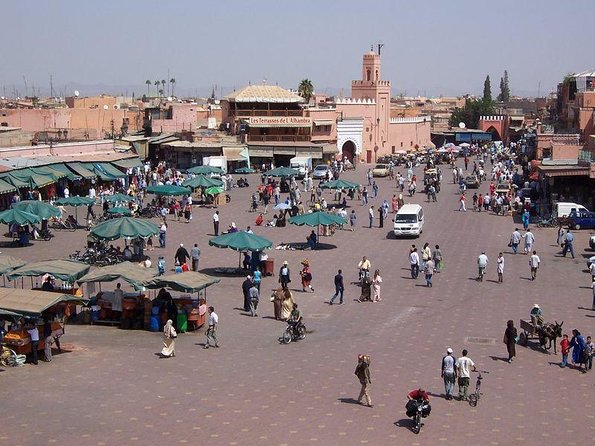
Your first stop is Jemaa el-Fnaa, the famous old-medina square that’s part theater, part marketplace, part street-life stage. This is where you feel Marrakech at full volume. You’ll see the kinds of goods made by hand—think slippers and textiles, plus items in wood, glass, iron, and metals. It’s also where spices and oils come into the mix, along with pigments used for color.
This stop is valuable because it shows the medina as a working place, not just a postcard. Even if you don’t buy anything, it helps you understand what you’re looking at later in the souks. The square acts like an orientation point for the city’s craft ecosystem.
One caution: Jemaa el-Fnaa is busy, and the energy can be a lot if you’re tired. So do the smart thing—keep water handy, take a breath when it gets loud, and let your guide do the “move through” work.
Souk Semmarine: jewelry shopping with a clear target
Next up is Souk Semmarine, the market that’s especially strong for silver, gold, and jewelry. This is where a guided approach really pays off. Without a plan, you can end up wandering storefront to storefront, spending time comparing the same items in different displays.
With a guide, you can focus. If jewelry is on your list, you spend your time on the lane that makes sense instead of getting pulled in circles. Your guide can also explain what you’re seeing and help you identify the kind of craft you want—whether it’s simpler pieces or more ornate work.
Possible drawback here: jewelry shopping can get intense, because many shops rely on quick decision pressure. If you’re sensitive to that, go in expecting to look first. Decide your budget early, and treat purchasing as a careful choice, not a moment-by-moment reaction.
Rahba Kedima Square: raffia baskets and straw craft
A shorter stop brings you to Rahba Kedima Square, a place known for raffia and straw baskets, including woven goods often made from materials like straw and similar fibers. This is the quieter side of shopping in the medina. The goods are tactile and easy to understand at a glance, and you’re less likely to get hit with the same level of high-pressure jewelry sales energy.
This stop is a good one if you want souvenirs that feel connected to daily craft rather than just mass-produced trinkets. Also, items like baskets and woven goods are often easier to picture using back home—storage, market bags, or decorative pieces.
Time here is brief, so don’t treat it like a long browsing session. Use it as a quick “check the quality” stop. Pick up what you might actually use, not what you’re only buying because it’s available in the moment.


Souk Laksour: grand bazaars and antiques-style browsing
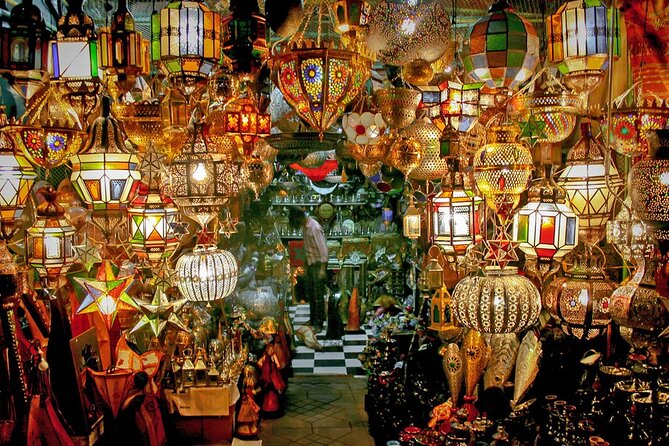
Then you head to Souk Laksour, a market area described as a souk of the “palaces” where large bazzars sit—especially relevant if you’re interested in older, antique-leaning items. If you like hunting for distinctive objects, this is the lane that can scratch that itch.
This stop can be fun because it’s less about one category and more about atmosphere and variety. Depending on what’s available during your visit, you might see older-style crafts or items with a more historical vibe.
One thing to keep in mind: antique-style shopping can be tricky in any country where negotiating is part of the culture. If you have a specific item in mind—like a certain metal type or a style of object—ask questions and set your expectations. If you’re not sure what you’re looking at, let your guide explain what you’re seeing, then decide slowly.
More than shops: Koutoubia Mosque, Bahia Palace, and Le Jardin Secret
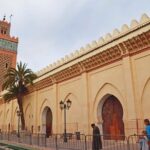
Even though the walk focuses on market areas, the tour also aims to check off major Marrakech sights beyond the souks: Koutoubia Mosque, Bahia Palace, and Le Jardin Secret.
These are the types of places that change how you understand the city. The medina street-life can make Marrakech feel purely chaotic, but landmarks and gardens show the structure beneath it—architecture, symmetry, and space.
One important detail: the tour excludes entrance fees. The public-market stops are essentially free to access, but if you want to enter paid sites like palaces or gardens, you’ll need to budget for tickets separately.
If you like your sightseeing layered—markets first, landmarks woven in—this is a solid fit. Just keep your schedule realistic. The medina can be energy-draining, even when it’s thrilling.
Shopping smart: how to avoid getting steamrolled
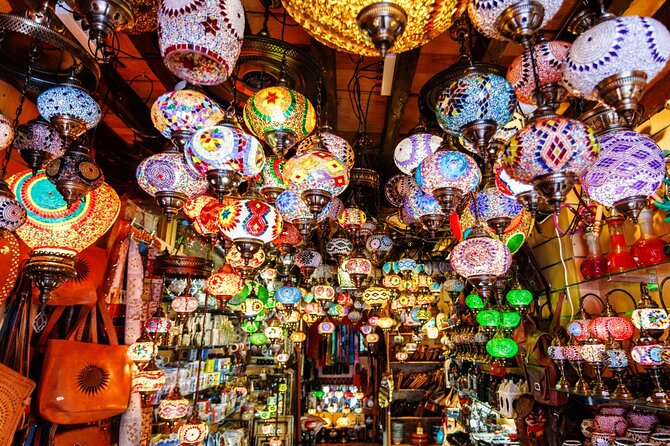
I’ll be direct here. The medina shopping scene can push fast buying. That’s not a dealbreaker, but it’s a factor.
There’s a balance your guide should manage: showing you local production and craftsmanship without turning the route into a shop-to-shop sales sprint. In one case, the tour experience was described as having pressure to buy in each shop, which can really take the joy out of browsing.
So here’s how you keep control:
- Set a shopping limit in your head before you start.
- Ask questions while looking, then decide later.
- Use a calm script: I’m just looking today, and I’ll think about it.
- If something doesn’t feel right, move on without guilt.
A private guide can still help you shop without you feeling trapped. Your best tool is confidence plus a clear “no purchase today” option.
Mint tea pauses and pacing in 4 to 5 hours
This tour runs about 4 to 5 hours. That length is just right for the medina style of walking: long enough to see key places and get shopping time, short enough that you’re not wiped out by mid-afternoon.
The tour includes Moroccan mint tea, which is more than a nice extra. It’s a rhythm reset. It gives you a moment to cool down, regroup, and decide what you want next. It can also help you slow down enough to notice quality and detail, not just chase the next shop.
Also, because it’s private, you aren’t locked into someone else’s pace. If you want to linger at a craft stop, you can—within reason. If you want to move quickly, you can do that too.
Price and value: what you’re really paying for
The price is $42.19 per person for a private VIP experience with a licensed guide, plus mint tea. Hotel pickup and drop-off are included only if you pick that option.
At first glance, this price can look modest for a private tour, but the value comes from how it saves you time and confusion. You’re paying for:
- a guide to steer you through the medina without constant backtracking
- structured stops across specific market areas
- cultural context to help you shop more intelligently
- mint tea as part of the route
Compared with doing this alone, you likely save the mental load of figuring out routes and explaining what you’re looking at while you’re already distracted by the crowd. That mental energy is worth something.
One more note: since entrance fees aren’t included, you should check what you plan to enter. If you do the palace or garden sites, factor in those extra ticket costs so the final spend matches your budget.
Who this Marrakech tour is best for
This is a strong choice if you want a guided walk that still leaves room for your own pace. It fits well if:
- you want to see UNESCO-listed medina energy and major landmarks without getting tangled in the street maze
- you plan to buy small, meaningful things like crafts, textiles, woven goods, or jewelry
- you’re shopping with questions and prefer answers while you’re standing in front of the items
It’s also a good pick if you want less hassle. Your guide helps you avoid tout energy so you can focus on the experience.
If you hate shopping pressure or you’re not interested in buying anything, you might want to think carefully. The route is shopping-focused, and that means the focus may still land on shops, even when the guide is trying to show local production.
Should you book this private VIP shopping tour?
If your goal is to enjoy Marrakech’s medina while keeping your sanity, I’d book it. The combination of a private licensed guide, targeted souk areas (including silver and jewelry focus), and a real sightseeing mix makes it practical for a half-day.
Just go in with two expectations set:
1) you’ll be walking a lot and dealing with a lively street environment
2) shopping stops can get salesy, so you’ll want a firm budget and an easy way to say no
If you want a smoother experience, choose your shopping priorities early. Decide what categories matter most to you—like jewelry, woven craft items, or antiques-style browsing—then let the guide point the route that matches. That’s when this tour feels like a VIP upgrade instead of just another medina walk.
FAQ
How long is the private VIP shopping tour in Marrakech?
It runs about 4 to 5 hours.
Where does the tour start and end?
It starts at Koutoubia Marrakesh 40000, Morocco and ends back at the meeting point.
Is pickup available?
Hotel pick up and drop off is included if you select that option.
What’s included in the tour?
You get a professional guide, Moroccan mint tea, and hotel pickup/drop-off if that option is selected.
Are entrance fees included?
No. The tour excludes entrance fees, even though the listed market stops are free to access.
What if weather is poor—can I cancel?
If the experience is canceled due to poor weather, you’ll be offered a different date or a full refund.