REVIEW · CAIRO
VIP guided Tour Khan El Kahili Market Private Tour and Shopping
Book on Viator →Operated by Excursion Cairo day tour · Bookable on Viator
A four-hour shopping sprint in Old Cairo can sound chaotic. This one is different: you get a private guide who helps you connect the dots between what you see and what you’re buying, with the big finish at Khan el-Khalili. Guides like Shymma, Kareem, and Hesham are specifically praised for making the route match your interests and for clear, easy communication.
I also like how the plan mixes hands-on shopping with quick culture stops instead of only pushing you from one shop to the next. You’ll see options like custom gold or silver cartouches, then move through stops for perfumes, papyrus, cotton, and spices, with entry fees handled.
One consideration: the day is retail-heavy, since most stops are specialized shops inside Old Cairo. If you want pure sightseeing with minimal shopping time, you may feel a bit “on a schedule” during the browsing.
In This Review
- Key highlights you’ll care about
- Price and logistics: what $16 buys you in the real world
- Stop 1: Mamluk Jewellery and the cartouche bazaar—souvenirs with meaning
- Stop 2: Royal Perfumes and Oils—what lotus scent is supposed to represent
- Stop 3: Papyrus and the papyrus paper idea—quick context, not a full lecture
- Stop 4: Teba Cotton Store—see what Egyptian cotton means
- Stop 5: A spicy shop in Old Cairo—taste the personality, then carry on
- Stop 6: Khan el-Khalili bazaar walk—your big shopping finale
- What it feels like overall: guided shopping that doesn’t rush you
- Who should book this Khan el-Khalili VIP tour
- Final decision: should you book it?
- FAQ
- How long is the VIP guided tour?
- How much does it cost?
- Is hotel pickup included?
- Is this a private tour?
- Are entry fees included?
- Do I get a mobile ticket?
- What is the cancellation policy?
Key highlights you’ll care about
- Private guide who adjusts on the fly based on what you want to focus on
- Entry fees included at several stops, so you aren’t hunting for extra tickets
- Cartouche making for a personal souvenir that’s more than a random trinket
- Lotus-and-essence perfume stop centered on Egyptian scents and oils
- Real Old Cairo shopping finale in Khan el-Khalili with time to browse
- Air-conditioned vehicle + bottled water + tea/coffee to keep the day comfortable
Price and logistics: what $16 buys you in the real world
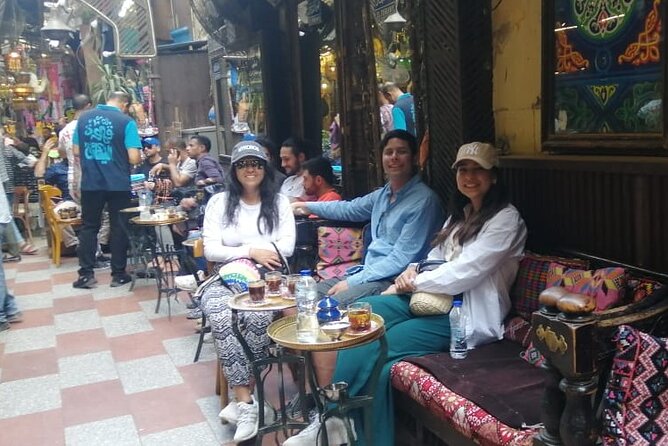
At $16 per person for about 4 hours, this tour is priced like a value play for Cairo shopping. The big reason it works is that you’re paying for more than transportation. You’re paying for someone to steer the day: a private guide, a driver, and organized stops across central Islamic Cairo.
In practice, that means you spend less time figuring out where to go next and more time doing the fun parts: asking questions, comparing products, and learning how these items fit into Egyptian craft traditions. Since the itinerary includes pickup and an air-conditioned vehicle, you’ll also avoid the most draining part of Old Cairo—heat, traffic, and constant route-hunting.
It’s also worth noting the tour is set up as a private activity for your group only. That matters in bazaars, where having one calm point of reference (your guide) can reduce the stress of being jostled, redirected, or asked to bargain with strangers.
You’ll likely still do some shopping at your own pace. The difference is that you have structure and context, not just a walk through a maze of storefronts.
You can also read our reviews of more tours and experiences in Cairo.


Stop 1: Mamluk Jewellery and the cartouche bazaar—souvenirs with meaning
The day starts with a hotel pickup and heads into Old Cairo for your first shopping stop: Mamluk Jewellery and Bazaar. This is where the tour turns from general “market wandering” into something personal.
You’ll get a chance to see cartouche work—making a gold or silver cartouche—plus Egyptian souvenirs and statues. Even if you don’t buy right away, it’s a good introduction to how these shops present their craftsmanship. The guide is there to translate the pitch into plain terms: what you’re looking at, what makes it feel like an actual Egyptian souvenir versus a generic import, and what you should ask before you commit.
This stop runs about 30 minutes and includes an admission ticket. That inclusion matters because it can reduce friction. Instead of you wondering whether you’re supposed to pay separately to enter or watch something, the schedule is already built around a timed visit.
Potential drawback: if you’re the kind of shopper who wants to compare across multiple jewelry places, 30 minutes can feel quick. The fix is simple—ask your guide to identify what’s worth a closer look, then focus only on those items when you see them.
Stop 2: Royal Perfumes and Oils—what lotus scent is supposed to represent
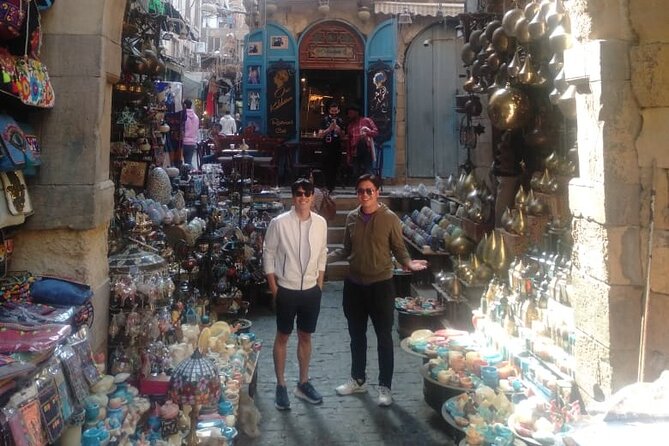
Next up is Royal Perfumes and Oils, another 30-minute stop with an included admission ticket. This is where the tour shifts from visual crafts to smell-based souvenirs.
You’ll be shown Egyptian pure essence and oils, including scents tied to lotus flower—presented as a favorite associated with King Tutankhamun in the shop’s storytelling. The tour info also specifies the products are pure essence with no chemical additives, at least as described by the store.
Here’s why I think this stop is a strong match for many people: perfume shopping is hard to do well on your own. You’re dealing with subjective preferences and lots of “test it” options. With a guide, you can ask sensible questions like what’s best for gifting, what lasts, and what to choose if you want something subtle rather than heavy.
What to consider: perfume and oils can be tempting, but it’s also easy to overspend when everything smells great. If you’re not sure what you want, treat this stop like a tasting session. Let your guide steer you toward a couple of options, then decide later if you really want a bottle.
Stop 3: Papyrus and the papyrus paper idea—quick context, not a full lecture
The tour then moves to a culture stop: a visit related to papyrus and how paper was made in ancient times, at a papyrus institute. You’ll see papyrus plants and learn about making the first paper associated with ancient Egypt.
This is another 30-minute stop, but unlike the earlier ones, the admission is listed as free. The value here is less about an “everything you ever wanted to know about papyrus” lecture and more about giving you a meaningful backdrop for Cairo as a city of materials—paper, cotton, oils, spices—each with a supply chain story.
If you like travel that includes a little science and a little culture, you’ll probably enjoy this breather. It gives your brain a rest from shopping choices while still staying connected to why Cairo produces so many distinctive goods.
If you dislike structured stops and prefer to roam on your own, this might feel like an in-between moment. But it’s short, and it helps the day feel like more than just retail errands.
Stop 4: Teba Cotton Store—see what Egyptian cotton means
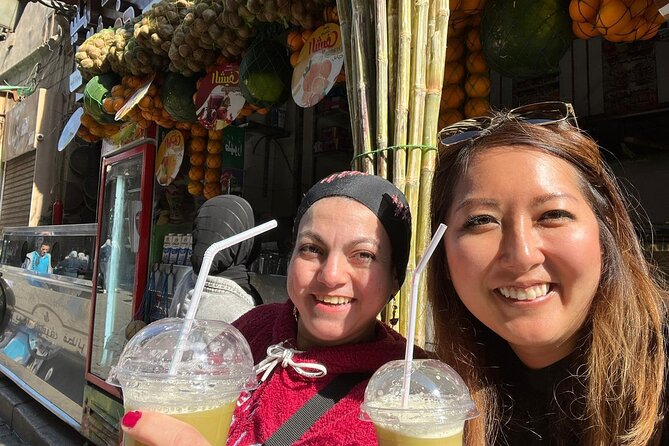
After papyrus, you’ll visit Teba Cotton Store (طِيبة للأقطان). This stop is focused on Egyptian cotton and is presented as Egyptian cotton number 1 in the world, tied to it being one of Egypt’s main sources of income.
That “why it matters” part is exactly what a good guided shopping tour should do. Instead of only telling you that a product is high quality, you get a reason—where it comes from and why it’s economically important. Even if you don’t buy fabric that day, you’ll walk away with a clearer sense of what Egyptian cotton claims are based on and how these shops want you to perceive their goods.
This stop is also 30 minutes with admission included. You’ll likely be shown products in a retail setting, so the same practical advice applies: keep your attention on what you came for. If you want sheets, towels, or clothing, ask your guide what makes the cotton feel different. If you’re just browsing, enjoy the chance to compare textures and finishes.
One consideration: cotton and textiles can be confusing to shop for without guidance. If you don’t know what quality signals to look for, do what you can in the moment—ask how to care for it, and decide if you want something practical you’ll use at home or something more decorative.





Stop 5: A spicy shop in Old Cairo—taste the personality, then carry on
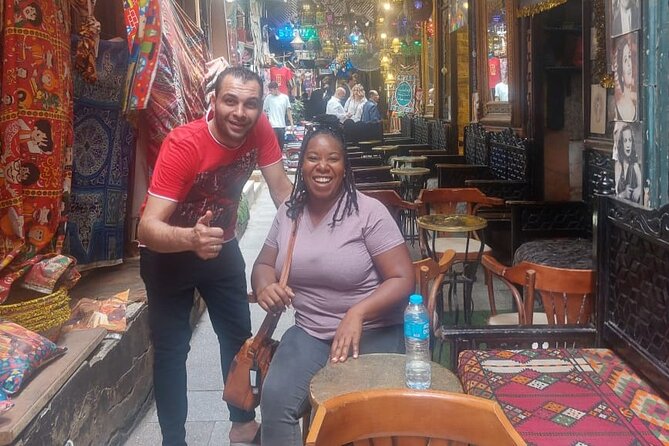
The next stop is a spicy shop to learn more about Egyptian spices. This is listed as another 30-minute stop, and it has free admission.
This is one of my favorite types of market stops because it’s useful even if you’re not buying textiles or jewelry. Spices are easy gifts, easy pantry projects, and usually easier to compare than perfume. With a guide, you can ask what blends are used where, what works for grilling versus stews, or what’s good as a starter kit.
The downside is obvious: if you’re already carrying shopping bags from earlier stops, you may want to plan your baggage and shopping sequence. Spices can be heavy depending on what you buy.
If your goal is to shop lightly, consider taking notes for later. Buy only the essentials you can realistically use before the flavors fade.
Stop 6: Khan el-Khalili bazaar walk—your big shopping finale
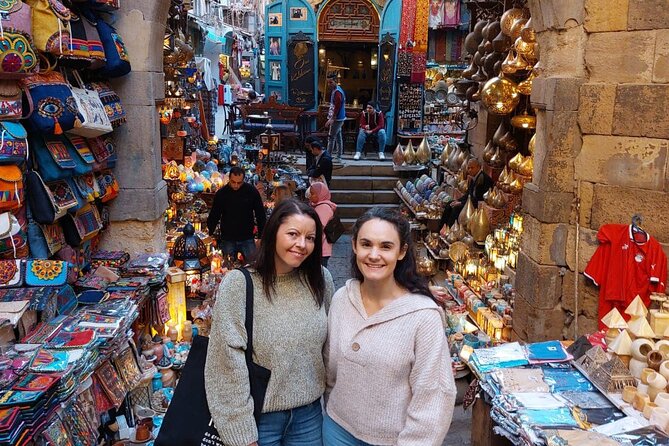
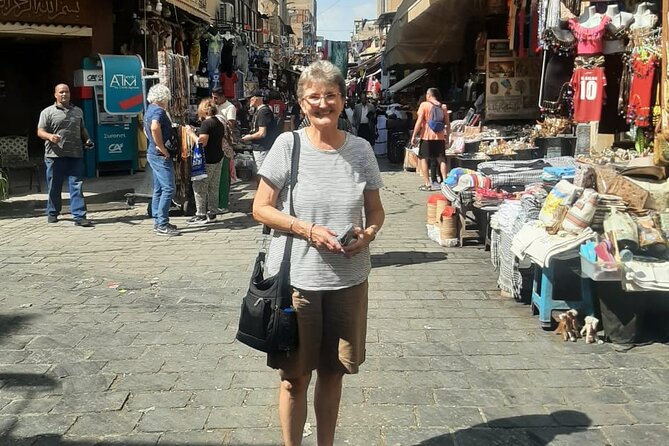
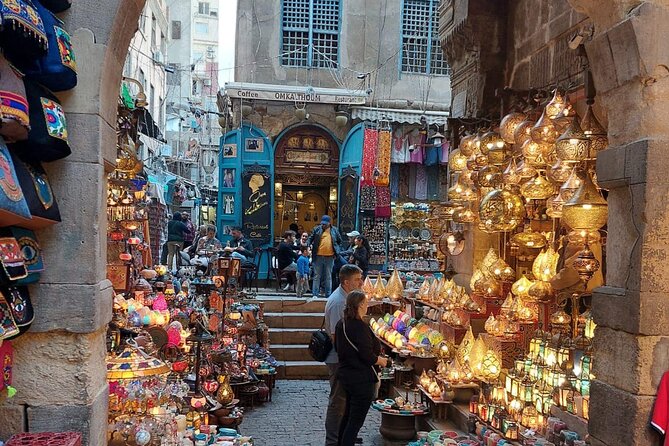
The last stop is Bazaar Khan El-Khalili, your 1-hour shopping and market time back in Old Cairo. This is where you get the “why everyone comes to Cairo” factor: one of the oldest free markets, with history alongside shopping.
This final hour is intentionally the longest stop. It gives you space to apply what you learned earlier in the tour. For example, you might find yourself asking sharper questions because you’ve already seen how jewelry, oils, papyrus, cotton, and spices are sold and explained in that same market style.
Also, this is where guide presence matters most. Khan el-Khalili can be busy, and shopping can get noisy fast. Having a guide helps you keep moving toward the items you actually want, rather than getting pulled into distractions.
Practical approach for your last hour:
- Pick 1 to 2 categories you still want, not five.
- If you want gifts, decide what your budget ceiling is before you enter the densest stretch of stalls.
- Use your guide to point out the type of shop that matches what you want (souvenirs, spices, or crafts), then browse at your own pace.
The tour ends with a safe return to your hotel, which is a relief when you’ve been walking and negotiating your way through streets.
What it feels like overall: guided shopping that doesn’t rush you
This tour works best because it’s structured around short visits that alternate between senses: look (jewelry), smell (oils), sight (papyrus), touch (cotton), taste (spices), then browse (bazaar). That keeps the day from melting into one long shopping blur.
I also like the emphasis on convenience. You’re not just thrown into the market. You get bottled water and coffee and/or tea, plus the comfort of an air-conditioned vehicle between stops. In Cairo heat, those small comforts make a noticeable difference, especially if you’re walking more than you planned.
The best part is the guide role. In the stories connected to this experience, guides like Shymma and Kareem are praised for friendly behavior and for adjusting the tour around your interests. That’s the difference between a generic market tour and a VIP-style guided day.
And yes, it can still be a shopping tour. If you don’t want that, you might feel like you’re being guided toward purchases even if you’re not pressured. But you do retain control—your guide can help you focus on window shopping or learn-first choices.
Who should book this Khan el-Khalili VIP tour
I’d book this if you want an organized way to shop in Islamic Cairo and still learn what you’re looking at. It’s especially a good fit for:
- First-time visitors who want to see the “market circuit” without getting lost
- People who like Egyptian products and want a mix of souvenirs, not just one category
- Gift shoppers who want small, specific items like perfumes, spices, and textiles
- Anyone who appreciates a guide who can adapt the route
I’d think twice if:
- You’re hoping for long museum-style time and minimal shopping
- You don’t enjoy retail environments at all
- You’re traveling with a strict budget and want to avoid store visits entirely
If you fall somewhere in the middle, this tour is a good compromise: you get shopping time, but it’s paired with cultural stops that explain why these goods matter.
Final decision: should you book it?
If you want a practical, guide-led Old Cairo shopping day with a smart mix of crafts and culture, this is an easy yes. The value is strong for the price because entry fees are built in at multiple stops, you get pickup and return, and you’re not left to figure out the route on your own.
Book it when you can spare the full 4 hours and you’re comfortable with retail stops. If you’re more into wandering than browsing, choose a plan with more open time.
If you do book, bring a simple strategy: decide what you actually want (cartouche, perfume, cotton items, spices), and let your guide help you compare. That turns a busy market day into a satisfying, useful shopping trip.
FAQ
How long is the VIP guided tour?
It’s about 4 hours (approx.).
How much does it cost?
The price is $16.00 per person.
Is hotel pickup included?
Yes, pickup is offered, and the driver returns you safely to your hotel.
Is this a private tour?
Yes. It’s a private tour/activity, and only your group participates.
Are entry fees included?
Many stops include entry fees, and the tour lists entry fees as included overall.
Do I get a mobile ticket?
Yes, the tour includes a mobile ticket.
What is the cancellation policy?
Free cancellation is available up to 24 hours in advance for a full refund. Cancel at least 24 hours before the experience’s start time for a full refund.